
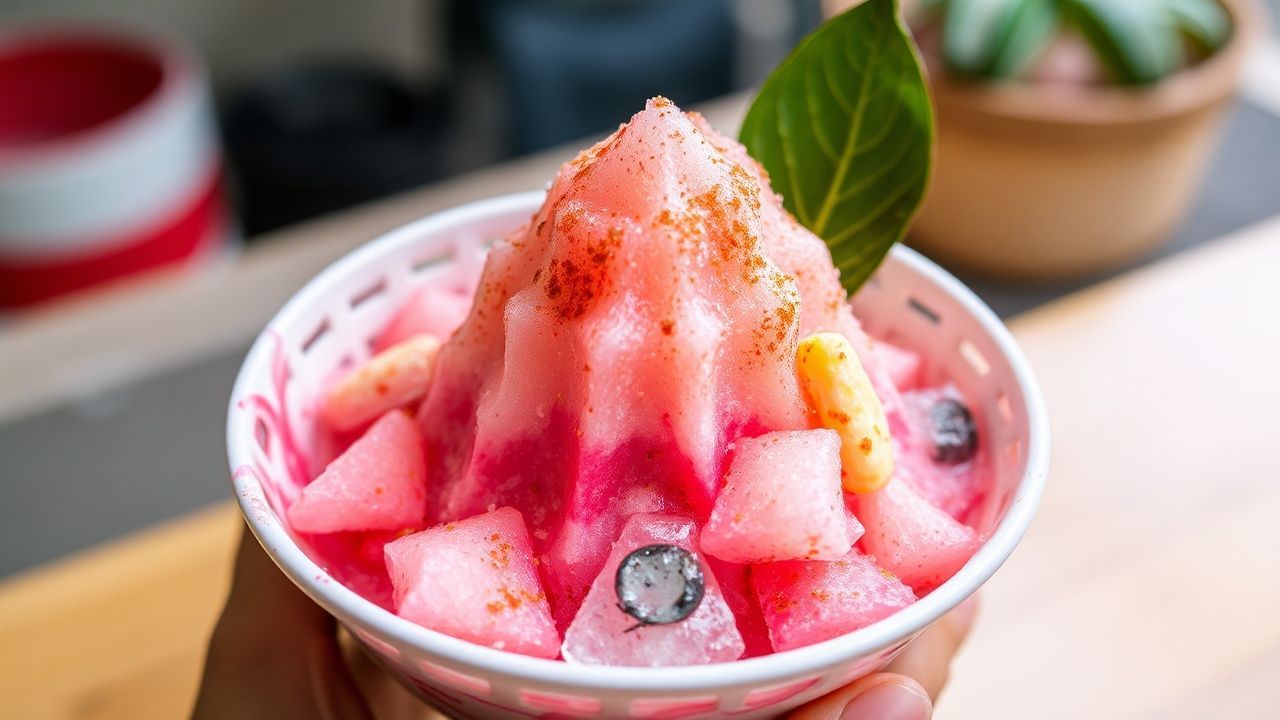
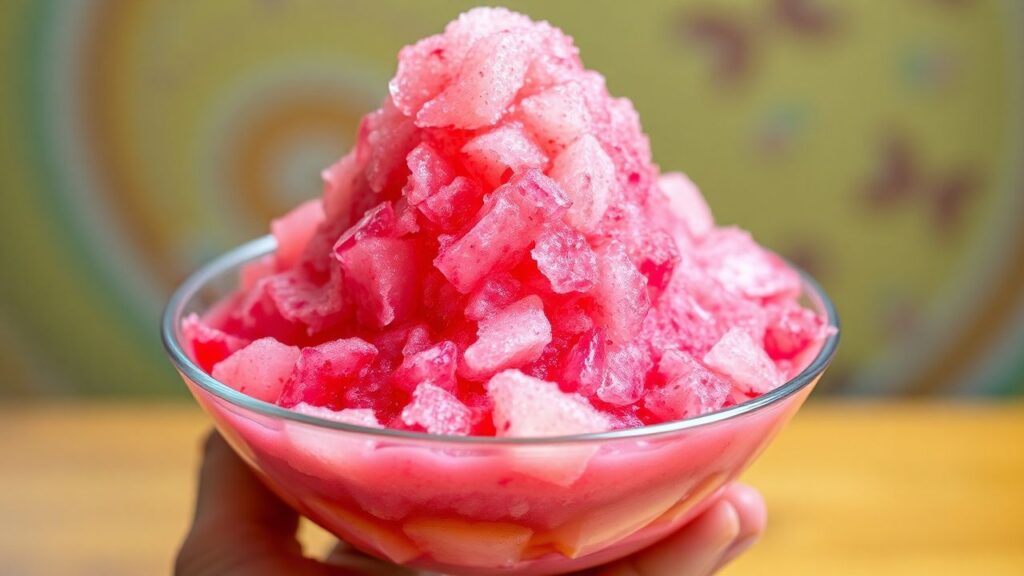
Malaysian ais kacang is shaved ice built like a dessert bowl, not a simple snow cone. Tiny ice flakes melt fast, so every spoonful tastes fresh, cool, and sweet at the same time.
- Origins and Cultural Importance of Malaysian Ais Kacang
- Exploring the Colorful Ingredients and Unique Flavors
- Tips for Finding the Best Ais Kacang Spots in Malaysia To taste ais kacang at its best, look for stalls that move quickly and serve shaved ice freshly. A great bowl should taste cold from the first bite, not lukewarm from the start. Choose busy locations with a steady customer line. High turnover usually means the ice stays fresher, and syrups get reused in smaller cycles. In Malaysia, this often points you toward hawker centers and popular kopitiams rather than quiet tourist strip shops. Also watch the toppings. Fresh cendol should keep its shape and look glossy, not dried out. Jelly cubes should look firm and cleanly cut. If the bowl looks watery before it reaches you, skip it. Ask one practical question: “Do you use house-made syrup?” Many vendors will answer quickly, because syrup blends often define their flavor profile. If they mention fresh pandan or homemade palm sugar syrup, that’s usually a strong sign. ⚠️ Pro-Caution Pro-Caution: Don’t judge only by how bright the colors look. Some syrups use intense food coloring to boost appearance, while flavor quality may vary. Taste matters more than shade, especially with rose- and pandan-forward bowls. Creative Twists and Modern Variations to Try
- Ais Kacang Recipe: Shaved Ice Bliss at Home
- Final Thoughts
- FAQ: Ais Kacang
At a Glance
- Ais kacang blends shaved ice with beans, jelly, and colorful syrups.
- Common toppings include red beans, sweet corn, cendol, and grass/agar jellies.
- You can tailor texture and sweetness with smarter layering and chill timing.
- Street stalls and kopitiams often keep “house” syrup mixes for depth.
When tropical heat rises, locals and travelers reach for this icy dessert right after meals or during late afternoon. You’ll see vendors serving it in wide cups, often with ice that looks like soft snow. Then they finish with syrups that color the bowl from the bottom up.
This guide walks through the origins, the key ingredients, and the most useful tips for choosing a great bowl. It also includes a classic at-home recipe you can follow without guesswork.
Origins and Cultural Importance of Malaysian Ais Kacang
Ais kacang stands out because it treats dessert as a social food. People often share bowls at hawker centers and night markets, where the dessert flow matches the pace of street life.
Historically, Malaysia’s street dessert scene grew alongside trade, migration, and local food adaptation. You can connect many of the flavor ideas to broader Southeast Asian shaved-ice traditions, including the use of syrups, beans, and jelly-like toppings. For background on regional food history, see Southeast Asian cuisine.
In Malaysia, ais kacang also reflects how Malay, Chinese, and Indian cooking habits shaped everyday snacks. That influence shows up in the dessert’s texture design: chewy jellies, soft beans, and bright, aromatic syrups.
You’ll notice that vendors personalize each bowl. Some lean more toward pandan aroma. Others push extra syrup for stronger sweetness. That variation is part of the cultural appeal, not a flaw.
Exploring the Colorful Ingredients and Unique Flavors
The base of ais kacang comes from finely shaved ice. Fine ice melts quickly, but it also helps syrup coat every flake. As a result, the flavor spreads evenly rather than pooling in one corner.
Next come the toppings. Red beans add a soft, earthy sweetness. Sweet corn brings mild, natural sugar. Jelly cubes—often agar-agar or grass jelly—add a chewy bite that contrasts with the melt.
Cendol gives ais kacang its signature aroma and texture. It’s commonly made from rice flour and flavored with pandan, then formed into slippery green strands or pieces. If you want a deeper view of pandan as a flavor source, read Pandan.
For the syrup side, classic bowls use a rose syrup and palm sugar style syrup (often linked to gula Melaka). Palm sugar contributes a warm caramel note that balances floral rose tones. Learn more about the ingredient type in Palm sugar.
Many vendors also drizzle condensed milk or evaporated milk for creaminess. That dairy layer rounds off the sharpness of syrup and makes the ice taste smoother. Meanwhile, fruit toppings—like mango or jackfruit—add freshness and extra aroma.
Tips for Finding the Best Ais Kacang Spots in Malaysia
While classic ais kacang stays the reference point, modern versions often adjust toppings to match changing tastes. You may see extra fruit, different jelly shapes, or thicker syrup styles.
Some shops swap traditional beans for smoother bean pastes. Others introduce nutty additions for crunch, like toasted peanuts. Still, the core idea remains the same: a cold ice base plus layered toppings that balance sweet, chewy, and creamy notes.
Modern cafés sometimes add mochi balls or even chocolate pearls. Those updates work best when the sweetness stays controlled and the bowl still tastes cold. If the additions push the dessert into heavy sweetness, the original refreshing purpose gets lost.
If you enjoy pandan flavors, focus on bowls where pandan aroma stays clear rather than muted. Pandan’s earthy fragrance should come through with each spoonful. For more on how plants and flavors work across food culture, explore Pandanaceae.
Ais Kacang Recipe: Shaved Ice Bliss at Home
Ready to make ais kacang at home? Start with the right base and then build layers in the correct order. When you assemble thoughtfully, your bowl tastes closer to street-style even without a professional stall.
This recipe gives you classic ingredients plus easy methods. You can also scale toppings up or down depending on what you find at your local market.
Prep and Cook Time
- Preparation: 20 minutes
- Shaving/Crushing Ice: 5 minutes
- Assembly: 10 minutes
- Total Time: 35 minutes
Yield
Serves: 4 generous portions
Plan extra syrup if you like strong flavor. People often adjust sweetness after the first spoonful.
Difficulty Level
Easy—perfect for beginners and busy weeknights.
You don’t need advanced baking skills. You do need cold ingredients and quick assembly.
Ingredients
- 3 cups ice cubes (for shaving)
- 1 cup cooked red beans, rinsed and drained
- 1 cup sweet corn kernels, fresh or canned
- 1/2 cup agar-agar jelly, cut into small cubes
- 1/2 cup cendol (rice flour jelly with pandan flavor)
- 2 tbsp attap seeds (optional)
- 1/4 cup gula Melaka syrup (palm sugar syrup)
- 1/4 cup rose syrup
- 1 cup evaporated milk
- 1 tbsp sweetened condensed milk
- Fresh tropical fruit for garnish (jackfruit, mango, or lychee)
Instructions
- Prepare the Ice: Shave ice finely using an ice shaver or blender ice-crush setting. Move fast and place scoops into each serving bowl right away.
- Layer the Base: Distribute red beans, sweet corn, and agar-agar cubes evenly over the shaved ice.
- Add the Cendol and Attap Seeds: Spoon cendol and attap seeds on top. Keep portions balanced so every spoon has mix-ins.
- Drizzle Syrups: Pour gula Melaka syrup and rose syrup over the bowl. Let syrup cascade into the ice for color and flavor blending.
- Finish with Milks: Add evaporated milk, then drizzle sweetened condensed milk for extra creaminess.
- Garnish and Serve: Add tropical fruit slices. Serve immediately with a spoon and straw for easy mixing.
Tips for Success
- Customize Texture: If you want a smoother bite, use a softer bean paste for part of the topping mix.
- Shaving Ice Matters: Shave finely when possible. Crushed ice tastes colder but can feel firmer and melt differently.
- Make Ahead: Chill toppings and syrups in separate containers. Assemble only when you’re ready to serve.
- Balance Sweetness: Taste your syrups if they’re store-bought. Adjust with extra palm sugar syrup or reduce if needed.
Serving Suggestions
Serve ais kacang in clear glass bowls so people see the layers as they eat. Tall parfait glasses also work well because the colors stay visible.
Pair it with a warm or cooling drink. Many Malaysian diners enjoy it alongside Malaysian Teh Tarik, since the creamy tea pairs nicely with the dessert’s cold sweetness.
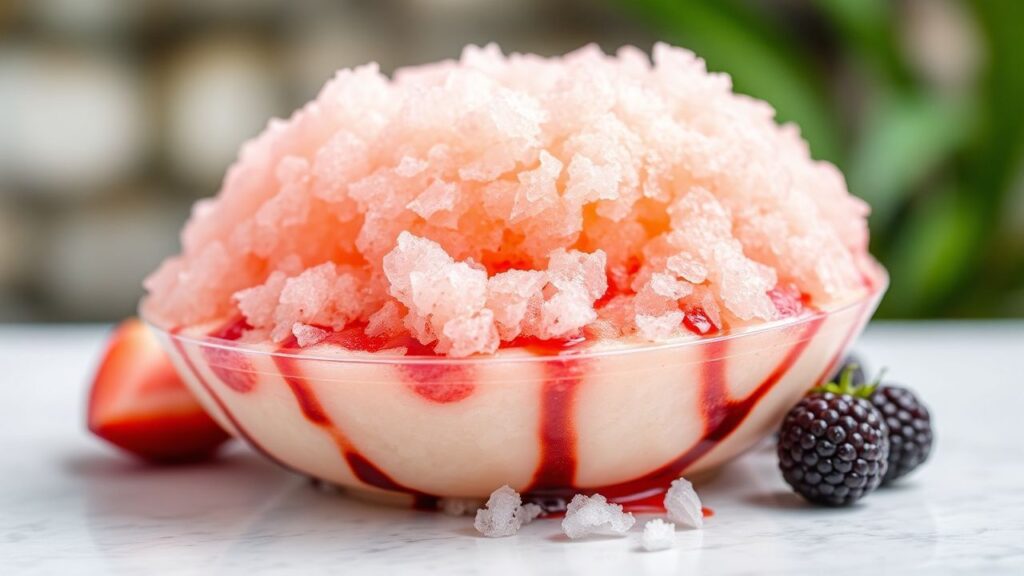
If you want to compare this dessert with other regional ice treats, you can use general references on chilled desserts and Southeast Asian drinks as context. Start with Dessert for the broad category.
For nutrition awareness, remember that ais kacang uses sweet syrups and dairy, so calories rise quickly with extra toppings. You can reduce total sweetness by using lighter syrup and adding more fruit for volume.
Final Thoughts
Ais kacang remains a favorite because it balances contrasts: cold melting ice, chewy jelly, soft beans, and aromatic syrups. When you get those elements in the right mix, the dessert tastes both playful and satisfying.
Whether you order it from a hawker stall or make a homemade bowl, focus on freshness and layering. If your ice stays finely shaved and your toppings stay chilled, you’ll taste the signature experience that made this dessert a staple across Malaysia.
FAQ: Ais Kacang
1) What is ais kacang?
Ais kacang is a Malaysian shaved-ice dessert. It typically includes finely shaved ice, toppings like red beans and corn, and syrups such as rose syrup and palm sugar syrup.
2) What are the most common toppings in a classic bowl?
Many bowls include red beans, sweet corn, cendol, and a form of jelly such as agar-agar or grass jelly. Some versions also add attap seeds and dairy drizzles.
3) How is ais kacang different from a snow cone?
The key difference lies in texture and coating. Ais kacang uses finely shaved ice that absorbs syrup more evenly, so each bite tastes layered rather than syrupy in only one spot.
4) Can I make ais kacang at home without a special machine?
You can. A blender with an ice-crush setting can help. Still, aim for fine, fluffy ice and assemble quickly so the dessert stays cold and properly layered.
5) Where should I eat ais kacang in Malaysia?
For a reliable experience, visit busy hawker centers, night markets, and well-known kopitiams in cities like Penang, Kuala Lumpur, and Malacca. Choose places with fast turnover and freshly prepared toppings.
See also: ais kacang