
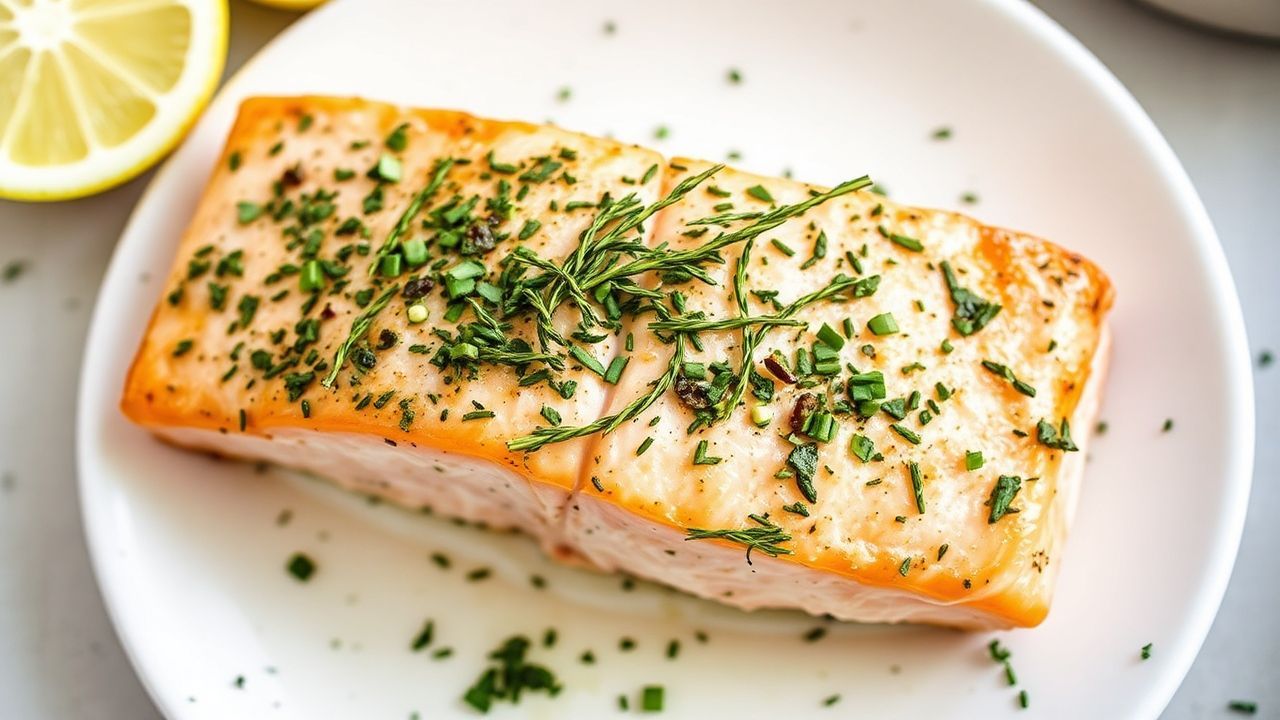
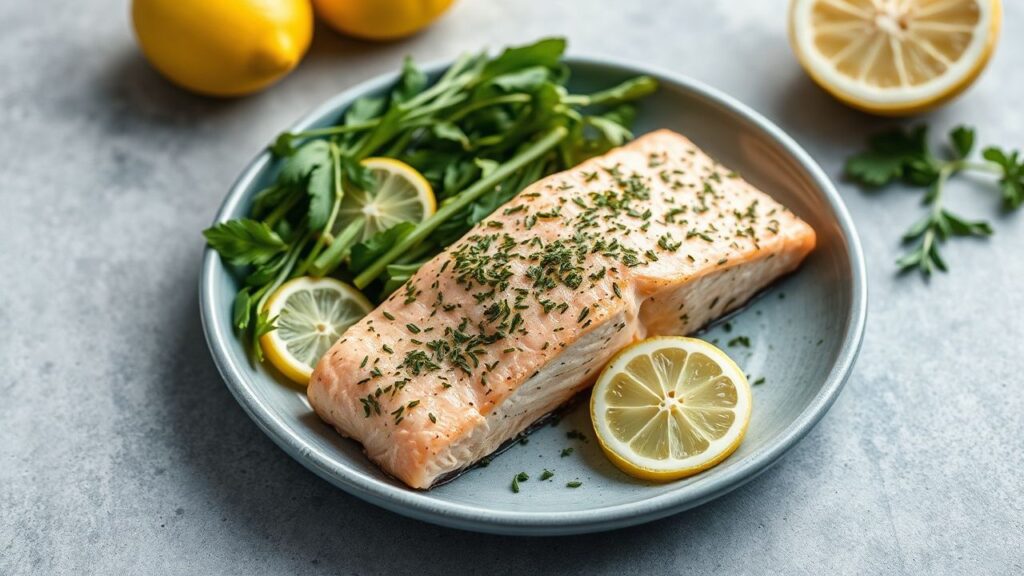
There’s something reliably uplifting about lemon herb baked salmon: the citrus brightens each bite, and the fresh herbs keep the fish tasting clean instead of heavy. This simple lemon herb baked salmon recipe turns tender salmon into a weeknight meal that feels restaurant-fresh.
- Brighten Your Plate with Vibrant Lemon and Fresh Herbs
- Choosing the Perfect Salmon for a Tender, Flavorful Bake
- Step-by-Step Guide for Ideal Lemon Herb Infusion
- Expert Tips for Serving and Pairing Your Lemon Herb Baked Salmon
- Prep and Cook Time
- Yield and Difficulty
- Ingredients for Simple Lemon Herb Baked Salmon
- Instructions
- Tips for Success
- Serving Suggestions
- Q&A
- What makes this lemon herb baked salmon recipe stand out?
- Which herbs work best with salmon and lemon?
- Can I use dried herbs instead of fresh?
- How do I keep the salmon moist and tender while baking?
- How can I make the lemon flavor less tart?
- Wrapping Up
At a Glance
- Use zest plus juice for full lemon flavor.
- Bake at 400°F (200°C) for moist, flaky results.
- Pat salmon dry so the herb coating clings well.
- Choose herbs like dill and parsley for the classic profile.
Brighten Your Plate with Vibrant Lemon and Fresh Herbs
Lemon and herbs work as a flavor system, not a garnish. Lemon adds sharp aroma from the zest and tang from the juice, while herbs like dill, parsley, and thyme bring earthy fragrance.
This mix boosts the natural richness of salmon without masking it. When the lemon herb baked salmon bakes, the oil helps spread flavor across the fillet so every bite tastes balanced.
To understand why this works, it helps to know that citrus zest contains flavorful aromatic compounds, not just “juice.” The lemon peel is where much of that bright aroma lives, so zest matters for depth.
For a herb-forward profile, keep herbs fresh when possible. Fresh herbs also hold color and texture better during baking, which improves both taste and presentation.
Choosing the Perfect Salmon for a Tender, Flavorful Bake
Start with salmon that feels firm and looks moist. Look for fillets with a clean color and minimal drying around the edges.
If your fillet has skin, keep it on. Skin helps protect the delicate surface during cooking and supports a better texture contrast.
Salmon type changes flavor intensity. Wild salmon often tastes more vivid, while responsibly farmed salmon can deliver a steady, tender texture. For background on the species, see salmon.
For even cooking, aim for center-cut portions around 6–8 ounces. Similar thickness leads to fewer overcooked edges and a more uniform flaky center.
Step-by-Step Guide for Ideal Lemon Herb Infusion
You’ll build flavor in layers: first a lemon-herb mix, then a lemon-garlic oil blend that spreads aroma through the fish. That step-by-step flow keeps the process simple and repeatable.
Work quickly, but don’t skip patting the fish dry. Dry salmon helps the coating adhere, which makes the lemon herb baked salmon taste more “herb-forward” in every bite.
- Preheat and prep: Set oven to 400°F (200°C). Line a baking sheet with parchment paper.
- Dry and season: Pat salmon dry. Season lightly with salt and black pepper.
- Build the herb-lemon base: Finely chop dill, parsley, and thyme. Zest one lemon carefully, then combine zest with the chopped herbs.
- Make the lemon-garlic oil: Mince garlic and whisk with extra virgin olive oil and lemon juice.
- Combine: Stir the herb zest mix into the lemon-garlic oil so it turns fragrant and cohesive.
- Coat: Place salmon skin-side down. Spoon and spread the mixture evenly over each fillet.
- Optional lemon slices: Add thin lemon slices on top for extra aroma and a brighter finish.
- Bake: Bake 12–15 minutes until salmon flakes easily but stays moist. Avoid pushing it past “just done.”
- Rest briefly: Rest for 2 minutes so juices settle.
- Serve: Plate and finish with extra fresh herbs and lemon wedges.
Fresh herb aroma comes from volatile oils that release with heat. That’s why a well-built coating matters. For general context on how flavors move, you can review herbs.
If you want a softer lemon note, reduce the amount of zest slightly and lean on juice plus olive oil. The oil balances acidity by smoothing the overall flavor curve.
Expert Tips for Serving and Pairing Your Lemon Herb Baked Salmon
Serve the salmon hot, with bright sides that echo lemon and herbs. Light greens, crisp vegetables, and simple grains keep the meal cohesive.
Choose sides that add contrast: crunchy, juicy, and lightly seasoned. This approach makes the baked fish taste even fresher.
For example, pair with roasted asparagus or a cucumber-fennel salad tossed in lemon vinaigrette. You can also serve it over herbed couscous or alongside quinoa.
If you add dairy, keep it mild. A small amount of yogurt-based sauce or a light drizzle of olive oil works best.
Expert Insight: Finish with a microplane of fresh lemon zest right before serving. Heat fades citrus aroma quickly, so this last step keeps the “bright” flavor front and center.
You can also add a thin drizzle of extra virgin olive oil after baking. It adds silkiness and helps carry herb fragrance on the tongue.
For beverage pairing, choose something light and refreshing. Sparkling water with lemon works because bubbles lift aroma, while herbal iced tea complements dill and thyme.
Prep and Cook Time
Prep Time: 15 minutes
Cook Time: 12–15 minutes
Total Time: about 30 minutes
This timing fits busy schedules. You can prep herbs and lemon while the oven preheats, then bake immediately.
Yield and Difficulty
Yield: Serves 4
Difficulty: Easy
The method suits both first-time cooks and experienced home chefs. Clear steps reduce guesswork and help you repeat the same reliable results.
Because the recipe relies on even baking and gentle timing, it also scales well for small family dinners.
Ingredients for Simple Lemon Herb Baked Salmon
Use fresh ingredients for the best aroma. If an herb is not available, substitute a similar flavor profile without changing the structure of the recipe.
Here’s the ingredient list you’ll need for a classic lemon herb baked salmon profile.
- 4 salmon fillets (6–8 ounces each, skin on)
- 1 lemon, zested and juiced
- 3 tablespoons extra virgin olive oil
- 2 cloves garlic, finely minced
- 2 tablespoons fresh dill, chopped
- 2 tablespoons fresh flat-leaf parsley, chopped
- 1 tablespoon fresh thyme leaves, chopped
- Salt and freshly ground black pepper, to taste
- Optional: lemon slices for topping
For a quick refresher on salmon nutrition and uses, you can reference salmon. For olive oil characteristics that influence flavor, see olive oil.
Instructions
Follow these steps for moist, flaky lemon herb baked salmon. The key is timing and coating coverage.
When you bake, trust the visual and flake test. Salmon should look opaque around the edges while still staying tender in the center.
- Preheat: Preheat to 400°F (200°C). Line a baking sheet with parchment paper.
- Dry and season: Pat fillets dry. Season lightly with salt and pepper.
- Mix: Combine lemon zest, lemon juice, olive oil, minced garlic, and chopped herbs. Stir well.
- Coat: Place salmon skin-side down. Spoon the lemon herb mixture over each fillet and press gently to adhere.
- Add lemon slices: If using, place thin lemon slices on top for aroma and color.
- Bake: Bake 12–15 minutes until salmon flakes easily with a fork.
- Rest: Rest for 2 minutes to let flavors settle.
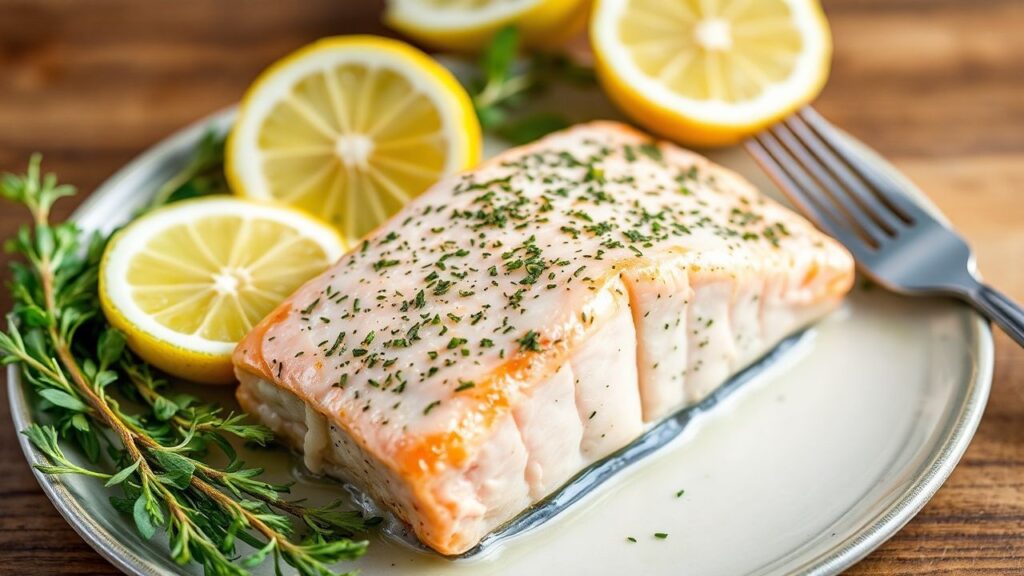
- Serve: Garnish with extra herbs and lemon wedges.
If you prefer extra tender texture, avoid aggressive handling after baking. Gentle rest and careful plating keep the flakes intact.
Tips for Success
These small steps improve texture and flavor. They also help you avoid common issues like bland seasoning or an uneven herb coating.
Use this checklist to get consistent results each time you cook lemon herb baked salmon.
- Dry the salmon well: This improves coating adhesion and helps the surface feel less watery.
- Use fresh herbs when you can: Fresh herbs deliver better aroma and color.
- Adjust the herb blend: Add a small amount of rosemary if you want a more piney note.
- Make ahead (optional): Mix the lemon herb oil up to 24 hours in advance.
- Check doneness early: Thicker fillets need more time, but salmon dries quickly.
Herb flavor can change with heat exposure. Since herbs contain aromatic compounds, adding them as a coating helps release those notes gradually during baking. You can explore the basics of holding temperature and food handling concepts to understand why rest time matters.
If your salmon is very lean, try lowering the bake time by 1–2 minutes and check again. That keeps the fish juicy while the herbs stay fragrant.
Serving Suggestions
Plan sides that feel light and fresh. This keeps the lemon herb baked salmon tasting bright instead of heavy.
Great options include herbed couscous, roasted seasonal vegetables, or a crisp arugula salad. Add lemon wedges at the table so diners can adjust tartness.
If you want a grain side, quinoa works especially well because it absorbs lemony juices. For a broader view of quinoa as a food crop, see quinoa.
For vegetables, choose those that roast quickly like asparagus, zucchini, or cherry tomatoes. Roast at the same temperature range so the meal stays on schedule.
You can also finish with a tiny amount of lemon-infused olive oil. That last drizzle ties flavors together and makes the dish feel polished.
Q&A
Good results come from clear answers. These Q&A notes cover the most common questions about lemon flavor, herb substitution, and bake timing.
Use them as quick troubleshooting steps the next time you cook this recipe.
What makes this lemon herb baked salmon recipe stand out?
The recipe uses both lemon zest and lemon juice, plus an herb-oil coating. That combination spreads flavor across the entire fillet, so each bite tastes bright and aromatic.
Also, the bake temperature and timing target moist flake texture without drying the fish.
Which herbs work best with salmon and lemon?
Dill, parsley, and thyme pair well with salmon because their aroma stays clean and doesn’t overpower the fish. You can also add a little rosemary if you like a stronger savory note.
If you want a guide to herb families, see herb basics for flavor reasoning.
Can I use dried herbs instead of fresh?
Yes. Dried herbs are more concentrated, so use about half the amount. Stir them into the oil so they hydrate and release flavor before baking.
For best results, taste the mixture and adjust salt and pepper.
How do I keep the salmon moist and tender while baking?
Use 400°F (200°C) and bake for 12–15 minutes depending on thickness. Flake test matters more than the clock alone.
Rest for 2 minutes so juices settle and flavors blend.
How can I make the lemon flavor less tart?
Balance lemon acidity with olive oil and a small pinch of black pepper. You can also reduce the zest slightly and increase olive oil by 1 tablespoon for a softer taste.
Thin lemon slices on top also add aroma without making the final bite too sharp.
Wrapping Up
This simple lemon herb baked salmon recipe delivers bright flavor, tender texture, and a reliable method. With zest, herbs, olive oil, and smart timing, you get a dish that tastes fresh every time.
Prepare it for weeknights, serve it for guests, and use the same steps as a foundation for your own herb swaps. When you want a light yet flavorful meal, this is a dependable choice.
If you want to keep learning about food components behind taste, you can explore citrus and food preparation techniques. Those topics explain why simple changes—like zesting and drying—make such a big difference.
See also: lemon herb baked salmon