
Hong Kong mango pudding delivers a silky, golden texture with fresh mango flavor in every spoonful. The method blends mango puree with a dairy base and a clean set from gelatin, then chills until it wobbles beautifully. This guide helps you make authentic-style Hong Kong mango pudding at home, with reliable steps and results.
- The Art of Hong Kong Mango Pudding (Why It Tastes So Smooth)
- The Origins and Cultural Meaning of Hong Kong Mango Pudding
- Ingredients for Hong Kong Mango Pudding (Measured for Silky Results)
- 7-Step Instructions for Silky Hong Kong Mango Pudding
- Step 1: Bloom the Gelatin
- Step 2: Make Mango Puree
- Step 3: Heat the Dairy Base
- Step 4: Dissolve Gelatin into the Cream
- Step 5: Combine Mango and Dairy
- Step 6: Pour and Chill
- Step 7: Unmold and Garnish
- Tips for Success: Perfect Silky Texture Every Time
- Pick Ripe Mangoes, Then Blend Smooth
- Measure Gelatin and Bloom Properly
- Stir Gently to Avoid Bubbles
- Chill Long Enough for a True Wobble
- Unlocking Flavor Layers: Mango Brightness and Creamy Depth
- Expert Tips for Presentation and Serving
- FAQ
- Texture comes from gelatin: bloom it well and stir gently for a smooth set.
- Flavor starts with mango: ripe but firm mangoes give sweetness and clean aroma.
- Chill time fixes the finish: at least 3 hours for that classic wobble.
- Presentation matters: glassware and clean garnishes show the golden layers.
The Art of Hong Kong Mango Pudding (Why It Tastes So Smooth)
What makes Hong Kong mango pudding special is its thin, glossy mouthfeel, not a thick spoon-stand texture. The key lies in how you emulsify the dairy with mango puree and then set the mixture evenly. When you stir and chill correctly, the pudding stays tender while still holding its shape.
You also get a classic balance: mango brings bright tropical sweetness, while cream and milk soften the flavor into a smooth finish. Gelatin forms a delicate network that traps water and fat for that “silk” effect. For background on how gelatin works as a gelling agent, see gelatin.
The Hong Kong Style: Mango, Dairy, and a Delicate Set
Hong Kong-style desserts often emphasize clean sweetness and a refined texture. Mango pudding fits that style perfectly because it uses ripe fruit and a simple set—no heavy baking or complex custards required. The result feels light even though the base includes dairy.
To understand why mango texture matters, it helps to know that ripeness drives aroma and sweetness. Mangoes also vary by variety and season, so taste your puree before you adjust sugar. If you want a quick reference on the fruit itself, read mango.
[WARNING]Pro-Caution: Avoid boiling the dairy mixture. Boiling can dull the creamy flavor and may affect how gelatin sets, which can lead to a less silky texture.
The Origins and Cultural Meaning of Hong Kong Mango Pudding
Hong Kong mango pudding grew in a city that loves tea-house sweets, modern comfort desserts, and fruit-forward recipes. Over time, cooks combined local fruit with Western-style dairy and gelatin techniques. That mix explains why the pudding feels both familiar and unique.
Hong Kong’s food culture also reflects strong trade links and global influence. The city became known for adapting techniques and tastes without losing local appeal. For a broad historical lens on Hong Kong’s background, review the history of Hong Kong.
Why Mango Pudding Became a Tea-House Favorite
Tea-time sweets need repeatable texture and reliable flavor. Mango pudding checks both boxes because you can make it ahead, chill it, and serve it consistently. Many cooks also prefer it for gatherings because it scales easily.
When people remember the dessert, they often remember the clean wobble and the vivid mango color. Those traits come from the right balance of puree thickness, dairy richness, and gelatin strength. If you want a chemistry overview of gelling systems, you can review gelling agents.
Ingredients for Hong Kong Mango Pudding (Measured for Silky Results)
Use simple ingredients, but measure them carefully. Your goal is a smooth mango puree, a balanced dairy base, and gelatin that sets without lumps. This ingredient set makes about four neat portions.
Choose mangoes that smell strong and feel slightly soft. If the fruit fibers feel tight, the puree can taste watery and less fragrant. For fruit selection basics, refer to mango cultivation for variety and ripeness context.
Prep and Cook Time
- Planning: 15 minutes
- Chilling: 3 hours minimum
- Total Time: 3 hours 15 minutes
Yield
Serves 4 (elegantly sized ramekins or molds).
This batch works well for small dinner parties, weekday desserts, and meal-prep servings.
Difficulty Level
Easy—the process focuses on careful mixing and patient chilling.
If you’ve made yogurt, pudding, or simple creams before, you can handle this recipe.
Ingredients
- 2 ripe mangoes, peeled and cubed (about 2 cups)
- 1 cup whole milk
- 1 cup heavy cream
- 1/2 cup granulated sugar
- 2 tablespoons powdered gelatin
- 3 tablespoons hot water (to bloom gelatin)
- 1 teaspoon fresh lemon juice (brightness for mango)
- Optional topping: fresh mango slices, mint leaves, or coconut cream drizzle
7-Step Instructions for Silky Hong Kong Mango Pudding
Follow these steps in order to lock in that silky texture. Small timing errors can create bubbles, uneven sets, or a rubbery feel. If you stay calm and mix gently, you’ll get a glossy pudding with a clean wobble.
Because gelatin behaves best with controlled heat, pay attention to temperature and stirring. For a general reference on gelatin properties, see gelatin.
Step 1: Bloom the Gelatin
- Bloom the gelatin: Sprinkle powdered gelatin over 3 tablespoons of hot water in a small bowl. Stir gently and wait 5 minutes until smooth.
This step hydrates gelatin so it dissolves evenly later. It also reduces the chance of specks in the final pudding.
Don’t rush the blooming stage. A short bloom often leads to grainy texture.
Step 2: Make Mango Puree
- Prepare the mango puree: Reserve a few mango slices for garnish, then blend the rest until creamy. Stir in lemon juice to lift the mango flavor.
Blend until smooth, not stringy. If your puree feels thick, you can blend longer for a smoother mouthfeel.
Fresh lemon juice also balances mango sweetness. It helps the pudding taste “bright” instead of flat.
Step 3: Heat the Dairy Base
- Heat the dairy mixture: In a saucepan over medium heat, combine milk, heavy cream, and sugar. Stir until sugar dissolves. Stop before boiling.
Heat just enough to dissolve sugar. Boiling may dull cream flavor and can strain your texture targets.
Keep a steady hand and stir often so the mixture stays uniform.
Step 4: Dissolve Gelatin into the Cream
- Combine gelatin and dairy: Remove the saucepan from heat. Stir bloomed gelatin into the warm dairy until fully incorporated.
If gelatin stays partly undissolved, it can form small lumps or soft spots. Stir thoroughly but gently.
Stop once the mixture looks glossy and uniform.
Step 5: Combine Mango and Dairy
- Mix mango puree: Add mango puree to the cream mixture. Whisk gently until smooth and evenly golden.
Whisking activates mixing without adding too much air. Too much foam can cause uneven surface texture.
If you see bubbles, let the mixture rest for a minute before pouring.
Step 6: Pour and Chill
- Pour and chill: Divide into 4 ramekins or molds. Cover and refrigerate for at least 3 hours until set.
Chill time controls firmness and that signature wobble. For a firmer set, chill longer; for softer wobble, keep to the minimum.
Always refrigerate, not freeze. Freezing can change texture and watery separation.
Step 7: Unmold and Garnish
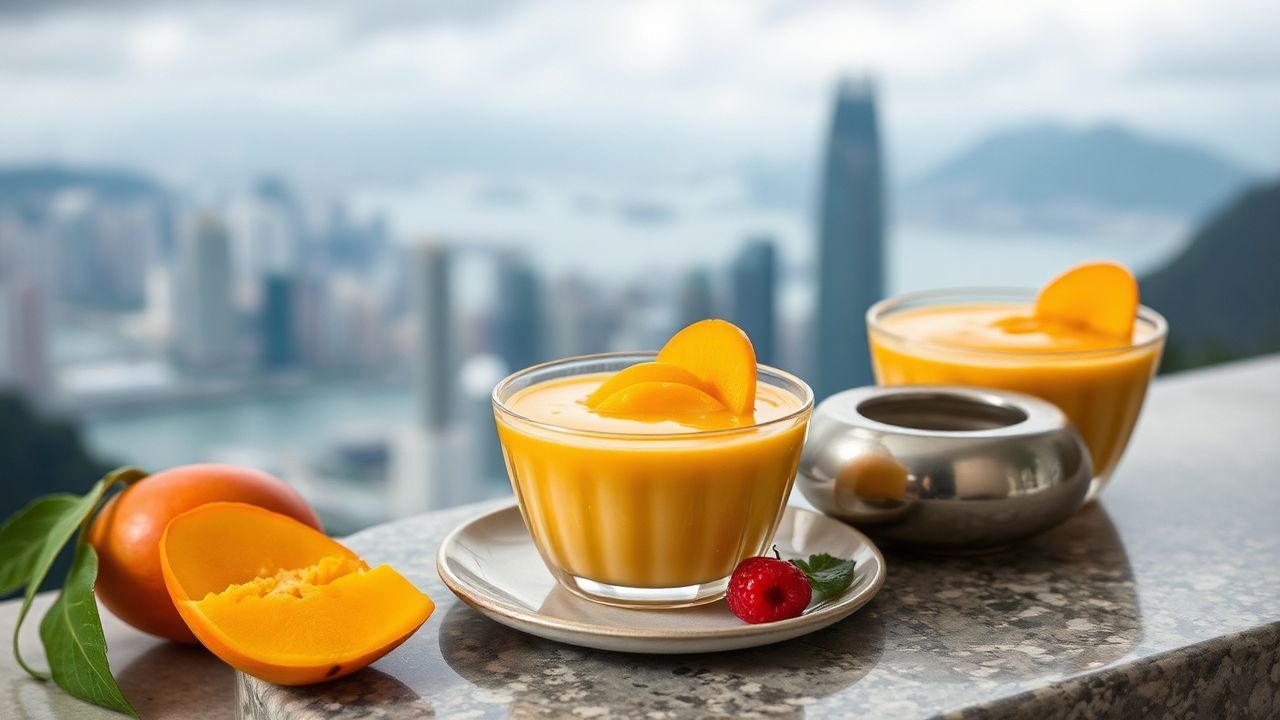
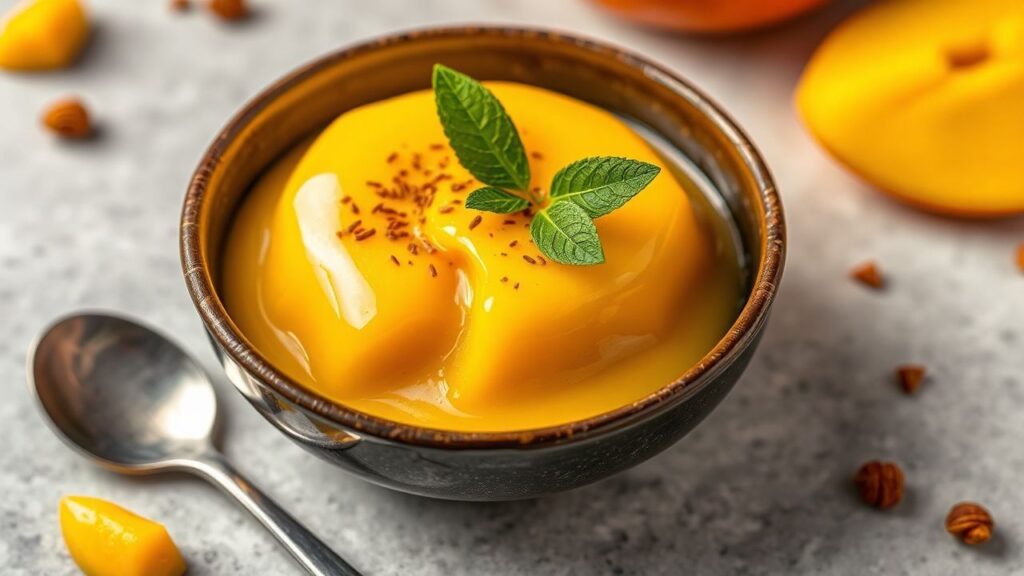
- Presentation: Garnish with reserved mango slices and mint. For extra shine, add a light drizzle of coconut cream.
Serve cold so the pudding feels silky and refreshing. Use clear glassware if you want guests to see the golden layers.
Crushed pistachios or a few edible flowers add crunch and color, but keep toppings light to preserve the creamy bite.
Tips for Success: Perfect Silky Texture Every Time
Texture quality depends on control, not luck. When you measure gelatin, stir gently, and chill long enough, the pudding holds a stable shape without turning rubbery. These tips help you get repeatable results.
When you improve one variable at a time, you learn what drives changes in firmness and mouthfeel. That approach also saves ingredients.
Pick Ripe Mangoes, Then Blend Smooth
Choose mangoes with strong aroma and a slightly yielding bite. Ripe fruit tastes sweeter and blends more easily, which boosts the dessert’s natural mango flavor.
If mango is too firm, the puree can stay fibrous. If mango is too soft, it can turn watery, which can dilute set strength.
Measure Gelatin and Bloom Properly
Gelatin strength varies slightly by brand. Blooming helps each packet hydrate evenly, which supports a clean set. Blooming also reduces clumping risks during mixing.
If your pudding turns too firm, use slightly less gelatin next time. If it won’t set, increase gelatin or chill longer.
Stir Gently to Avoid Bubbles
Whisk just until smooth. Air bubbles can rise and make tiny craters on top, which harms the “silk” visual. Stir slowly and scrape the bottom of the pan.
After mixing, let the bowl rest briefly. This gives bubbles time to surface before pouring.
Chill Long Enough for a True Wobble
Most home fridges need at least 3 hours for a stable set. If your kitchen runs warm, plan for closer to 4 hours. Cold temperature helps gelatin form a consistent network.
Serve within a day for best gloss and flavor. Over time, fruit enzymes can soften the taste of mango.
Unlocking Flavor Layers: Mango Brightness and Creamy Depth
This pudding tastes best when mango and dairy feel balanced. Mango brings tropical fragrance, but dairy controls richness. Lemon juice supports mango brightness and keeps the overall flavor from tasting heavy.
For deeper aroma, you can add vanilla to the dairy base. Use a light amount so vanilla supports mango rather than replacing it. For general notes on vanilla’s flavor compounds, you can review vanilla.
Small Add-Ins That Still Keep It “Hong Kong”
Try coconut cream as a topping or a thin drizzle. It pairs well with mango and adds a gentle floral tropical note. Keep it subtle so the pudding stays dairy-forward.
Another option is to add a pinch of salt to the dairy. Salt sharpens sweetness and improves perceived fruit flavor without making it taste salty.
Expert Tips for Presentation and Serving
Presentation sets expectations. When you serve Hong Kong mango pudding in clear glassware, guests see the smooth golden tone and the clean edges of the set. That visual quality increases perceived freshness and improves dining pleasure.
Always garnish right before serving. Fresh slices look vibrant, and mint adds a clean aroma that complements mango sweetness.
Make It Photo-Ready
Use a small garnish fan of mango slices. Add mint leaves like small highlights rather than a full pile. Then drizzle coconut cream in thin lines for gloss.
Serve with chilled jasmine tea or a light fruit mocktail to keep flavors aligned. The cool, floral drink echoes mango fragrance without overpowering it.
Pairing and Serving Ideas
For a simple match, serve with iced jasmine tea. The tea’s gentle floral note supports mango aroma and makes the dessert feel even lighter.
If you prefer something sweeter, offer a small fruit drink with low acidity. Keep it mild so the mango pudding remains the star.
| nutrition (Per Serving) | Amount |
|---|---|
| Calories | 285 kcal |
| Protein | 4 g |
| Carbohydrates | 30 g |
| Fat | 17 g |
For more dessert methods that rely on stable chilling and gentle gelling, review custard as a texture reference. For a broader view of dessert history across tea cultures, browse dim sum and related dining traditions.
FAQ
What makes Hong Kong mango pudding taste different from other mango desserts?
Hong Kong mango pudding stands out for its silky, smooth set. Instead of a thick fruit gel or chunky fruit topping, it uses mango puree blended into a dairy base and set with gelatin for a clean wobble. That balance keeps flavor light and creamy at the same time.
The result feels refined because the texture melts smoothly rather than resisting the spoon.
How do I get the signature smooth texture every time?
Start with a smooth mango puree and dissolve gelatin completely after blooming. Then heat the dairy base only until the sugar dissolves, and mix gently to avoid bubbles. Finally, chill long enough for a stable set.
If you want extra insurance, strain the mixture before pouring.
Can I use frozen mango for Hong Kong mango pudding?
Yes, but thaw and drain frozen mango well. Frozen fruit can release extra water, which may soften the set. Blend thoroughly after draining to keep the puree smooth and consistent.
If the mixture seems watery, reduce the added water sources by draining more carefully or chill longer.
What’s the best chilling time for this dessert?
Plan for at least 3 hours. For firmer slices or cleaner unmolding, chill closer to 4 hours. Always refrigerate, not freeze.
Cold temperature helps the gelatin network form and hold the silky wobble.
How long can I store Hong Kong mango pudding?
Store covered in the fridge for up to 1–2 days. Fresh mango flavor stays best in the first day, and texture remains glossy when kept cold.
For best results, garnish right before serving.
See also: Hong Kong mango pudding