
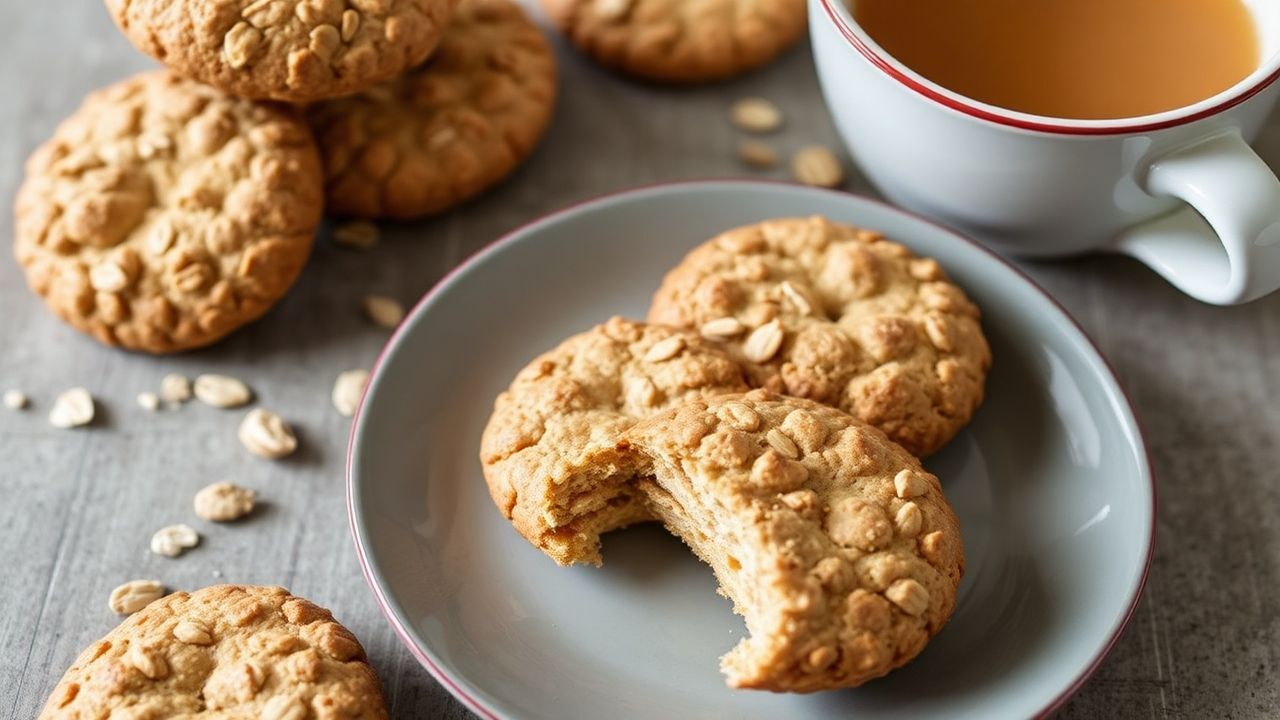
There’s comfort in a simple biscuit—and Hobnobs deliver that British teatime feeling with an oat-forward bite. Beneath the crumbly surface, you’ll find a well-built recipe: rolled oats, golden syrup, and butter work together for crunch with a tender center. If you love the classic oatmeal biscuit experience, you’re in the right place.
- Prep and Cook Time
- Yield
- Difficulty Level
- Ingredients
- Instructions
- Chef’s Notes
- Perfect Pairings and Serving Suggestions
- FAQ
- 1) What exactly is a Hobnob?
- 2) Why are Hobnobs considered a classic?
- 3) What makes the texture of a Hobnob so special?
- 4) Can I make homemade Hobnobs in advance?
- 5) How do I get the best flavor and crunch?
- Concluding Remarks
At a Glance
- Rolled oats drive the signature crunch-chew texture.
- Golden syrup adds depth and a caramel-like sweetness.
- Cooling time improves crispness as the biscuits set.
- Pair Hobnobs with tea, coffee, or spoon into yogurt parfaits.
In Hobnobs Unwrapped: The Oatmeal Biscuit Classic Explained, the goal is simple: help you understand what makes this biscuit work, then bake it at home with confidence. You’ll learn how ingredient choices affect spread, crunch, and flavor. You’ll also get serving ideas that keep the oat character front and center.
The oatmeal biscuit style isn’t just a flavor trend; oats bring fiber and a distinct grainy mouthfeel. For background on the food that powers the texture, see oats.
One more reason Hobnobs feel familiar: the recipe balances sweetness and structure. Butter contributes fat for tenderness, while syrup provides moisture and sweetness. When combined with flour and baking soda, the dough bakes into a crisp cookie with a satisfying bite. For the science of baking lift and browning, review baking soda.
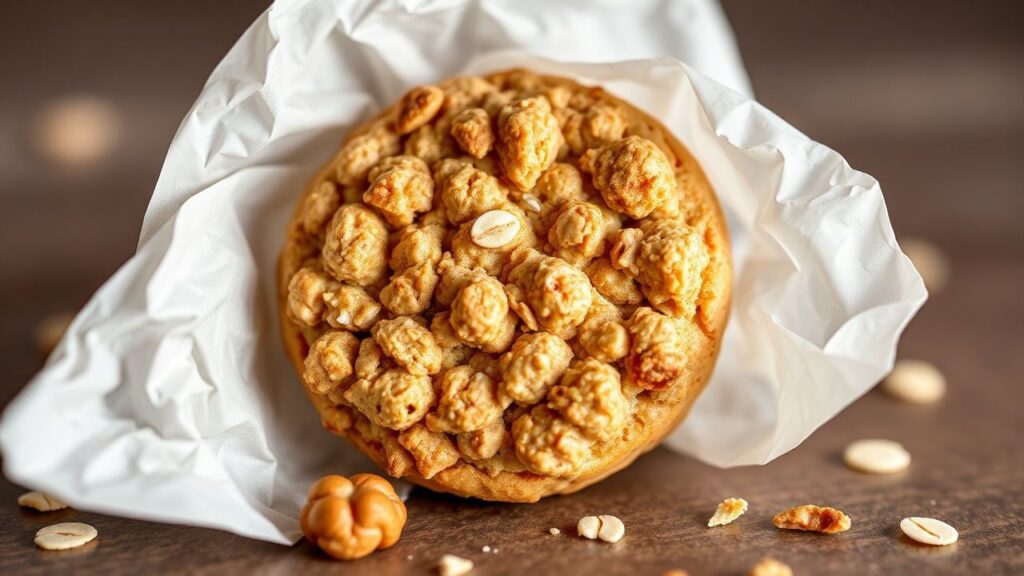
Hobnobs Unwrapped: The Oatmeal Biscuit Classic Explained reveals what’s behind the texture people remember. This biscuit uses a straightforward method, but the details matter. Rolled oats keep the bite lively, and golden syrup helps the cookies caramelize while staying satisfyingly chewy at the center.
The typical profile comes from combining rolled oats, brown sugar, butter, and syrup. Rolled oats resist turning to flour during mixing, so they stay textured. If you want a deeper look at how grains contribute to baking structure, read whole grain.
Hobnobs also rely on consistent dough thickness and proper spacing on the tray. Spread affects crispness, and thickness affects bite. Aim for even shaping, because uneven dough bakes unevenly.
Prep and Cook Time
Preparation: 15 minutes
Cooking: 12 minutes
Total Time: 27 minutes, plus cooling. Cooling counts for crispness, because steam escapes and the crumb firms up as the biscuits set.
Keep your oven steady at 180°C (350°F). If your oven runs hot, reduce by 5–10°C to avoid over-browning.
Yield
Approximately 24 classic Hobnob biscuits, depending on how large you shape each cookie.
If you prefer bigger biscuits, you’ll likely get fewer. If you prefer snack-size, bake time stays similar, but check at minute 10.
Difficulty Level
Easy—perfect for bakers of all skill levels.
The method stays forgiving: you mix dry, cream butter and sugar, add syrup, then bake until edges turn golden. You’ll get strong results even on a first attempt.
Ingredients
- 1 cup rolled oats (not instant, for maximum texture)
- 3/4 cup all-purpose flour, sifted
- 1/2 teaspoon baking soda
- 1/4 teaspoon salt
- 125g unsalted butter, softened
- 1/2 cup light brown sugar, packed
- 3 tbsp golden syrup (or light corn syrup as a substitute)
- 2–3 tbsp hot water (to loosen dough if needed)
Use softened butter so it creams smoothly with sugar. If butter stays too cool, the mixture won’t aerate well and the biscuit can bake flatter. For general fat behavior in baking, see butter.
If you can, measure syrup accurately with a spoon. Extra syrup increases spread and can soften the center more than you want.
Instructions
- Preheat your oven to 180°C (350°F). Line two baking sheets with parchment paper or a silicone baking mat.
- Combine dry ingredients: whisk rolled oats, sifted flour, baking soda, and salt until evenly mixed.
- Cream the butter and sugar: beat butter and brown sugar until pale and fluffy, about 3 minutes.
- Incorporate the golden syrup: add syrup and mix until smooth and fragrant.
- Mix wet and dry: add oat-flour mixture gradually. If dough feels stiff or crumbly, add hot water one tablespoon at a time.
- Shape the biscuits: roll dough into balls (about 1.5 inches / 4 cm). Flatten to roughly 5 mm thickness and leave space for spreading.
- Bake: bake 10–12 minutes, until edges turn golden and centers look set.
- Cool completely: cool on trays for 5 minutes, then transfer to a wire rack to finish cooling.
Pay attention to the oven’s browning cues. Golden edges signal enough heat to drive flavor without turning the center dry. If you bake too long, oats can taste dull instead of toasty.
For crispness, let the biscuits cool fully on a rack. Cooling on the hot tray traps steam and can soften the texture.
When you cream butter and sugar, you create small air pockets that help the dough hold shape. That matters for the final crunch. For more on egg-free structure and emulsions, see emulsion.
Chef’s Notes
- Oat Variety: Rolled oats keep the classic crunch-chew bite. Instant oats absorb more moisture and can bake flatter.
- Golden Syrup Alternative: Light corn syrup works as a practical stand-in. Honey changes flavor and browning behavior.
- Butter Tips: Soften butter for consistent creaming. Melted butter can lead to more spread.
- Make-Ahead: Store baked biscuits in an airtight container up to a week. Freeze dough balls for later baking.
- Crunch Customization: Fold in chopped toasted almonds or pecans for extra crunch and nutty depth.
If you want more even baking, rotate trays halfway through. Hot spots differ between ovens, and rotation improves consistency. Keep your rack position mid-oven for stable airflow.
Texture also comes from hydration. Dough that’s too dry crumbles and bakes irregularly. Dough that’s too wet spreads too much. Add water carefully and stop as soon as the dough forms a workable shape.
Perfect Pairings and Serving Suggestions
Hobnobs pair best with beverages that complement caramel and toasted oat notes. Start with a steaming cup of English Breakfast tea for a classic dunking rhythm. Dunk briefly, then lift and let excess tea drip off.
For a no-dunk option, serve with black coffee. Coffee’s bitterness balances syrup sweetness and keeps the biscuit taste clean.
You can also upgrade the serving with toppings that match the biscuit texture. A thin layer of dark chocolate adds a snap, while peanut butter increases richness. For nutrition context on nuts and fats, see nuts.
If you want a quicker dessert, crumble Hobnobs over yogurt and fresh berries. The oats stay crunchy longer when you add toppings closer to serving time.
For a breakfast bowl, use biscuit crumbs like granola. The flavor stays oat-forward, and the crunch works with both dairy and non-dairy yogurt.
| Nutrient | per Biscuit (Approx.) | Amount |
|---|---|---|
| Calories | 1 biscuit | 95 kcal |
| Protein | 1 biscuit | 1.3 g |
| Carbohydrates | 1 biscuit | 12 g |
| Fat | 1 biscuit | 4.5 g |
Health Benefits and Nutritional Insights: Why Oatmeal Makes a Difference
Oats give this biscuit more than texture. They bring soluble fiber that helps support digestive regularity and supports steadier blood sugar response compared with refined grains for many people.
Beta-glucan is the well-known soluble fiber in oats. It can slow digestion and improve how the body processes glucose. For the science behind this fiber, see beta-glucan.
Oats also add minerals and antioxidants. The key is that you still keep a balanced biscuit recipe: not just fiber, but also fat from butter and sweetness from syrup.
To connect ingredients to broader dietary patterns, review dietary fiber.
Use these biscuits as a treat, not a meal replacement. The best approach is portion awareness. Pair with tea, or serve smaller portions with fruit for a satisfying snack.
FAQ
Hobnobs Unwrapped: The Oatmeal Biscuit Classic Explained – FAQ
1) What exactly is a Hobnob?
A Hobnob is a British-style biscuit known for an oat-rich texture. It’s typically crunchy at the edges with a tender, satisfying center.
2) Why are Hobnobs considered a classic?
They earned classic status through consistency and taste. The oat-and-syrup combination stays recognizable, so generations of biscuit lovers know the flavor profile.
3) What makes the texture of a Hobnob so special?
Rolled oats keep structure while baking, so each bite has chew and crunch. The dough thickness and cooling time then lock in crispness.
4) Can I make homemade Hobnobs in advance?
Yes. Bake a batch and store in an airtight container for up to a week. You can also freeze dough balls, then bake fresh when you want warm, crisp biscuits.
5) How do I get the best flavor and crunch?
Use rolled oats, cream butter and sugar well, and bake until edges turn golden. Cool fully on a rack so steam escapes and the biscuits stay crisp.[/TIP]
Concluding Remarks
Once the biscuits cool, the aroma turns to true oat-toast sweetness. Then the crunch arrives, followed by a tender center that keeps the bite satisfying.
Whether you enjoy Hobnobs straight from the tin or dunk them in tea, you’re tasting a simple recipe done with care. Bake this oatmeal biscuit version at home and you’ll understand why the classic remains popular.
See also: Hobnobs