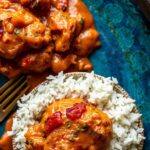

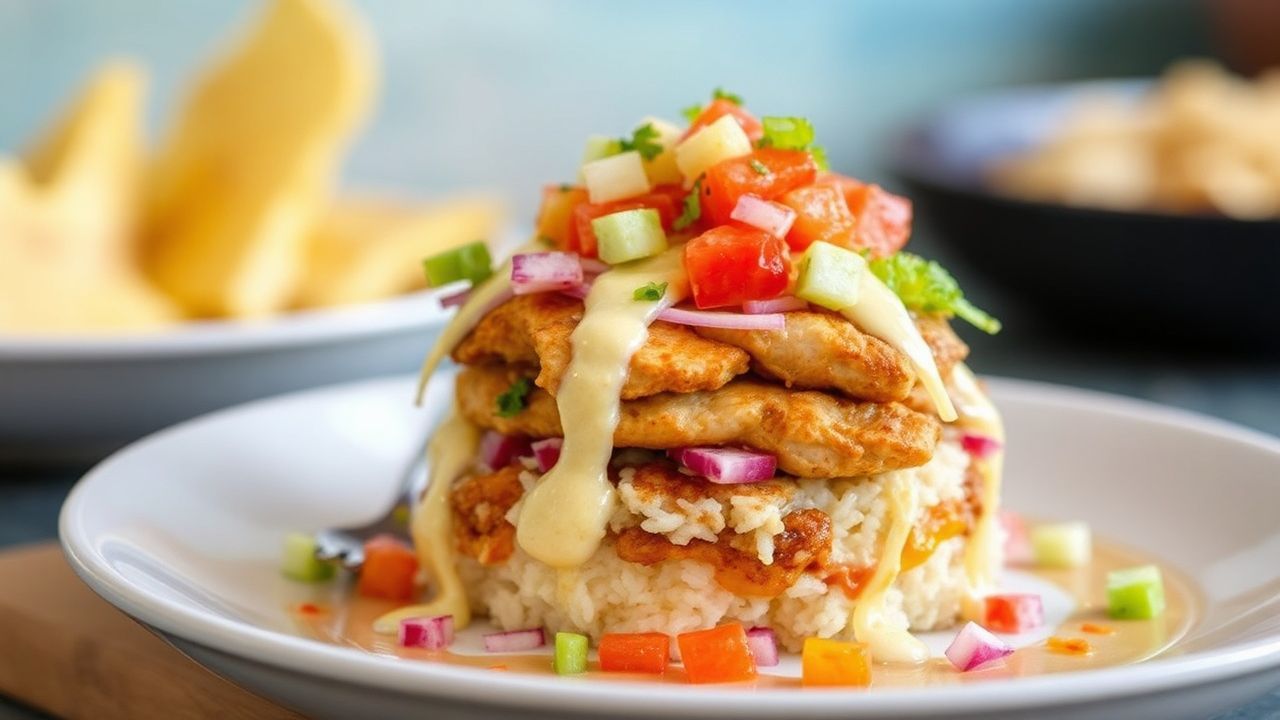
Hawaiian Haystacks deliver big island flavor with simple, build-your-own comfort food. You get fluffy rice, tender chicken, and bright toppings that let each guest customize their plate. This mix of sweet, savory, and crunchy textures is why Hawaiian Haystacks stay popular for weeknights and parties.
- Origins and Cultural Meaning of Hawaiian Haystacks
- Building the Perfect Hawaiian Haystack Base: Rice and Protein Choices
- Tropical Toppings That Elevate the Flavor Profile
- Tips for Customizing and Pairing Hawaiian Haystacks for Every Palate
- Prep and Cook Time
- Yield
- Difficulty Level
- Ingredients
- Instructions
- Chef’s Notes
- Serving Suggestions
- Q&A
- What exactly are Hawaiian Haystacks?
- Are Hawaiian Haystacks a traditional Hawaiian dish?
- What are the signature ingredients in Hawaiian Haystacks?
- Can Hawaiian Haystacks be made vegetarian or vegan?
- How do I keep toppings crisp and fresh?
- In Retrospect
- Build-your-own format: Rice + protein + toppings = easy customization.
- Tropical flavor balance: Pineapple, coconut, and chili-sweet sauces work together.
- Meal-prep friendly: Components store well and reheat with good texture.
- Flexible diet swaps: Use tofu, chickpeas, or gluten-free swaps.
Whether you cook for family or host friends, Hawaiian Haystacks feel festive without complicated steps. You can keep the ingredient list straightforward and still get restaurant-style flavor. In the sections below, you’ll learn where this dinner style comes from, how to build the base, and how to choose toppings.
Origins and Cultural Meaning of Hawaiian Haystacks
Hawaiian Haystacks are not a single ancient Hawaiian recipe. They belong to the broader American tradition of communal, customizable meals where guests build their own plates. That style matches how many island communities share food in group settings.
The “Hawaiian” label comes from the way the meal uses island-inspired flavors like pineapple, coconut, and fresh garnishes. Similar ingredients appear across Pacific food traditions, where tropical produce often shapes flavor. For context on Polynesian food heritage, see Polynesian cuisine.
In mid-century U.S. home cooking, casseroles and family buffets helped busy cooks stretch time and budget. Hawaiian Haystacks fit that pattern because you can prep components ahead and assemble right before eating. The result feels special even when you’re using everyday techniques like grilling and rice simmering.
Because the dish uses familiar cooking methods, it’s easy to adapt for different tastes. You can lean sweeter with more pineapple or go savory-forward with extra soy-based sauces. Either way, the communal build-your-own format stays the heart of the meal.
Building the Perfect Hawaiian Haystack Base: Rice and Protein Choices
The base sets the tone for the whole meal. Start with rice that stays fluffy and absorbs sauce without turning mushy. Many cooks choose jasmine or long-grain white rice for a clean, fragrant backdrop.
For rice fundamentals, it helps to understand typical rice cooking methods. Learn more about rice varieties and general preparation in Rice. The key is using the right water-to-rice ratio and letting the rice rest before serving.
Next, pick a protein that matches your sauce. Grilled chicken works well because it holds texture and pairs naturally with pineapple and soy flavors. If you want a tangy-sweet profile, marinate chicken with pineapple juice and a soy-honey blend, then grill until lightly charred.
If you prefer plant-based Hawaiian Haystacks, tofu or tempeh offers strong structure. Tempeh in particular stays firm and absorbs seasonings well. For a guide to fermented soybean products, visit tempeh.
After cooking, slice the chicken thinly or dice the tofu/tempeh so toppings spread evenly. This small step improves bite consistency across the bowl. Then keep the protein warm while you assemble the rice.
Tropical Toppings That Elevate the Flavor Profile
Toppings bring the tropical identity to Hawaiian Haystacks. Choose at least one sweet element, one crisp element, and one creamy or savory drizzle. When those roles work together, each forkful tastes balanced.
Pineapple chunks add bright sweetness and juicy texture. Coconut flakes add a mild, toasted aroma that fits the island vibe. For a quick reference on pineapple and its use in tropical foods, see pineapple.
For crunch, add shredded cabbage or bean sprouts. Scallions add fresh bite and mild sharpness. Carrots add color and a light sweetness that complements pineapple. These crunchy toppings also keep the rice from feeling heavy.
For creamy or savory depth, consider a drizzle that mimics classic “haystack” sauces. Honey soy or sweet chili sauce can connect sweet and savory flavors in one step. If you use chow mein noodles for crunch, keep them dry and sprinkle just before serving.
To sharpen the flavor, use bright herbs like cilantro. Lime juice can lift the whole bowl, especially when toppings include sweet sauce. If you want to learn more about citrus flavor chemistry, check lime as a general reference.
Finally, assemble with layering in mind. Put rice down first, add protein, then pile toppings high. Finish with crispy elements last so they keep their crunch.
Tips for Customizing and Pairing Hawaiian Haystacks for Every Palate
Customization is the reason Hawaiian Haystacks succeed for both picky eaters and adventurous guests. Offer mild toppings first, then add optional heat for people who want it. This keeps the table balanced and reduces waste.
If you want a lighter meal, swap cauliflower rice for some of the white rice. If you want richer flavor, keep white rice and add creamy toppings like avocado. You can also increase protein portion sizes for a more filling dinner.
For spice lovers, include pickled jalapeños or a sriracha-based drizzle. For gluten-free diners, use tamari instead of soy sauce and choose gluten-free crunchy toppings. If you want a reliable overview of soy products, see soy sauce.
Pairing also boosts satisfaction. Serve with a chilled pineapple agua fresca, iced tea, or coconut water for a refreshing, tropical match. For dessert, fruit-forward options like mango sorbet balance the savory-sweet bowl.
If you’re planning a dinner party, set up toppings in labeled bowls. Guests can build their own Hawaiian Haystacks, and the buffet format keeps lines short. That approach also improves food safety because cooked protein stays hot while cold toppings remain cold.
Prep and Cook Time
These Hawaiian Haystacks focus on practical timing. You can get everything ready quickly, then cook in a steady flow. With efficient prep, the dinner works well on busy nights.
- Preparation: 20 minutes
- Cooking: 30 minutes
- Total Time: 50 minutes
Yield
This recipe makes enough for a group meal. It’s ideal for family dinners where people can customize their bowls. Adjust portions easily if you have more guests.
Serves: 6
Difficulty Level
Hawaiian Haystacks are beginner-friendly. You don’t need complex pastry skills or advanced sauces. You just need good rice, well-seasoned protein, and fresh toppings.
Difficulty: Easy
Ingredients
Use fresh produce when possible for brighter flavor and better texture. If you’re short on time, pre-shredded cabbage and bagged pineapple alternatives can help. Keep sauces ready so assembly stays smooth.
- 2 cups jasmine rice, rinsed and drained
- 3 cups water (for cooking rice)
- 1 ½ lbs boneless, skinless chicken breast
- ½ cup pineapple juice (for marinade)
- 2 tbsp soy sauce
- 1 tbsp honey
- 1 tsp sesame oil
- 1 cup fresh pineapple chunks
- 1 cup shredded cabbage
- ½ cup shredded carrots
- ½ cup sliced scallions
- ½ cup toasted coconut flakes
- 1 cup chow mein noodles
- 1 tbsp fresh cilantro, chopped (optional)
- Sweet chili sauce or honey soy glaze, for drizzling
- Salt and pepper, to taste
Instructions
Follow the steps in order so each component hits the table at the right temperature. Warm rice and warm protein help toppings taste better and smell fresher. Cold toppings also keep their crunch.
- Prepare the rice: In a medium saucepan, bring 3 cups water to a boil. Add jasmine rice with a pinch of salt. Reduce heat to low, cover, and simmer for about 15 minutes. Remove from heat and let stand, covered, for 5 minutes.
- Marinate the chicken: Whisk pineapple juice, soy sauce, honey, and sesame oil in a bowl. Add chicken and refrigerate for at least 20 minutes, covered.
- Cook the chicken: Heat a grill pan or skillet over medium-high heat. Grill or sear until cooked through and lightly charred, about 6–7 minutes per side. Rest 5 minutes, then slice thin.
- Prep toppings: Rinse and prepare cabbage, carrots, scallions, pineapple chunks, and cilantro. Toast coconut flakes in a dry skillet over medium heat for about 2 minutes until fragrant.
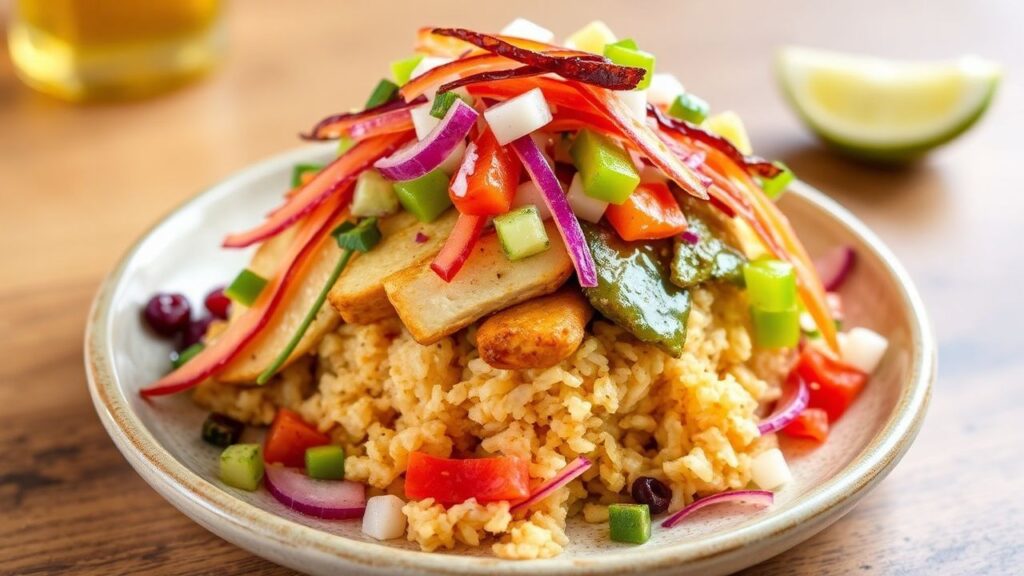
- Build the haystacks: Spoon warm rice into bowls. Layer chicken on top, then pile cabbage, carrots, pineapple, scallions, and coconut.
- Add crunch and drizzle: Sprinkle chow mein noodles on top. Drizzle sweet chili sauce or honey soy glaze to taste.
- Serve: Serve immediately so the textures stay crisp.
Chef’s Notes
Small adjustments can change the whole flavor profile of Hawaiian Haystacks. Use these notes to fit dietary needs and personal preferences. Keep each swap simple so the dish stays cohesive.
- Make it vegetarian: Swap chicken for marinated tofu or tempeh. Pan-sear until golden for best texture.
- Cook ahead: Rice and protein can be prepared up to a day ahead. Store separately and reheat gently before assembling.
- Add more zip: Add lime wedges or a sprinkle of toasted sesame seeds for brightness.
- Balance flavors: If toppings taste too sweet or salty, add a small splash of rice vinegar or a pinch of chili flakes.
- Keep it crunchy: Add crunchy toppings last to protect texture.
For a broader view of grilling science and how char affects flavor, see grilling. That knowledge helps you decide when to pull chicken for the best balance of sear and juiciness.
Serving Suggestions
Serve Hawaiian Haystacks in wide, shallow bowls. The broad surface makes it easier for guests to add toppings and mix their bites. It also highlights the colorful layers that make the dish fun.
Garnish with extra scallions and cilantro. Pair with chilled cucumber salad or quick pickled mango to cut through the richness of rice and savory sauces. For dessert, coconut macaroons or tropical fruit salad fit the theme.
For more ideas on tropical cooking techniques, use trusted guides such as tropical cuisine. You’ll get more flavor patterns you can apply to weeknight meals.
Q&A
This Q&A covers common questions people ask before making Hawaiian Haystacks. Use the answers to avoid texture issues and to tailor the meal for dietary needs. If you want consistent results, focus on rice texture, sauce balance, and timing for crunchy toppings.
What exactly are Hawaiian Haystacks?
Hawaiian Haystacks are a build-your-own dinner bowl. You start with warm white rice, add a seasoned protein, and top with a mix of tropical and crunchy ingredients. Guests assemble to taste, which makes the meal flexible.
Are Hawaiian Haystacks a traditional Hawaiian dish?
Not in the strict sense. Hawaiian Haystacks are an American home-dining style that uses island-inspired flavors. They borrow ideas from communal meals and tropical ingredient combinations rather than claiming one single origin story.
What are the signature ingredients in Hawaiian Haystacks?
Common signature items include fluffy rice, grilled chicken (or a plant-based substitute), pineapple, coconut flakes, scallions, and crunchy chow mein noodles. Sweet chili sauce or honey soy glaze often ties the flavors together.
Can Hawaiian Haystacks be made vegetarian or vegan?
Yes. Replace chicken with seasoned tofu, tempeh, or chickpeas. Also swap dairy-based or non-vegan sauces for plant-friendly versions so the flavor stays cohesive.
How do I keep toppings crisp and fresh?
Store components separately and assemble right before serving. Add crunchy chow mein noodles at the end so moisture from rice and sauce doesn’t soften them. This keeps every bite crisp and satisfying.
In Retrospect
Hawaiian Haystacks bring island-style flavor to an everyday dinner format. With warm rice, well-seasoned protein, and bright toppings, each bowl delivers sweet, savory, creamy, and crunchy contrast.
When you build the meal with a little planning—good rice texture, balanced sauce, and last-minute crunch—you create a dinner that feels special. Keep it flexible, serve it family-style, and enjoy a tropical table at home.
See also: Hawaiian Haystacks