

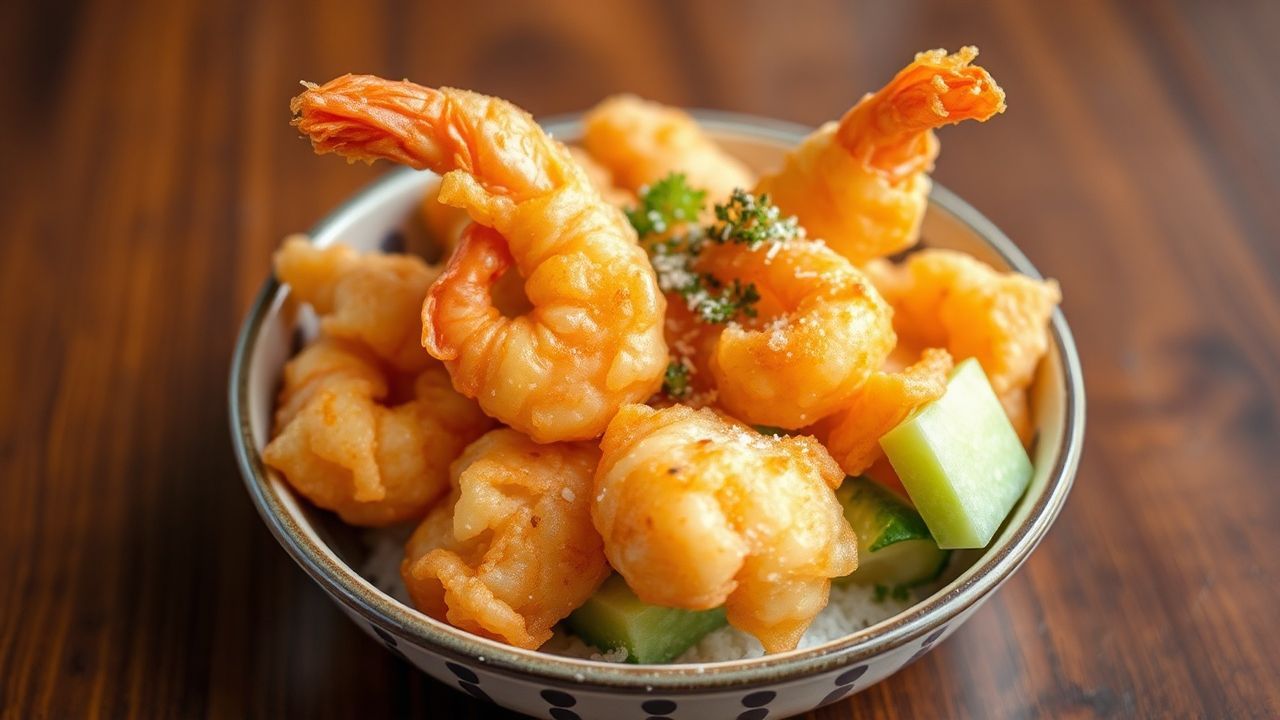
Crispy Shrimp & Veggie Tempura Recipe: Golden Crunch in Minutes
Crispy Shrimp & Veggie Tempura delivers a signature light, crackly crunch with a tender center. This Japanese technique depends on cold batter, hot oil, and quick frying, so the coating stays airy instead of greasy. Follow the steps below to get that golden, shatter-like texture every batch.
- Prep and Cook Time
- Yield
- Difficulty Level
- Ingredients
- Choosing the Perfect Shrimp and Vegetables for Ultimate Crispiness
- Mastering the Tempura Batter for That irresistible Golden Crunch
- Essential Techniques for Frying Tempura to Perfection
- Serving suggestions and Dipping Sauces to Elevate Your Tempura Experience
- Instructions
- Tips for Success
- Nutritional Data (per serving)
- Q&A
- What makes tempura batter so irresistibly crispy and light?
- Which vegetables work best for tempura?
- How do I keep tempura from becoming soggy once it’s out of the oil?
- Can I make tempura batter ahead of time?
- Why does my tempura taste greasy?
- Closing Remarks
At a Glance
- Cold batter + hot oil makes the crust puff and stay crisp.
- Mix gently—a few small lumps prevent tough gluten development.
- Fry in small batches to keep oil temperature stable.
- Drain on a rack to reduce steam and sogginess.
Prep and Cook Time
Plan for 20 minutes of prep and 15 minutes of cooking. Total time lands at about 35 minutes, depending on your vegetable cuts and frying setup.
If this is your first attempt, start with a smaller batch. Then you can learn your oil behavior and batter flow before scaling up.
Yield
This recipe serves 4 as an appetizer. It also serves 2 as a main course with rice and a simple salad.
For parties, you can double the batch. Just keep frying batches small so the crust stays crisp.
Difficulty Level
Difficulty: Medium. You do not need special skills, but you do need control over batter thickness and oil temperature.
Use a thermometer. Tempura batter reacts quickly to temperature shifts, so accuracy improves texture fast.
Ingredients
Gather ingredients before you heat oil. Tempura moves fast, and cold batter matters most right before frying.
Use fresh shrimp and firm vegetables for the best bite and best moisture control.
- Shrimp: 12 large, deveined, tails on
- Vegetables: 1 small sweet potato, peeled and thinly sliced; 1 cup green beans, trimmed; 1 red bell pepper, thinly sliced; 6 shiitake mushrooms, stems removed
- Tempura batter: 1 cup ice-cold water
- 1 large egg
- 1 cup all-purpose flour, sifted
- ½ cup cornstarch
- 1 teaspoon baking powder
- 1 teaspoon sea salt
- Oil for deep frying: 4 cups vegetable or canola oil
- Dipping sauce: ½ cup dashi broth, 2 tablespoons soy sauce, 1 tablespoon mirin, 1 teaspoon grated ginger
Choosing the Perfect Shrimp and Vegetables for Ultimate Crispiness
The foundation of great tempura starts with the right ingredients. Choose shrimp that stay firm during frying, and choose vegetables that hold their shape.
For shrimp, pick plump pieces and pat them dry. For vegetables, cut uniform slices so they cook evenly and develop a consistent crust. If you want more on vegetable moisture and structure, see vegetable and how water content affects texture.
Also focus on dryness. Moist surfaces create steam, which can soften batter. That steam effect links directly to why crisp coatings lose crunch when water escapes too slowly—oil frying and evaporation timing both matter.
For more on seafood handling basics, use seafood guidance as a safety reminder. Then dry thoroughly and keep ingredients chilled until batter time.
Cut size that fries evenly
Thin, even cuts cook at the same rate. That means the exterior turns crisp before the interior overcooks.
Keep sweet potato slices thin. Shiitake mushrooms should be clean and dry on the caps for a clean batter seal.
Mastering the Tempura Batter for That irresistible Golden Crunch
Tempura batter stays light because you mix it sparingly and fry it quickly. Cold water slows batter thickening and helps keep the coating airy.
Use ice-cold water, then add it to a lightly beaten egg. Mix in dry ingredients gently until you just stop seeing dry flour.
Do not overmix. When you overwork batter, gluten can develop and the coating turns chewy. Flour chemistry and dough formation explain why gentle mixing matters—see gluten.
If you want a practical view of starch behavior, cornstarch affects crispness by absorbing moisture and supporting a light crust. Review cornstarch to understand how starch films set during frying.
How to keep batter cold
Set your mixing bowl over a bowl of ice. Then refill your batter bowl as needed without letting it warm up.
Stir the batter lightly between batches. That keeps batter thickness consistent without adding too much air.
Achieving the right batter thickness
Your batter should coat lightly and drip slowly. If it runs like water, add 1–2 tablespoons flour. If it clumps too thickly, add a splash of ice water.
Small adjustments help you avoid patchy coats and uneven frying.
Essential Techniques for Frying Tempura to Perfection
Hot oil drives tempura’s quick crust formation. Aim for 350°F (175°C) and keep it steady with a thermometer.
Oil temperature matters because batter proteins and starches set fast in the heat. For a broader look at frying science, see frying.
Test oil before you start. Drop a small bit of batter into the oil. It should sizzle immediately and rise with bubbles that form a light, fast crust.
Then lower pieces gently with chopsticks or tongs. Let excess batter drip off first for a cleaner shape and more even browning.
Batch size and airflow
Fry in small batches so the oil temperature stays close to target. Crowding cools the oil and reduces crispness.
Also space pieces with room to expand. Tempura batter puffs as it fries.
Doneness cues
Shrimp typically cooks in about 2–3 minutes. It should turn opaque and curl slightly.
Vegetables take longer depending on thickness. Sweet potato slices and mushrooms often need extra time for tenderness and crisp crust formation.
Use a wire rack for drainage. Paper towels absorb oil, but a rack prevents soggy steam buildup beneath the coating.
Serve immediately. Tempura is best within minutes of frying because the crisp shell naturally loses crunch as it cools.
Serving suggestions and Dipping Sauces to Elevate Your Tempura Experience
Serve Crispy Shrimp & Veggie Tempura right away. Place pieces on a rack or platter so airflow keeps the crust crisp as long as possible.
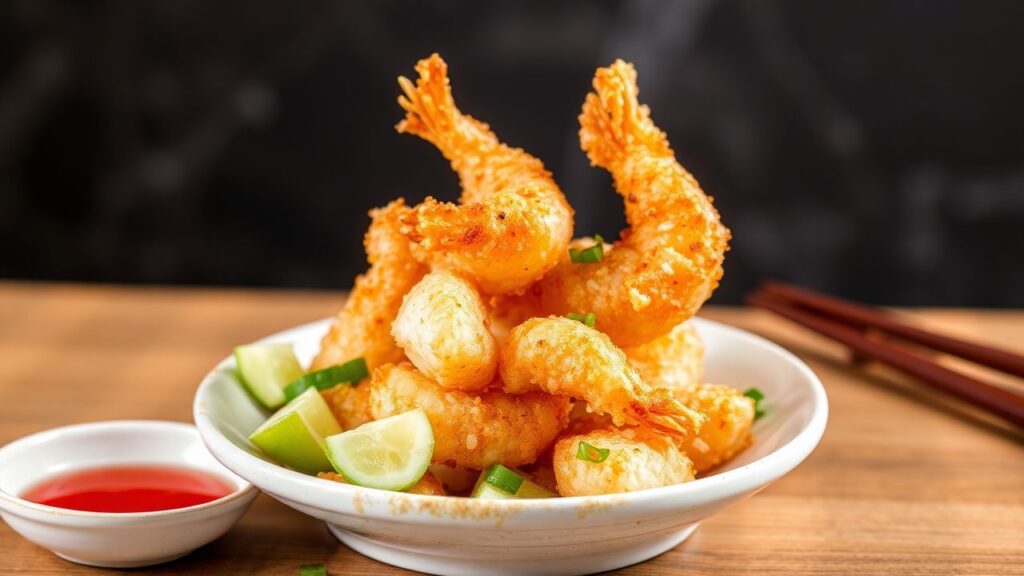
Garnish with lemon wedges, finely shredded daikon, or sliced scallions. Bright acidity lifts the fried notes and sharpens flavor contrast.
The classic dipping sauce balances umami and sweetness. Warm dashi broth with soy sauce, mirin, and grated ginger creates that light, savory pull that pairs with tempura’s airy crust. If you want background on dashi, explore dashi.
For soy sauce and fermentation basics, see soy sauce. You can also try ponzu for citrus brightness using the same dipping concept.
If you prefer a bolder dip, use a spicy mayo side. Keep it separate from the classic sauce so guests can choose their heat level.
Pair tempura with steamed rice and a simple salad. The freshness balances the richness of fried batter.
Instructions
Follow this order for the best results. Prep all ingredients first, then heat oil, then mix batter, then fry in sequence.
Work quickly once batter meets hot oil. Small delays can warm batter and reduce crispness.
- Prepare ingredients: Rinse shrimp and pat dry. Peel and slice vegetables into uniform, thin pieces.
- Make the batter: In a chilled bowl, lightly beat the egg with ice-cold water. In another bowl, combine sifted flour, cornstarch, baking powder, and sea salt. Gently fold dry mix into egg mixture just until combined. Keep batter slightly lumpy and cold.
- Heat oil: Preheat oil to 350°F (175°C) in a deep pot. Monitor with a thermometer.
- Fry tempura: Dip shrimp and vegetables into batter. Let excess drip off, then fry in batches for about 2–4 minutes until crisp and golden. Turn pieces as needed.
- Drain: Remove with a slotted spoon and drain on a wire rack (or paper towels if you must). Serve quickly.
- Prepare dipping sauce: Warm dashi, soy sauce, mirin, and grated ginger for about 2 minutes. Serve warm.
- Plate and garnish: Arrange tempura attractively with lemon wedges and scallions. Serve immediately for best crunch.
Tips for Success
Small adjustments make a big difference. Temperature, dryness, and gentle mixing drive most outcomes in tempura.
Use these tips as a checklist during your next attempt.
- Keep all batter ingredients chilled and mix just before frying to preserve the light texture.
- Maintain oil temperature between 340°F and 360°F to avoid greasy or under-crisp results.
- Dry shrimp and vegetables thoroughly to reduce splatter and sogginess.
- For gluten-free variation, use a trusted gluten-free tempura-style flour blend that includes starches for crisp coating.
- Make dipping sauce in advance, then rewarm gently before serving.
- Strain and cool used oil only if it stays fresh-smelling and clear. Replace oil if it darkens or smells off.
Nutritional Data (per serving)
This is an estimate based on the given ingredient amounts and typical absorption from deep frying. Actual values vary by oil temperature and batch size.
For a quick reference, use the table below for planning your meal.
| Calories | Protein | Carbs | Fat |
|---|---|---|---|
| 320 kcal | 22 g | 28 g | 14 g |
Looking for broader Japanese cooking context? Read about Japanese cuisine to see where tempura fits within the flavor and texture traditions.
You can also explore tempura for historical and technique background that supports better cooking decisions.
Q&A
Tempura feels simple, but details matter. Use these answers to fix common issues fast and get better crunch with each batch.
If you try one change, prioritize oil temperature and gentle batter mixing. Those two factors shape crispness the most.
What makes tempura batter so irresistibly crispy and light?
Cold water and gentle mixing prevent heavy batter formation. Quick frying sets a thin crust that turns crisp before the coating becomes soggy or doughy.
Keeping lumps in the batter helps because it reduces gluten development and creates a lighter, crackly texture.
Which vegetables work best for tempura?
Choose vegetables with firm texture and moderate moisture. Green beans, bell pepper, shiitake mushrooms, and thin sweet potato slices fry well.
Cut them consistently so they finish at the same time. That keeps the crust even across the plate.
How do I keep tempura from becoming soggy once it’s out of the oil?
Drain tempura on a wire rack to let steam escape. Avoid stacking pieces immediately, because trapped steam softens the coating.
Serve right away. Crispness fades as the batter cools, even when you store it correctly.
Can I make tempura batter ahead of time?
For best texture, mix batter right before frying. Batter warms quickly, and warmed batter often loses lightness.
You can prep shrimp and cut vegetables ahead, then refrigerate them. Mix batter when oil reaches temperature.
Why does my tempura taste greasy?
Greasy tempura usually comes from oil temperature that runs low or from frying too long. Low heat allows batter to absorb more oil.
Fry in small batches and monitor temperature closely. Also drain on a rack to reduce excess oil on the crust.
Closing Remarks
When you nail the essentials—cold batter, hot oil, and quick frying—Crispy Shrimp & Veggie Tempura tastes like a perfect balance of crunch and tenderness. Each bite should feel crisp on the outside and lightly moist inside.
Make it your own by adjusting vegetable cuts, tuning the dipping sauce, and refining your oil control. With one solid batch, you’ll understand the method well enough to repeat it with confidence.
So set up your ingredients, heat the oil, and fry with purpose. Every golden piece reflects careful timing and simple technique—nothing more complicated than doing each step right.
To explore additional Japanese cooking foundations, use Japanese cuisine as your reference for flavor balance and technique choices.
See also: Crispy Shrimp