

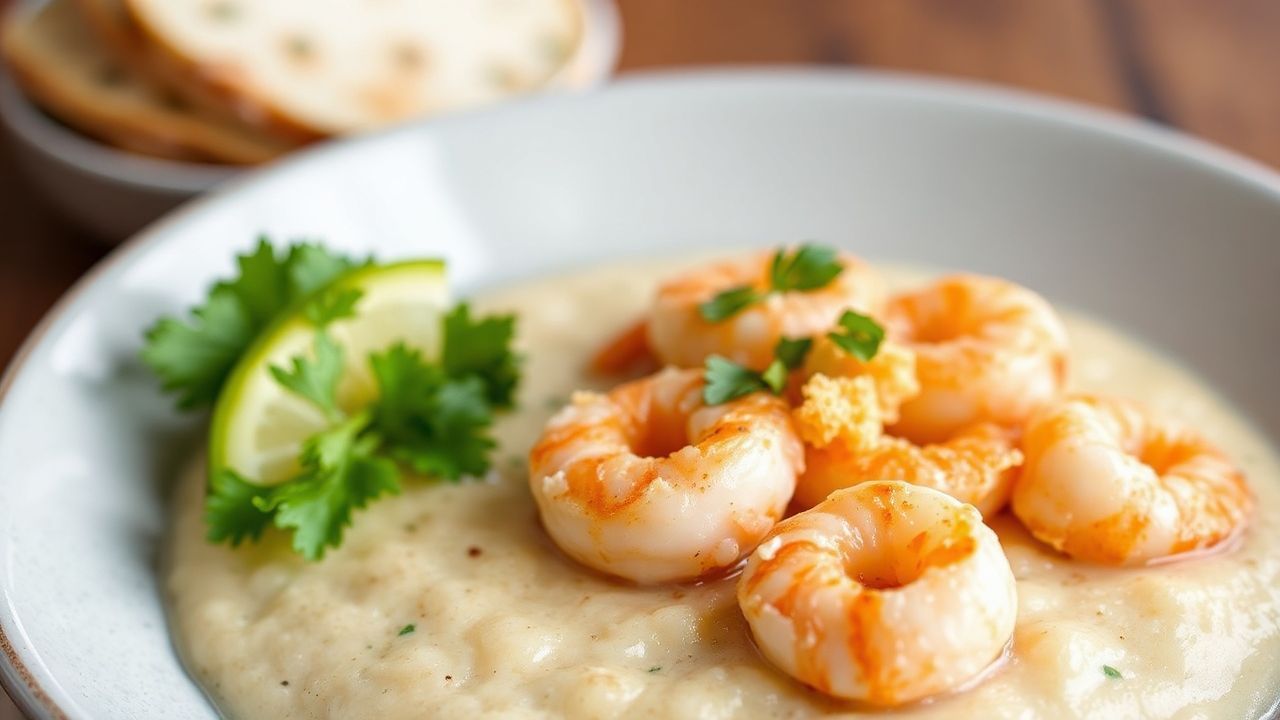
Few meals feel as welcoming as shrimp and grits. Creamy, buttery grits meet tender shrimp in a savory sauce, and the result tastes like Southern hospitality on a spoon.
- Why Shrimp and Grits Work (and Taste Like Home)
- Prep and Cook Time, Yield, and Difficulty
- Ingredients for Creamy Shrimp and Grits
- Instructions: Make Creamy Grits and Perfect Shrimp
- Tips for Success (Creaminess, Timing, and Flavor Control)
- Serving Suggestions and Pairings
- FAQ: Shrimp and Grits Questions, Answered
This dish grew from coastal cooking traditions in the American South, where seafood was common and grits offered a filling, affordable base. Today, cooks treat it as both a weeknight favorite and a comfort-food showpiece.
At a Glance
- Use stone-ground grits for true creaminess and structure.
- Cook shrimp fast so it stays juicy, not rubbery.
- Build flavor in layers with aromatics, spices, and a little lemon.
- Finish with cheddar and butter for a smooth, velvety texture.
Creamy Shrimp and Grits: Southern Comfort Classic pairs simple ingredients with smart technique. Stone-ground grits turn creamy when you give them heat, moisture, and steady stirring. Meanwhile, shrimp stays sweet when you sauté it briefly and season it at the right moment.
The sauce brings everything together. A quick sauté of onion and garlic, plus spices like smoked paprika and a pinch of heat, creates depth without overpowering the seafood. A squeeze of lemon also lifts the whole plate and keeps the dish from tasting heavy.
Why Shrimp and Grits Work (and Taste Like Home)
Shrimp and grits balances three core flavors: creamy starch, briny seafood, and savory seasoning. That balance makes the dish feel comforting while still tasting bright and fresh.
Grits come from ground corn, so their mild sweetness supports bold seasoning. Corn is also the reason grits pair well with butter, dairy, and smoky spices. For background on corn as a food staple, see corn.
Shrimp adds natural sweetness and a clean ocean note. When you cook shrimp just until opaque, you protect that texture and keep the flavor focused. If you want more on seafood handling and quality, review seafood.
Prep and Cook Time, Yield, and Difficulty
Plan your schedule first, so the grits stay hot and the shrimp lands on the table at peak tenderness. The recipe moves fast near the end, which is where good timing matters.
- Preparation: 15 minutes
- Cooking: 25 minutes
- Total Time: 40 minutes
Yield: Serves 4 hungry guests.
Difficulty level: Medium. Home cooks can nail this with steady stirring and short sauté times.
Ingredients for Creamy Shrimp and Grits
Choose ingredients that help you reach a creamy, cohesive texture. Stone-ground grits, full-fat dairy, and sharp cheese build richness and body.
For the shrimp, use large shrimp so you get a firm bite and less overcooking risk. If you need a quick guide to safe cooking targets, you can use general seafood guidance from seafood safety.
- 1 cup stone-ground grits (yellow for richer color)
- 4 cups low-sodium chicken or vegetable broth
- 1 cup whole milk
- 3 tablespoons unsalted butter
- 1 cup sharp white cheddar cheese, shredded
- 1 lb large shrimp, peeled and deveined
- 2 tablespoons olive oil
- 1 small onion, finely diced
- 3 cloves garlic, minced
- 1 teaspoon smoked paprika
- ½ teaspoon cayenne pepper (adjust to taste)
- Salt and freshly ground black pepper, to taste
- 2 tablespoons fresh lemon juice
- 2 tablespoons chopped fresh parsley, for garnish
- Optional: 1 cup sliced cherry tomatoes
Instructions: Make Creamy Grits and Perfect Shrimp
Follow the steps in order. First you cook the grits until thick and tender. Then you build the shrimp sauce while the grits stay warm and creamy.
Keep your heat level steady. Low-to-medium heat helps grits soften evenly, while quick sauté heat cooks shrimp without drying it out. You can also cross-check basic corn-cooking science in maize to understand why grinding size matters for texture.
- Prepare the grits: In a medium pot, combine broth and milk. Bring to a gentle boil over medium heat. Whisk in the grits slowly, then reduce to low and simmer 20–25 minutes, stirring often to prevent lumps.
- Enrich the grits: Turn off the heat. Stir in butter and shredded cheddar until fully melted and smooth. Season with salt and black pepper. Cover to hold warmth.
- Sauté aromatics: While the grits cook, heat olive oil in a large skillet over medium heat. Add diced onion and cook 3–4 minutes until translucent. Stir in garlic, smoked paprika, and cayenne, cooking about 30 seconds until fragrant.
- Cook the shrimp: Add shrimp in a single layer. Season with salt and pepper. Cook 2–3 minutes per side until pink and opaque. Stir in lemon juice and tomatoes (if using) and cook 1 minute so flavors blend.
- Combine and serve: Spoon creamy grits into shallow bowls. Top with the spiced shrimp mixture. Garnish with parsley and serve with extra lemon if you like.
For best flavor, stir aromatics long enough to wake up spices, but not so long that garlic tastes harsh. Then finish shrimp promptly so it stays tender. A squeeze of lemon should hit right before serving, because citrus brightness fades when it simmers too long.
Tips for Success (Creaminess, Timing, and Flavor Control)
Small technique changes make a big difference with this dish. If you rush the grits, you get texture problems. If you overcook shrimp, you lose sweetness.
For flavorful consistency, taste at each stage. Taste grits before you add cheese so you can adjust salt. Taste the shrimp mixture after lemon so you can balance heat and acidity.
- Choosing the perfect grits: Stone-ground grits give you creamy structure. Quick-cooking grits can taste thinner because they lose some texture during processing.
- Maximizing shrimp flavor: Large shrimp hold up best to sautéing. Season lightly before cooking so salt spreads evenly.
- Creamy texture tricks: Cook the grits until tender, then finish off-heat with butter and cheddar for a smooth melt.
- Make ahead & storing: Rewarm grits with a splash of milk. Cook shrimp fresh for the best texture.
- Variations: Swap cheddar for pepper jack for heat, or add a small pinch of smoked hot sauce for extra depth.
If your grits thicken while waiting, loosen them with warm milk or broth. Add slowly and stir until the texture returns. This step prevents dry, clumpy grits that don’t coat the spoon.
Serving Suggestions and Pairings
Serve shrimp and grits hot, with garnishes that add contrast. Fresh herbs, black pepper, and lemon brightness keep the dish lively.
A simple side also helps. A crisp salad with tangy vinaigrette cuts through butter and cheese. For a classic Southern pairing idea, consider the general comfort-food tradition behind Southern United States cuisine.
For texture, cornbread or artisan bread works well. The bread scoops up extra shrimp sauce, so no flavor gets wasted. If you prefer a lighter plate, add roasted vegetables with a little olive oil and salt.
Quick plating idea: Spoon grits first, then pile shrimp on top. Finish with parsley and a small lemon wedge for quick aroma and fresh taste.
| Nutrient | Per Serving |
|---|---|
| Calories | 450 kcal |
| Protein | 30 g |
| Carbohydrates | 40 g |
| Fat | 15 g |
To build more visual appeal, add optional tomatoes for color and a glossy finish. A final drizzle of pan juices makes the topping look restaurant-ready and helps the flavors cling to each bite.
FAQ: Shrimp and Grits Questions, Answered
These answers cover the most common issues people face with creamy grits and tender shrimp. Use them to troubleshoot texture, flavor, and timing.
For additional kitchen fundamentals like heat control and ingredient behavior, you can review cooking basics and apply the same principles here.
1) What makes grits creamy instead of gritty?
Creativity comes from time and particle size. Cook grits long enough for tenderness, then finish off-heat with butter and cheese so they melt into a smooth texture.
2) How do I keep shrimp from overcooking?
Cook shrimp until pink and opaque, then stop. The skillet keeps cooking for a few moments, so pull shrimp right when it looks done.
3) Can I use instant grits for this recipe?
You can, but the texture may differ. Instant grits often cook quickly and can taste less creamy and less “chewy” than stone-ground grits.
4) Can I make the grits ahead?
Yes. Store grits covered, then rewarm gently with a splash of warm milk or broth. Cook shrimp fresh for the best bite.
5) How can I make the dish less spicy?
Lower cayenne and smoked paprika, then add lemon to keep flavors bright. Taste as you go so heat stays balanced with salt and acidity.
See also: shrimp and grits