
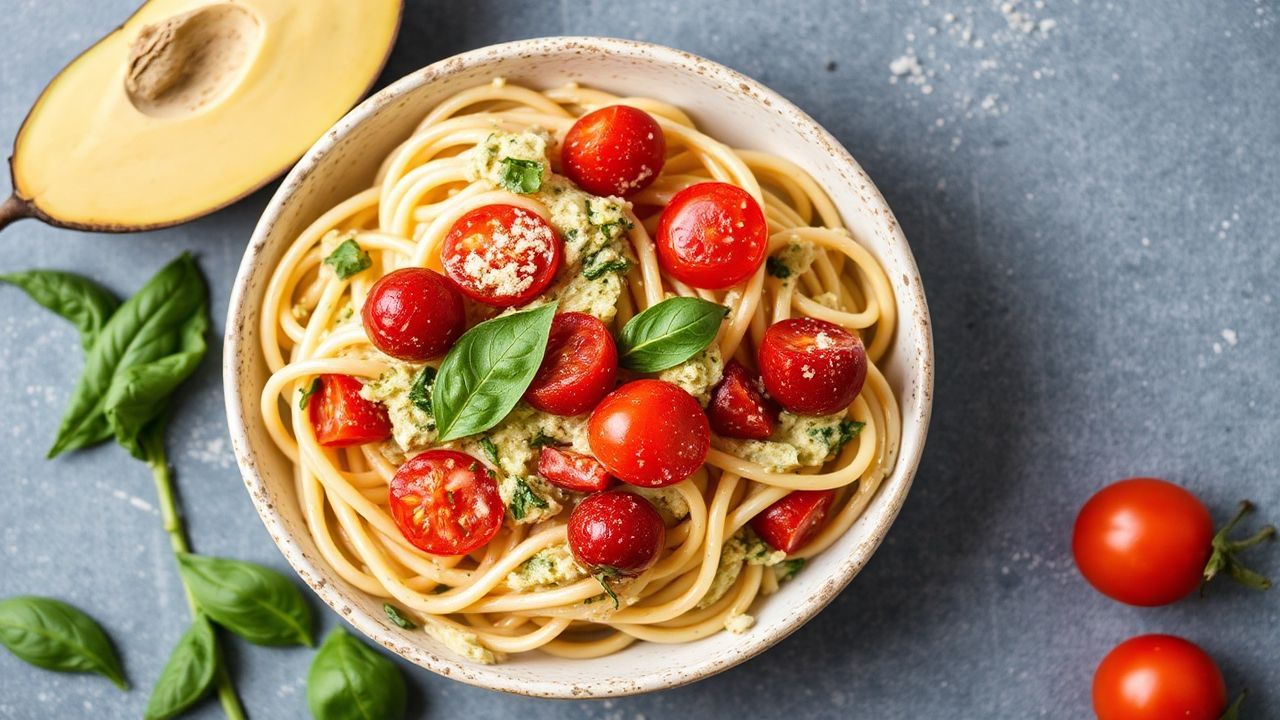
Nothing feels more comforting than warm pasta with a sauce that clings to every bite. This creamy pesto pasta brings classic basil pesto into a smoother, richer form. Then cherry tomatoes add fresh sweetness and a bright pop of flavor.
- Why Creamy Pesto Pasta with Cherry Tomatoes Works
- Ingredients for Creamy Pesto Pasta (Balanced and Simple)
- Prep and Cook Time
- Step-by-Step Instructions (One-Skillet Finish)
- Tips for Success (Creamy Texture and Bright Flavor)
- Choose basil and tomatoes that taste strong
- Toast pine nuts carefully
- Adjust creaminess without losing pesto flavor
- Pairing Suggestions and Serving Tips
- Nutrition Snapshot (Per Serving)
- Q&A
- What makes creamy pesto pasta different from traditional pesto pasta?
- Can I use any pasta shape for this dish?
- How do I keep the sauce creamy without overpowering the pesto?
- How should I prepare the cherry tomatoes?
- Can this recipe be vegan or dairy-free?
- Closing Remarks
At a Glance
- Silky texture: Reserve pasta water to help emulsify and thicken.
- Fresh balance: Use ripe cherry tomatoes for sweetness and acidity.
- Short steps: Blend pesto, cook pasta, then toss in one skillet.
- Easy swaps: Substitute cream with yogurt or a dairy-free option.
This is not a “heavy” pesto dish. You still taste basil, garlic, and Parmesan, but the cream rounds out sharp edges. As a result, the sauce feels luxurious while staying light enough for weeknights.
Think of it as an herb-forward pasta that works for casual dinners and simple hosting. You can prep pesto and halve tomatoes ahead. Then you finish the meal in about the time it takes to cook the pasta.
Why Creamy Pesto Pasta with Cherry Tomatoes Works
Basil pesto tastes bold because it blends aromatic herbs with fats and salty cheese. When you add a small amount of cream and use warm pasta water, the sauce turns smooth instead of oily. That texture matters for mouthfeel and for how evenly flavors coat the noodles.
Cherry tomatoes add both sweetness and acidity. Their juices help loosen the pesto and create a glossy sauce that looks as good as it tastes. For background on how emulsions form in sauces, see emulsion.
Also, the pasta’s starch helps bind the fat phase to the water phase. That’s why reserving pasta water improves consistency. It gives you control over thickness without changing the flavor profile.
For the herb base, you can think of basil pesto as a modern take on Italian herb sauces. Pesto itself has a long tradition in Italian cooking. If you want the cultural context, read Pesto.
Ingredients for Creamy Pesto Pasta (Balanced and Simple)
You can keep this recipe tight and still get complex flavor. Use fresh basil for the best aroma, and add garlic for a savory lift. Pine nuts bring a buttery note, while Parmesan adds salt and umami.
For the creamy part, use heavy cream for the classic texture. If you prefer lighter richness, swap half the cream with Greek yogurt. Either way, add dairy off the heat or reduce heat at the end so basil stays bright. For a broader view of pasta types and how they hold sauces, check pasta.
Use ripe cherry tomatoes and halve them. Halving helps them blister faster and release juice evenly across the sauce. When you toss them with warm pasta, they distribute flavor without turning mushy.
Core ingredient list
- 12 oz linguine or fettuccine pasta
- 1 cup fresh basil leaves
- 2 cloves garlic, minced
- 1/3 cup pine nuts, toasted
- 1/2 cup grated Parmesan
- 1/2 cup heavy cream
- 1/3 cup extra-virgin olive oil
- 2 cups ripe cherry tomatoes, halved
- Salt and freshly ground black pepper
- 1 tablespoon unsalted butter
- Optional: zest of 1 lemon
If you want extra brightness, lemon zest helps. It lifts basil and makes the tomato sweetness feel sharper. Keep the zest optional and add it at the final taste step.
For a vegan version, replace cream with cashew cream or another plant-based cream. Also consider a vegan pesto base that omits Parmesan or swaps it for nutritional yeast. For general nutrition context on dairy alternatives, see plant milk.
Prep and Cook Time
This recipe moves fast because you only cook the pasta and warm the tomatoes. The pesto comes together in a food processor. Then you toss everything in a skillet to finish the sauce.
- Preparation: 15 minutes
- Cook time: 20 minutes
- Total: 35 minutes
For best results, start toasting pine nuts first. Toasting takes only a few minutes and improves flavor quickly. After that, the pesto blending step goes smoothly.
Step-by-Step Instructions (One-Skillet Finish)
Follow these steps in order. Each step supports the final texture, so don’t skip pasta water or toss timing. The goal is a creamy pesto sauce that coats the noodles without clumping.
- Cook the pasta: Bring a large pot of salted water to a boil. Cook pasta until al dente. Reserve about 1 cup of pasta water, then drain.
- Blend the pesto base: Add basil, garlic, toasted pine nuts, and Parmesan to a food processor. Pulse until finely chopped, scraping down the sides.
- Create the creamy pesto: With the processor running, drizzle in olive oil and heavy cream. Blend until smooth. Season with salt and pepper. If it feels thick, thin with a spoon or two of reserved pasta water.
- Sauté cherry tomatoes: Melt butter in a large skillet over medium heat. Add halved tomatoes and cook until they soften and blister, about 5 minutes. Season lightly with salt.
- Toss pasta and sauce: Add drained pasta to the skillet. Pour in the creamy pesto. Toss well, adding reserved pasta water 1–2 tablespoons at a time until glossy and silky.
- Final touches: Taste and adjust salt and pepper. Add lemon zest if using. Serve right away while the sauce still clings to the pasta.
When you add pesto, keep the heat moderate. Too much heat can dull basil flavor and break texture. Tossing quickly helps the sauce emulsify and stay smooth.
Also, don’t rinse pasta after draining. The starch film helps the sauce grab onto the noodles. That’s a major reason the final dish tastes cohesive.
Instead, warm the sauce through by tossing on low-to-medium heat. If you need extra looseness, add pasta water slowly. You’ll keep the texture stable.
Tips for Success (Creamy Texture and Bright Flavor)
Small choices decide whether your pesto pasta turns out silky or uneven. Focus on basil freshness, correct tomato ripeness, and controlled dairy heat. If you dial those in, the dish tastes restaurant-level without extra steps.
Choose basil and tomatoes that taste strong
Use deep green basil leaves with a strong aroma. Avoid basil that looks limp or dull. For tomatoes, choose ones that are glossy and fragrant, not hard or overly pale.
Cherry tomatoes should blister but still hold shape. If you cook them too long, sweetness turns flat. Keep that skillet time short and season near the end for better tomato character.
Toast pine nuts carefully
Pine nuts turn aromatic fast once they heat up. Toast them just until golden and fragrant. Over-toasting makes them bitter and can overpower basil.
Then let them cool before blending. Warm nuts can change blade friction and create a looser pesto texture. Cool nuts help you get a smoother, more consistent pesto base.
Adjust creaminess without losing pesto flavor
If you want a lighter option, use half cream and half Greek yogurt. Add yogurt off the heat and toss on low. This keeps basil tasting fresh and prevents a heavy dairy finish.
You can also try a dairy-free approach with cashew cream. Use unsweetened, plain options for best results. If your sauce thickens too much, loosen with pasta water a tablespoon at a time.
Pairing Suggestions and Serving Tips
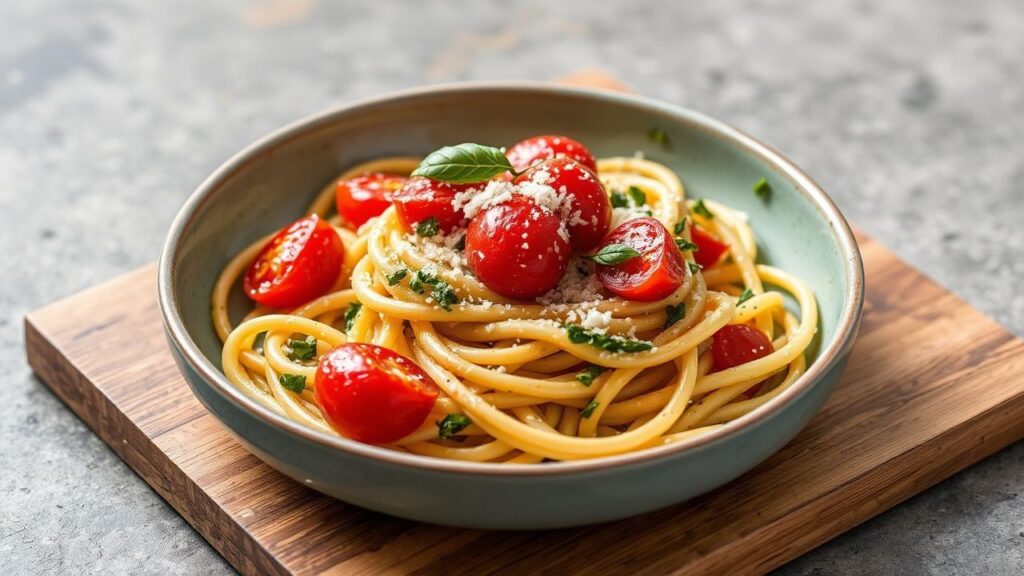
Serve creamy pesto pasta warm and freshly tossed. Add extra Parmesan at the table if your guests like salt and umami. A few basil leaves on top make it look lively and fresh.
For a drink pairing, choose crisp white wines like Sauvignon Blanc or a lightly oaked Chardonnay. If you skip alcohol, sparkling elderflower lemonade or a citrusy sparkling water works well too. The goal is acidity to match the tomato brightness.
For side dishes, keep them simple. A mixed green salad with lemon vinaigrette balances richness. Roasted seasonal vegetables also pair well because their caramelized edges add contrast.
Warm bread helps you scoop sauce from the plate. Choose crusty options so the bread stays structured. For more on classic Italian wheat breads, you may find bread helpful as a general reference.
For more creative ways to build pasta sauces around fresh ingredients, you can explore herb-forward pasta styles and sauce-emulsion techniques. This dish specifically relies on the same practical principle: starch + fat + heat control.
Nutrition Snapshot (Per Serving)
Nutrition varies by brand and exact amounts, but this dish typically lands in a moderate calorie range for a pasta entrée. The biggest drivers are pasta portion size and the cream content. If you change either, your totals will shift.
| Nutrition | Per Serving |
|---|---|
| Calories | 480 kcal |
| Protein | 17 g |
| Carbohydrates | 55 g |
| Fat | 18 g |
If you need lower fat, reduce cream slightly and rely more on pasta water. If you need more protein, increase Parmesan a touch or add a side of protein-rich salad toppings. Keep changes small so the sauce stays balanced.
Q&A
What makes creamy pesto pasta different from traditional pesto pasta?
Traditional pesto often coats pasta with olive oil and cheese only. This version adds a controlled amount of cream to create a smoother, more velvety mouthfeel. Pasta water then helps emulsify the sauce so it stays glossy.
The result tastes herb-rich but softer and more rounded. Cherry tomatoes provide fresh sweetness that lifts the overall flavor.
Can I use any pasta shape for this dish?
Yes. Long pasta like linguine or fettuccine works especially well because the sauce spreads evenly along strands. Short shapes such as penne also hold sauce in grooves.
Just keep an eye on timing. Different shapes finish at different speeds, so cook until al dente and toss promptly.
How do I keep the sauce creamy without overpowering the pesto?
Use cream in moderation and blend it into pesto until smooth. Then combine pesto with warm pasta and add pasta water slowly to reach the right consistency. This method keeps basil flavors intact.
Avoid long simmering at high heat. Gentle warming protects the herb aroma and prevents separation.
How should I prepare the cherry tomatoes?
Halve them so they blister quickly and release juice evenly. Sauté just until they soften and start to look glossy. Lightly season them so their sweetness stays clean.
If tomatoes are extra juicy, you may need less pasta water. Taste as you toss and adjust gradually.
Can this recipe be vegan or dairy-free?
Yes. Use a vegan pesto base without Parmesan, or replace it with nutritional yeast for a similar savory profile. Swap heavy cream for cashew cream or another plant-based cream.
Keep the same method: warm pasta, toss with pesto, and use pasta water to maintain a creamy emulsion.
Closing Remarks
When you combine basil pesto, gentle creaminess, and blistered cherry tomatoes, you get a pasta dish that feels both comforting and bright. The sauce turns silky because pasta starch helps it emulsify instead of split.
Make this on a busy night or for guests who like flavorful, approachable Italian-inspired cooking. Keep your heat moderate, reserve pasta water, and adjust seasoning at the end. That’s the path to a bowl of creamy pesto pasta that tastes fresh every time.
See also: creamy pesto pasta