
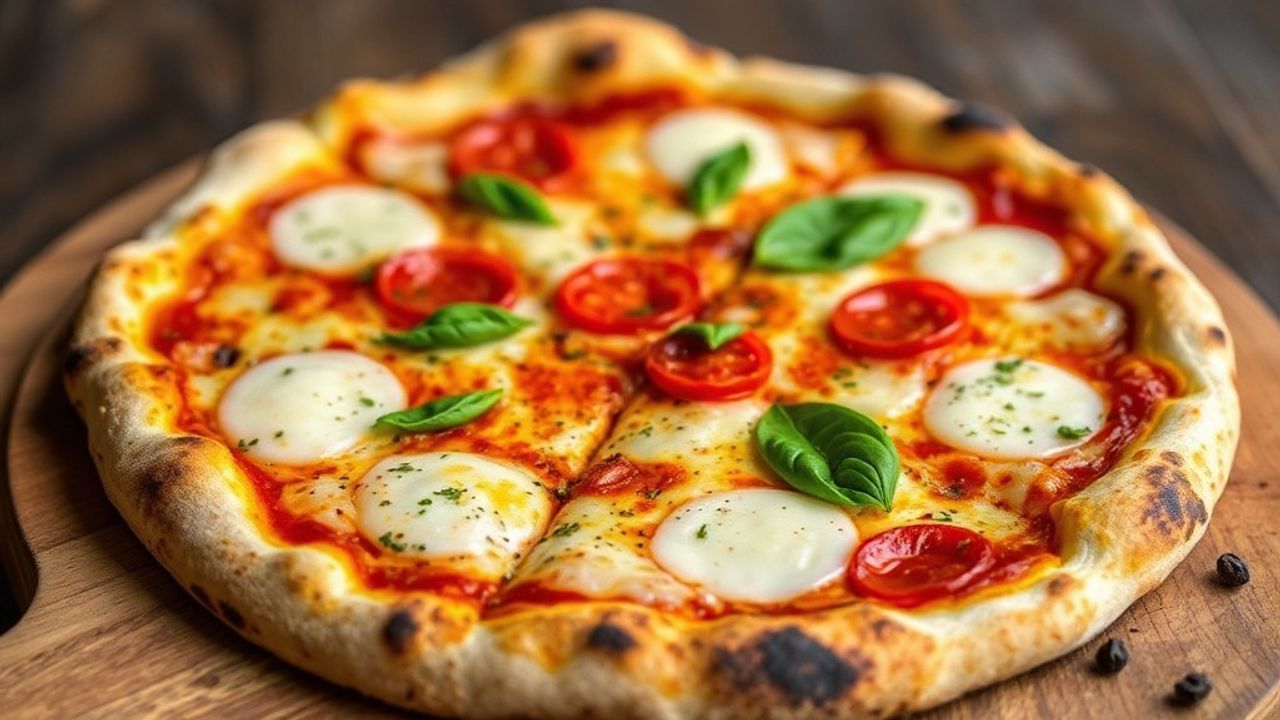
Diavola pizza delivers bold heat, salty salami, and a crisp, chewy crust that commands respect from home cooks and pros alike. This guide breaks the recipe into precise steps so you can control spice, structure, and bake results consistently.
- Key takeaway: Balance heat with fat and acid for lasting flavor.
- Key takeaway: High oven temperature plus a preheated stone gives optimal crust texture.
- Key takeaway: Slow dough fermentation builds flavor and improves oven spring.
- Key takeaway: Use quality ingredients—San Marzano-style tomatoes and proper salami matter.
Fiery Flavors: Understanding Diavola pizza
The term Diavola pizza refers to a spicy Italian pie that pairs cured, spicy salami with chiles and simple tomato. Its signature comes from the interplay of heat, fat from cured meats, and a minimalist sauce that allows those flavors to cut through.
Historically, regional Italian techniques favor high-heat baking and restrained topping coverage to prevent sogginess. Learn the variables—dough hydration, oven temperature, topping ratio—and you control the final bite.
Ingredients for Diavola pizza
Quality ingredients simplify technique. For the sauce, use crushed tomatoes with balanced acidity and minimal seasoning so the salami and chiles remain the stars.
For cured meats, select a spicy salami with both fat and smoke for mouthfeel and a layered savory profile. Read about salami production and varieties on Salami.
Dough components and strategy
Use a lean dough formula: flour, water, salt, yeast, and a touch of olive oil. Aim for 62–65% hydration for a dough that stretches thin yet retains chew.
Cold bulk fermentation for 18–48 hours enhances flavor and makes handling easier. Proper gluten development ensures oven spring and a blistered, well-textured crust.
Sauce and topping essentials
San Marzano-style crushed tomatoes, lightly seasoned with garlic and oregano, create a bright base without overpowering the peppery elements. Reference tomato varieties at San Marzano tomato.
Top with shredded mozzarella and smoked provolone or a similar melting cheese. Add thin slices of spicy salami and fresh or dried chilies to achieve the characteristic heat.
Step-by-step Instructions to assemble Diavola pizza
Follow a methodical workflow: ferment the dough, prepare a restrained sauce, assemble just before baking, and use very high heat. These steps reduce variables and produce repeatable results.
Keep ingredient portions modest. Overloading leads to undercooked centers and uneven browning; the Diavola thrives on focused layers of flavor.
Dough handling and shaping
After your bulk rise, divide and pre-shape the dough. Allow a short bench rest to relax the gluten before final shaping to avoid tearing and to achieve a thin center with a slightly thicker rim.
Work from the center outward using gravity and gentle stretching rather than aggressive rolling. This keeps gas pockets intact for a superior oven spring.
Baking and finishing techniques
Preheat the oven to the highest temperature and heat a pizza stone or steel for at least 30 minutes. Transfer the pie with a lightly dusted peel and bake until the crust chars at the edges and the cheese lightly caramelizes.
Finish with fresh basil and a drizzle of high-quality olive oil. A quick sprinkle of crushed chile after baking preserves volatile aromatics and gives a fresh kick.
Balance remains central. If your salami is extremely fatty, offset with a slightly tangier sauce or fewer slices to avoid grease pooling. Small adjustments produce big differences in mouthfeel.
Practical Tips for Success with Diavola pizza
Temperature control and timing determine final texture. Bake quickly at high heat to get charred bubbles while keeping the center tender and fully cooked.
Hydration and fermentation influence flavor complexity; aim for longer, colder fermentation when time allows. This reduces reliance on aggressive yeast activity during final proof.
Managing spice without overpowering
Use layered heat: a flavorful spicy salami base plus controlled fresh chiles or flakes. This approach spreads the heat across textures and prevents a one-note burn.
Offer chili condiments at the table for diners to adjust. That preserves the intended balance on the pie while accommodating preferences.
Equipment notes and workflow
Keep your peel dusted with semolina for frictionless launches. If using a baking tray, blind-bake the dough slightly to reduce sogginess under heavy toppings.
Rotate the pizza if your oven has hot spots. Small procedural steps like this raise success rates and reduce wasted attempts.
Serving Suggestions and Pairings
Pair the Diavola pizza with bright, acidic beverages that cut through fat and spice. A medium-bodied red with moderate tannin complements cured salami without competing with heat.
Simple sides such as an arugula salad dressed in lemon vinaigrette refresh the palate. Textural contrasts—crisp greens and soft cheese—highlight the pizza’s intensity.
For regional context and broader pizza styles, see the general overview at Pizza. For chili varieties and preservation techniques relevant to Diavola toppings, consult Chili pepper.
Nutrition Snapshot
| Nutrient | Per Serving |
|---|---|
| Calories | ~450 kcal |
| Protein | 25 g |
| Carbohydrates | 50 g |
| Fat | 18 g |
FAQ
What defines a Diavola pizza?
A Diavola pizza features spicy cured salami, chiles, and a minimalist sauce over a well-baked crust. The focus is on concentrated heat balanced by cheese and dough texture.
Which salami types work best for Diavola pizza?
Choose a spicy, fatty salami with some smokiness. The fat melts into the pizza, creating pockets of flavor and contrast with the bright tomato base.
How can I reduce sogginess on my Diavola pizza?
Preheat a stone or steel thoroughly, use a modest sauce layer, and avoid over-topping. If needed, par-bake the crust for 2–3 minutes before adding toppings to preserve crispness.
Can I scale spice up or down?
Yes. Adjust the amount of chile flakes and number of salami slices. Offer table condiments so diners can customize heat after baking.
Are there regional variations I should know?
Regional variations exist across Italy and abroad, with differences in salami type, cheese choice, and chile use. Understand the core balance—heat, fat, and acid—and you can adapt with local ingredients.
Final note: Practice controlled variables—dough hydration, fermentation, and oven temperature—and you will master consistent, restaurant-quality Diavola pizza at home.
See also: Diavola pizza