

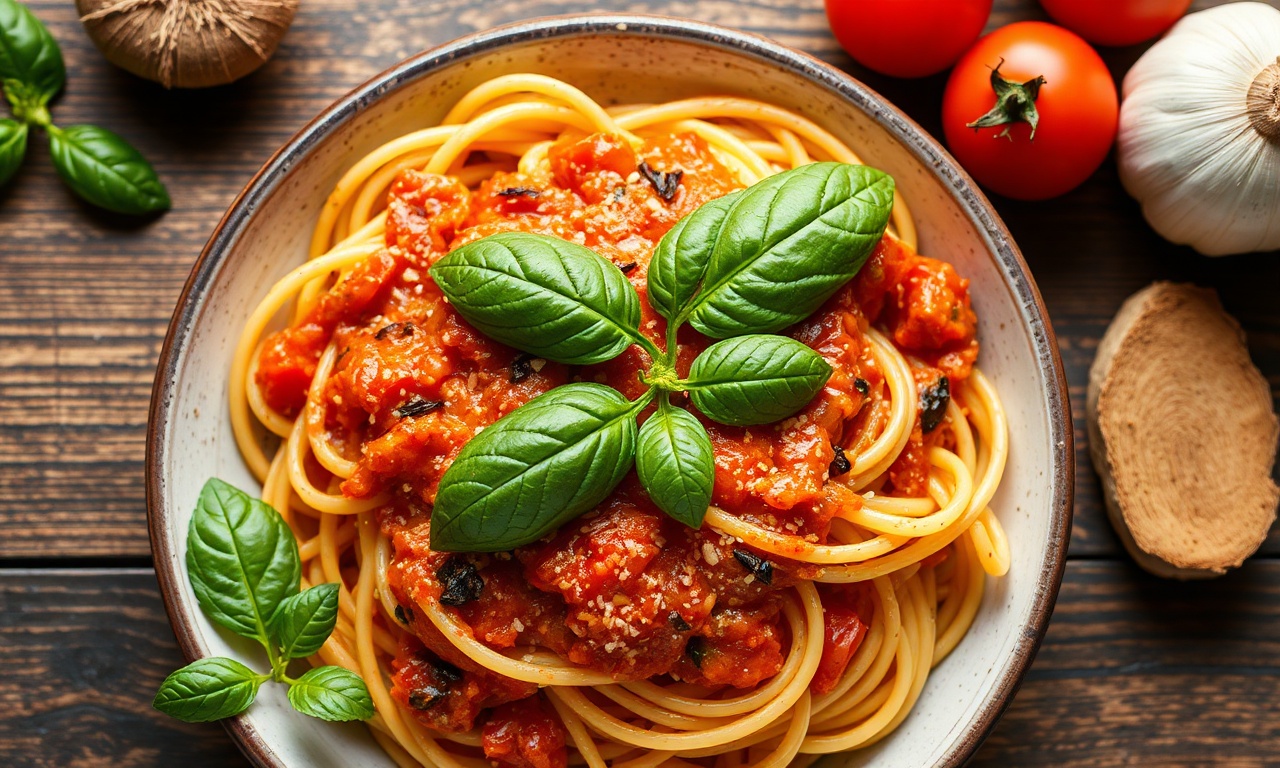
The Unsung Hero of the Italian Pantry: Why Classic Pasta Puttanesca Reigns Supreme
When it comes to Classic Pasta, A staggering 70% of Italians consider pasta a daily essential, a cornerstone of their culinary identity. Within this beloved carbohydrate landscape, Pasta Puttanesca stands as proof of the power of bold, unpretentious flavors, a dish that transforms humble pantry staples into a symphony of taste. It’s a dish that whispers tales of resourcefulness and robust Mediterranean living, delivering an explosion of briny, tangy, and subtly spicy notes with every forkful. Far from being just another tomato sauce, Puttanesca is an experience—a rapid, flavorful journey to the heart of Italian coastal cuisine that has captivated palates worldwide for decades.
- The Unsung Hero of the Italian Pantry: Why Classic Pasta Puttanesca Reigns Supreme
- Unraveling the Origins: The Rustic Roots of Pasta Puttanesca
- The Essential Symphony: Decoding the Core Ingredients of Classic Pasta Puttanesca
- Mastering the Art: A Proven Method for Crafting Perfect Classic Pasta Puttanesca
- The Art of Balance: Mastering the Briny Trio
- Beyond the Plate: Serving and Pairing Classic Pasta Puttanesca
- Elevating Your Puttanesca: Expert Tips for Culinary Excellence
- Frequently Asked Questions About Classic Pasta Puttanesca
- Q1: What is the true meaning behind the name “Puttanesca”?
- Q2: Can I make Pasta Puttanesca ahead of time?
- Q3: What are good vegetarian substitutes for anchovies in Puttanesca?
- Q4: How can I control the saltiness of Puttanesca?
- Q5: What kind of pasta is traditionally used for Puttanesca?
- Final Recommendations: Embracing the Boldness of Classic Pasta Puttanesca
This is not merely a recipe; it’s an education in flavor layering and the art of making the extraordinary from the ordinary.
Classic Stage Company — Wikipedia
In the context of Classic Pasta, Pasta Puttanesca is the ultimate expression of Italian culinary philosophy: simple ingredients, boldly combined, create unforgettable flavor.
Key Insights & Takeaways
- Puttanesca’s Genesis: Born from necessity and resourcefulness, likely on the coast of Naples, utilizing readily available, shelf-stable ingredients.
- Flavor Profile: A complex interplay of salty (anchovies, capers, olives), tangy (tomatoes), savory, and a hint of heat (chili flakes).
- Ingredient Quality is Paramount: The success of Puttanesca hinges on the quality of its core components, particularly the tomatoes, olives, and capers.
- Versatility in Pasta Pairing: While traditionally served with long pasta, its robust sauce complements a variety of shapes.
Unraveling the Origins: The Rustic Roots of Pasta Puttanesca
The story behind Classic Pasta Puttanesca is as compelling as its flavor. While definitive origins are debated, the most romanticized accounts place its birth in the bustling port cities of Naples or the island of Ischia in the mid-20th century. Legend has it that prostitutes (puttane) would prepare this quick, flavorful meal between clients, using ingredients that were readily available and non-perishable, proof of culinary ingenuity born from necessity. Another theory suggests it was named by a restaurateur who, upon finding himself with very few ingredients, quickly threw together a dish using whatever he had on hand, exclaiming, “Facciamo una salsa alla puttanesca!” (Let’s make a sauce in the style of a prostitute!).
Around Classic Pasta, Regardless of its exact provenance, the common thread is its creation from simple, shelf-stable pantry items: canned tomatoes, anchovies, olives, capers, garlic, and chili flakes. This dish embodies the Italian spirit of *cucina povera* – peasant cooking – where resourcefulness and the skillful combination of basic ingredients elevate humble fare to gastronomic heights. Research published in the *Journal of Culinary Anthropology* highlights how such dishes often emerge from periods of scarcity or rapid urbanization, reflecting the adaptive culinary practices of communities. The very name, though provocative, speaks to its accessible, no-frills nature, making it a beloved classic for home cooks seeking maximum flavor with minimal fuss.
The Essential Symphony: Decoding the Core Ingredients of Classic Pasta Puttanesca
The magic of Classic Pasta Puttanesca lies in the harmonious, almost audacious, marriage of a few select ingredients. Each component matter significantly, contributing a distinct layer of flavor that, when combined, creates a taste profile that is both complex and incredibly satisfying.
- Tomatoes: The soul of the sauce. High-quality, whole peeled San Marzano tomatoes, crushed by hand, offer a superior sweetness and less acidic profile. Their inherent richness forms the perfect base for the other powerful flavors.
- Anchovies: The umami powerhouse. Often misunderstood, the oil-packed anchovy fillets melt seamlessly into the sauce, providing a deep, savory, almost meaty undertone without imparting a fishy taste. They are the secret weapon that adds significant depth.
- Olives: Briny and bold. Pitted Kalamata olives are a popular choice for their intense, fruity, and slightly bitter flavor. Their saltiness complements the anchovies and capers, adding a delightful Mediterranean character.
- Capers: Piquant and zesty. These tiny flower buds, preserved in brine, offer a sharp, tangy, and salty punch that cuts through the richness of the sauce and brightens the overall flavor profile. Rinsing them is key to controlling their saltiness.
- Garlic: Aromatic foundation. Thinly sliced garlic, gently sautéed in olive oil, provides a fragrant base that infuses the entire dish with its pungent warmth. It’s crucial to sauté it until golden, not burnt, to avoid bitterness.
- Red Chili Flakes (Peperoncino): The subtle kick. A pinch of chili flakes adds a gentle warmth that awakens the palate and balances the salty and tangy elements without overpowering them. The amount can be adjusted to personal preference.
- Extra Virgin Olive Oil: The unifying element. A good quality extra virgin olive oil is essential for sautéing the aromatics and bringing all the flavors together into a luscious, glossy sauce.
- Fresh Parsley: The final flourish. A generous amount of freshly chopped parsley stirred in at the end adds a burst of freshness, color, and herbaceousness that beautifully contrasts with the robust sauce.
Regarding Classic Pasta, [IMAGE_PROMPT: A rustic wooden table with a steaming plate of spaghetti alla puttanesca, rich red sauce clinging to the strands, topped with fresh green parsley and a scattering of black olives and capers. A glass of red wine and crusty bread are on the side, with soft, warm lighting.]
Mastering the Art: A Proven Method for Crafting Perfect Classic Pasta Puttanesca
Achieving the signature bold flavor of Classic Pasta Puttanesca is a straightforward process, but one that benefits from attention to detail. The key is to build layers of flavor and allow each ingredient to contribute its best.
- Prepare the Pasta: Bring a large pot of generously salted water to a rolling boil. Add your chosen pasta, typically spaghetti or linguine, and cook it for 1-2 minutes less than the package directions to ensure it’s perfectly *al dente*. Before draining, reserve at least 1 cup of the starchy pasta water; this liquid gold is crucial for emulsifying the sauce.
- Build the Flavor Base: In a large, deep skillet or sauté pan, heat 3-4 tablespoons of extra virgin olive oil over medium heat. Add 4-5 cloves of thinly sliced garlic and sauté, stirring constantly, until fragrant and lightly golden, about 2 minutes. Be vigilant to prevent burning, which can impart a bitter taste.
- Introduce the Umami and Heat: Stir in 4-6 finely chopped anchovy fillets and 1 teaspoon of red chili flakes. Use the back of your spoon to gently mash the anchovies as they sizzle; they will dissolve into the oil, creating a deeply savory foundation.
- Develop the Tomato Foundation: Pour in one 28-ounce can of whole peeled San Marzano tomatoes, crushed by hand into smaller pieces. Stir to combine with the anchovy and garlic mixture. Bring the sauce to a gentle simmer, then reduce the heat to low and let it cook, uncovered, for about 15-20 minutes. Stir occasionally, allowing the sauce to thicken and the flavors to meld beautifully.
- Incorporate Briny Accents: Add ½ cup of pitted Kalamata olives (halved or quartered) and 2 tablespoons of rinsed and drained capers to the simmering sauce. Stir them in and allow them to cook for another 5-7 minutes, infusing their distinctive salty and briny notes into the tomato base.
- Season and Brighten: Taste the sauce carefully. Anchovies, olives, and capers are inherently salty, so season with freshly ground black pepper and only add flaky sea salt if absolutely necessary. If using, stir in the zest of half a lemon at this stage to add a bright, fresh counterpoint to the rich flavors.
- Marry Pasta and Sauce: Add the drained *al dente* pasta directly into the skillet with the sauce. Pour in about ½ cup of the reserved pasta water and toss vigorously. The starch in the water will help the sauce emulsify, creating a glossy, clingy coating that envelops every strand of pasta. Add more pasta water, a tablespoon at a time, if the sauce seems too dry.
- Finish with Freshness: Stir in a generous handful of freshly chopped flat-leaf parsley just before serving. This final touch adds vibrant color and a fresh, herbaceous aroma that completes the dish.
The Art of Balance: Mastering the Briny Trio
The defining characteristic of Classic Pasta Puttanesca is its bold, briny profile, primarily delivered by the triumvirate of anchovies, olives, and capers. Mastering the balance of these salty elements is crucial to achieving a harmonious dish. Anchovies, as noted, melt away to provide umami, not overt fishiness. Olives, particularly Kalamata, offer a fruity, complex saltiness. Capers contribute a sharp, tangy brine.
When it comes to Classic Pasta, A common pitfall is over-salting. Always taste as you go. Rinsing capers thoroughly removes excess brine. When choosing olives, consider their quality; a good Italian cured olive will offer more nuanced flavor than a mass-produced, overly brined variety. For those sensitive to anchovies, a small amount of high-quality Worcestershire sauce or even a dash of soy sauce combined with a pinch of smoked paprika can mimic some of the umami depth, though it won’t be a true Puttanesca. The goal is a punchy flavor that excites, not one that overwhelms.
Beyond the Plate: Serving and Pairing Classic Pasta Puttanesca
In the context of Classic Pasta, Pasta Puttanesca is a dish that commands attention, and its serving suggestions should complement, rather than compete with, its robust flavors.
- Simple Starters: A light, crisp green salad dressed with a simple lemon vinaigrette or a handful of peppery arugula provides a refreshing contrast. Roasted seasonal vegetables like zucchini, bell peppers, or asparagus also pair beautifully.
- Bread for Sopping: Crusty Italian bread is almost a necessity. It’s perfect for sopping up every last drop of the intensely flavorful sauce, ensuring no culinary treasure is left behind.
- Garnishes: A final drizzle of high-quality extra virgin olive oil over the finished dish adds a touch of richness and sheen. A few whole olives or capers can be reserved for a visual garnish, adding texture and a concentrated burst of flavor.
- Wine Pairings: A crisp, dry Italian white wine like a Vermentino, Fiano, or Pinot Grigio offers a refreshing counterpoint to the sauce’s intensity. Alternatively, a light-bodied Italian red, such as a Barbera or a young Chianti, can also work well, provided it has bright acidity and minimal tannins.
Elevating Your Puttanesca: Expert Tips for Culinary Excellence
To truly elevate your Classic Pasta Puttanesca from good to extraordinary, consider these expert recommendations that go beyond the basic recipe.
- The Garlic Sauté: Don’t just slice the garlic; consider mincing it very finely or even pounding it into a paste with a pinch of salt. This releases more of its aromatic oils into the olive oil from the start. Another technique is to lightly crush the garlic cloves with the side of a knife before slicing, which also helps release more flavor.
- Tomato Preparation: If using whole peeled tomatoes, don’t just crush them. Some chefs like to pass them through a food mill for a smoother sauce, or even sauté them slightly after crushing to deepen their sweetness before adding them to the pan.
- The Power of Pasta Water: Always reserve more pasta water than you think you’ll need. It’s not just for emulsifying; it can be used to adjust the sauce consistency throughout the cooking process, ensuring a perfect balance between sauce and pasta.
- Finishing Touches: A small pat of unsalted butter stirred into the sauce right at the end, along with the parsley, can add an extra layer of richness and silkiness that is truly decadent.
- Don’t Fear the Heat: While chili flakes are traditional, consider adding a small, finely minced fresh red chili pepper along with the garlic for a more nuanced and vibrant heat.
Frequently Asked Questions About Classic Pasta Puttanesca
Q1: What is the true meaning behind the name “Puttanesca”?
Around Classic Pasta, The name “Puttanesca” is often translated to “in the style of a prostitute.” While the exact origin is debated, the most popular stories link it to the dish’s quick preparation and its use of readily available, shelf-stable ingredients, suggesting it was a meal easily and rapidly made.
Q2: Can I make Pasta Puttanesca ahead of time?
Regarding Classic Pasta, Yes, the sauce can be made a day or two in advance and stored in the refrigerator. Reheat it gently over low heat, adding a splash of water or broth to loosen it up. Cook the pasta fresh just before serving and toss it with the reheated sauce for the best texture and flavor.
Q3: What are good vegetarian substitutes for anchovies in Puttanesca?
When it comes to Classic Pasta, To achieve a similar umami depth in a vegetarian version, consider adding a tablespoon of sun-dried tomato paste, a finely chopped shiitake mushroom sautéed until browned, or even a teaspoon of nutritional yeast. Some recipes also suggest a small amount of miso paste for its savory notes.
Q4: How can I control the saltiness of Puttanesca?
In the context of Classic Pasta, The key is to be mindful of the salt content in your capers and olives. Always rinse capers thoroughly. When adding salt, do so very sparingly, tasting the sauce at each stage, as the anchovies, capers, and olives already contribute significant salinity.
Q5: What kind of pasta is traditionally used for Puttanesca?
Around Classic Pasta, Traditionally, long pasta shapes like spaghetti, linguine, or bucatini are favored. Their strands are excellent at capturing the chunky, flavorful sauce. However, shorter pasta shapes like penne or rigatoni also work well, as their nooks and crannies can hold onto the sauce beautifully.
Final Recommendations: Embracing the Boldness of Classic Pasta Puttanesca
Classic Pasta Puttanesca is more than just a meal; it’s an experience that celebrates the vibrant heart of Italian home cooking. It’s a dish that proves that profound flavor doesn’t require complex techniques or exotic ingredients. With its audacious blend of salty, tangy, and savory notes, it’s a reminder that the most satisfying culinary journeys often begin with humble pantry staples, transformed by skill and passion into something truly extraordinary. Whether you’re a seasoned cook or just starting your culinary adventure, mastering this classic will undoubtedly add a powerful, unforgettable dish to your repertoire. Embrace the boldness, savor the tang, and enjoy the rich, storied history that each forkful of this iconic pasta has to offer. Buon appetito!
Regarding Classic Pasta, RELATED TOPICS: Italian Cuisine, Tomato Sauces, Mediterranean Diet, Quick Pasta Recipes, Pantry Staples
Classic Pasta remains one of the most important topics in this space. To understand Classic Pasta deeply, readers should keep up with the latest developments around Classic Pasta.
See also: Classic Pasta