

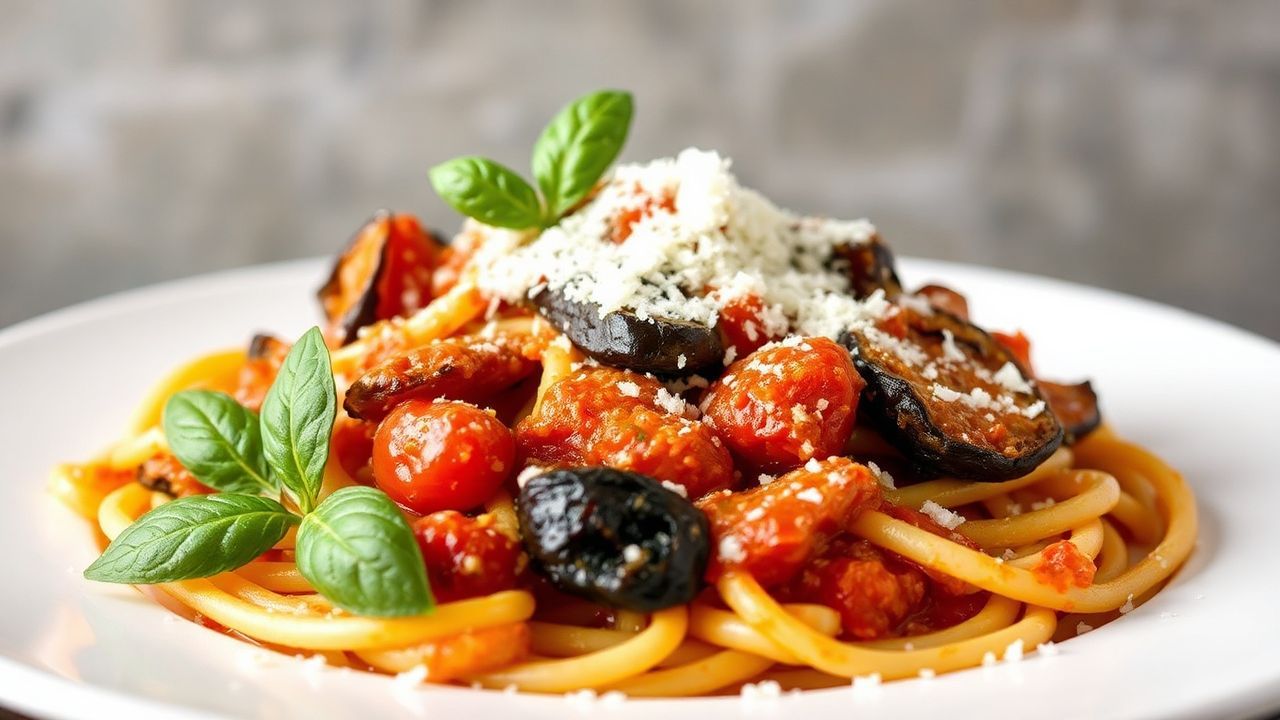
When you cook Pasta alla Norma, you taste the core of Sicilian cooking: bold tomato, silky eggplant, and a salty cheese finish. This classic pasta pairs fried eggplant with a slow-simmered sauce and turns simple pantry items into a dish worthy of Catania tables.
- Exploring the Rich heritage of Pasta alla Norma
- Choosing the Perfect Eggplant for Authentic Flavor
- Crafting the Classic Tomato Sauce from Scratch
- Tips for Achieving the ideal Pasta Texture and Presentation
- Prep and Cook Time
- Yield
- Difficulty Level
- Ingredients
- Instructions
- Tips for Success
- Serving Suggestions
- Q&A
- What is Pasta alla Norma, and why is it considered a Sicilian classic?
- How do I keep the eggplant from getting soggy?
- Can I use fresh tomatoes instead of canned?
- What pasta shape should I use for Pasta alla Norma?
- Is ricotta salata required?
- Final Thoughts
To hit the real flavor, focus on three things: firm eggplant, ripe tomatoes, and the right balance of salt and acidity. Follow the steps below and you will get a pasta texture that clings, not slides, with crisp edges and tender centers.
At a Glance
- Focus keyword: Pasta alla Norma
- Texture goal: crisp fried eggplant + al dente pasta
- Flavor driver: slow-simmered tomato sauce with basil
- Finish: ricotta salata (or a close substitute)
Exploring the Rich heritage of Pasta alla Norma
Sicily turns produce into identity, and Pasta alla Norma shows that clearly. The dish centers on eggplant and tomato, two ingredients that fit the island’s warm climate and strong street-food culture.
Traditional versions often link the name to the famous opera Norma, which became part of local food storytelling. You can read more about Norma (opera) to understand why the name still carries cultural weight.
Choosing the Perfect Eggplant for Authentic Flavor
For Pasta alla Norma, choose medium eggplants that feel firm and heavy. Look for smooth, shiny skin with a deep violet color, since these traits usually signal fewer seeds and less spongy texture.
Before frying, salt the slices to draw out excess moisture. This step supports better browning and helps the eggplant stay crisp longer once it meets the sauce; it also reduces bitterness that some cooks notice in older fruit.
Crafting the Classic Tomato Sauce from Scratch
The sauce makes the dish feel “whole.” Start with ripe plum tomatoes or high-quality canned San Marzano, then simmer gently so the flavors round out instead of tasting sharp.
Use garlic and fresh basil as aroma builders, then break down the tomatoes slowly. If you want background on tomato varieties, check tomato, which covers why sweetness and acidity vary by type and harvest.
Tips for Achieving the ideal Pasta Texture and Presentation
Pasta alla Norma works best with short shapes like rigatoni or maccheroni because they trap sauce and eggplant. Cook until al dente, then toss quickly so starch helps the sauce cling instead of pooling.
For plating, stack the eggplant slices on top and finish with grated ricotta salata and torn basil. Ricotta salata is an aged cheese style; see ricotta salata for the aging method and why it tastes tangy and salty.
Prep and Cook Time
Plan for around 50 minutes total, but treat the eggplant salting as part of the process. While it sweats, you can chop vegetables and prep the tomato sauce.
This timing matches a home setup with active cooking and one resting step. If you batch-fry, work in smaller rounds for more even browning.
- Readiness: 20 minutes
- Cooking: 30 minutes
- Total: 50 minutes
Yield
This recipe serves 4 hearty portions. It feeds hungry families well because the eggplant and cheese create a filling, balanced meal.
If you cook for six, double the eggplant first and fry in batches. Sauce scales easily, but frying needs space to stay crisp.
Serves 4 hearty portions
Difficulty Level
Medium difficulty fits cooks who can manage stovetop heat and basic prep. You will not need special equipment beyond a large skillet and a wide pot for pasta.
The only skill-sensitive part is frying. With hot oil, a steady hand, and not overcrowding, you will reach restaurant-like texture at home.
Medium – perfect for home cooks eager to master traditional Sicilian techniques
Ingredients
Use ingredients that support clear flavor layers. Eggplant needs salt, tomato needs time, and cheese needs a light hand so it sharpens rather than overwhelms.
Because Pasta alla Norma depends on balance, measure the olive oil and reserve pasta water. Those two small choices help the sauce taste silky and cohesive.
- 2 medium eggplants (about 1 lb), sliced into ½-inch thick rounds
- Salt, for sweating eggplant
- 4 tbsp extra virgin olive oil, divided
- 1 medium onion, finely chopped
- 3 garlic cloves, minced
- 28 oz canned whole peeled San Marzano tomatoes, hand-crushed
- Fresh basil leaves, about 12, plus extra for garnish
- Salt and freshly ground black pepper, to taste
- 12 oz rigatoni or maccheroni pasta
- ½ cup ricotta salata, finely grated
Instructions
Follow the order so timing works out. Sweat and fry the eggplant first, then simmer the tomato sauce while the pasta cooks.
At the end, combine pasta and sauce quickly. That short toss helps pasta starch emulsify with tomato, creating a glossy coating instead of a watery layer.
- Sweat the Eggplant: Arrange sliced eggplant in a colander, sprinkle generously with salt on both sides, and place a plate on top weighted with a can. Let it sit for 30 minutes to draw out bitterness. Rinse under cold water and pat dry with paper towels.
- Fry the Eggplant: Heat 2 tablespoons of olive oil in a large skillet over medium heat. Fry eggplant slices in batches until golden brown and tender, about 3-4 minutes per side. Transfer to a paper towel-lined plate to absorb excess oil.
- Prepare the Tomato Sauce: In a large saucepan, warm 2 tablespoons olive oil over medium heat. Add the onion and sauté until soft, about 5 minutes. Stir in garlic and cook another minute until fragrant, taking care not to burn.
- Add crushed tomatoes and basil: Add crushed tomatoes and whole basil leaves torn into pieces. Season with salt and pepper. Reduce heat to low and simmer gently, stirring occasionally, for 20 minutes until the sauce thickens and deepens in flavor.
- Cook Pasta: Bring a large pot of salted water to a rolling boil. Add pasta and cook until al dente, following package instructions (usually 8-10 minutes). Drain, reserving ½ cup of pasta water.
- Toss and Combine: Transfer the drained pasta to the tomato sauce, mixing gently. Use reserved pasta water if needed to loosen the sauce for a silky coating.
- Plate and Garnish: Divide pasta onto warm serving dishes. Top with fried eggplant slices, then sprinkle generously with freshly grated ricotta salata and torn basil leaves for a fragrant finish.
Tips for Success
Small adjustments create big results in Pasta alla Norma. When you control moisture and timing, the dish tastes balanced and looks glossy.
Use these points to troubleshoot quickly, especially if you notice soggy eggplant or a sauce that feels thin.
- Eggplant Preparation: Don’t skip the salting step. It supports tenderness and reduces bitterness.
- Oil Absorption: Fry on medium heat. Keep batches spaced so eggplant browns instead of steaming.
- Ricotta Salata: If unavailable, substitute firm feta or pecorino romano. The flavor will shift, but you will still get a salty, tangy finish.
- Make Ahead: Cook the tomato sauce ahead. Reheat gently and toss with freshly cooked pasta right before serving.
- Visual Appeal: Finish with fresh basil and a light drizzle of extra virgin olive oil for shine.
Serving Suggestions
Serve Pasta alla Norma in wide, shallow bowls. This shape shows the layered eggplant and keeps the pasta from sitting too long in one spot.
Pair it with a crisp salad dressed lightly with lemon and olive oil, plus rustic bread for sauce scooping. If you want to learn about the role of eggplants in traditional Mediterranean diets, see eggplant for general culinary context.
| Nutrient | Per Serving |
|---|---|
| Calories | 460 kcal |
| Protein | 14 g |
| Carbohydrates | 65 g |
| Fat | 12 g |
For a wine pairing, keep it simple: a dry red that handles tomato acidity works well. If you need a refresher on food and wine pairing fundamentals, explore food pairing for the chemistry behind matches.
You can also serve with a side of steamed greens or roasted peppers to balance the dish’s rich, savory notes. This pasta shines when you keep sides fresh and bright.
Q&A
If questions keep you from cooking Pasta alla Norma, use these answers to remove doubt. They focus on the parts that most often affect texture, flavor, and authenticity.
Read through before you start, then cook with confidence.
What is Pasta alla Norma, and why is it considered a Sicilian classic?
Pasta alla Norma is a classic Sicilian pasta built on fried eggplant, tomato sauce, and ricotta salata. The dish’s name connects it to local cultural storytelling, and many sources link it to the opera Norma, which you can explore via Norma (opera).
Its status comes from the way the ingredients work together: the tomato sauce adds sweetness and acidity, while fried eggplant adds a crisp, smoky edge.
How do I keep the eggplant from getting soggy?
Salt the eggplant slices, rinse, and pat them very dry. Then fry in hot oil and avoid overcrowding, since crowded pans trap steam and soften the crust.
Serve promptly after tossing pasta with sauce. Quick plating preserves crisp edges and keeps the dish from turning wet.
Can I use fresh tomatoes instead of canned?
Yes. Use ripe tomatoes and simmer them until the sauce thickens. Fresh tomatoes add seasonal brightness, while canned tomatoes often offer steady flavor year-round.
If you want guidance on how tomatoes vary by variety and cultivation, read tomato to understand why choosing the right type matters.
What pasta shape should I use for Pasta alla Norma?
Rigatoni and maccheroni are common because their shapes capture sauce and bits of eggplant. They also hold ridges that cling to the tomato coating.
Spaghetti can work, but it tends to coat more loosely than ridged short pasta in many home kitchens.
Is ricotta salata required?
Ricotta salata gives a dry, salty, tangy finish that complements tomato acidity. It also grates well, which helps distribute flavor in each bite.
If you cannot find it, use firm feta or pecorino romano as a workable stand-in. For background on ricotta salata aging, visit ricotta salata.
Final Thoughts
Each forkful of Pasta alla Norma should balance crisp eggplant, glossy tomato sauce, and a sharp salty cheese finish. When you nail moisture control and simmer time, the dish tastes cohesive instead of heavy.
Cook it as a Sicilian classic: fry for color, simmer for depth, and toss for cling. Then serve right away so the textures stay bright and the flavors taste alive.
See also: Pasta alla Norma