
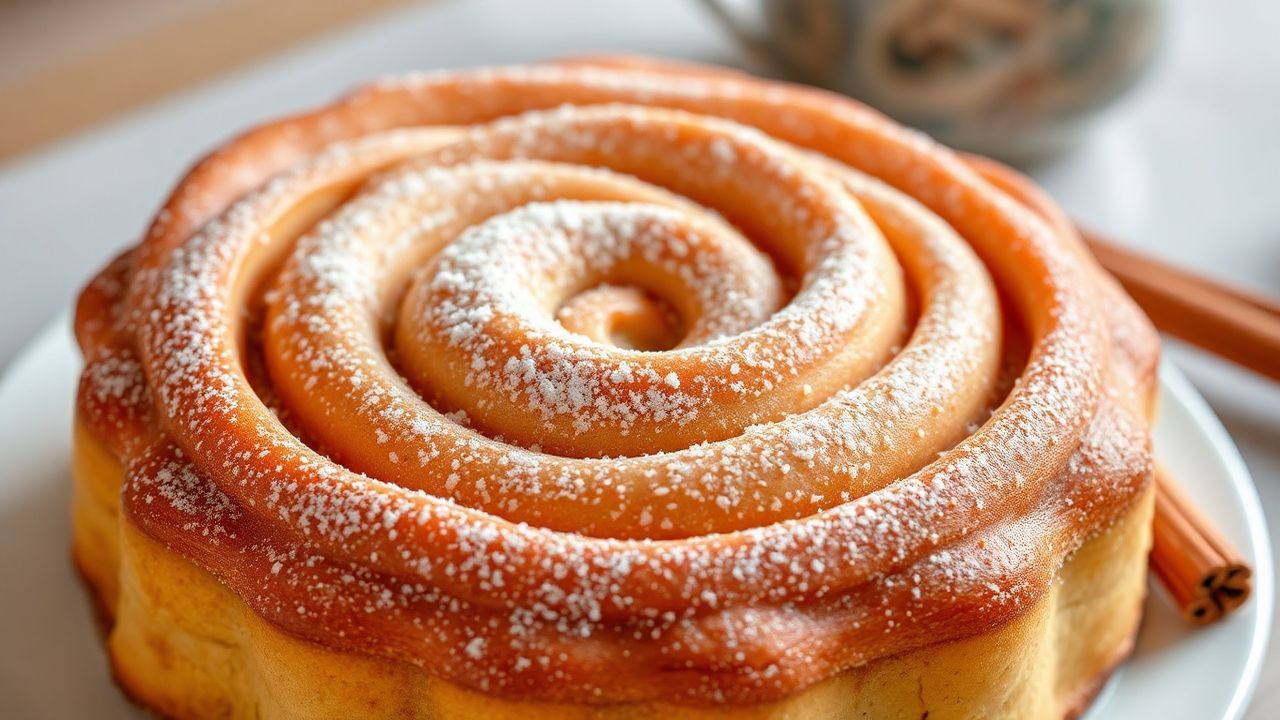
There’s something undeniably enchanting about cinnamon chimney cake—its warm spiral, crackly cinnamon-sugar crust, and tender center make it feel like fairground food you can actually understand and recreate at home. The signature hollow tube shape comes from wrapping dough tightly around a mold and baking it until the sugar caramelizes and turns deep golden.
- The Artful Origins of Cinnamon Chimney Cake and Its Cultural Roots
- Signature Flavors and Aromas That Make Cinnamon Chimney Cake Irresistible
- Mastering the Perfect Bake Tips and Tricks for Homemade Cinnamon Chimney Cake
- Creative Twists and Serving Suggestions to Elevate Your Cinnamon Treat
- Prep and Cook Time
- Yield
- Difficulty Level
- Ingredients
- Instructions
- Tips for Success
- Serving Suggestions
- Q&A
- What exactly is a cinnamon chimney cake?
- Where does cinnamon chimney cake originate?
- What gives the chimney cake its distinctive shape and texture?
- Why is cinnamon such a key component?
- How can you customize cinnamon chimney cake?
- to sum up
At a Glance
- Cinnamon chimney cake gets its shape from dough wrapped around a cylinder, then rotated while baking.
- The crisp crust forms when sugar reaches caramelization temperatures.
- Homemade success depends on dough tension, even coating, and steady rotation.
- You can serve it plain or upgrade it with chocolate, nuts, or spiced fruit.
In other words, this pastry is more than a sweet treat—it’s a simple technique that turns pantry basics into a showpiece. Below, you’ll learn the cultural roots, the flavor science behind the crust, and a practical method for getting the best texture.
The Artful Origins of Cinnamon Chimney Cake and Its Cultural Roots
Cinnamon chimney cake traces to Central Europe, closely linked with Kürtőskalács in Hungary and related fair-style breads in the Czech and Slovak regions. Traditional versions use a wooden spindle or cylinder and cook the dough over an open flame, which helps the outer layer set quickly.
Historically, this pastry fits the pattern of street-food craft: bakers make something portable, fragrant, and visually dramatic for markets and celebrations. The technique sits at the crossroads of local ingredients, seasonal gatherings, and a craft tradition described in broader discussions of regional Hungarian cuisine.
Many people first notice the hollow center and spiral “chimney” look. That feature doesn’t happen by accident; it results from wrapping the dough in a tight spiral and baking until the crust firms. You can also connect the history to wider European traditions of specialized baking tools and flame cooking described in open fire.
Why the Spiral Matters for Texture
The spiral shape increases surface area, so more sugar-to-dough contact happens during baking. As the heat rises, the outer sugars shift from wet sweetness to a crisp, caramelized shell, while the inner dough stays softer.
That contrast—crackly outside and tender inside—is the whole point. It also explains why most recipes emphasize coating evenly and rotating for consistent browning, since uneven heat creates soft patches or burnt edges.
Signature Flavors and Aromas That Make Cinnamon Chimney Cake Irresistible
The sensory pull of cinnamon chimney cake comes from the spice aroma plus the caramelized sugar crust. Cinnamon releases its warm, sweet notes when heated, and the crust then develops a deeper flavor as sugar caramelizes.
In ingredient terms, you typically start with an enriched yeast dough—flour, yeast, milk, butter, and eggs—then roll it in a cinnamon-sugar coating. When baked at proper heat, the coating transforms into a lacquer-like crust that smells like a bakery window in winter.
Cinnamon itself is the aromatic anchor. For reference on how cinnamon flavor compounds behave in cooking, you can review general background on cinnamon. The spice works best when it stays in contact with hot sugar during the early caramelization phase.
Balancing Sweetness Without Losing the Dough
Too much sugar can turn the crust gritty, especially if coating presses unevenly. Aim for an even, moderate layer of cinnamon-sugar so the crust sets cleanly while the dough remains springy.
To keep balance, use the dough tension method: wrap tightly so the spiral holds shape. Then coat thoroughly but avoid flooding the mold with syrupy sugar mixtures, which can soften the outside instead of crisping it.
Common Aromas You Should Expect
You should notice a shift during baking: first, sweet yeast-bread aroma; then, a warm cinnamon and caramel smell. That transition tells you the surface is reaching the right browning stage.
If the aroma turns sharp and smoky, reduce heat next time or rotate more consistently. A stable caramel scent signals you’re building a crust, not scorching sugar.
Mastering the Perfect Bake Tips and Tricks for Homemade Cinnamon Chimney Cake
Making cinnamon chimney cake at home comes down to a few controllable variables: dough strength, tight wrapping, even coating, and steady bake conditions. You don’t need fancy equipment, but you do need consistent heat and motion.
Start with a well-kneaded dough. Yeast dough needs gluten development so it stretches without tearing, which helps the spiral hold its hollow shape during baking. Bread dough fundamentals align with general guidance in bread and standard yeast-rising behavior.
Next, wrap each strip tightly around a greased wooden rolling pin or a metal cone. If the dough feels loose, the spiral opens and the crust forms uneven thickness. If it’s too tight and compresses, the dough may bake dense and lose the airy contrast.
How to Get a Crisp, Caramelized Crust
Coat the wrapped dough in cinnamon-sugar and press gently so grains stick. Then bake at a steady temperature and rotate frequently so sugar caramelizes on all sides.
When you brush with melted butter right after baking, the crust gains shine and a slightly softer bite. Butter also helps carry cinnamon aroma while you serve the cakes warm.
Think of the bake process as crust formation plus set. The crust forms as surface sugars melt and brown; it sets as the outer layer dries and firms. That’s why consistent heat matters more than chasing a single “perfect minute.”
Temperature Targets You Can Follow
A common home range is around 350°F (175°C), but the real goal is caramelization on the outside. If your oven runs hot, start closer to 340°F (170°C) and rotate a bit more.
After baking, handle gently. The hollow shape is set, but the crust can still soften if you stack them too soon.
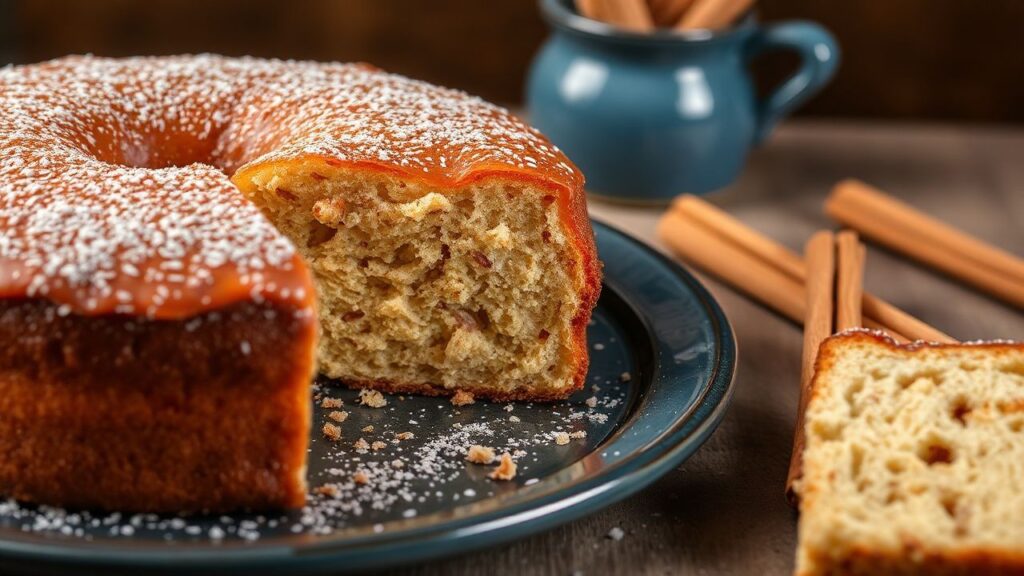
Creative Twists and Serving Suggestions to Elevate Your Cinnamon Treat
Cinnamon chimney cake works beautifully with classic flavors, but it also welcomes modern upgrades. If you want variety, change only one element—coating, topping, or filling—so the texture stays crisp.
For coating twists, consider dusting with powdered sugar after baking, or adding cocoa and finely chopped nuts to the cinnamon mix. Toasted almonds or pistachios add crunch without changing the core caramel crust pattern.
For toppings, try a thin drizzle of chocolate or caramel. If you fill the hollow center, choose fillings that won’t soak through the crust too quickly, such as fruit compote thickened slightly or a firm chocolate ganache.
Serving Ideas for Events and Weeknights
Serve warm, right after glazing, for the best crack and aroma. Pair it with vanilla ice cream, whipped cream, or spiced drinks like chai or coffee to match the cinnamon notes.
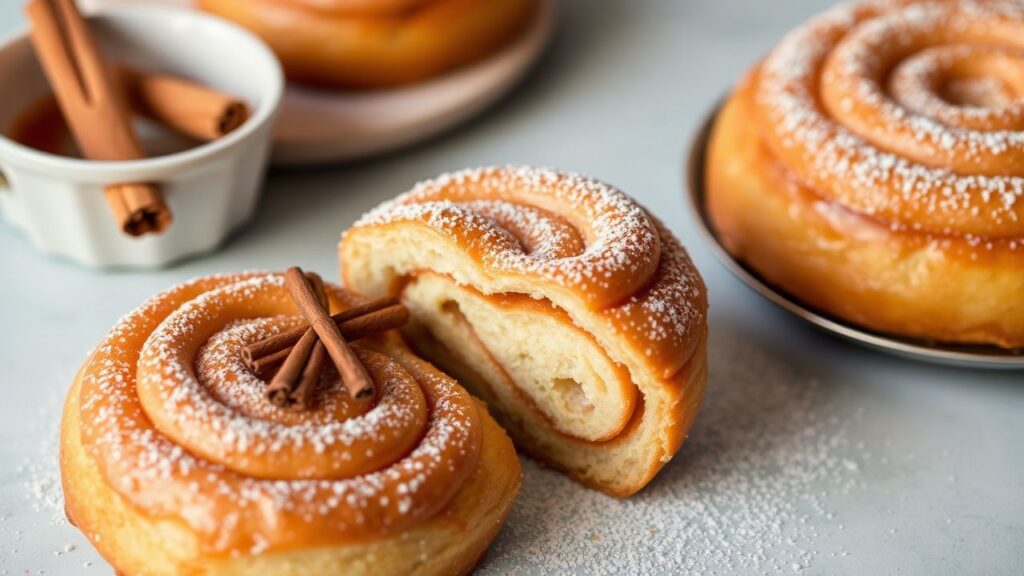
For brunch or a market table, arrange cakes on a board and dust lightly with powdered sugar. This keeps the crust attractive and prevents heavy moisture buildup.
If you want a more “dessert plate” style, add fresh berries or stewed apples in the hollow center. The fruit adds tang and balances the sweetness from the cinnamon sugar crust.
Prep and Cook Time
- Prep time: 20 minutes
- Resting Time (Dough Rise): 1 hour
- Cook Time: 15-20 minutes
- Total Time: Approximately 1 hour 40 minutes
Yield
Makes 6 cinnamon chimney cakes (about 6 inches each).
This yield assumes standard strip sizes and molds with consistent thickness for even baking.
Difficulty Level
Medium—you must manage dough handling, tight shaping, and careful baking rotation.
With good dough tension and consistent heat, results improve quickly after the first batch.
Ingredients
- 2 ½ cups all-purpose flour, sifted
- ¼ cup granulated sugar
- 1 packet active dry yeast (about 2 ¼ tsp)
- ½ cup warm milk (about 110°F/43°C)
- 2 tbsp unsalted butter, melted
- 1 large egg
- ½ tsp salt
- 1 tbsp vanilla extract
- ½ cup granulated sugar (for coating)
- 2 tbsp ground cinnamon (for coating)
- 2 tbsp unsalted butter, melted (for brushing)
Instructions
Follow these steps in order. Consistency matters most during wrapping and bake rotation.
As you work, keep the dough surface lightly floured only if it starts to tear—too much flour can reduce coating adhesion.
- Activate the yeast: Stir yeast into warm milk with 1 teaspoon sugar, then wait 5-7 minutes until foamy.
- Prepare the dough: Mix sifted flour, ¼ cup sugar, and salt. Add yeast mixture, egg, melted butter, and vanilla. Stir until the dough comes together.
- Knead the dough: Knead 8-10 minutes until smooth and elastic. Cover and let rise in a warm place until doubled (about 1 hour).
- Shape the dough: Punch down dough. Roll into a ½-inch thick rectangle and cut strips about 1 inch wide.
- Prepare the coating: Mix ½ cup sugar and ground cinnamon in a shallow dish.
- Wrap the dough: Grease rolling pins or metal cones. Wrap each strip tightly around the mold, overlapping slightly but keeping the spiral smooth.
- Coat the dough: Roll the wrapped dough in cinnamon-sugar and press gently for full coverage.
- Bake: Preheat oven to 350°F (175°C). Place molds on a baking tray and bake 15-20 minutes, rotating about every 5 minutes.
- Brush and cool: Brush hot cakes immediately with melted butter for shine. Let cool slightly, then slide off carefully.
- Serve warm: Eat right away for the best crisp crust and soft center.
Tips for Success
- Keep the dough slightly tacky but not sticky for easier wrapping without tearing.
- Rotate consistently to avoid uneven caramelization and burnt edges.
- Don’t skip the butter glaze—it seals the crust and improves tenderness.
- Make-ahead option: Shape spirals in advance and refrigerate overnight. Bake fresh for the crispiest crust.
- Spice variation: Mix a small portion of nutmeg or cardamom into the coating for seasonal aroma.
If you struggle with tearing or weak coils, focus on dough development. Longer kneading usually solves it because stronger gluten holds tension during wrapping.
Also, use a stable sugar coating. If the cinnamon-sugar looks wet or clumps from humidity, sift it and dry the mixture before rolling.
Serving Suggestions
Cinnamon chimney cake shines when served piping hot. Place it on a rustic board or a colorful plate, then dust lightly with powdered sugar for a clean look.
Pair it with spiced chai, coffee, or a cold scoop of vanilla ice cream. Those flavors complement cinnamon’s warmth and the caramel crust’s toasty notes.
For a modern twist, fill the hollow center with fruit compotes, vanilla bean ice cream, or thick chocolate ganache. Keep fillings thick so they don’t run and soften the crust too quickly.
If you want a “special occasion” feel, garnish with chopped toasted nuts or edible flowers. The texture contrast makes every bite more satisfying.
| Nutrition (per serving) | Calories | Protein | Carbs | Fat |
|---|---|---|---|---|
| Cinnamon Chimney Cake | 280 kcal | 5 g | 50 g | 6 g |
For readers who want more background on the pastry name and regional context, you can also explore Kürtőskalács and related Central European food traditions through Cuisine of Hungary.
Q&A
If you still have questions, this section covers the most common details people ask before baking cinnamon chimney cake at home.
Use these answers as quick guidance while you shop for ingredients and plan your bake time.
What exactly is a cinnamon chimney cake?
A cinnamon chimney cake is a cylindrical pastry made by wrapping yeast dough around a mold, coating it in cinnamon-sugar, and baking until the outside forms a crisp, caramelized crust. The hollow shape comes from the baked spiral around the cylinder.
Many versions resemble Kürtőskalács, a classic Central European fair-style treat.
Where does cinnamon chimney cake originate?
It’s associated with Central Europe, especially Hungary, where it’s known as Kürtőskalács. Similar fair foods appear across the region, tied to festival baking and market cooking.
You can read more context on regional food in Hungarian cuisine.
What gives the chimney cake its distinctive shape and texture?
The shape comes from tightly wrapping dough strips around a cylinder before baking. During baking, the outer cinnamon-sugar layer melts and caramelizes, which creates a crisp crust around a softer interior.
Rotation helps ensure even browning and even crust thickness.
Why is cinnamon such a key component?
Cinnamon provides warm, aromatic sweetness and a familiar spice profile that matches caramelized sugar. When heated, it adds fragrance that becomes more intense as the crust browns.
For spice background, see cinnamon.
How can you customize cinnamon chimney cake?
You can customize by changing toppings and filling. Common ideas include powdered sugar, cocoa-coated variations, chopped nuts, or a drizzle of chocolate and caramel.
For fillings, use thicker options like fruit compote or ganache so the crust stays crisp.
to sum up
As the warm cinnamon-scented aroma fades from your oven, you’ll recognize what makes cinnamon chimney cake special: it turns simple dough into a dramatic spiral with crisp caramel edges and a tender center. The technique is straightforward, and once you nail wrapping tension and rotation, results get consistent.
Whether you serve it at a festive table or make it as a weekend treat, the pastry delivers the same core experience—sweet warmth, spice fragrance, and a satisfying crunch that holds up from first bite to last.
See also: cinnamon chimney cake