
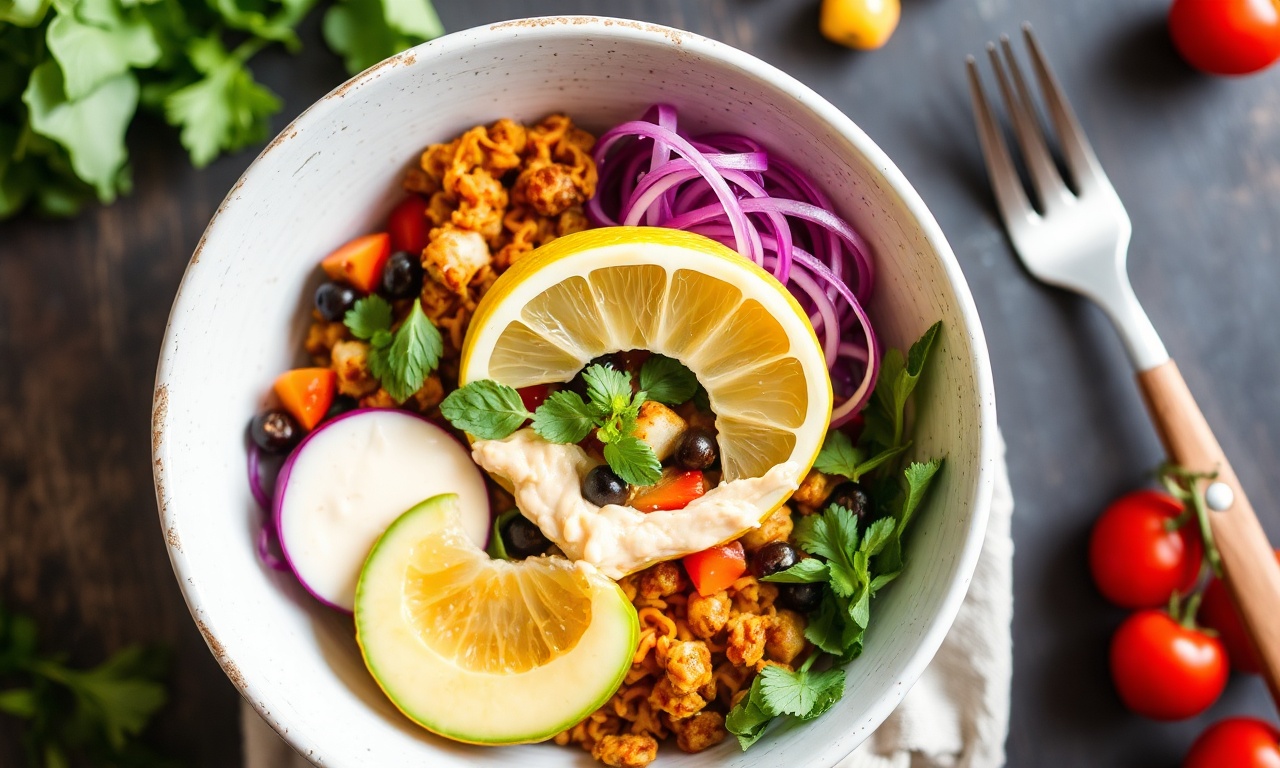
When you want a meal that tastes bright, feels satisfying, and supports plant-based eating, the Easy Vegan Buddha Bowl with lemon-tahini is a reliable choice. This bowl balances tender grains, crisp vegetables, and a creamy citrus dressing that ties everything together.
- Choosing Vibrant Ingredients for an Easy Vegan Buddha Bowl
- Crafting the Lemon-Tahini Dressing for Bright Flavor
- Step-by-Step Guide to Assemble Your Easy Vegan Buddha Bowl
- Tips for Customizing Your Vegan Buddha Bowl
- Q&A: Easy Vegan Buddha Bowl with Lemon-Tahini
- What exactly is a Buddha bowl?
- Why does lemon-tahini work so well together?
- Can I make this vegan bowl ahead of time?
- How do I keep the dressing smooth?
- What are good substitutions for this buddha bowl?
- FAQ: Quick Answers Before You Cook
At a Glance
- Easy Vegan Buddha Bowl builds flavor with simple, fresh layers.
- Lemon-tahini delivers creamy texture and zesty brightness.
- Meal prep stays fresh when you store components separately.
- You can swap grains and proteins to match your schedule.
Start with a classic buddha bowl formula: a grain base, colorful vegetables, plant protein, and a tangy sauce. Then add lemon zest and tahini to bring depth without dairy. If you want a quicker weeknight routine, this recipe keeps steps clear and predictable.
This recipe also supports smart nutrition habits. Chickpeas and quinoa provide plant protein and fiber, while vegetables add volume, minerals, and antioxidants. For the dressing, tahini brings healthy fats and creamy body, and lemon adds flavor intensity with minimal effort.
Choosing Vibrant Ingredients for an Easy Vegan Buddha Bowl
An easy vegan buddha bowl starts with a base that holds up well. Use quinoa or brown rice for steady texture, then build around that foundation. Quinoa and rice both work because they absorb sauce while staying pleasant to chew.
Next, focus on visual contrast and crunch. Add shredded cabbage, carrot ribbons, sliced bell peppers, and halved cherry tomatoes. The color matters, but the bigger win comes from texture variety in every bite.
For leafy greens, use arugula or baby spinach. These greens wilt fast, so keep them separate until you’re ready to serve. If you add them early, the bowl still tastes fine, but you lose that fresh bite.
For plant-based protein, roast chickpeas or use steamed edamame. Chickpeas roast best when you dry them well and spread them on a hot pan. For more protein options, consider tofu or lentils based on your pantry.
Don’t skip fats. Sliced avocado or a sprinkle of seeds adds satiety and improves mouthfeel. Seeds also boost flavor with a toasty note, especially when you toast them briefly.
Crafting the Lemon-Tahini Dressing for Bright Flavor
The dressing makes this Easy Vegan Buddha Bowl taste “finished.” Mix tahini, fresh lemon juice, minced garlic, maple syrup, and sea salt. Then add warm water a little at a time until the sauce turns smooth and pourable.
Tahini has a rich, nutty profile that pairs naturally with citrus. It also provides a creamy emulsion when you thin it with water. You can learn the basics of sesame products at Tahini.
To increase brightness, add extra lemon zest. For a warmer, deeper flavor, include a pinch of cumin or smoked paprika. If you want a milder dressing, use less garlic and a little more maple syrup.
[WARNING]Pro-Caution: If your tahini seems thick, add warm water slowly. Over-thinning can make the dressing runny and separate faster. Stir or whisk until smooth, then taste before you pour.
Store the dressing in a jar so it stays easy to grab. Before serving, whisk again because tahini separates naturally. If you prep ahead, this step keeps the bowl tasting fresh.
Step-by-Step Guide to Assemble Your Easy Vegan Buddha Bowl
Assembling takes about 10 minutes once your components are ready. Start with cooked quinoa or rice, then add vegetables and chickpeas in distinct sections. This layout improves bite variety and makes the bowl look appealing.
Follow this plan for a straightforward result. Each step aims at texture: fluffy grains, crisp-tender vegetables, and roasted chickpeas with a light crunch.
- Cook your grain base: Rinse 1 cup quinoa. Simmer with 2 cups water until fluffy, about 15 minutes. Fluff and let it cool slightly.
- Prepare the vegetables: Julienne carrots, shred purple cabbage, halve cherry tomatoes, and slice bell pepper. Steam edamame for 5 minutes, then cool.
- Roast the chickpeas: Drain and rinse 1 can chickpeas. Toss with olive oil, smoked paprika, 1/2 tsp sea salt (split from the total), and roast at 400°F (200°C) for 20-25 minutes, shaking halfway, until crisp.
- Mix the lemon-tahini dressing: Whisk 1/4 cup tahini, juice of 1 lemon, 1 minced garlic clove, 1 tbsp maple syrup, remaining salt, and warm water (2-3 tbsp) until smooth.
- Assemble: Add quinoa to the bottom of a bowl. Arrange vegetables and chickpeas in clusters for color and texture.
- Add avocado: Slice 1/2 avocado and fan over the bowl for creaminess.
- Drizzle and finish: Pour lemon-tahini dressing over everything. Top with toasted sesame seeds or pumpkin seeds and chopped cilantro or parsley.
If you want even more flavor, toast seeds right before serving. Heat a dry pan for 1-2 minutes, then stir seeds until fragrant. This small change adds a bakery-like aroma to the top layer.
Tips for Customizing Your Vegan Buddha Bowl
Once you master the base, customization becomes simple. Swap quinoa for farro, millet, or cauliflower rice to match your dietary needs. For quick facts on whole grains, see whole grain.
Seasonal vegetables keep this recipe exciting. In winter, use roasted sweet potatoes and sautéed kale. In warmer months, add cucumber, zucchini ribbons, or more tomatoes for peak freshness.
Want extra umami? Add tamari or a pinch of nutritional yeast to the bowl before dressing. Nutritional yeast adds savory notes without dairy, and it pairs well with lemon’s tang.
For nut-free convenience, you can skip crunchy toppings or use seeds instead. If you need a sesame-free option, replace tahini with sunflower seed butter. Blend it the same way with lemon and water so the dressing stays creamy.
For meal prep, store the dressing separately. Keep greens and avocado off to the side until you assemble. This method prevents soggy vegetables and protects avocado’s texture.
Prep and Cook Time
This recipe uses active cooking in short blocks. Grain simmering and chickpea roasting happen mostly while you prep vegetables.
Prep Time: 15 minutes. Cook Time: 25 minutes (includes roasting chickpeas). Total Time: about 40 minutes.
Yield
This Easy Vegan Buddha Bowl serves about 2-3 people. It also works well as a meal prep base for two days.
For larger groups, scale the grain and chickpeas first. Then add more vegetables and dressing as needed for balance.
Difficulty Level
The process stays beginner-friendly. You don’t need specialty tools or hard-to-find ingredients.
Difficulty: Easy. You’ll succeed by following the roast time and whisking the dressing until smooth.
Ingredients
Gather everything before you start cooking. This keeps the bowl assembly smooth and prevents missed steps.
Use the list below for a balanced, flavorful bowl.
- 1 cup quinoa, rinsed
- 1 can (15 oz) chickpeas, drained and rinsed
- 1 cup purple cabbage, shredded
- 1 cup carrot ribbons
- 1 cup cherry tomatoes, halved
- 1 red bell pepper, thinly sliced
- 1/2 cup edamame, shelled
- 1/2 avocado, sliced
- 1 tbsp olive oil
- 1 tsp smoked paprika
- 1/2 tsp sea salt, divided
- Lemon-tahini dressing: 1/4 cup tahini, juice of 1 lemon, 1 garlic clove minced, 1 tbsp maple syrup, 2-3 tbsp warm water
- To garnish: toasted sesame seeds or pumpkin seeds, fresh cilantro or parsley
Instructions
These steps focus on reliable timing and texture. You’ll cook grains first, roast chickpeas next, then finish with dressing and assembly.
Work in this order to reduce stress.
- Preheat oven to 400°F (200°C) and line a baking sheet with parchment.
- Cook quinoa: simmer with water 15 minutes. Fluff and cool slightly.
- Roast chickpeas: toss with olive oil, smoked paprika, and 1/4 tsp salt. Roast 20-25 minutes, shaking halfway.
- Prep vegetables: shred cabbage, julienne carrots, slice bell pepper, halve tomatoes. Steam edamame for 5 minutes and cool.
- Make dressing: whisk tahini, lemon juice, garlic, maple syrup, remaining salt, and warm water until smooth.
- Assemble: add quinoa base, then arrange chickpeas and vegetables in clusters. Add avocado.
- Finish: drizzle lemon-tahini dressing and top with seeds and herbs.
- Serve right away, or refrigerate components separately for fresh assembly later.
Chef’s Notes
Small refinements help the bowl taste restaurant-level. Pay attention to roast crispness and dressing thickness.
These notes solve common issues quickly.
- For extra richness, swirl almond butter into the dressing.
- Canned chickpeas save time, but roasting them still gives better texture.
- Toast seeds briefly for deeper aroma.
- To make it gluten-free, use millet or buckwheat instead of any wheat-based alternatives.
- Keep leftovers refrigerated up to 3 days. Add avocado fresh when reheating.
Serving Suggestions
Serve in a wide shallow bowl to show off the layers. Add lemon wedges for extra zesty brightness at the table.
Pair with sparkling water, infused with cucumber and mint, for a clean, refreshing meal flow.
Q&A: Easy Vegan Buddha Bowl with Lemon-Tahini
If you still have questions, this Q&A covers the most common decisions. Use these answers to adjust the bowl to your taste and schedule.
What exactly is a Buddha bowl?
A Buddha bowl is a single-bowl meal with a mix of grains, vegetables, plant protein, and a dressing. It works well because you can balance flavors and textures in one serving. For more background on how grains and plant foods combine, see vegetables.
Why does lemon-tahini work so well together?
Tahini adds nutty richness and creamy body, while lemon adds bright acidity. Together, they create a balanced sauce that boosts flavor without dairy. If you want to understand sesame-based foods, read sesame.
Can I make this vegan bowl ahead of time?
Yes. Cook grains, roast chickpeas, and prep vegetables ahead. Store greens and avocado separately, then assemble close to serving.
Also store dressing separately so the bowl stays fresh and the texture doesn’t turn soggy.
How do I keep the dressing smooth?
Whisk tahini with lemon juice, then thin with warm water little by little. This method helps the dressing emulsify into a creamy texture.
If it thickens in the fridge, whisk again with a small splash of warm water.
What are good substitutions for this buddha bowl?
Swap quinoa for farro or millet. Replace chickpeas with lentils or tofu. Then keep the same lemon-tahini dressing for flavor consistency.
For a broader view of plant-based nutrition, see plant-based diet.
FAQ: Quick Answers Before You Cook
These short answers help you decide faster. Use them when you’re choosing ingredients or planning your cooking window.
Is this recipe gluten-free?
It can be gluten-free as written if you use quinoa and check that any add-ins (like toppings) contain no gluten. If you want extra insurance, use millet or buckwheat for the base.
For general guidance on gluten-containing grains, see gluten.
How can I make it higher in protein?
Add extra roasted chickpeas or include tofu cubes. You can also increase the amount of edamame in the veggie layer.
This keeps the bowl filling and supports muscle recovery after workouts.
Can I use bottled lemon juice?
Fresh lemon juice gives the best brightness, but bottled lemon juice works in a pinch. Taste the dressing and adjust maple syrup and salt as needed.
For lemon nutrition basics, see lemon.
What’s the best way to prevent soggy bowls?
Keep wet components separated until serving. Store dressing separately and add it last. For meal prep, refrigerate greens dry and add avocado at the end.
This approach protects texture without sacrificing flavor.
How spicy should the bowl be?
The bowl stays mild by default. You control heat by choosing smoked paprika only, or adding a pinch of chili flakes to the chickpeas or dressing.
Adjust heat to match your family’s preferences.
See also: Easy Vegan Buddha Bowl