
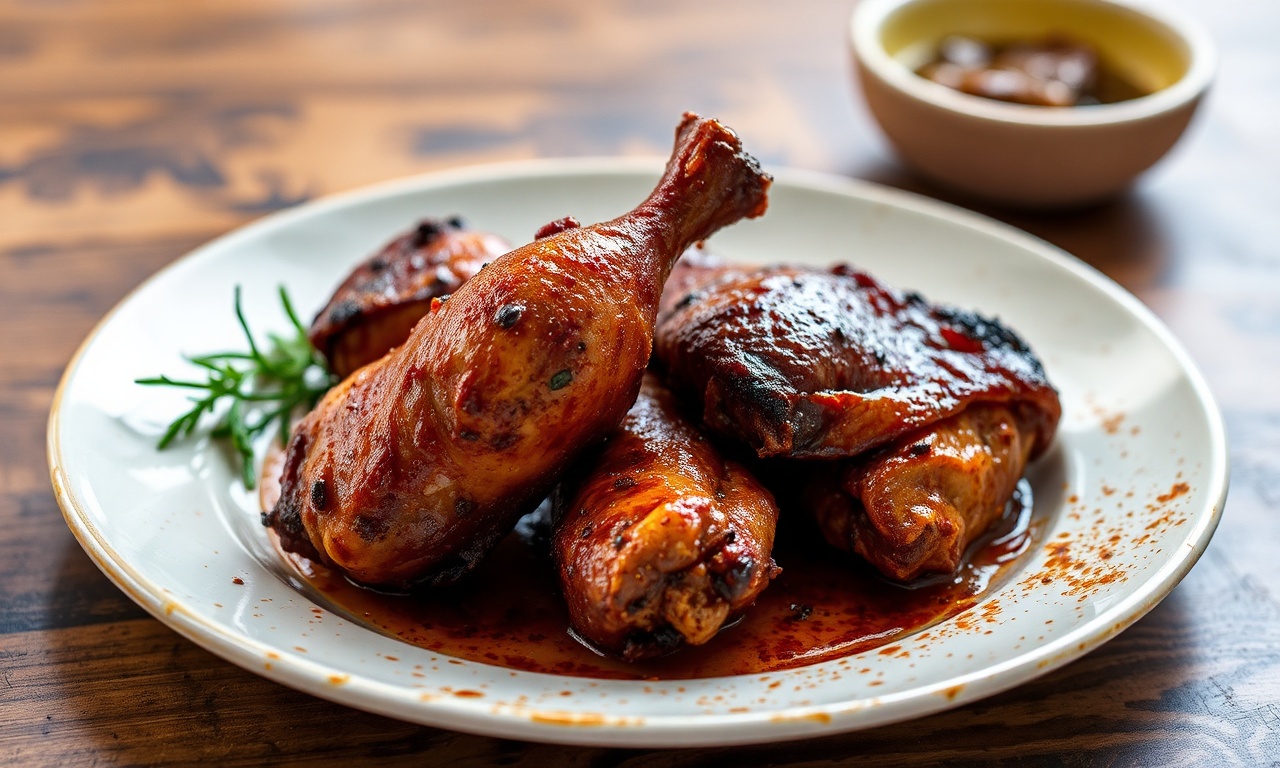
Jerk-style chicken delivers bold, smoky flavor that feels unmistakably Caribbean. This guide focuses on how to build authentic jerk-style chicken seasoning, then cook it for that signature char and juicy bite. You will get a clear method, practical timing, and ingredient guidance you can repeat at home.
- Prep and Cook Time
- Yield and Difficulty
- Ingredients for Authentic Jerk-Style Chicken
- Instructions: How to Make Jerk-Style Chicken
- Tips for Success
- Serving Suggestions to Complement Jerk-Style Chicken
- Q&A: Authentic Jerk-Style Chicken
- What exactly is jerk-style chicken, and what makes it unique?
- Which ingredients are essential in a traditional jerk marinade?
- How do Scotch bonnet peppers contribute to jerk chicken’s flavor?
- Why is slow or controlled cooking important for jerk chicken?
- How can I recreate smoky flavor without pimento wood?
- Final Thoughts
- At a Glance: Jerk-Style Chicken Checklist
- FAQ
- Build flavor with a balanced marinade of allspice, thyme, Scotch bonnet, and citrus.
- Control heat for true jerk: medium-high cooking plus proper resting prevents dryness.
- Choose chicken cuts that stay juicy, like bone-in, skin-on thighs.
- Match your smokiness to your tools, from charcoal to grill and oven adaptations.
Unlocking flavor starts with understanding what makes jerk-style chicken taste like jerk. Jamaican jerk flavor comes from a spice blend (often allspice, thyme, garlic, ginger, and pepper) plus a cooking method that adds smoke and caramelized char. When these pieces work together, the marinade penetrates and the crust forms.
Traditional jerk uses strong aromatics and a pepper-forward profile. The exact blend varies by household, but the core notes stay consistent: warm allspice, herbal thyme, garlic-gained depth, and citrus brightness. For background on the pepper and spice used in Caribbean cooking, see allspice.
Prep and Cook Time
Plan your schedule so the chicken has time to absorb the marinade. Jerk flavor improves with longer contact because acids and spices soften the surface while aromatics distribute through the meat. If you rush, you still get good flavor, but the result tastes flatter.
- Preparation: 20 minutes
- Marinating: 6-8 hours (ideally overnight)
- Cooking: 25-30 minutes
- Total Time: Approximately 7 hours (including marination)
Yield and Difficulty
This recipe makes enough for about 4 servings with hearty portions. If you want leftovers for sandwiches the next day, thighs hold up well because the dark meat stays moist after reheating.
Difficulty stays at Medium. You do not need special equipment, but you should measure spices, control grill or oven temperature, and follow the rest time. Consistency matters more than complexity.
Ingredients for Authentic Jerk-Style Chicken
Use the right ingredient format and balance. Bone-in, skin-on thighs offer the best combination of fat, texture, and heat tolerance. The skin crisps and chars without drying the meat if you cook at the right pace.
For pepper context, Scotch bonnet peppers supply the signature fiery heat and fruity aroma. Pair them with warm allspice and thyme so the heat tastes layered, not one-note.
Marinade and Chicken
- 4 chicken thighs, bone-in and skin-on
- 3 Scotch bonnet peppers, deseeded for less heat or left whole for more intensity
- 4 cloves garlic, minced
- 1 small onion, roughly chopped
- 2 teaspoons ground allspice
- 1 teaspoon dried thyme (or 2 teaspoons fresh thyme)
- 1 tablespoon brown sugar
- 1 tablespoon soy sauce
- 1/4 cup lime juice, freshly squeezed
- 2 tablespoons olive oil (or avocado oil)
- 1 teaspoon ground cinnamon
- 1 teaspoon grated fresh ginger
- Salt and freshly cracked black pepper, to taste
Even if you love heat, keep the marinade balanced. Lime juice adds acidity, sugar supports caramelization, and soy sauce deepens savoriness. This balance helps the spice crust form instead of burning into bitterness.
If you want a deeper sense of spice roles, read about marinade science. Acids and salt change flavor perception and surface texture, which affects how jerk tastes on the grill.
Instructions: How to Make Jerk-Style Chicken
Follow the steps in order for a consistent result. First you blend a smooth paste, then you marinate long enough for flavor transfer. After that, you cook with heat control to get char without overcooking.
When you cook, prioritize safe internal temperature and steady heat. For general poultry temperature guidance, review food safety principles. Target doneness around 165°F / 75°C, then rest the chicken.
Step 1: Blend the Marinade
- Blend the Marinade: In a food processor or blender, combine the Scotch bonnet peppers, garlic, onion, allspice, thyme, brown sugar, soy sauce, lime juice, olive oil, cinnamon, ginger, salt, and pepper. Blend until you get a smooth, vibrant paste.
- Marinate the Chicken: Place the chicken thighs in a large bowl or sealable bag. Pour the marinade over the chicken and coat evenly. Cover and refrigerate for at least 6 hours, ideally overnight.
- Prepare the Grill or Oven: Preheat your grill to medium-high heat (about 400°F / 200°C) or your oven to 425°F (220°C). If grilling, oil the grates to reduce sticking.
- Cook the Chicken: Remove chicken from the marinade, let excess drip off, then grill skin-side down first. Cook about 10-12 minutes per side until nicely charred and cooked through (165°F / 75°C). For oven cooking, place chicken on a wire rack over a baking sheet and roast 25-30 minutes. Broil the last 3-5 minutes to deepen the char on the skin.
- Rest Before Serving: Rest the chicken 5 minutes so juices redistribute and the meat stays moist.
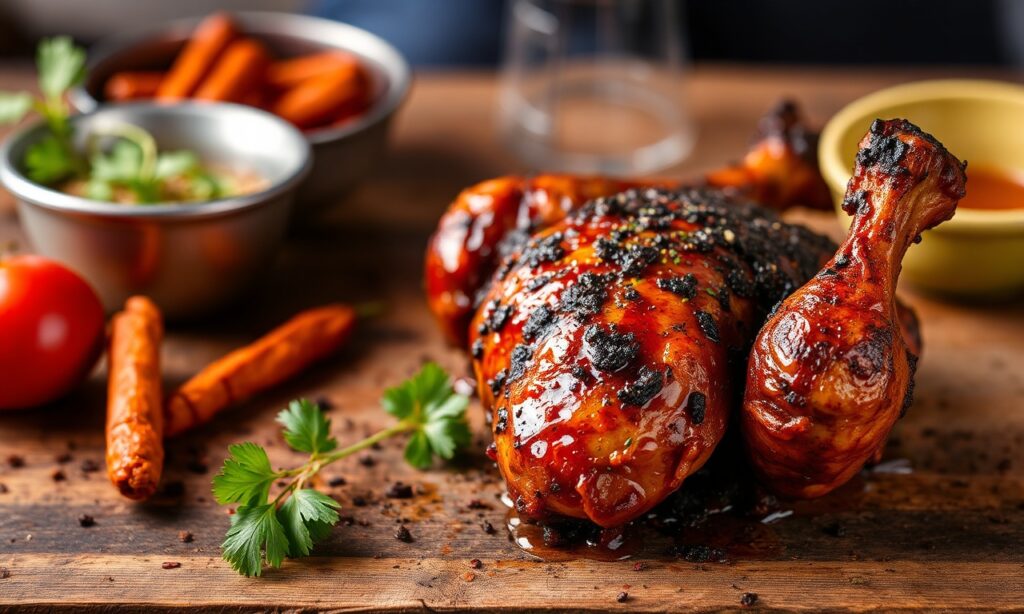
That even coverage matters because jerk chicken relies on a flavor crust. When spices coat the skin uniformly, heat caramelizes the sugar and toasts the aromatics. The result tastes smoky, warm, and rich instead of harsh or uneven.
For a clearer view of how smoke and heat impact flavor, you can reference smoke chemistry in general terms. While home cooking cannot fully match pimento wood every time, you can still create a smoky impression through grill char and controlled broiling.
Tips for Success
Small adjustments improve jerk-style chicken more than “secret” ingredients. Your goal is strong flavor at the surface plus tender, juicy meat inside. When you get both, the dish tastes balanced and authentic.
- Marinate Longer: For richer flavor, marinate up to 24 hours. Acidity tenderizes the surface, and spices deepen over time.
- Balance the Heat: Scotch bonnet seeds increase fire. Remove them for gentler heat, or keep them for a hotter profile.
- Manage Grill Technique: Use minimal flipping. High heat plus deliberate placement helps you form caramelized grill marks and a crisp skin.
- Choose Bone-In Skin-On: Fat under the skin helps keep the chicken moist while the skin crisps and chars.
- Make-Ahead: Blend and refrigerate marinade up to 3 days. Label your container clearly and keep it cold until use.
If you enjoy deeper research on spice history and use, thyme provides useful context on how herbs anchor warm profiles. In jerk-style chicken, thyme acts like a backbone that prevents the dish from tasting only peppery and citrusy.
Serving Suggestions to Complement Jerk-Style Chicken
Jerk-style chicken thrives when you balance heat with cool, sweet, and starchy sides. Think of your plate as a set of contrast tools: acid brightness cuts through spice, creamy beans soothe, and sweet fruit rounds the edges.
Start with a mango salsa. Dice ripe mango, add red onion and cilantro, then finish with lime juice. The fruit sugars temper the pepper heat, while citrus brightens every bite.
Next, serve rice and peas for a classic Jamaican pairing. Kidney beans (red beans) simmered with coconut milk and thyme create a creamy base that soaks up jerk juices. If you want a reference on the concept of peas and legumes in general, see legumes.
For extra texture, add fried plantains or grilled pineapple. Plantains offer caramelized sweetness, and pineapple adds a clean tart note that pairs with char. Finish with lime wedges and a pinch of chopped scallions for fresh aroma.
If you want something lighter, serve a crisp green salad with a simple vinaigrette. For a palate-reset option, cucumber relish works well because it cools the mouth between bites.
| Nutrient | Per Serving |
|---|---|
| Calories | 350 kcal |
| Protein | 30 g |
| Carbohydrates | 6 g |
| Fat | 22 g |
If you want broader context for how “jerk” developed as a cooking style, you can consult jerk. This will help you connect cooking technique, spice identity, and cultural roots without adding new steps to your recipe.
Q&A: Authentic Jerk-Style Chicken
Below are the questions home cooks ask most often. Use the answers to troubleshoot timing, heat, and smokiness so your next batch tastes more like jerk and less like “spicy grilled chicken.”
When you adjust one variable at a time, you learn faster. Change either marinating time or cooking method, not both, so your results stay predictable.
What exactly is jerk-style chicken, and what makes it unique?
Jerk-style chicken is a Jamaican preparation known for smoky heat and aromatic spices. The key traits come from a pepper-and-spice marinade plus cooking that creates char and a spice crust.
The blend often includes allspice, thyme, garlic, ginger, and Scotch bonnet. The balance of heat, sweetness, and citrus helps the flavor stay complex instead of one-dimensional.
Which ingredients are essential in a traditional jerk marinade?
Allspice (pimento) and Scotch bonnet peppers form a strong flavor base. Fresh thyme, garlic, and ginger add herbaceous warmth and pungency, while citrus and sugar support the marinade’s depth.
Salt and umami ingredients (like soy sauce) make the flavors taste fuller. When you keep that structure, you can adjust pepper levels and still get authentic jerk character.
How do Scotch bonnet peppers contribute to jerk chicken’s flavor?
Scotch bonnet peppers deliver intense heat paired with a fruity, aromatic note. That aroma matters because jerk-style chicken tastes like smoke plus spice, not just pepper burn.
If you seed the peppers, you reduce heat while preserving flavor. If you keep seeds, you increase fire and boost the marinade’s overall intensity.
Why is slow or controlled cooking important for jerk chicken?
Jerk cooking relies on steady heat so the chicken cooks through while the skin chars properly. Too much direct heat can burn the sugar and spices before the meat finishes.
A moderate medium-high approach, plus a short rest after cooking, keeps the chicken juicy and improves texture. Char should taste toasty and smoky, not bitter.
How can I recreate smoky flavor without pimento wood?
You can mimic smokiness with your cooking method. A charcoal grill adds real smoke, and a hot grill plus controlled broiling can deepen char on the surface.
For a gentle smoky note, use a small amount of smoked spice (sparingly) rather than relying on a heavy hand. Focus on balanced marinade flavor first, then add smoke as a seasoning layer.
Final Thoughts
Authentic jerk-style chicken is more than bold heat. It is a careful balance of aromatic spices, pepper character, and cooking that builds char without drying the meat. When you follow the marinade ratios and control your temperature, the method works every time.
So, build your spice paste, marinate with patience, and cook with intention. If you treat jerk-style chicken like a technique—not just a flavor—you will earn the smoky, vibrant profile that makes this dish a true Caribbean classic.
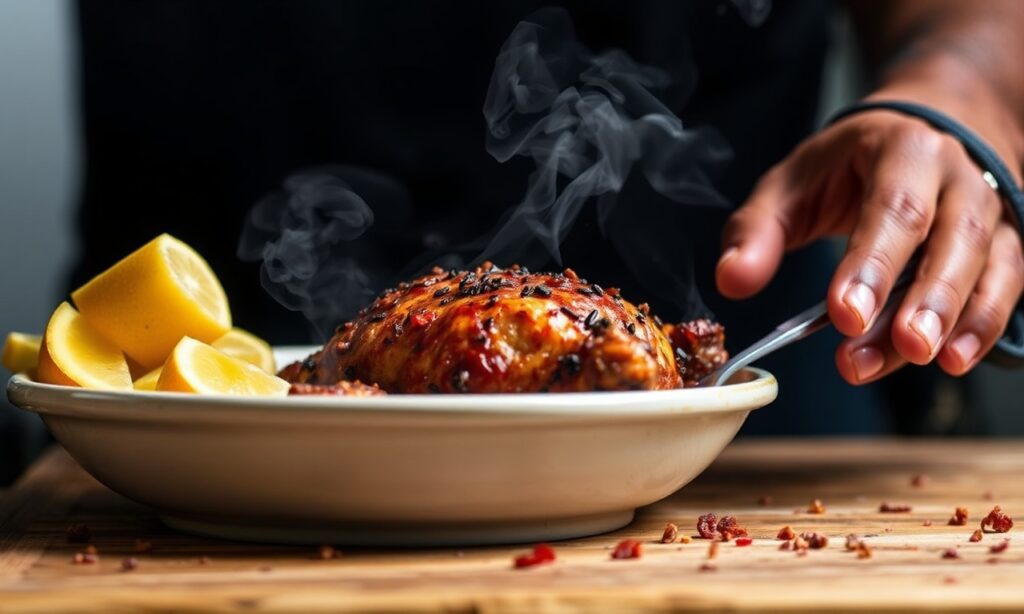
At a Glance: Jerk-Style Chicken Checklist
Use this checklist as your last review before you cook. It keeps your process tight and helps you avoid the two common issues: bland marinade coverage and dry overcooked chicken.
- Marinate: at least 6 hours, ideally overnight.
- Coat well: blend until smooth and spread evenly.
- Cook correctly: 165°F / 75°C, with char on the skin.
- Rest: 5 minutes before serving.
FAQ
These quick answers help you get better results fast. If you still feel unsure, focus on one change at a time next cook so you learn how your heat and time affect the final taste.
How long should I marinate jerk-style chicken?
Marinate at least 6 hours. Overnight marination gives deeper spice flavor and better aroma.
Can I use chicken breasts instead of thighs?
You can, but thighs stay more forgiving. If you use breasts, cook slightly shorter and watch the temperature closely.
How spicy should jerk-style chicken be?
Adjust Scotch bonnet peppers to your preference. Keep some heat for authenticity, but seed them for gentler warmth.
What’s the best cooking method?
Charcoal or grill produces the most authentic smoke and char. An oven with a wire rack plus broiling still creates excellent crust.
Can I freeze marinated chicken?
Yes. Freeze in an airtight bag after blending marinade and coating the chicken. Thaw in the refrigerator, then cook within 24 hours for best texture.
See also: Jerk-style chicken