

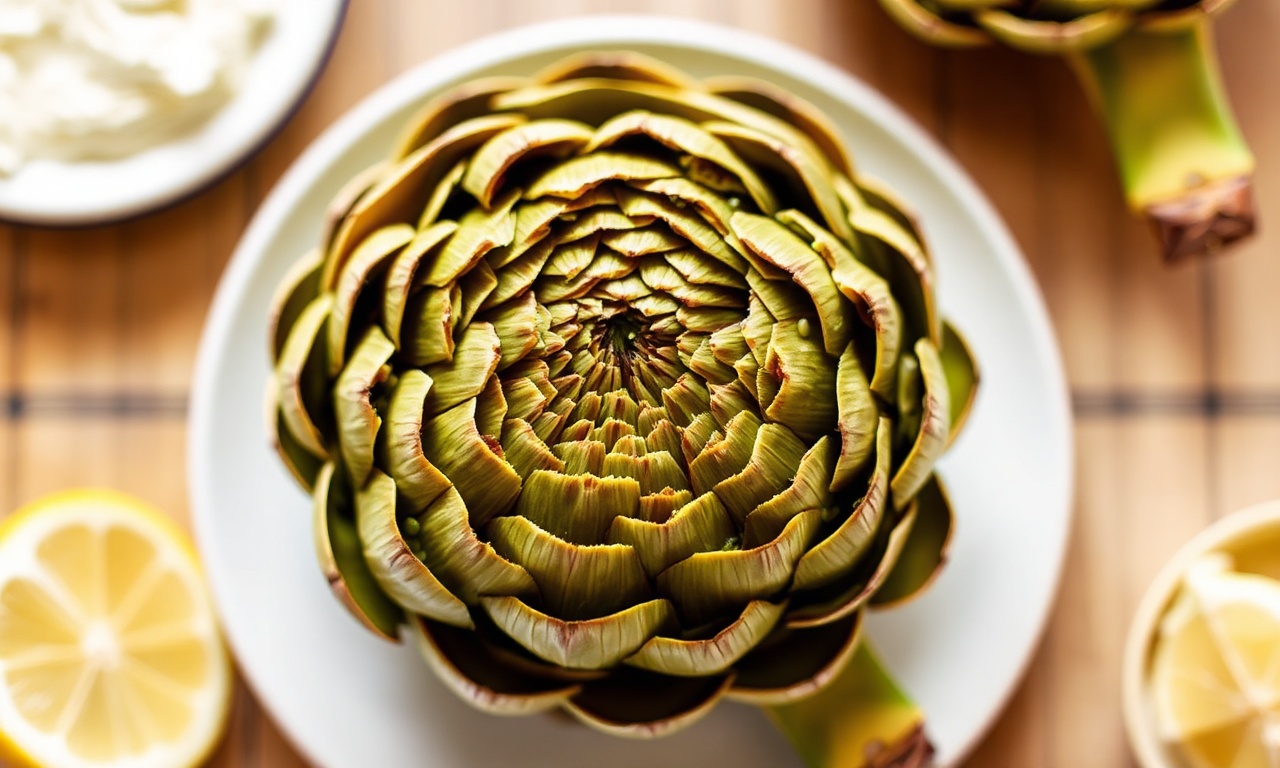
Steamed Artichokes With Zesty Lemon Butter: The Fast Path to Big Flavor
Steamed artichokes taste simple, but the method makes all the difference. With gentle steam and a bright lemon butter, you get tender leaf “meat,” a clean, buttery heart, and a dip that keeps each bite exciting.
- Steamed Artichokes With Zesty Lemon Butter: The Fast Path to Big Flavor
- How to Pick the Right Artichokes (Freshness = Better Texture)
- Trim and Prep Like a Chef (So Grit Never Ruins the Bite)
- Master the Steam: Timing, Heat, and Doneness Tests
- Zesty Lemon Butter: The Dip That Turns Leaves Into a Treat
- Serve It the Right Way: Build a “Dipping Ritual”
- Recipe: Steamed Artichokes With Zesty Lemon Butter (45 Minutes)
- Troubleshooting: Fix Common Artichoke Problems
- Make-Ahead and Storage Tips
- FAQ: Steamed Artichokes With Lemon Butter
- Do I have to remove the “choke”?
- How long do steamed artichokes take?
- Can I steam artichokes without lemon?
- What if my lemon butter tastes too sour?
- Are steamed artichokes healthy?
- Quick Recap
You can serve these as an appetizer, a light main, or a crowd-pleasing starter. Once you know the timing and the dip ratio, you’ll repeat this recipe without hesitation.
At a Glance
- Choose artichokes that feel heavy and keep the leaves tightly closed.
- Steam with a tight lid until the base turns knife-tender.
- Make lemon butter with fresh juice + zest for real brightness.
- Test doneness with the “leaf pull” near the center.
How to Pick the Right Artichokes (Freshness = Better Texture)
Start at the market. Fresh artichokes steam up sweeter and more tender, while older ones can taste woody and pull apart instead of staying cohesive.
Look for artichokes with compact, tightly packed leaves. The color should look rich green (or deep purple, depending on variety), not dull or dry at the tips. If you can, weigh them in your hand: fresh heads often feel heavier than you expect.
Quick Freshness Checks That Actually Work
Use small physical tests to avoid guesswork. Gently squeeze the artichoke head: it should feel firm, not spongy. Then check the stem end for dryness or darkening.
Also inspect leaf edges. Fresh leaves look intact and crisp, not ragged or curling badly. A light squeak or subtle snap when you press leaves together usually signals good moisture.
If you want more background on the vegetable itself, the nutrition and plant notes at artichoke can help you understand what “tender” really means for this crop.
Trim and Prep Like a Chef (So Grit Never Ruins the Bite)
Prep takes about 10 minutes, and it protects your flavor. The goal is to remove sharp tips for easier eating and rinse well so you don’t taste grit between leaves.
Trim the stem to about 1 inch from the base. Then snip the very top of each leaf with kitchen shears. This step also makes the steaming basket easier to handle.
Rinse With Intent, Not Speed
Artichokes hold dirt in layers. Rinse under cool running water, then gently pull leaves apart just enough to let water reach inside.
If you rinse thoroughly, you won’t need aggressive soaking. Soaking can soften outer leaves before steaming, which makes timing harder.
For the science angle on why steam works so well on plant textures, you may find general cooking context helpful at steaming.
Master the Steam: Timing, Heat, and Doneness Tests
Steaming cooks artichokes through moisture and gentle heat. That approach keeps the leaves tender without drying them out or making them taste bland.
Use a wide pot and a steaming basket. Add water to about 2 inches deep so it doesn’t touch the base of the artichokes. Then bring the water to a steady simmer before you start timing.
Ideal Steam Conditions for Tender Leaves
Steam with the lid on tightly. A tight lid matters because steam heat must build and stay stable inside the pot. If you leave gaps, the temperature drops and your artichokes cook unevenly.
Place artichokes stem-side up. Cover and steam for 30–45 minutes, depending on size and freshness. Smaller heads usually finish closer to 30–35 minutes.
How to Know They’re Done (Don’t Rely on a Timer Alone)
Use two doneness checks. First, pierce the base with a knife. It should slide in with little resistance. Second, pull a leaf near the center: it should detach easily and show tender flesh on the underside.
When you overcook, outer leaves can turn dry and harder to enjoy. When you undercook, the base stays tough and the leaves pull away without much edible portion.
Zesty Lemon Butter: The Dip That Turns Leaves Into a Treat
Artichokes have a mild, slightly nutty taste. Lemon butter adds brightness and fat, which helps each leaf taste more “complete.” The mix should feel creamy, not oily, and should taste fresh—not sour or flat.
You can make it while the artichokes steam. That timing keeps everything warm and ready.
Reliable Lemon Butter Ratio (Bright + Creamy)
Use softened unsalted butter as your base. Whisk in freshly squeezed lemon juice plus lemon zest, then season with a small pinch of flaky sea salt.
Add black pepper if you like. If you want herbs, mix in finely chopped chives or parsley right at the end so they stay vivid.
Butter flavor chemistry ties closely to taste perception. For general background on dairy fat and cooking, you can read about butter.
Optional Upgrades (Choose One)
If you want deeper flavor, add one accent—don’t overload the dip. Garlic butter pairs well with artichoke’s earthy note, and it stays classic.
Or add a tiny pinch of smoked paprika for warmth. You can also stir in finely grated Parmesan, but keep the amount small so the lemon still leads.
Serve It the Right Way: Build a “Dipping Ritual”
Presentation controls how people experience food. When you serve artichokes warm with a bowl of lemon butter, guests naturally slow down and focus on each leaf.
Arrange artichokes on a wide platter. Place lemon wedges on the side, and keep the dip in a small bowl so it sits at the table.
How to Eat Steamed Artichokes (So Everyone Gets the Best Bite)
Start at the outer leaves. Pull one leaf, dip only the fleshy end into the butter, then scrape with your teeth. Work your way inward as leaves get more tender.
The heart comes last. After you remove the center leaves and fuzzy choke (if present), you’ll reach the tender heart that tastes richer and more buttery.
Easy Pairings That Don’t Compete
Artichokes work best with flavors that refresh the palate. A simple lemony salad, crunchy roasted nuts, or cherry tomatoes add contrast without overpowering the dip.
If you want a more Mediterranean-style spread, serve with olives and a piece of crusty bread to scoop up any leftover butter.
Recipe: Steamed Artichokes With Zesty Lemon Butter (45 Minutes)
This recipe serves about 4 as an appetizer or light side. It’s easy, repeatable, and built around the two things that matter most: gentle steam and fresh lemon butter.
Plan for about 10 minutes prep and 30–45 minutes steaming.
Ingredients
- 4 medium globe artichokes, fresh and firm
- 1 lemon, halved (juice + zest)
- 2 tbsp unsalted butter, softened
- 1 tbsp fresh lemon juice
- 1/4 tsp flaky sea salt
- Freshly cracked black pepper, to taste
- 2 cups water (for steaming)
- 2–3 tbsp chopped fresh parsley or chives (optional)
Instructions
- Trim and prep: Trim stems to about 1 inch. Snip leaf tips with kitchen shears. Rinse under cool water, gently spreading leaves to remove grit.
- Set up the steamer: Add 2 cups water to a wide pot and fit with a steaming basket. Squeeze one lemon half into the water and drop in the rind. Bring to a simmer.
- Steam: Place artichokes stem-side up. Cover tightly and steam 30–45 minutes until the base is knife-tender and leaves pull away easily near the center.
- Make lemon butter: In a bowl, whisk softened butter with lemon juice, lemon zest, salt, and black pepper. Stir in herbs if using.
- Serve: Drain artichokes and serve warm. Place lemon butter on the side and encourage dipping the fleshy part of each leaf.
Troubleshooting: Fix Common Artichoke Problems
If your first batch isn’t perfect, don’t worry—artichokes respond well to small adjustments. Most issues come from either size mismatch or skipping doneness checks.
Use these quick fixes to improve texture and flavor next time.
Why Your Artichokes Might Taste Bland
If the flavor feels flat, you may need more lemon in the steam water or a slightly stronger butter seasoning. Lemon zest adds aroma, not just acidity.
Also ensure you’re using fresh lemon juice. Bottled juice can taste dull, which makes the overall dish seem less bright.
Why Leaves Feel Dry or Tough
Dry leaves often mean overcooking or steaming with too much air leakage from the lid. Reduce steam time next batch, and keep the lid tight.
If the pot is too small and steam escapes, heat won’t stay consistent. Use a wide pot for even steam distribution.
Make-Ahead and Storage Tips
You can prep artichokes ahead, but keep them protected from drying out. Lemon butter also holds well and tastes better after the flavors meld for a short time.
This helps you serve with less stress and better timing for guests.
Lemon Butter Storage
Store lemon butter in the refrigerator in a sealed container for up to 3 days. When you’re ready to serve, let it sit at room temperature or warm it gently for a smooth texture.
A quick reminder: butter softens as it warms, so avoid overheating. You want it creamy, not melted and separated.
Reheating Steamed Artichokes
Reheat artichokes gently with steam for a few minutes. Microwaving can overcook outer leaves, so steam keeps texture closer to fresh.
They taste best right after steaming, but careful reheating prevents the worst drying.
FAQ: Steamed Artichokes With Lemon Butter
Do I have to remove the “choke”?
Yes, for the heart bite. After you reach the center, scrape out the fuzzy inner choke fibers. The heart underneath is tender and mild.
How long do steamed artichokes take?
Most medium globe artichokes cook in 30–45 minutes. Size and freshness decide the exact time, so use the base tenderness and leaf-pull tests.
Can I steam artichokes without lemon?
You can, but lemon improves aroma and adds brightness. If you skip it, you may want to boost lemon in the butter and garnish with extra zest.
What if my lemon butter tastes too sour?
Whisk in a little more softened butter, then add a tiny pinch of salt. Fat balances acidity. Taste again and adjust until it feels creamy and bright.
Are steamed artichokes healthy?
They’re generally a smart choice because they’re high in fiber and relatively low in calories. Steaming also avoids added oil, and the main added fat comes from your butter dip.
Quick Recap
Pick firm, heavy artichokes. Trim and rinse well. Steam until the base turns knife-tender, then dip the tender leaf ends into zesty lemon butter.
Once you nail timing and doneness, you’ll get a repeatable, restaurant-style result in under an hour.
If you want broader plant context, you can also read about vegetables and how cooking methods affect texture.
See also: steamed artichokes