
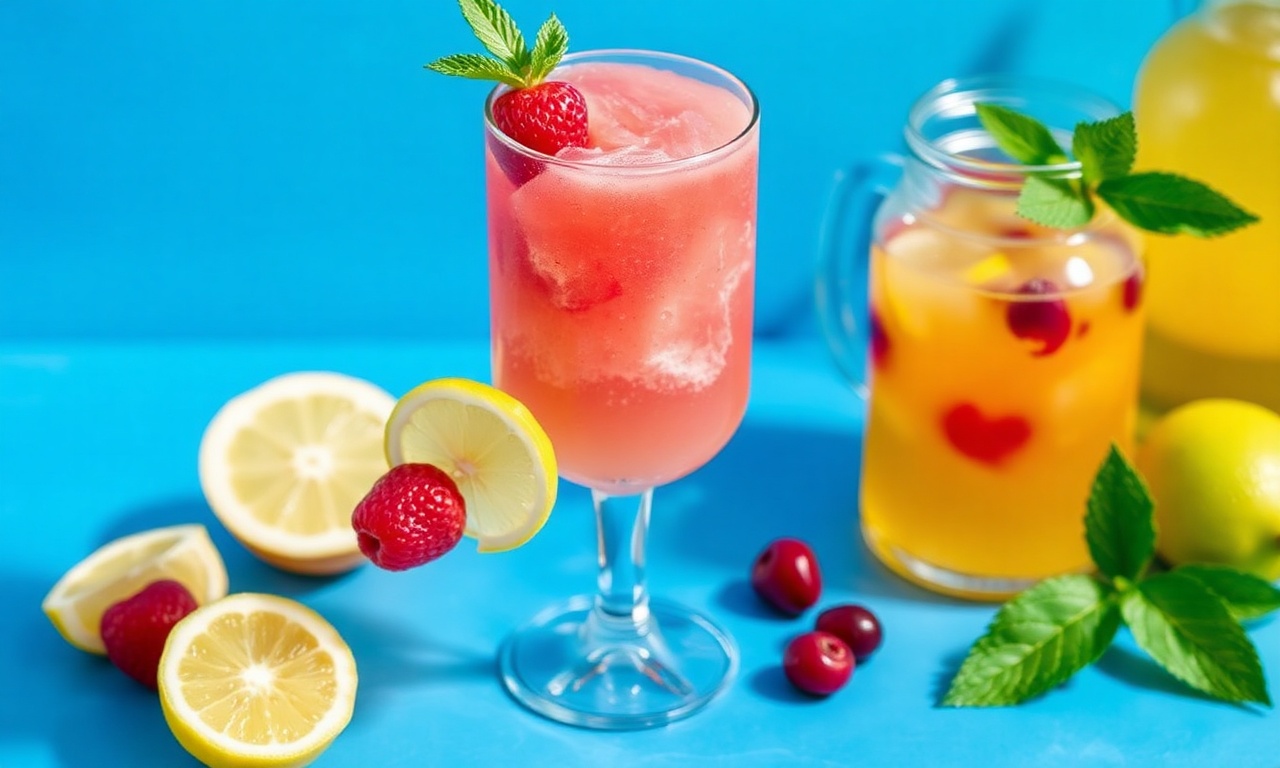
When the heat presses down and your drink warms too fast, Arnold Palmer sorbet delivers quick relief. You get the classic pairing—lemonade brightness plus iced tea depth—transformed into a spoonable frozen treat.
- Why Arnold Palmer Works So Well as Sorbet
- Texture Is the Whole Point (No Grain Required)
- Ingredients You’ll Need (And What They Do)
- Equipment: What You Really Need
- Step-by-Step: Arnold Palmer Sorbet Recipe
- 1) Make the simple syrup
- 2) Brew the tea (then cool it)
- 3) Mix the sorbet base
- 4) Chill the base
- 5) Churn to soft-serve consistency
- 6) Harden and scoop
- Without an Ice Cream Maker: The Stir-Freezing Method
- Flavor Variations That Still Feel Like Arnold Palmer
- Serving Ideas That Make It Look Restaurant-Grade
- Storage, Make-Ahead, and Food Safety
- Troubleshooting: Fix Common Sorbet Problems
- Problem: It’s icy or grainy
- Problem: It’s too sour
- Problem: It tastes watery
- Problem: It freezes too hard
- FAQ
At a Glance
- Cold flavor payoff: chilling sharpens lemon and cools tea notes, so you balance acidity with sweet syrup.
- Smooth texture: fully dissolve sugar, chill the base, and churn early to reduce ice crystals.
- Best tea for classic taste: black tea fits iced tea flavor; adjust steep strength for your palate.
- Make-ahead wins: rest the base so flavors meld and the mix chills evenly.
Why Arnold Palmer Works So Well as Sorbet
The Arnold Palmer flavor profile comes from two clear parts: lemonade for citrus brightness and brewed tea for a darker, slightly bitter backbone. Together, they taste crisp, refreshing, and unmistakably “summer” from the first spoon.
In sorbet form, the same ingredients behave differently. Sugar lowers the freezing point, which helps the mixture stay soft-scoop instead of turning into a hard ice block. That freezing-point effect connects directly to freezing point depression, explained in freezing point depression.
What to expect from the flavor balance
The lemon keeps the sorbet bright and aromatic. Meanwhile, tea adds structure and gentle bitterness, so the flavor reads “tea-lemon” instead of “sweet lemonade.”
When you freeze properly, those notes feel rounded and clean. If you under-chill or under-churn, you often get dull flavor and a slightly icy mouthfeel that mutes the lemon.
How cold changes tea taste
Black tea contains tannins and other soluble compounds that create iced tea’s signature body. Cold temperature usually makes sharpness feel smoother, so the drink tastes more balanced when frozen.
If you want to understand what tea leaves contribute, see tea. Brewing time, water temperature, and tea strength control the mix of soluble flavors you’ll freeze into your sorbet.
Texture Is the Whole Point (No Grain Required)
Sorbet texture comes down to ice crystal size. If crystals grow large, the sorbet feels grainy. If crystals stay small, the mouthfeel stays creamy, even without dairy.
You control crystal size with three practical levers: fully dissolved sugar, a well-chilled base, and consistent freezing. Any sugar that doesn’t dissolve can freeze unevenly and create rough texture.
The “sugar dissolves” rule
Use a quick simple syrup so the sugar dissolves completely. Heat only until the sugar turns clear and fully liquid, then cool the syrup before mixing.
This matters because sorbet sits in the freezer for hours. Better dissolution means less risk of sandy texture from any partially crystallized sugar.
The “base chills first” rule
Chill the base for at least 2 hours before churning. A cold base starts freezing fast, which helps limit crystal growth during the earliest stages.
If the base enters the machine warm, you may churn longer to reach the same stage. That extra time often increases crystal size and reduces that clean, scoopable texture.
Ingredients You’ll Need (And What They Do)
You can make Arnold Palmer sorbet with a short ingredient list. Even so, each item does a specific job: sweetness for scoopability, tea body for taste, and lemon for the signature bite.
Use this checklist to avoid common issues like weak tea flavor or icy mouthfeel. When the base tastes right before freezing, the finished sorbet usually follows.
Core ingredients
Black tea (1½ cups brewed, cooled): Choose black tea for the closest match to classic iced tea. Steep until bold, but don’t overdo it, since bitterness can intensify after freezing.
Lemon juice (1 cup): Use freshly squeezed lemon juice for bright aroma. Bottled juice works too, but fresh usually tastes cleaner and more vivid once it’s frozen.
Sweetness and texture builders
Granulated sugar (¾ cup): Sugar sweetens the sorbet and helps it scoop. It also lowers the mixture’s freezing point, which keeps the texture softer, explained through freezing point depression.
Water (1 cup): Water helps you make a syrup that dissolves sugar evenly. Even distribution supports smooth freezing and fewer icy spots.
Optional boosts
Lemon zest (2 teaspoons, optional): Zest adds fragrant oils that juice alone can’t fully supply. If you want more citrus lift, add zest during the mixing step or the base stage.
Pinch of salt: Salt sharpens perceived flavor contrast. It helps lemon taste more “lemony” and tea taste more like tea, without making the sorbet taste salty.
Equipment: What You Really Need
An ice cream maker makes sorbet easier because it churns while freezing. That movement breaks up ice crystals and speeds up the transition to a soft-serve texture.
You can still make Arnold Palmer sorbet without a machine. In that case, you must actively manage ice crystals by stirring during staged freezing.
Recommended tools
Ice cream maker: Many models churn and freeze at the same time. Follow your unit’s timing, but rely on texture cues more than a strict clock.
Fine strainer: Strain tea if you use loose leaves or extra-fine bits. A cleaner base freezes more evenly and avoids gritty particles.
Helpful prep items
Small saucepan: Use it for simple syrup. A small pot gives you better control while heating and cooling.
Shallow metal pan (optional): If you skip the machine, a metal pan freezes faster. Faster freezing often helps you keep crystals smaller.
Step-by-Step: Arnold Palmer Sorbet Recipe
Plan your time so the base chills before it hits the freezer or ice cream maker. This one step improves texture more than most shortcuts.
Also taste the base before freezing. Frozen flavors often feel slightly muted, so you want it a touch brighter than your final expectation.
1) Make the simple syrup
In a saucepan, combine 1 cup water and ¾ cup sugar. Heat on medium and stir until the sugar fully dissolves.
Remove from heat and cool the syrup. Chilled syrup helps the base cool faster and mixes more evenly.
2) Brew the tea (then cool it)
Steep black tea in hot water until bold. Remove tea bags or strain leaves, then cool to room temperature.
If you mix lemon juice into very hot tea, you can dull aroma. Citrus oils and scent notes matter because they carry through taste and smell after freezing.
3) Mix the sorbet base
Whisk cooled tea, lemon juice, simple syrup, and lemon zest (if using). Add a pinch of salt, then whisk until uniform.
Adjust now. If the lemon tastes too sharp, add a small amount of extra cooled syrup. If you’re short on syrup, dissolve a teaspoon of sugar in warm water, whisk it in, and cool again.
4) Chill the base
Cover and refrigerate for at least 2 hours. If you can wait longer, the flavors meld and the base chills more evenly.
A colder base churns efficiently and reaches the soft-serve stage with less time spent in a slow-freeze “in-between” zone. This reduces the chance of gritty ice crystals.
5) Churn to soft-serve consistency
Pour the chilled base into your ice cream maker. Churn until it resembles soft-serve, usually about 20–30 minutes, depending on your machine.
At that stage, the mixture has trapped less free water as ice. It forms a finer structure that supports scoopable texture once you harden it.
6) Harden and scoop
Transfer to an airtight container and freeze for 2–4 hours to firm up. Keep the lid sealed to reduce surface freezer burn.
Serve by scooping into chilled bowls. If it feels too hard, let it sit at room temperature for 5–10 minutes, then scoop and serve.
Without an Ice Cream Maker: The Stir-Freezing Method
You can make smooth Arnold Palmer sorbet without an ice cream maker. The goal stays the same: keep ice crystals small by breaking them up as the mix freezes.
Use a shallow pan to speed up freezing. Faster freezing supports smaller crystals, which improves mouthfeel.
How to do it
Pour the chilled base into a shallow, freezer-safe metal pan. Freeze until the edges start to firm, usually about 45–60 minutes.
Scrape and stir vigorously to break up half-frozen chunks. Repeat every 30 minutes for about 2–4 hours, until the sorbet becomes scoopable.
How to know it’s ready
When you can scoop with a spoon and it holds shape without turning to watery shards, it’s ready. Then transfer to a container for final firming if you want a firmer scoop.
Be patient on the first try. Your freezer strength and pan thickness control freezing speed, so adjust the timing based on how quickly the edges firm.
Flavor Variations That Still Feel Like Arnold Palmer
The classic Arnold Palmer uses black tea and lemon. But the idea behind it is balance: tea bitterness and citrus brightness in harmony.
You can swap ingredients and still keep that signature taste. Keep the sweet-tart ratio steady, and your sorbet will stay recognizable.
Tea swaps
Try green tea for a lighter, slightly more grassy profile. Use less steep time at first, because weaker green tea can taste dull after freezing.
If you use herbal blends, watch the bitterness structure. Many herbs bring flavor but lack the tannin body that black tea provides.
Fruit and herb accents
Add a small amount of finely chopped mint after chilling, then strain. Mint lifts aroma, which makes the sorbet feel even more refreshing.
For a fruit twist, steep the tea with mild fruit notes or add a small spoon of fruit puree. Go small, because extra solids and water can shift freezing behavior and texture.
Serving Ideas That Make It Look Restaurant-Grade
Presentation changes perceived flavor. Aroma matters as much as taste, so garnish at the right moment and in the right amount.
Serve when the sorbet softens slightly for the best scoop. If it melts too fast, you waited too long; shorten the rest time next serving.
Quick garnish options
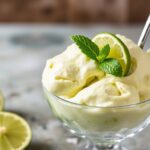
Use a thin lemon wheel, a pinch of zest, or a small mint sprig. Keep garnish minimal so it supports the tea-lemon balance instead of overpowering it.
For a clean look, serve in clear glass bowls. The bright color reads “summer” instantly and boosts first-spoon excitement.
Pairing suggestions
Pair with shortbread cookies, or fresh berries for a tart contrast. The sorbet’s acidity cuts through sweet desserts and keeps each bite lively.
If you want a beverage pairing, try sparkling water or iced tea. That keeps the flavor theme consistent while adding texture through bubbles.
Storage, Make-Ahead, and Food Safety
Store sorbet in an airtight container to limit freezer burn. Freezer burn doesn’t make it unsafe, but it can dull flavor and create dry surface patches.
Because this recipe contains no dairy, your main concerns focus on temperature stability and hygiene during prep. Keep the base covered while it chills and avoid cross-contamination.
How long it lasts
For best quality, eat within about 1 week. After that, texture can shift as ice crystals gradually form and grow.
Keep your freezer stable and avoid frequent door openings on hot days. Heat exposure speeds up melt-and-refreeze cycles, which changes texture.
Make-ahead strategy
You can prepare the base a day ahead. Chill the base overnight, then churn next day for smoother texture and stronger melded flavor.
If you’re hosting, churn earlier and harden as guests arrive. This timing helps you hit ideal scoop consistency when people sit down.
Troubleshooting: Fix Common Sorbet Problems
Sorbet can misbehave even when ingredients are good. Most issues trace back to three causes: insufficient sugar, weak tea flavor, or poor chilling/freezing habits.
Use this guide to diagnose quickly. Then fix the cause, not just the symptom.
Problem: It’s icy or grainy
Often, the base didn’t chill long enough or the mix froze too slowly. Next time, chill at least 2 hours and churn to soft-serve consistency.
If you made it without a machine, stir more frequently during early freezing. Early crystal control matters more than one late stir.
Problem: It’s too sour
Lemon tastes sharper after freezing, so you may need to rebalance sweetness. Add extra sugar by whisking a little dissolved sugar into warm water, then refreeze.
Also taste the tea. If the tea tastes bland, lemon can feel harsh in comparison once frozen.
Problem: It tastes watery
Watery taste usually comes from weak tea or under-extraction. Brew bolder tea next time and keep your steep time consistent.
Remember that cold mutes flavor. A base that tastes slightly strong in the bowl often lands at the right intensity after freezing.
Problem: It freezes too hard
Too little sugar leads to harder freezing. Make sure your syrup dissolves fully and you measure the full sugar amount.
You can also let it sit for 5–10 minutes before serving. That short rest keeps scoops neat without turning it into a liquid dessert.
FAQ
What type of tea tastes most like an Arnold Palmer?
Use black tea. Its tannins and body match classic iced tea flavor better than many lighter teas. If you switch teas, start with a stronger steep so the base tastes bold before freezing.
For tea fundamentals, see tea.
Can I use bottled lemon juice?
Yes. Bottled lemon juice can work well, especially if it’s plain and unsweetened. Still, fresh lemon often delivers a brighter aroma in frozen form.
Taste the base before freezing and adjust sweetness if bottled juice tastes less “lemon-forward” than you expect.
How do I prevent ice crystals without an ice cream maker?
Use a shallow pan and staged freezing. Stir vigorously every 30 minutes early on so you break up half-formed ice crystals.
If you want the science behind softer texture, read about freezing point depression.
Is Arnold Palmer sorbet dairy-free and gluten-free?
This recipe is dairy-free because it uses no milk, cream, or butter. It’s also gluten-free as written, since there’s no flour or wheat-based ingredient.
Check tea labels for cross-contact and certification if you need strict gluten-free verification. Ingredient sourcing matters for sensitive diets.
Why does my sorbet separate or look uneven after freezing?
Uneven texture usually means the base wasn’t chilled well or sugar didn’t dissolve evenly. Cool your syrup completely, chill the mixed base at least 2 hours, and churn at the right soft-serve stage.
If you skipped a machine, follow a tighter stirring schedule early. Less frequent stirring during early freezing raises the odds of uneven ice-crystal structure.
See also: Arnold Palmer sorbet
Recommended Reading:
- Fiery Moroccan Chicken Tagine with Sweet Apricots Delight
- Jackfruit “Crab” Cakes with Zesty Old Bay Aioli Twist
- Beet Wellington with Mushroom Duxelle: A Veggie Masterpiece