

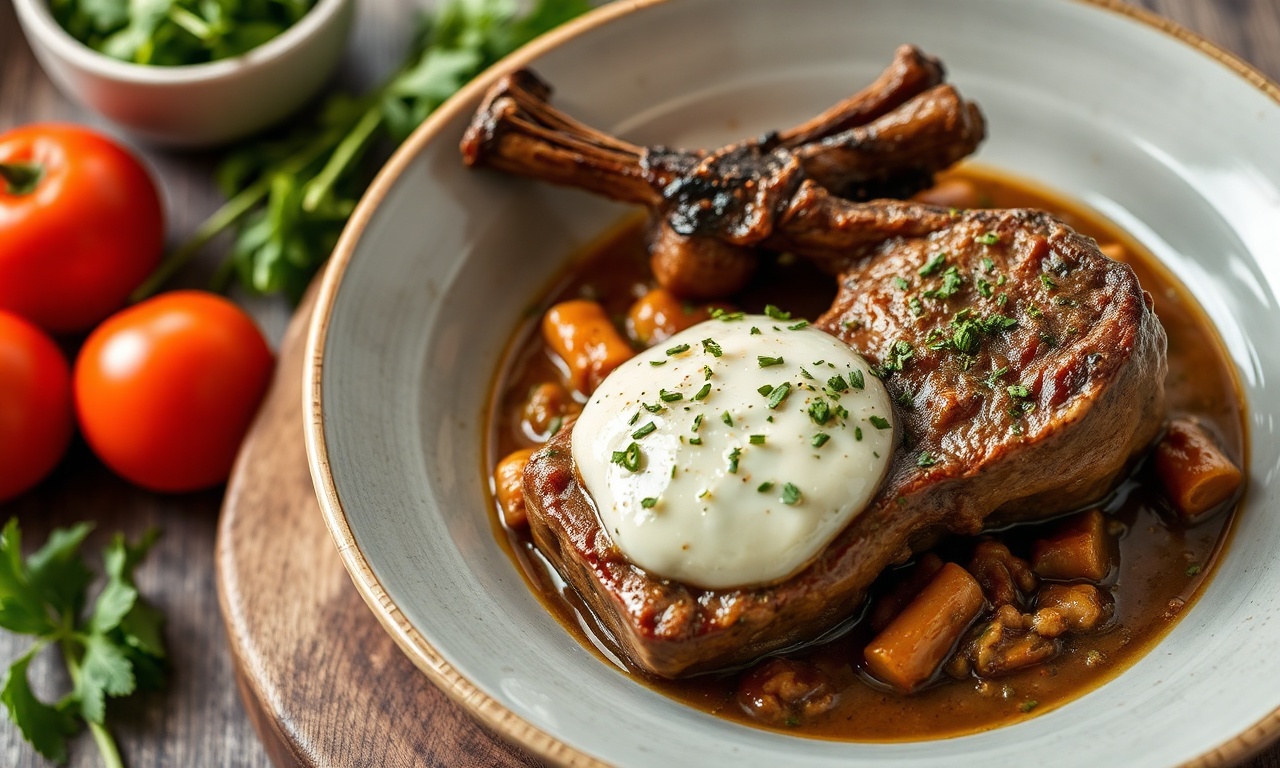
There’s something undeniably magical about a dish that transforms humble ingredients into a symphony of flavors through slow, patient cooking. Enter osso buco – a classic Italian masterpiece where tender veal shanks are lovingly braised until they reach melt-in-your-mouth perfection. But while tradition anchors this dish, a vibrant, zesty gremolata twist breathes new life into every forkful, cutting through the richness with a bright burst of fresh herbs, garlic, and citrus. This truly is an “Unforgettable Savory” experience.
We’ll explore the art of achieving that perfect slow-braised osso buco, and how the lively gremolata elevates it from comforting to unforgettable. Whether you’re a seasoned food enthusiast or a curious home cook, prepare to uncover the secrets behind this timeless classic reimagined for modern palates, offering an “Unforgettable Savory” taste.
The “Unforgettable Savory” Osso Buco with Gremolata
Unforgettable Savory Osso Buco with Gremolata is a culinary journey that awakens the senses and honors a timeless Italian tradition. Originating from Milan, this dish is revered for its melt-in-your-mouth veal shanks, slowly cooked to perfection in a fragrant tomato and vegetable broth. My first taste of osso buco came on a brisk autumn evening, and since then, the magic of slow braising – transforming humble ingredients into a rich and tender feast – has captivated me endlessly.
When it comes to Unforgettable Savory, the rich marrow, silky soft meat, and a punchy gremolata elevate this experience beyond ordinary dinners, making it a centerpiece for memorable gatherings and a festivity of hearty, soulful cooking.
Unforgettable Savory: Prep and Cook Time
- Preparation: 25 minutes
- Cook Time: 2 hours 45 minutes
- Total Time: 3 hours 10 minutes
Yield
Serves 4 hearty portions
Difficulty Level
In the context of Unforgettable Savory, Medium – perfect for those with some experience wanting to master tender slow braising techniques
Ingredients
- 4 veal shanks (about 1 ½ inches thick, approx.3 lbs total)
- 1 cup all-purpose flour, sifted for dredging
- 4 tbsp extra virgin olive oil
- 1 large onion, finely chopped
- 2 medium carrots, peeled and diced
- 2 stalks celery, diced
- 4 cloves garlic, minced
- 1 ½ cups crushed tomatoes (preferably San Marzano)
- 2 cups low-sodium vegetable broth
- 1 cup freshly squeezed orange juice
- 1 tbsp tomato paste
- 1 tsp dried thyme
- 2 bay leaves
- Salt and freshly ground black pepper, to taste
- Fresh flat-leaf parsley (about ½ cup finely chopped) for gremolata
- 2 cloves garlic, minced, for gremolata
- Zest of 1 lemon for gremolata
- 1 tbsp fresh lemon juice for gremolata
- 2 tbsp extra virgin olive oil for gremolata
Instructions
- Preheat your oven to 325°F (160°C). Pat the veal shanks dry and season generously with salt and pepper.
- Dredge each shank in the sifted flour, shaking off excess. This will help achieve a beautifully golden crust and thicken the braising liquid slightly.
- In a large oven-safe pot or Dutch oven, heat olive oil over medium-high heat. Sear the veal shanks until deeply browned on all sides – about 4 minutes per side. Work in batches if necessary. Transfer shanks to a plate and set aside.
- Lower the heat to medium, add onions, carrots, and celery. Sauté until softened and translucent, about 8 minutes, stirring occasionally to prevent sticking and encourage caramelization.
- Add minced garlic and tomato paste, stirring for 1 minute until fragrant. This step intensifies the base flavors dramatically.
- Pour in the crushed tomatoes, vegetable broth, and orange juice. Stir well, scraping up any browned bits from the pot’s bottom.
- Return the veal shanks to the pot, nestling them gently into the sauce. Add bay leaves and dried thyme. Bring the liquid to a simmer on the stovetop.
- Cover the pot and transfer to the oven. Braise slowly for about 2 ½ to 3 hours, or until the meat is so tender it nearly falls off the bone.
- While the osso buco braises, prepare the gremolata. In a small bowl, combine finely chopped parsley, minced garlic, lemon zest, lemon juice, and olive oil. Stir until vibrant and fragrant. Set aside.
- Once braised, carefully remove the veal shanks and cover loosely with foil to rest. Simmer the braising liquid on the stovetop for 5-10 minutes to thicken slightly and concentrate flavors.
- Serve the tender veal shanks generously spooned with the rich braising sauce, and finish with a vibrant sprinkle of the zesty gremolata. This fresh topping cuts through the richness and awakens the palate with bright, herbal notes.
Why Unforgettable Savory Matters: Tips for Success
- Use fresh veal shanks with ample marrow – this is key for authentic osso buco’s indulgent richness.
- Patience is your ally. Slow braising at low temperature ensures perfect tenderness. Avoid rushing the cook time.
- For extra depth, sear vegetables separately after removing the shanks, then deglaze with orange juice before adding tomatoes and broth.
- Gremolata can be made ahead and refrigerated tightly wrapped; add just before serving to maintain brightness.
- Leftovers taste even better the next day as flavors meld beautifully – reheat gently on stovetop with a splash of broth.
Serving Suggestions and Wine Pairings to Complement Your Feast
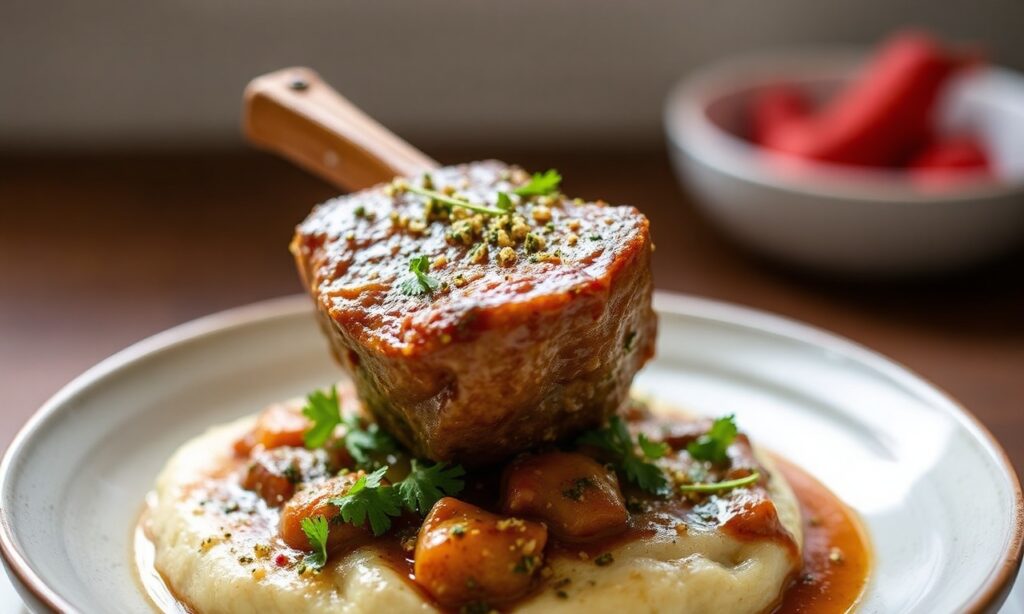
Unforgettable Savory Osso Buco with Gremolata comes to life served atop creamy mashed potatoes, a saffron-infused risotto, or a smooth polenta, each a luxurious base to soak up the luscious sauce. A scattering of gremolata not only adds a burst of freshness but also an irresistible visual contrast, its vibrant green and lemon flecks turning every bite into an experience.
Around Unforgettable Savory, For wine pairings that harmonize with the robust, citrus-kissed flavors, consider a medium-bodied Rosso Toscano or an elegant aged Barbera. These Italian reds enrich the savory richness of the veal while complementing the gremolata’s herbal brightness.
Regarding Unforgettable Savory, If you prefer white, a full-bodied Verdicchio with crisp acidity and subtle fruit notes offers an uplifting companion to the dish.
| Nutritional Information (per serving) | Calories | Protein | Carbs | Fat |
|---|---|---|---|---|
| Osso Buco with Gremolata | 520 kcal | 45 g | 18 g | 25 g |
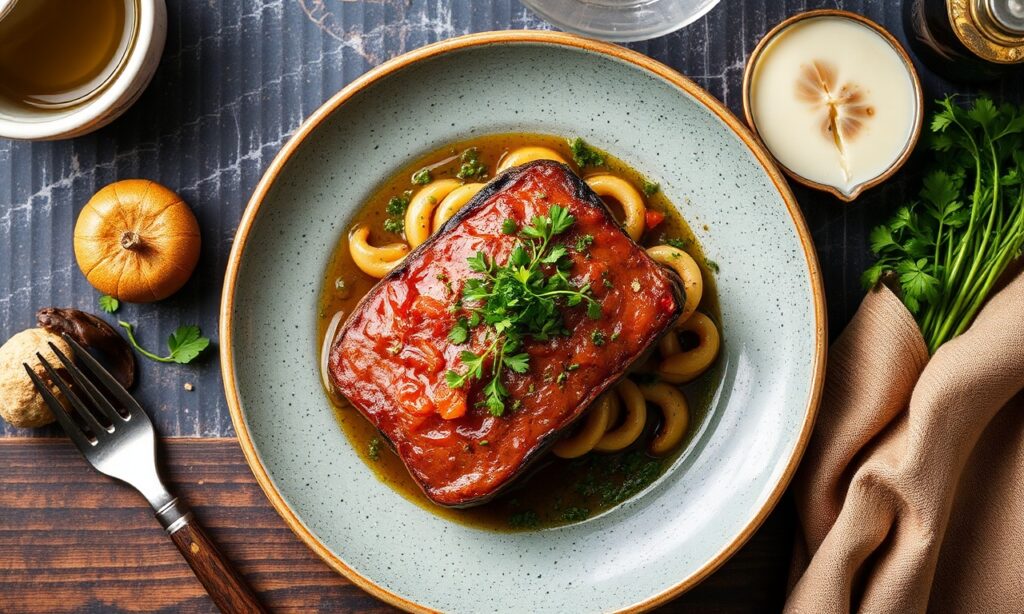
When it comes to Unforgettable Savory, Discover more slow-cooked Italian classics like Classic Veal Ragu Recipe to expand your culinary repertoire and savor the depths of Italian comfort food.
Q&A
Q&A: Unforgettable Savory Osso Buco with Gremolata
In the context of Unforgettable Savory, Q1: What makes osso buco a standout dish in the world of slow-cooked meals?
A1: Osso buco shines because of its beautifully tender meat that falls off the bone, thanks to hours of gentle braising. The marrow inside the veal shanks melts into the sauce, enriching it with a deep, luscious flavor. It’s a comforting yet elegant dish that showcases how patience and simple ingredients transform humble cuts into culinary masterpieces.
Around Unforgettable Savory, Q2: Why is slow braising essential for achieving the perfect osso buco texture?
A2: Slow braising breaks down the tough connective tissues in the veal shanks gradually, turning them tender and silky without drying out the meat. The low, slow heat allows flavors from aromatics, broth, and tomatoes to meld closely with the meat, creating a rich and savory sauce that complements the delicate flesh.
Regarding Unforgettable Savory, Q3: How does the gremolata elevate this classic Italian dish?
A3: Gremolata adds a fresh, zesty brightness that lightens the rich, hearty osso buco. Traditionally made from lemon zest, garlic, and parsley, gremolata provides a sharp, citrusy contrast that cuts through the braise’s depth, enhancing the dining experience by balancing bold flavors with vibrant freshness.
When it comes to Unforgettable Savory, Q4: Can you suggest tips for making the gremolata twist extra special?
A4: Absolutely! Experiment by adding finely chopped ingredients like toasted pine nuts or a hint of grated orange zest to the gremolata for added texture and complexity. Fresh herbs such as mint or basil can also subtly alter the flavor profile, giving your gremolata a unique personal stamp while preserving its lively essence.
Q5: What sides pair beautifully with tender slow-braised osso buco?
A5: Classic osso buco pairs wonderfully with creamy risotto alla Milanese or buttery polenta, both of which soak up the savory braising juices. Roasted root vegetables or a simple garlic sautéed greens plate can add balance, texture, and color to the meal, making each bite a harmonious blend of flavors.
Q6: Is it possible to prepare osso buco ahead of time?
A6: Yes! Osso buco often tastes even better the next day as the flavors deepen overnight. Prepare the braise a day in advance, refrigerate, then reheat gently before serving. Add the fresh gremolata just before plating to retain its vibrant color and kick.
Q7: What are some essential spices or aromatics used in the braising liquid?
A7: The braising liquid typically features onions, carrots, celery (the classic soffritto), garlic, and tomatoes. Bay leaves, fresh thyme, and a touch of black peppercorns add subtle complexity without overpowering the veal’s natural flavor. These elements marry beautifully during slow cooking to create a rich, fragrant sauce.
Q8: How do you achieve that velvety braising sauce consistency?
A8: Skimming excess fat during cooking and reducing the braising liquid by simmering uncovered near the end of the process thickens the sauce naturally. If needed, a gentle swirl of butter or a sprinkle of finely chopped fresh herbs just before serving adds a silky finish and brightens the presentation.
Q9: Can osso buco be made with meats other than veal?
A9: While osso buco traditionally features veal shanks, you can experiment with beef or lamb shanks for similar results. Just remember that cooking times and flavor profiles will shift – slow braising remains key to tenderizing these tougher cuts and coaxing out their full character.
Q10: What kitchen tools are helpful when preparing this dish?
A10: A heavy, wide-bottomed braising pan or Dutch oven is your best friend for even heat distribution. A sharp chef’s knife for prepping vegetables, tongs for searing the meat, and a fine grater or zester for the gremolata complete the lineup. Patience and careful attention during braising round out the toolkit for this culinary adventure.
In Retrospect
As the rich aroma of tender osso buco fills your kitchen, kissed by hours of slow braising, you’ve unlocked a timeless melody of flavors – each bite melting effortlessly, inviting you to savor tradition with a lively, zesty gremolata twist. This dish isn’t just a meal; it’s an experience that bridges rustic heritage and bright, fresh notes, perfectly balanced on your palate.
Whether you’re sharing it with loved ones or indulging in a quiet moment of culinary joy, this osso buco promises warmth, comfort, and a delightful hint of zest that lingers long after the last forkful. So, gather your ingredients, embrace the slow-cooked patience, and let your senses revel in a classic reborn with a sparkling, “Unforgettable Savory” modern flair.
See also: Unforgettable Savory