

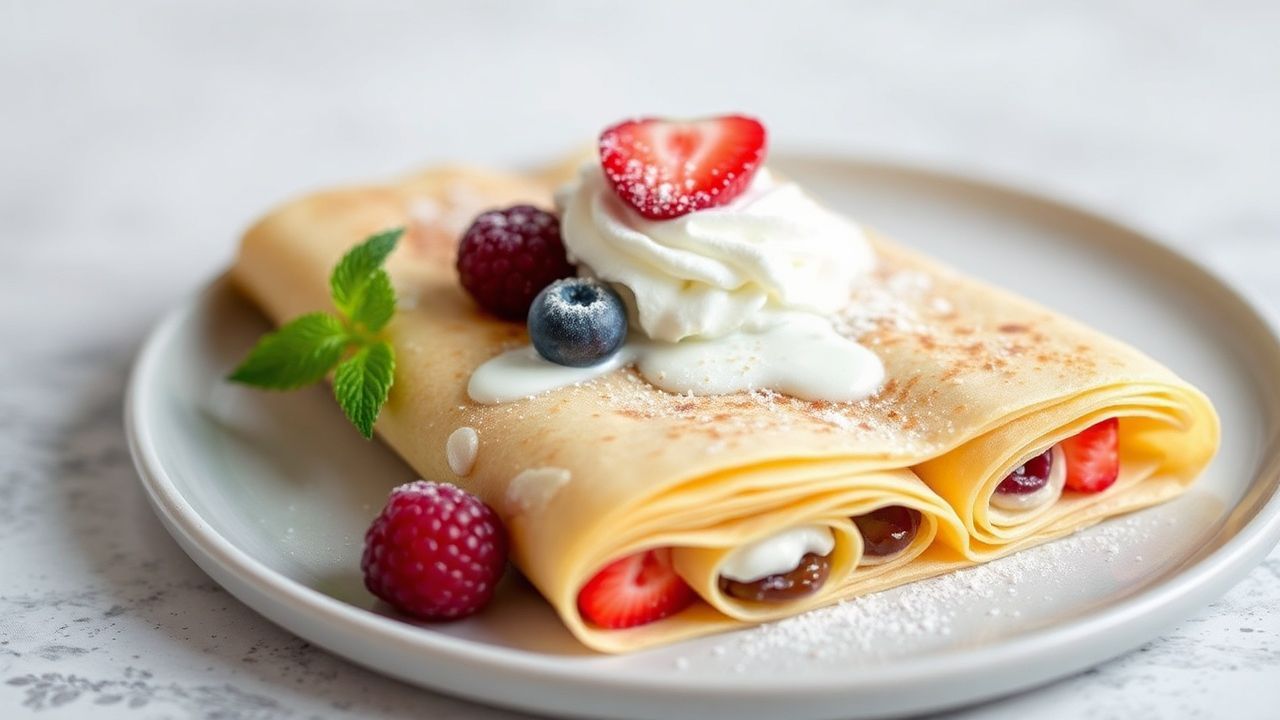
Sweet Crepes are one of the easiest desserts to customize. A thin, tender crepe acts like an edible wrapper, so your fillings handle the flavor. With the right mix of fruit, cream, chocolate, and spice, each bite feels fresh and special.
- Perfecting the Art of Crepe Batter for a Light and Fluffy Base
- How to Mix for Smooth Texture
- Resting Time and Why It Matters
- Prep and Cook Time
- Yield
- Difficulty Level
- Ingredients
- Instructions
- Sweet and Savory Filling Combinations to Satisfy Every Craving
- Classic Sweet Fillings That Always Win
- Fruit-Forward Crepes With Bright Sauces
- Warm Spiced Fillings for Cozy Flavor
- Creative Use of Fresh Fruits and Homemade Sauces for Enhanced Flavor
- Fast Fruit Compote Method
- Vanilla and Citrus Sauces That Elevate Any Filling
- Chocolate, Caramel, and Nut Pairings
- Tips for Presentation and Serving to Elevate Your Sweet Crepes
- Folding Styles That Look Great
- Simple Garnishes With High Impact
- Serving Ideas for Parties and Family Brunch
- Chef’s Notes: Tips for Success
- Serving Suggestions
- Sweet Crepes: Nutritional Snapshot (Without Filling)
- Key Takeaways
- FAQ
When you plan your fillings first, the batter becomes simpler. You can choose a light base for delicate sauces or a richer base for thicker spreads. Then you fold, roll, or stack—whatever style matches your cravings.
At a Glance: Quick wins for better Sweet Crepes.
- Rest the batter for a flexible, tear-free crepe.
- Build flavor in layers: sauce first, then fruit or chocolate.
- Control moisture to avoid soggy folds.
- Serve warm so fillings taste bright and smooth.
Perfecting the Art of Crepe Batter for a Light and Fluffy Base
Sweet Crepes start with batter that cooks fast and stays delicate. Aim for a smooth pour and a thin coat that sets quickly in the pan. If your batter feels thick, the crepe will turn rubbery instead of tender.
Traditionally, crepes use simple staples: flour, eggs, milk, and a little fat. This basics-first approach works because eggs help structure and milk adds softness. For classic context on French crepes, see crepe.
How to Mix for Smooth Texture
To get a silky batter, whisk dry ingredients first. Then whisk eggs into the center and add milk slowly, so lumps dissolve early. Finally, stir in melted butter and vanilla if you want a sweeter aroma.
Two small habits make a big difference. Use gentle whisking to avoid tough gluten, and let the batter rest so hydration improves. For the science of batter structure, check gluten.
Resting Time and Why It Matters
Resting helps the batter thicken slightly and cook evenly. It also relaxes proteins, which keeps the crepe flexible. Usually, 30 minutes in the fridge works well for home kitchens.
Don’t rush the pan test. Cook one small crepe first, then adjust batter thickness with a splash of milk if needed. This quick step saves time and prevents waste.
Prep and Cook Time
- Planning: 15 minutes
- Resting Time: 30 minutes
- Cooking time: 15 minutes
Yield
About 12 crepes (8-inch diameter), depending on how thin you pour.
Difficulty Level
Easy to Medium—ideal for beginners who want reliable results.
Ingredients
- 1 cup all-purpose flour, sifted
- 2 large eggs
- 1 1/4 cups whole milk
- 2 tablespoons unsalted butter, melted, plus extra for the pan
- 1 tablespoon granulated sugar (optional)
- 1/4 teaspoon salt
- 1 teaspoon pure vanilla extract (optional)
Instructions
- Combine Dry Ingredients: Whisk flour, sugar (if using), and salt in a bowl.
- Add Eggs: Make a small well, add eggs, and whisk until smooth.
- Incorporate Milk Gradually: Add half the milk, whisk until smooth, then add the rest.
- Mix in Butter and Vanilla: Stir in melted butter and vanilla.
- Rest the Batter: Cover and refrigerate for at least 30 minutes.
- Preheat Pan: Heat a non-stick skillet or crepe pan over medium heat and lightly grease.
- Cook Crepes: Pour a thin layer, swirl to spread, and cook until edges lift.
- Flip Gently: Flip and cook briefly, then transfer to a plate.
Now that your Sweet Crepes base is set, you can focus on fillings. The best fillings balance sweetness, texture, and temperature. Next, you’ll get ideas for both classic and surprising combinations.
Sweet and Savory Filling Combinations to Satisfy Every Craving
Fillings work best when you match them to the crepe’s thin texture. For example, juicy fruit needs a barrier sauce, while chocolate can handle a warmer fold. When you plan like this, each bite stays clean instead of messy.
Start with one flavor family and add contrast. Creamy fillings taste better with crunchy nuts, and fruit shines with spice. For general flavor balance ideas, you can explore flavor.
Classic Sweet Fillings That Always Win
Choose classic pairs when you want fast results and crowd-pleasing flavor. Try strawberries with mascarpone plus a thin drizzle of vanilla or lemon sauce. For chocolate lovers, use dark chocolate with toasted hazelnuts and a light dusting of powdered sugar.
Another reliable option uses Nutella-style chocolate-hazelnut spread and banana. Add a pinch of salt on top to sharpen the sweetness. This small step makes the filling taste more intense.
Fruit-Forward Crepes With Bright Sauces
Fresh fruit adds color and a clean bite. Layer blueberries or raspberries inside the fold, then finish with a quick sauce like lemon curd or caramel. If you want a tropical note, use mango slices and a drizzle of honey.
To keep fruit from soaking through, warm it first. Gently sauté or macerate with sugar, then let it cool slightly. For background on curd-style desserts, see lemon curd.
Warm Spiced Fillings for Cozy Flavor
Spice makes Sweet Crepes feel bakery-level. Try caramelized apples with cinnamon and a small amount of butter for shine. Or use a mix of cardamom and a creamy ricotta-style filling for a fragrant twist.
Warm spice works best with thicker fillings. If your filling is runny, add a barrier sauce like mascarpone or yogurt first. That way, flavor spreads but texture stays intact.
Creative Use of Fresh Fruits and Homemade Sauces for Enhanced Flavor
Homemade sauces add depth because you control sweetness and thickness. You also avoid watery results that can ruin thin crepes. A good sauce should coat a spoon and hold its shape for a second.
You don’t need complex techniques. Simple fruit compotes, lemon curd, and caramel-style sauces deliver most of the payoff. For broader dessert sauce knowledge, browse sauce.
Fast Fruit Compote Method
Cook fruit with a little sugar and a squeeze of citrus until it turns glossy. Then cool it so it thickens. When you spread compote inside the crepe, you get fruit flavor without soggy edges.
For a berry coulis, blend berries and strain for a silky finish. Spoon a thin layer, then add whipped cream or mascarpone. That sequence keeps the crepe from absorbing too much liquid.
Vanilla and Citrus Sauces That Elevate Any Filling
A classic vanilla sauce turns simple fillings into dessert. Use it with berries, bananas, or chocolate spreads. For a reference on vanilla and its role in desserts, see vanilla.
Citrus sauces bring brightness to rich ingredients. Lemon curd pairs especially well with strawberries and mascarpone. It also cuts through chocolate sweetness so the flavor doesn’t feel heavy.
Chocolate, Caramel, and Nut Pairings
Chocolate fillings need texture support. Add chopped nuts, toasted coconut, or a crunchy crumble to balance softness. If you use a ganache-like sauce, let it cool until thick enough to spread.
Caramel also benefits from contrast. Pair caramel with bananas, apples, or toasted pecans. The caramel flavor intensifies when you add a pinch of salt at the end.
Tips for Presentation and Serving to Elevate Your Sweet Crepes
Presentation changes how people taste food. A neat fold and a clean plate make fillings feel more premium. Plus, guests take smaller bites when the serving looks organized.
Serve Sweet Crepes warm for best texture. Heat helps chocolate feel smooth and fruit tastes fragrant. If you assemble right before serving, you also reduce sogginess.
Folding Styles That Look Great
Choose a style that matches the filling. Fold into quarters for thick spoon fillings. Roll tightly for fruit and cream combos, and use a ribbon-like fold for sauces drizzled at the end.
When you stack crepes, place parchment between layers so they don’t stick. Then reheat briefly in a pan for softness and gentle aroma.
Simple Garnishes With High Impact
Use powdered sugar lightly, or add a thin dusting of cinnamon. For crunch, sprinkle chopped pistachios, toasted almonds, or coconut flakes. These toppings add texture without overpowering the filling.
Fresh mint and edible flowers add a final touch. They also signal freshness, which helps the dessert feel lighter even with rich fillings.
Serving Ideas for Parties and Family Brunch
For gatherings, set up a filling bar. Put sauces in small bowls, then add fruit and toppings separately. Guests build their own crepe, which boosts variety and reduces assembly stress.
You can also pre-fill crepes and warm them just before serving. Keep fillings minimal, and reheat on low heat so the crepe stays tender.
Chef’s Notes: Tips for Success
Small adjustments make your Sweet Crepes consistent. Start by testing your pan with one crepe. Then tweak heat and batter thickness based on how fast it sets.
If your crepes stick, reduce heat slightly and grease the pan more often. Also, check that your batter rests before cooking.
- Resting matters—skip it only if you accept thinner edges and less flexibility.
- If batter seems thick, add milk a teaspoon at a time until it pours smoothly.
- Use a quality non-stick pan or well-seasoned crepe pan.
- For vegan options, use plant milk and a suitable egg substitute, then test cooking times.
- Store plain crepes with parchment so reheated layers peel easily.
Serving Suggestions
Use these serving ideas to turn Sweet Crepes into a complete dessert plate. Each option pairs a filling with a topping so flavors stay balanced. Pick one and repeat it for a consistent kitchen flow.
For a berry plate, fold crepes into quarters and top with a spoon of berry compote and crème fraîche. For a chocolate roll, spread chocolate-hazelnut filling, roll, then slice and drizzle extra sauce.
- Folded quarters with fresh berry compote and a dollop of crème fraîche.
- Rolled banana crepes dipped partially in melted dark chocolate, then chilled briefly.
- Fan-style arrangement with thinly sliced kiwi, strawberries, and a light honey-citrus drizzle.
Finish with chopped pistachios or toasted coconut for crunch. This final texture also makes the plating feel intentional.
Sweet Crepes: Nutritional Snapshot (Without Filling)
Plain crepes are light, and fillings add most of the calories. Here’s a simple estimate for one crepe without filling, based on typical ingredients and portion size.
Nutrition varies by brand and exact measurements, so treat this as an approximate guide for planning.
| Nutrient | Per crepe (without filling) | Amount |
|---|---|---|
| Calories | 120 | kcal |
| Protein | 4 | g |
| Carbohydrates | 14 | g |
| Fat | 5 | g |
To reduce sugar load while keeping flavor, choose fruit-forward fillings and use small amounts of sweet sauces. For general nutrition context on carbohydrates and sugar, you can reference carbohydrates.
Key Takeaways
Sweet Crepes offer a flexible base, whether you want classic Nutella-style chocolate and fruit or a more adventurous filling. When you balance thickness, moisture, and temperature, each crepe tastes fresh instead of heavy.
Use sauces as flavor glue, then add fruit, cream, or chocolate in a controlled layer. If you follow these steps, your crepes look neat and taste bakery-level.
- Delicate crepes pair best with fillings that stay thick enough to hold.
- Homemade sauces boost flavor and help prevent sogginess.
- Texture contrast (nuts, crisp fruit, toppings) makes every bite more exciting.
- Warm serving improves aroma and overall taste.
FAQ
What makes Sweet Crepes different from pancakes?
Sweet Crepes use a thinner batter with a higher liquid-to-flour ratio. They cook quickly and stay light, so fillings can shine without competing with thick bread-like texture. For background, see crêpe.
Pancakes usually rely on thicker batter and more leavening, which creates a fluffy rise. Crepes stay thin because you spread the batter in a thin layer.
How do I stop fruit fillings from making crepes soggy?
Use a barrier sauce like mascarpone or a thin cream layer before fruit. Also, warm fruit to release excess juices, then cool it slightly before filling. This reduces liquid soaking through.
Serve right after filling, and avoid stacking filled crepes for long periods. The longer they sit, the more moisture transfers.
Can I make crepe batter ahead of time?
Yes. Refrigerate the batter and cook it within 24 to 48 hours for best quality. Resting in the fridge also improves texture and reduces the chance of tearing.
When you remove the batter, whisk briefly to restore smoothness. Then cook as usual.
What fillings work best for beginners?
Start with simple, forgiving options: Nutella-style chocolate-hazelnut spread, lemon curd, strawberry-mascarpone, and cinnamon apples. These fillings hold well and taste great even if your fold is basic.
Choose one sauce and one topping, then build from there. Once you feel confident, experiment with nuts, whipped cream, and layered fruit.
How do I reheat leftover Sweet Crepes?
Reheat on a low pan with minimal greasing for 20 to 40 seconds per side. Warm crepes taste tender again and help sauces stay smooth.
For best results, reheat plain crepes first, then add fillings right before serving. This method keeps texture clean.
See also: Sweet Crepes