
Few desserts show Italian food culture as clearly as Italian pistachio gelato. When the recipe uses real pistachios, you get a creamy, nutty flavor that feels both indulgent and grounded in simple ingredients. You also taste technique, not just sweetness.
- Why Italian Pistachio Gelato Feels Different
- The Pistachios Are the Flavor Backbone
- The Custard Base Controls Creaminess
- Churning, Air, and Why Low Air Tastes Better
- How to Identify Authentic Pistachio Gelato
- Italian Gelaterias to Seek Out (And What to Ask For)
- Make Pistachio Gelato at Home: A Practical Blueprint
- Serving Like a Gelato Expert
- Common Mistakes That Ruin Pistachio Gelato
- Health Perspective: What “Better” Actually Means
- Why People Keep Coming Back to Pistachio
- FAQ
- What makes Italian pistachio gelato taste more “real” than regular pistachio ice cream?
- How can I tell if pistachio gelato uses real pistachios?
- Why is chilling time so important for gelato texture?
- Can I make pistachio gelato without eggs?
- What’s the best way to serve pistachio gelato for maximum flavor?
At a Glance
- Gelato tastes denser because it uses less air (lower overrun) than many ice creams.
- Pistachio quality drives flavor: the best versions rely on nuts in a paste or ground base, not flavoring.
- Texture depends on process: custard-style emulsions, tempering, and slow chilling shape mouthfeel.
- Authenticity shows fast through aroma, natural pale-green color, and a clean ingredient list.
Why Italian Pistachio Gelato Feels Different
Italian pistachio gelato aims for density, aroma, and a slow melt. That design changes how flavor hits your tongue and how long it stays. It also helps pistachio notes feel more layered than “one-note” sweetness.
Classic gelato often uses a lower overrun than many ice creams. Overrun means the amount of air added during churning. Less air usually creates a tighter texture and a stronger nut presence.
Also, many makers use a milk-forward base instead of a cream-heavy one. You still get richness, but the pistachio flavor stays in front. This balance matters when you want roasted, buttery, and lightly resinous nut character.
Gelato vs. Ice Cream: The Key Textural Differences
Ice cream can trap more air, and that air softens flavor intensity. Gelato targets a thicker body, so nut aroma and roasted notes come through more clearly. You feel the pistachio in each spoonful rather than only at the beginning.
Gelato makers also churn at slower speeds. This reduces air incorporation and supports the silky mouthfeel many people associate with Italian counters. If you want the framework, start with how frozen desserts behave in general via ice cream.
The Pistachios Are the Flavor Backbone
Italian pistachio gelato tastes like pistachios only when pistachios drive the recipe. The best versions use ground roasted nuts or a thick pistachio paste made from real pistachios. They do not rely on vague “pistachio flavor.”
Pistachios bring more than sweetness. They carry earthy, buttery, and lightly resinous aromas that develop when nuts roast and grind properly. For background on what gives pistachios their profile, review pistachios.
What Makes Pistachios Taste More Italian
Italian-style pistachio gelato often emphasizes pistachios grown in premium regions. Sicilian pistachios, including Bronte, gain attention because of their reputation for strong aroma. That reputation tracks with consumer preference for bold nut flavor.
Still, “Sicily-only” isn’t the only path to great gelato. The real test comes from the paste or ground nuts quality. The dessert should taste like a real roasted nut, not like green candy or artificial perfume.
If you want the ingredient story from the crop side, use agricultural context to understand why growing conditions influence flavor. Then connect that to what the gelateria buys and uses.
Roasting and Grinding: Where Aroma Gets Built
Roasting deepens nut character by triggering heat-driven aroma reactions. After roasting, grinding releases oils and fine particles that help form a smooth paste. That paste spreads more evenly through the base.
If the gelateria uses pre-ground or low-quality pistachios, the aroma often drops. When pistachio paste tastes flat, the whole dessert feels muted. In other words, the flavor problem starts long before the freezer.
The Custard Base Controls Creaminess
Many classic Italian pistachio gelato recipes start with a cooked base, often custard-style. This thickens the mixture and helps it freeze into a smooth texture. It also improves how flavor spreads on the palate.
When egg yolks cook gently, they form emulsifiers and proteins. Those components help gelato stay stable and smooth during freezing. As the base chills, it also supports structure so the result resists icy texture.
Temper Eggs Without Turning Them Into Scramble
Tempering means slowly combining hot dairy with beaten yolks. You warm the yolks gradually, which reduces curdling risk. That step keeps the base silky and consistent.
Cook until the mixture coats a spoon, and avoid boiling. Boiling can push proteins too far and shift the texture. If you want a general reference for the heat behavior behind custards, use custard.
Correct Cooling Makes a Noticeable Difference
After cooking, chilling matters as much as cooking. Proper refrigeration lets flavors settle and gives fats time to align. It also helps prevent grainy texture after churning.
If you skip chilling, the ice cream maker has to work harder with unstable ingredients. That can show up as weak body or uneven texture in the final gelato. Plan the process so the base starts cold and steady.
Churning, Air, and Why Low Air Tastes Better
Churning controls ice crystal size and how evenly the mixture distributes. Gelato aims for smaller ice crystals and low overrun. That creates a dense, slow-melting dessert that feels creamy rather than airy.
When overrun stays low, each spoonful delivers more concentrated pistachio flavor. You also get a smoother melt, which supports aroma release. Aroma and taste work together, and gelato uses that advantage.
Overrun Explained in Plain Terms
Overrun is the amount of air the mixture gains during churning. Higher overrun typically makes desserts feel lighter. It can also dilute flavor intensity by spacing particles farther apart.
Gelato keeps overrun controlled to preserve density and mouthfeel. That is why authentic gelato often feels “heavier” on the tongue than typical ice cream. For broader food science context, see emulsion.
How to Identify Authentic Pistachio Gelato
Authenticity shows up in flavor, color, and ingredient choices. If Italian pistachio gelato tastes strongly of almond extract or overly sweet artificial notes, it likely relies on flavoring. Real pistachio paste creates a different, more roasted profile.
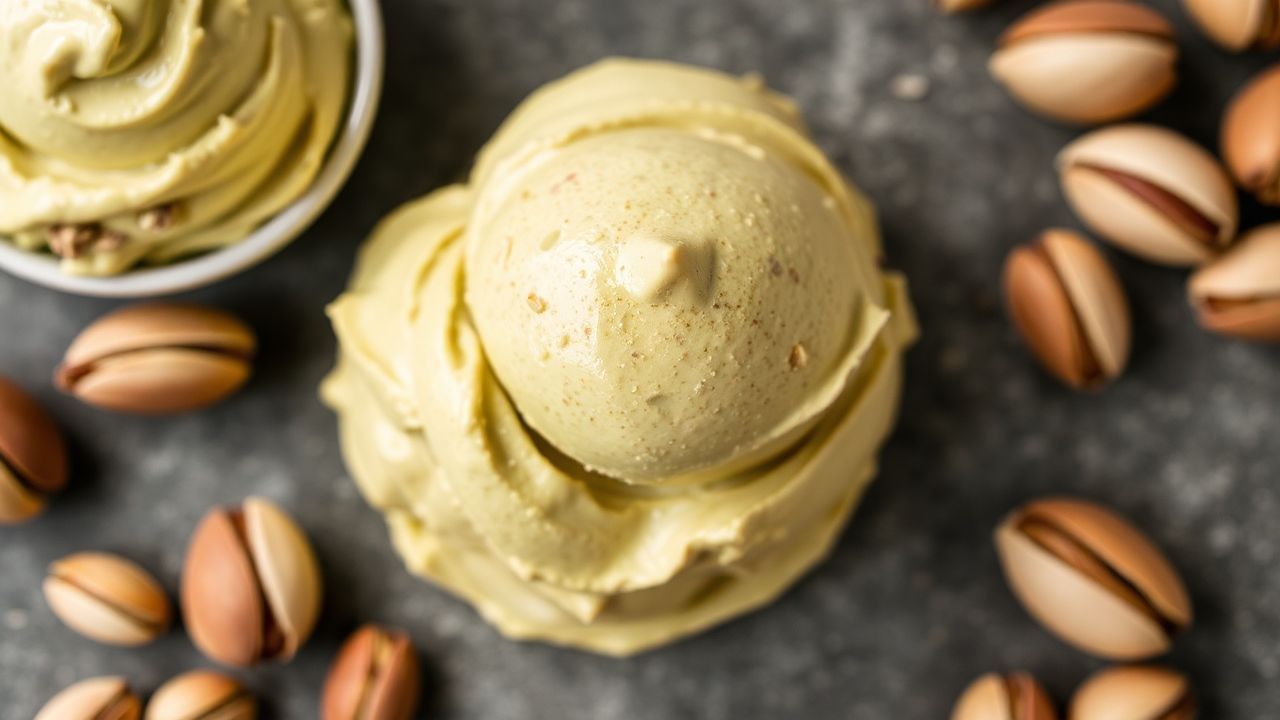
Color also provides clues. Real pistachio gelato often appears as a natural pale green rather than neon. Overly bright green usually signals heavy coloring agents. That visual cue often lines up with weaker nut flavor.
Use Your Senses Like a Taster
Start with aroma. Authentic pistachio gelato smells like roasted nuts with gentle sweetness. Artificial versions often smell sharply perfumed or oddly “chemical.”
Next, taste. The nut-forward profile should stay consistent from first bite to the finish. You should feel pistachio throughout, not just at the start.
Finally, check texture. Proper gelato stays smooth rather than icy or chalky. If you want a wider category reference for texture and process, use dessert.
Italian Gelaterias to Seek Out (And What to Ask For)
If you want the real experience, taste at multiple gelaterias while you travel. Compare how different shops handle pistachio. Focus on aroma, consistency, and how the flavor evolves as it melts.
Ask targeted questions when you can. Do they use pistachio paste made from real nuts? Do they make a custard base? Do they roast pistachios in-house or use supplier-packed ground nuts? These details often predict quality.
In Italy’s pistachio regions, quality usually starts at the ingredient source. Then makers protect that flavor through production choices. Many travelers plan visits around local gelateria counters, especially in Sicily, because pistachio culture runs deep.
What You Should Expect to Taste
Great Italian pistachio gelato tastes like roasted nuts with a creamy, not overly sweet finish. Sweetness should support the pistachio, not hide it. When the balance works, the nut flavor feels long and rounded.
Some shops add subtle vanilla or a tiny pinch of salt to lift aroma. These notes should feel quiet. They should frame the pistachio rather than compete with it.
Make Pistachio Gelato at Home: A Practical Blueprint
You can recreate the Italian feel at home with a few key moves. Use real pistachios, cook a stable base when you choose custard style, chill fully, and churn with intent. When you do those steps well, the dessert tastes closer to gelato and farther from plain freezer ice.
Below is a method that focuses on texture and pistachio flavor. Adjust quantities based on your machine’s capacity and your preferred sweetness level.
Core Ingredients That Matter
Use roasted unsalted pistachios and grind them into a paste for intense flavor. Choose whole milk and heavy cream if you want a classic rich mouthfeel. You also control the final smoothness with how fine you grind the nut paste.
Many authentic custard styles use egg yolks for structure. Vanilla adds warmth, while a small pinch of salt makes the pistachio taste more complete. Avoid heavy flavor extracts if you want real nut character.
Step-by-Step Method (Texture First)
1) Grind pistachios: Roast if needed, cool, then grind into a fine paste. Add small splashes of warm milk to help it blend smoothly.
2) Cook the dairy: Heat milk, cream, and salt until hot but not boiling. This warms the base for later tempering.
3) Whisk yolks and sugar: Whisk until lighter and thicker. This helps the custard cook evenly.
4) Temper: Pour a portion of hot dairy into yolks while whisking continuously.
5) Cook the custard: Return to the pot and cook low until thick enough to coat a spoon. Stop before boiling.
6) Blend in pistachio: Stir in pistachio paste and vanilla, then blend for smoothness.
7) Chill: Cover directly on the surface and chill thoroughly, ideally overnight.
8) Churn and firm: Churn per your machine instructions. Then freeze briefly to set texture.
Serving Like a Gelato Expert
Serving temperature changes how pistachio aroma comes through. If Italian pistachio gelato sits too long in a deep freezer, it can taste harder and less aromatic.
Let it temper slightly so the texture softens and the nut fragrance rises. Many gelato connoisseurs aim for a scoop that spreads gently without turning runny.
Pairings That Respect the Flavor
Pistachio gelato pairs best with flavors that echo its nutty profile or cut through its richness. Try lightly sweet biscotti, fresh berries, or a drizzle of mild honey. These choices keep focus on the roasted notes.
For contrast, add crushed pistachios for crunch. Avoid overpowering sauces with strong bitterness, heavy cocoa, or intense spice. Those flavors can drown pistachio instead of supporting it.
Common Mistakes That Ruin Pistachio Gelato
People often blame the ice cream maker when the real issue comes earlier. Ingredient quality, too much air, or uneven custard cooking can damage texture and flavor. Pistachio desserts punish shortcuts.
If your gelato tastes artificial, check pistachios and your flavoring approach. If it feels icy, review chilling and freezing time. Those steps control ice crystal formation.
Sweetness That Overpowers the Nut
Too much sugar flattens pistachio complexity and makes the dessert taste candy-like. Italian-style gelato typically tastes subtly sweet, so the nut stays in focus. When sweetness rises, pistachio aroma gets less space to show up.
Even a small reduction in sugar can improve flavor clarity, especially when pistachios taste strong to begin with. Aim for balance rather than maximum sweetness.
Skipping Emulsion or Smoothing Steps
If pistachio paste stays gritty or separates, mouthfeel suffers. Blend thoroughly so the base stays uniform before chilling. A smooth paste spreads pistachio evenly and helps aroma travel with each bite.
Then freeze and serve with patience. Texture improves when the mix cools correctly and firms without forming large crystals. Good gelato feels smooth first, then creamy as it melts.
Health Perspective: What “Better” Actually Means
Pistachios provide unsaturated fats, fiber, and micronutrients. Gelato still counts as dessert, but the ingredient profile can differ from many ultra-sweet frozen treats. When the base uses real nuts, you get more meaningful nutrition than flavor-only alternatives.
Gelato’s milk base plus nut content can make it more satisfying than some lighter sweets. Satisfaction can support portion control, which matters for any “healthy” approach. Still, sweetness and portion size determine overall impact.
If you want the nutrition basics for pistachios, use pistachio nutrition.
Why People Keep Coming Back to Pistachio
Pistachio feels special because it sits between sweet and savory. It has roasted depth that works with dairy fat, so each spoonful tastes layered rather than one-note. That balance keeps the flavor interesting from the first lick to the last melt.
That balance explains why Italian pistachio gelato often ranks among the most requested flavors at gelaterias. Once you taste real nut character, artificial versions feel obvious. The gap in aroma and texture becomes hard to ignore.
FAQ
What makes Italian pistachio gelato taste more “real” than regular pistachio ice cream?
Italian-style gelato often uses less air and a milk-forward base, which helps nut flavor stay concentrated. When the recipe includes real pistachios in a paste or ground form, aroma shows up through roasted nut notes instead of relying on flavoring.
How can I tell if pistachio gelato uses real pistachios?
Look for a natural pale-green color and a strong roasted-nut aroma. Taste should feel pistachio-forward with a creamy melt. Also check the ingredient list for heavy reliance on artificial flavors or coloring.
Why is chilling time so important for gelato texture?
Chilling fully hydrates ingredients and stabilizes the base so it freezes smoothly. Skipping it can lead to grainy texture or weak body after churning because the mixture starts too warm and less stable.
Can I make pistachio gelato without eggs?
Yes, but it will not behave exactly like custard gelato. Egg-free bases need alternative thickeners or a different technique to reach the same smooth density and stable structure.
What’s the best way to serve pistachio gelato for maximum flavor?
Serve it slightly tempered so it melts gently and releases aroma. If it is too hard straight from the freezer, pistachio fragrance stays trapped and the texture feels less creamy.
See also: Italian pistachio