

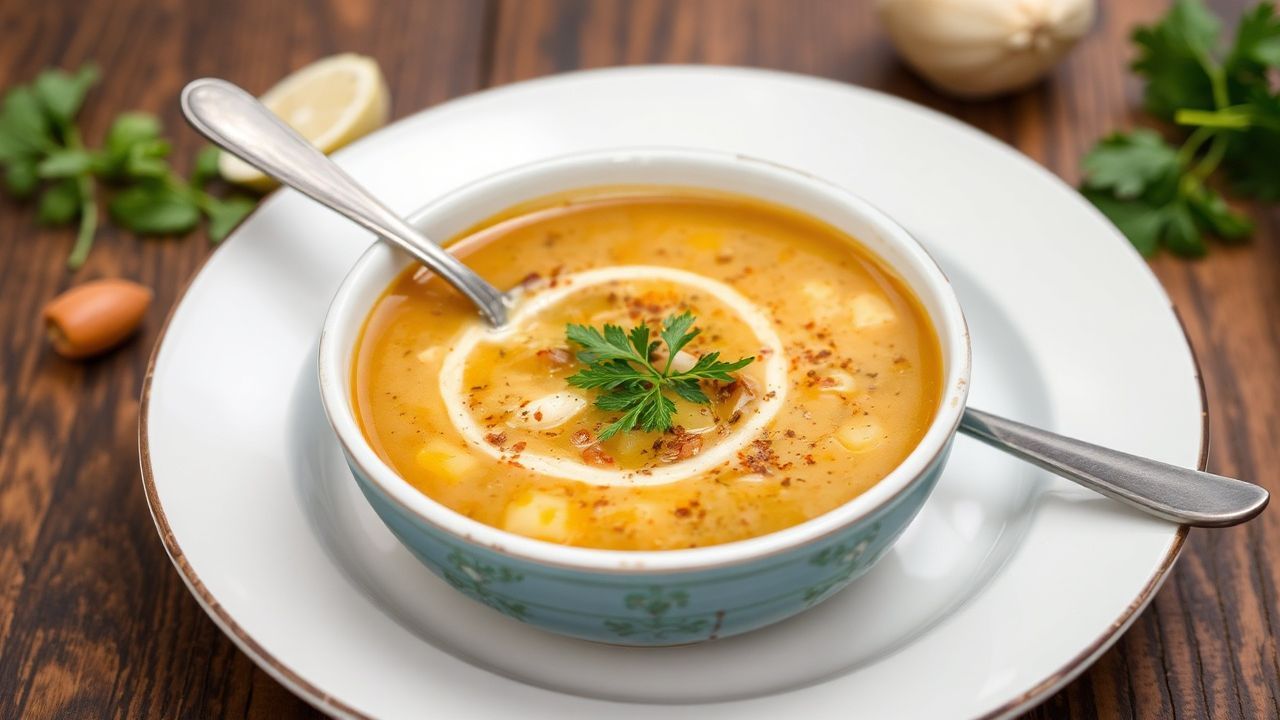
Busy schedules don’t leave room for long prep, yet you still need food that feels filling and comforting. 5-ingredient soup solves that problem by keeping the ingredient list short while using cooking technique to build depth.
- Why 5-Ingredient Soups Win on Weeknights
- The 5-Ingredient Method (So Your Soup Tastes “Not-Lazy”)
- 5-Ingredient Soup Recipes to Make This Week
- 1) Creamy Carrot-Ginger Soup (5 Ingredients)
- 2) Roasted Tomato Basil Soup (5 Ingredients)
- 3) Hearty Lentil Soup (5 Ingredients)
- 4) Simple Spinach White Bean Soup (5 Ingredients)
- 5) Butternut Squash Sage Soup (5 Ingredients)
- Expert Tips for Maximum Flavor with Fewer Ingredients
- How to Customize Any 5-Ingredient Soup
- Make-Ahead, Storage, and Reheating
- Common Mistakes That Make 5-Ingredient Soups Taste “Less Than”
- 5-Ingredient Soup Serving Ideas That Elevate Without Complexity
- FAQ
At a Glance:
- Fewer ingredients makes shopping and prep faster without losing satisfaction.
- Flavor comes from steps like sautéing aromatics and simmering gently.
- Texture shapes taste, so blend only when the soup needs it.
- Easy to customize for vegan, gluten-free, or higher-protein meals.
Why 5-Ingredient Soups Win on Weeknights
Five-ingredient cooking works because you focus on the parts that actually carry flavor: aromatics, broth, and one main ingredient. Then you use heat and time to help those flavors fuse.
When you limit ingredients, each one matters. A simple bowl can still taste complex when you sauté aromatics properly and simmer until the main ingredient turns tender.
Also, these soups reheat well. That matters on busy nights, since meal prep saves both time and stress.
Use steady heat, and move on as soon as the aromatics smell sweet and warm. If you taste bitterness, you can restart with fresh aromatics and keep the rest of your plan.
For more context on why gentle browning matters, read about Maillard reaction. It explains how heat creates new flavor compounds.
The 5-Ingredient Method (So Your Soup Tastes “Not-Lazy”)
Five-ingredient soup is a method, not just a shopping list. Start with a small flavor base, add liquid and your main ingredient, then simmer until everything turns soft and cohesive.
This approach mirrors classic soup structure: aromatics set the foundation, broth carries salt and body, and simmering gives time for flavors to blend.
You can also control thickness without adding many extras. Blend only part of the pot if you want creaminess with a light spoon-coating texture.
Choose a Flavor Base That Does the Heavy Lifting
Your base should support the whole bowl. Onion and garlic build savory sweetness, while ginger adds a warm edge that works great for brothy soups.
Sautéing matters because it changes how aromatics taste. Heat softens onion and rounds sharp notes, while garlic shifts from raw bite to mellow savoriness.
For science-backed flavor context, see aromatics on how fragrant compounds shape perceived taste.
Use Broth Like an Ingredient, Not a Shortcut
Broth sets salt level, body, and mouthfeel. If you choose a bland broth, the soup can taste flat even when your vegetables cook perfectly.
Pick low-sodium broth when you want control. Then taste and season at the end, especially because different brands vary in salt and intensity.
For a broader understanding of culinary liquids, review stock (food). It clarifies how simmered ingredients build flavor over time.
5-Ingredient Soup Recipes to Make This Week
Below are five distinct 5-ingredient soup recipes that follow the rule for the soup itself. Each recipe uses a different main ingredient so you can rotate meals without boredom.
All recipes prioritize weeknight speed. Use simple steps, and adjust texture with blending only when you want a smoother bowl.
As you cook, taste in stages. Early flavors set direction, but final seasoning makes the soup taste complete.
1) Creamy Carrot-Ginger Soup (5 Ingredients)
This soup tastes naturally sweet and soothing. Carrots soften quickly, and ginger adds a bright, warming finish.
Ingredients (5): olive oil, onion, carrots, vegetable broth, ginger.
How to make: Sauté diced onion in olive oil until translucent. Stir in grated ginger for 30–60 seconds. Add carrots and broth, then simmer until carrots turn very tender.
Blend until smooth with an immersion blender. Season with salt and black pepper, then serve with a drizzle of olive oil or chopped parsley.
Carrots bring natural sugars that concentrate as they cook. If you want the chemistry behind that sweetness, see carbohydrates.
2) Roasted Tomato Basil Soup (5 Ingredients)
Tomato soup tastes “restaurant” when you build a small base and simmer long enough for flavors to knit. This version stays bright even with just five ingredients.
Ingredients (5): olive oil, onion, canned diced tomatoes (no other add-ins), vegetable broth, dried or fresh basil.
How to make: Sauté onion in olive oil until soft. Add tomatoes and broth, then simmer until thickened. Stir in basil at the end so the aroma stays fresh.
For a silkier texture, blend partially. Taste for salt and pepper. If the soup tastes sharp, simmer 5 extra minutes to reduce and round flavors.
Tomatoes contain acids and aroma compounds that shift during heating. For an overview of tomato flavor chemistry, review tomato.
3) Hearty Lentil Soup (5 Ingredients)
Lentils make the bowl feel hearty without extra add-ins. They also add protein and fiber, which helps you stay satisfied longer.
Ingredients (5): olive oil, onion, lentils (red or brown), vegetable broth, carrots (diced).
How to make: Sauté onion in olive oil until soft. Add lentils and carrots, then pour in broth. Simmer until lentils break down and the soup thickens.
Red lentils cook faster and often blend into a naturally creamy texture. Brown lentils take longer, so simmer until tender, then blend a small portion if you want extra body.
Lentils belong to legumes, which support nutrition density. See legume for more background on the category.
4) Simple Spinach White Bean Soup (5 Ingredients)
This soup stays mild, creamy, and quick. It’s a strong choice when you want something gentle but still nourishing.
Ingredients (5): olive oil, garlic, cannellini beans (canned, drained), vegetable broth, spinach.
How to make: Sauté minced garlic in olive oil until fragrant. Add beans and broth, then simmer about 10 minutes to heat through. Blend if you want a smoother texture.
Add spinach at the end and cook just until wilted. Choose chunky or smooth based on your preference.
Beans thicken soups through starch and fiber released during simmering. For a category overview, see beans.
5) Butternut Squash Sage Soup (5 Ingredients)
Squash soup feels cozy without heavy cream. When you cook squash until soft, it becomes creamy when blended.
Ingredients (5): olive oil, onion, butternut squash (cubed), vegetable broth, sage.
How to make: Sauté onion until soft. Add cubed squash and broth, then simmer until squash turns very tender. Stir in sage and blend for a smooth finish.
Adjust thickness with a splash of broth if needed. Season at the end for the best balance of sweet squash and savory herbs.
Squash belongs to gourds, and its structure makes it ideal for blended soups. For plant context, review Cucurbita.
Expert Tips for Maximum Flavor with Fewer Ingredients
Five ingredients can still taste layered. Small choices—like heat level, timing, and how you build texture—make the difference between “fine” and “comforting.”
Use a simple workflow for every pot. First aromatics, then main ingredient, then simmer. After that, blend only as needed.
Also, keep your cuts consistent. Even dicing helps ingredients cook at the same pace, which improves texture and keeps the soup from tasting patchy.
Taste in stages too. Salt changes how ingredients soften, so wait until the simmer finishes before you dial in final seasoning.
How to Customize Any 5-Ingredient Soup
You can adapt these recipes without breaking the five-ingredient rule. Swap ingredients by role, not by vibes.
Think in functions: base, liquid, main ingredient, thickener-by-structure, and aroma. When each role stays the same, the soup still works.
For example, replace onion with leek for a sweeter base. Swap carrots for sweet potato when you want a more starchy, creamy texture.
For Vegan and Dairy-Free Comfort
These recipes already lean plant-forward. For creaminess, blend instead of adding dairy.
Blending breaks down cooked starch and soft fibers. That creates a thick, spoonable mouthfeel without needing extra ingredients.
For Higher Protein (Still Simple)
If you need more protein, choose legumes as the main ingredient. Lentils and beans naturally raise protein density and make soups feel more substantial.
You can also shift the ratio while staying at five ingredients. Use the same five items but increase the amount of lentils or beans relative to broth.
Make-Ahead, Storage, and Reheating
Most 5-ingredient soup recipes taste even better the next day. Cooling gives time for flavors to meld, and the texture often thickens slightly.
Store soups in sealed containers. Label containers with the date so you track freshness without guessing.
Refrigerator and Freezer Guidance
Refrigerate soup for up to three days for best quality. Freeze portions for up to two months if you want quick lunches later.
When reheating, heat gently. Boiling after blending can change texture, especially in soups thickened by legumes.
If the soup thickened too much, add a splash of broth. Stir well, then heat until steaming, not just warm.
Common Mistakes That Make 5-Ingredient Soups Taste “Less Than”
Five ingredients make it tempting to blame the recipe. Most flavor issues come from a few predictable mistakes you can avoid.
Fix the process, and your soup tastes confident every time.
Overcooking the Aromatics
Garlic burns quickly, and burnt garlic tastes harsh and bitter. When that happens, no amount of extra simmering can fix it.
Sauté briefly until fragrant, then add the next ingredients right away. If you smell bitterness, start over with fresh aromatics.
Not Simmering Long Enough
Some vegetables need time to soften. If you stop early, you may taste raw notes and miss the deep “soup” flavor.
Use tenderness as your cue. Simmer until the main ingredient feels fully cooked, then adjust seasoning.
Skipping Texture Control
Blending changes the eating experience. Full blending creates a smooth bowl, while partial blending keeps some bite.
Try blending half the pot first. Taste after blending, then decide if you want more smoothness.
5-Ingredient Soup Serving Ideas That Elevate Without Complexity
Soup shines when you add one clear contrast. You don’t need many add-ons, and you should keep toppings minimal so flavors stay focused.
Pick one topping or side per bowl. Then serve while the soup is hot for the best contrast.
Quick Garnish Options
A drizzle of olive oil, chopped herbs, or toasted seeds adds aroma and crunch. A small squeeze of lemon also boosts flavor brightness.
Acids cut through richness and wake up savory notes. For more on sour flavor chemistry, see acid.
Best Pairings
Serve with crusty bread, whole-grain toast, or warm pita. For a lighter meal, add a simple side salad with vinaigrette.
If you want a more filling option, top with extra beans or serve alongside a protein-forward item. Keep the soup ingredients intact and let the side do the heavy lifting.
See also: 5-ingredient soup
FAQ
Can I really make soup with exactly five ingredients?
Yes. Use five ingredients for the soup itself, then season with salt and black pepper to taste. Technique still counts: sauté aromatics and simmer until the main ingredient turns tender.
When you follow the method, five ingredients can still deliver a comforting bowl.
Do I need to blend 5-ingredient soups?
No. Blending stays optional. Some main ingredients soften naturally, so the soup can become creamy just from simmering.
If you want extra smoothness, blend part of the pot first so you can control texture.
What’s the best broth for simple soups?
Use a broth you enjoy tasting on its own. Low-sodium works well because it gives you control over final seasoning.
Then taste near the end and adjust salt to match your preferences.
How do I prevent bland flavor in minimalist soups?
Don’t skip sautéing. Simmer until ingredients soften fully, and season at the end when the soup tastes finished.
A small squeeze of lemon at serving can also lift flavors without adding ingredients.
Are 5-ingredient soups good for meal prep?
Yes. They reheat well and often taste better after a day in the fridge because flavors meld during cooling.
Freeze portions when you want quick dinners on future weeknights.