
Hot apple cider feels like a seasonal ritual for a reason. Warm apple aroma plus cinnamon and clove changes the mood fast. When you simmer fruit and spices, you build a fuller drink than “boiling water with flavor.”
- Why Hot Apple Cider Feels So Comforting
- At a Glance: What Makes Great Cider “Great”
- Choosing Apples for Maximum Flavor
- Spice Strategy: How to Get Warmth Without Bitterness
- Cozy Hot Apple Cider Recipe (From Scratch)
- Serving Ideas That Make It Feel Special
- How to Customize Your Cider in Minutes
- Make-Ahead, Storage, and Reheating
- Nutritional Snapshot (Practical, Not Perfect)
- Common Mistakes (and How to Fix Them)
- FAQ
- Whole apples (skin + core) help create a richer body without extra thickening.
- Whole spices release aroma gradually and reduce bitter notes from over-extraction.
- Gentle simmering keeps flavors clean and helps the cider taste cozy, not harsh.
- Quick straining improves clarity while still keeping enough fruit texture.
This recipe shows you how to make bold, spiced hot apple cider from scratch. You’ll also learn how to pick apples, control sweetness, avoid cloudy flavor, and store leftovers safely.
Why Hot Apple Cider Feels So Comforting
Hot apple cider works on two levels: aroma and taste. Apples bring natural sugars and acids, and heat helps release fragrant compounds from both fruit and spices.
Cinnamon, cloves, and other warm spices carry aromatic oils. Those oils lift the perception of sweetness, so you can keep added sweetener modest while still tasting “rich.” For background on apple chemistry and flavor behavior, see Apple.
At a Glance: What Makes Great Cider “Great”
Most hot apple cider problems come from a few avoidable missteps. They overboil, they under-season, or they strain too loosely. Fix those, and your cup turns cleaner and more balanced.
Before you start, decide your style. Some people want classic orchard flavor: apple-forward and gently spiced. Others want a dessert-like finish with deeper spice and slightly more sweetness.
Apple-forward vs. Spice-forward: Pick Your Profile
If you want apple-forward cider, use a balanced apple blend and keep steeping time moderate. You still get warmth, but the fruit flavor stays bright.
If you want spice-forward cider, extend the simmer slightly and choose whole spices. Whole spices infuse more gradually, which helps you avoid a harsh or bitter finish. For spice context, review cinnamon and how it functions in warm recipes.
Choosing Apples for Maximum Flavor
Hot apple cider tastes like the apples you choose. Sweet apples add fruit sugar and soften acidity. Tart apples add lift and keep the drink from tasting flat.
A reliable method uses a blend. Add one or two sweet varieties, one tart variety, and optionally a third for fragrance. This balance also helps your cider taste consistent from batch to batch, even when apple sizes vary.
Best Apples to Use (and What Each Adds)
Fuji: smooth sweetness and a rounded finish. Honeycrisp: aromatic brightness and a “juicy” impression. Granny Smith: tang that keeps the cider crisp.
You can make hot apple cider with one apple type, but blending gives depth. If you want to compare traits across cultivars, use apple cultivar as a reference point for how flavors differ.
Spice Strategy: How to Get Warmth Without Bitterness
Spice should taste inviting, not medicinal. The difference usually comes from using whole spices, simmering gently, and straining properly after infusion.
Ground spices look “strong” at first, but they can cloud the drink and pull out harsher flavors if you leave them too long. Whole cinnamon sticks, cloves, star anise, and fresh ginger create a cleaner cup. For a science-backed view of spices and their compounds, you can also review clove.
What Each Spice Does
Cinnamon stick adds sweet-woody warmth. Whole cloves deepen aroma. Star anise adds gentle licorice notes. Fresh ginger brings a lively heat that keeps the finish feeling warmer.
Adding lemon juice also helps the overall flavor taste more “fresh.” It reduces the sense of heavy sweetness and sharpens the apple notes. This balance mirrors basic taste principles: acids can brighten sweetness perception. For food-chem background on sourness and flavor, see sour.
Cozy Hot Apple Cider Recipe (From Scratch)
This recipe makes about 6 cups of spiced hot apple cider. It’s simple, but it uses technique—especially when you mash and strain—to build a full-bodied result.
You need one heavy pot, a knife, and a fine mesh strainer (or cheesecloth). If you want to serve to a crowd, you can keep the cider warm in a slow cooker on low.
Ingredients
6 large apples (Fuji, Granny Smith, Honeycrisp blend), quartered, unpeeled, cores included
8 cups water
1 cinnamon stick
5 whole cloves
2 star anise pods
1-inch piece fresh ginger, sliced thinly
1/4 cup pure maple syrup (adjust to taste)
Juice of 1 lemon
Nutmeg, freshly grated (for serving)
Optional: 1–2 allspice berries
Prep Time, Cook Time, Total Time
Prep: ~10 minutes. Quarter apples, slice ginger, measure spices.
Cook: ~45 minutes. Simmer gently and avoid a hard boil.
Total: ~55 minutes.
Step-by-Step Instructions
1) Start with whole apples. Add quartered apples and water to a large heavy-bottom pot. Keep peels and cores on for extra body.
2) Add your spice “core.” Stir in cinnamon stick, cloves, star anise, ginger, and optional allspice. Whole spices infuse gradually and taste cleaner than ground spice.
3) Simmer gently. Heat to a gentle simmer, then lower to low so it bubbles lightly. Simmer uncovered for about 45 minutes, stirring once or twice.
4) Mash for depth. Turn off the heat. Mash the softened apples against the side of the pot with a potato masher or wooden spoon. This boosts fruit flavor without extra ingredients.
5) Strain thoroughly. Strain through a fine mesh sieve or cheesecloth. Press gently to extract liquid, but don’t aggressively mash spice bits into the pot.
6) Balance and finish. Stir in maple syrup and lemon juice. Reheat only if needed, then serve hot. Avoid rolling into a boil again.
For background on why fruit skins and cores help thicken flavor naturally, you can reference pectin. This is why the mash step matters: it helps distribute fruit compounds evenly through the water.
Serving Ideas That Make It Feel Special
A good hot apple cider deserves more than a mug. Add one or two simple touches that boost aroma and make the drink feel intentional.
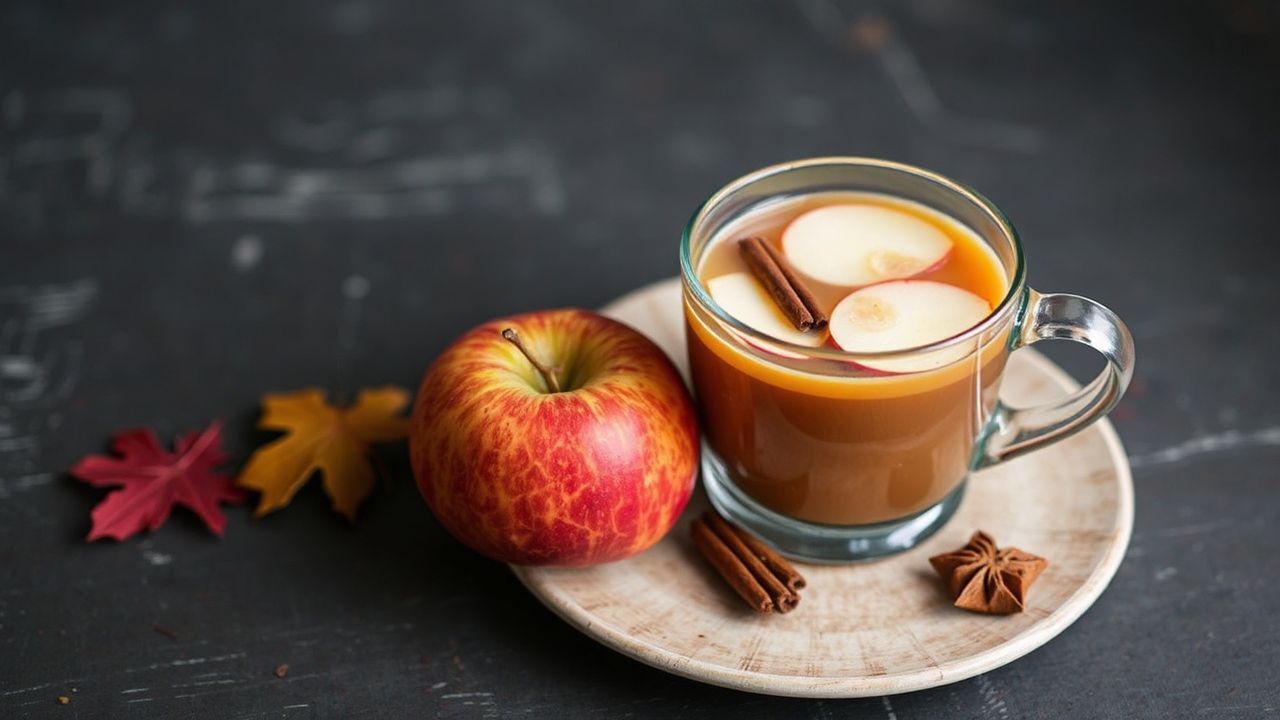
Choose one edible garnish and one aromatic garnish. A cinnamon stick float and a dusting of grated nutmeg work well because the aroma keeps releasing as the cider stays warm.
High-Impact Garnishes
Cinnamon stick (floats): looks festive and adds aroma with each sip. Place it right before serving so guests smell it as they pour.
Thin apple slice: adds color and a fresh bite. Keep it simple and slice it thin enough to soften slightly in the hot liquid.
Orange peel twist: brightens spice without adding heavy sweetness. Twist with a peeler so you get mostly oils, not bitter pith.
Whipped cream (optional): keep it light and dust with nutmeg. Heavy toppings can push the drink toward dessert rather than cozy beverage.
Flavor Pairings (Without Overcomplicating)
Hot apple cider pairs well with ginger cookies, cinnamon sugar donuts, or simple vanilla shortbread. The goal stays the same: match warmth, don’t drown it.
If you want a savory pairing, try sharp cheddar and crackers. Apple and spice often work against salty, tangy flavors because the cider’s acidity helps reset your palate.
How to Customize Your Cider in Minutes
Once you nail the base recipe, customizing takes only a few minutes. Adjust sweetness, citrus, or spice strength before you change anything else.
Start with the least risky moves. Taste first, then tweak slowly. Small steps help you avoid accidentally turning your hot apple cider into something too sweet or too spiced.
Make It Sweeter or Less Sweet
Adjust sweetness gradually. Maple syrup brands vary in sweetness, and apple blends vary too. Your best control comes from tasting mid-adjustment.
If you want lightly sweet cider, start with 2 tablespoons maple syrup, taste, then add more only if needed. Keep lemon moderate so the cider still tastes bright.
Add Extra Warmth
For extra warmth, increase ginger slightly or add a tiny pinch of ground cinnamon at the very end. If you use ground spice, strain after if you want a clearer finish.
You can also add one extra whole clove for a subtle lift. Whole spices reduce “muddy” texture compared to fully ground spice mixes.
Go Beyond Cinnamon: Cardamom and Vanilla
Cardamom adds fragrant, citrusy warmth that blends naturally with apples. Start small, then taste, because cardamom can dominate quickly.
Vanilla works as a finishing note. Add a few drops of vanilla extract after straining, not during simmering, so the aroma stays fresh. For reference on this spice family, see cardamom.
Make-Ahead, Storage, and Reheating
Hot apple cider holds up well because it uses fruit and stable spices. You can make a batch earlier, chill it, and reheat when guests arrive.
For quality and food safety, cool it quickly and store it in an airtight container in the fridge. Then reheat gently until steaming.
How Long It Keeps
Store cider in the refrigerator for up to 3–5 days. Flavor stays best in the first few days, especially the bright apple aroma.
For best results, reheat only what you plan to serve. That approach keeps the rest fresher while you pour.
How to Reheat Without Losing Flavor
Reheat on low heat. Stir occasionally and stop when it steams. Avoid boiling because it can mute delicate spice notes.
If the cider thickens as it cools, that’s normal. Fruit pectin settles, and gentle warming loosens it back up.
Nutritional Snapshot (Practical, Not Perfect)
Apple cider nutrition varies with apples and sweeteners. Still, homemade hot apple cider often falls in a moderate calorie range because water and fruit form the base.
The biggest lever you control is added sugar. Reducing maple syrup lowers total calories and sweetness, which also changes how “cozy” your cider tastes.
Common Mistakes (and How to Fix Them)
If your hot apple cider tastes “off,” it usually traces to one technique issue. Check boil level, straining method, and your balance of sweet vs. acid.
When you adjust one variable at a time, your next batch improves fast. Then you can refine your favorite flavor profile with confidence.
Mistake 1: Cloudy Cider
Cloudiness often comes from overworking ground spices or straining too loosely. Use whole spices, strain well, and mash gently.
If you want extra clarity, strain a second time through cheesecloth. That step catches fine spice particles without removing the apple character.
Mistake 2: Flat Flavor
Flat hot apple cider usually needs either more acid (lemon) or more aroma (slightly longer infusion). Add lemon in small steps and taste between each addition.
If it still tastes mild, steep 5–10 minutes longer next time before straining. Keep simmer gentle so you don’t push bitterness.
Mistake 3: Too Much Spice Heat
When cider tastes sharp or harsh, reduce spice contact time. Whole spices infuse gradually and usually don’t require a long, aggressive simmer.
Strain earlier and keep the simmer gentle. Aromatics stay brighter when you don’t drive them off with aggressive heat.
FAQ
Can I make hot apple cider without a juicer?
Yes. This recipe uses apples directly. You simmer whole apples in water, then mash and strain. You get a naturally concentrated hot apple cider without special equipment.
The core method stays the same: fruit infusion plus gentle heat control. For an overview of how apples are used in food, you can also reference Apple.
What’s the difference between hot apple cider and apple juice?
Apple juice usually comes from pressing and filtering for a clean, uniform drink. Hot apple cider often includes more fruit compounds because you simmer apples and strain.
That extra fruit contact gives hot apple cider more body and deeper flavor. The exact result depends on how long you simmer and how thoroughly you mash.
How can I make it spicier without adding extra sugar?
Increase spice contact, not sweeteners. Simmer gently a little longer, add one extra whole clove, or add a small amount of orange peel for brightness.
Keep lemon balanced so the flavor stays sharp, not syrupy. Taste after each change so you control the direction.
Is hot apple cider caffeine-free?
Yes. Apple cider contains no caffeine naturally. Your caffeine level only changes if you add ingredients like tea concentrates or coffee-like flavors.
With the base recipe, you can expect a caffeine-free hot apple cider that tastes cozy on its own.
Can I keep it warm for a party?
Absolutely. After making and straining, keep it warm in a slow cooker on low or in a thermos. Reheat gently if it cools down, and avoid boiling hard.
Serve in batches if possible. That keeps aroma stronger and flavor fresher for guests who arrive at different times.
See also: hot apple cider