

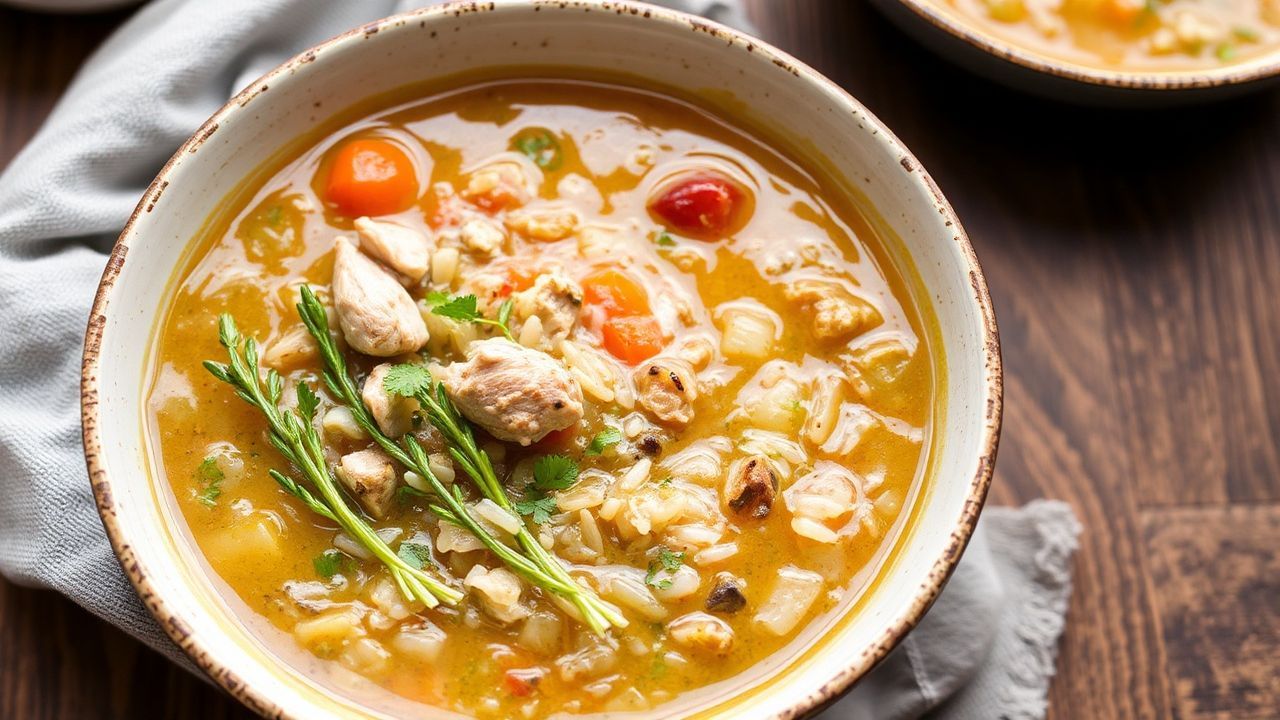
When the chill of autumn settles in, Turkey and Wild Rice Soup Delight delivers warm comfort fast. This soup pairs tender turkey, nutty wild rice, and an aromatic base of onion, celery, and herbs. Each spoonful feels hearty, clean, and satisfying—exactly what a weeknight or a weekend gathering needs.
- The Rich History Behind Turkey and Wild Rice Soup
- Choosing the Perfect Wild Rice for Maximum Flavor
- Turkey and Wild Rice Soup Delight Prep and Cook Time
- Ingredients for Turkey and Wild Rice Soup Delight
- Step by Step Guide to Crafting Turkey and Wild Rice Soup Delight
- Step 1: Cook the Wild Rice
- Step 2: Sauté the Aromatics
- Step 3: Make a Smooth Roux
- Step 4: Add Broth and Milk
- Step 5: Combine and Simmer to Thicken
- Expert Tips to Elevate Turkey and Wild Rice Soup Delight with Fresh Herbs and Spices
- Chef’s Notes & Tips for Success
- Make Ahead and Reheat Strategy
- Turkey Options
- Dairy Alternatives for a Lighter Finish
- Texture Control
- Wild Rice Substitutes (Use With Care)
- Serving Suggestions for Turkey and Wild Rice Soup Delight
- FAQ
- Wild rice brings a chewy bite and earthy flavor.
- Turkey adds rich protein and natural savoriness.
- Roux + broth helps create a creamy texture without fuss.
- Make-ahead improves flavor after the first day.
Whether you cook with leftover turkey or start fresh, the method stays simple. You build flavor in layers, then simmer until the rice turns tender without losing its structure. As a result, the bowl tastes both rustic and polished.
The Rich History Behind Turkey and Wild Rice Soup
Turkey and Wild Rice Soup Delight fits naturally into North American comfort food traditions. Wild rice has long histories in parts of North America, especially around the Great Lakes, where it gained cultural importance as a harvested grain-like seed. You can read more about its background at wild rice.
Turkey also holds a familiar place at holiday tables and family meals. When you combine these two staples, you create a dish that feels seasonal without being fussy. The comforting broth and hearty texture echo the way many regional soups use slow simmering for depth.
Choosing the Perfect Wild Rice for Maximum Flavor
The quality of your soup starts with the rice. Wild rice is not the same as white rice; it cooks with a firmer, more chewy texture and a distinct nutty aroma. For basics on the plant and seed, see wild rice biology.
Look for whole kernel wild rice with a deep, dark color and intact grains. Rinsing helps remove surface dust and improves broth clarity. Avoid very old rice that tastes flat, because it can undercook even when you follow timing.
Whole Kernel vs. Blends
Whole kernel wild rice gives the strongest flavor and the most reliable chew. Blends with white or brown rice can work for convenience, but they may soften differently. That can change the “signature” mouthfeel of the final soup.
Choose pure wild rice when you want a bold, woodsy note. Choose a blend only when you prioritize speed and a softer bite. Either approach can taste great if you adjust simmer time for your specific grains.
How to Cook Wild Rice in Soup
Wild rice needs enough liquid to hydrate fully. If you cook it in the soup pot, keep a gentle simmer so the grains expand without turning mushy. Stir occasionally and taste during the final minutes.
Alternatively, you can cook the wild rice separately, then add it later. This gives you more control and reduces the risk of uneven texture when turkey is already simmering. Many cooks do this for consistent results.
To keep the soup silky, you can also skim foam while it simmers. Then you build the creamy body with a roux, which thickens without needing heavy cream. This approach supports steady, gentle heat and better flavor extraction from herbs.
Turkey and Wild Rice Soup Delight Prep and Cook Time
You can plan this recipe around two stages: wild rice prep and soup finishing. If you start with cooked turkey, your active time drops a lot. If you start from raw turkey, plan extra time for fully cooked meat.
Typical prep and cook pacing helps you serve on time. Wild rice simmering sets the rhythm, then sauté and thickening finish the bowl quickly once the base is ready.
Timing at a Glance
Preparation Time: 20 minutes. You chop aromatics, shred turkey, and measure seasonings.
Cooking Time: 1 hour 15 minutes. Most time comes from wild rice hydration and a gentle simmer for flavor blending.
Yield and Portion Fit
This recipe makes about 6 servings. It works well for family dinners and also for leftovers. After reheating, the rice absorbs some broth, which thickens the soup naturally.
Store portions in sealed containers and cool quickly for best freshness. For safe storage timelines, rely on trusted food safety guidance from resources like food safety.
Ingredients for Turkey and Wild Rice Soup Delight
Gather ingredients before you start so the process stays smooth. You need a sturdy broth, classic aromatics, and herbs that match turkey. A thickening agent turns the broth into a comforting, spoon-coating base.
For the best flavor, choose unsalted butter and low-sodium broth. This control helps you season gradually and avoid a salty finish.
- 1 ½ cups whole kernel wild rice, rinsed
- 8 cups low-sodium turkey broth (homemade or store-bought)
- 2 cups cooked turkey meat, shredded or diced
- 1 medium yellow onion, finely chopped
- 3 celery stalks, diced
- 2 large carrots, peeled and diced
- 3 cloves garlic, minced
- 4 tablespoons unsalted butter
- ⅓ cup all-purpose flour, sifted
- 1 ½ cups whole milk (or heavy cream for extra richness)
- 1 teaspoon dried thyme
- 1 teaspoon dried sage
- 1 bay leaf
- Salt and black pepper, to taste
- Fresh parsley, finely chopped (for garnish)
Step by Step Guide to Crafting Turkey and Wild Rice Soup Delight
Follow a clear sequence to keep the texture right. First, cook the wild rice until tender and slightly chewy. Next, sauté aromatics to build a savory foundation, then thicken and simmer for harmony.
As you cook, keep tasting. Soup quality comes from seasoning balance, not just following timing. If the flavor needs lift, it often responds well to a small salt adjustment.
Step 1: Cook the Wild Rice
Simmer rinsed wild rice with 4 cups turkey broth in a covered saucepan until tender, usually 45–50 minutes. Keep heat gentle so the grains hydrate evenly.
Drain any excess liquid and set the rice aside. This step isolates the rice texture so your final soup stays consistent, even if turkey is already cooked.
Step 2: Sauté the Aromatics
In a heavy-bottom pot, melt butter over medium heat. Add onion, celery, and carrots, then sauté until softened and fragrant, about 8 minutes.
Stir in garlic for 1 minute. Garlic burns quickly, so keep it brief. The goal is aroma, not browning.
Step 3: Make a Smooth Roux
Sprinkle in the sifted flour and stir constantly for 2–3 minutes. The mixture should smell toasty and look slightly golden.
This roux thickens the soup later and reduces the chance of floury clumps. If it gets too dark, lower the heat immediately.
Step 4: Add Broth and Milk
Whisk in the remaining 4 cups turkey broth gradually. Then whisk in milk or cream to smooth the base.
Add thyme, sage, bay leaf, salt, and black pepper. Bring to a gentle simmer, stirring to prevent scorching along the bottom.
Step 5: Combine and Simmer to Thicken
Add cooked wild rice and turkey meat. Stir well, then simmer 15–20 minutes so flavors meld and the soup thickens slightly.
Remove the bay leaf before serving. Garnish with chopped parsley for freshness and a bright green pop against the creamy broth.
Expert Tips to Elevate Turkey and Wild Rice Soup Delight with Fresh Herbs and Spices
Herbs shape the final aroma. Dried thyme and sage add reliable depth, while fresh parsley gives a clean finish. For wider herb background, see herbs in cooking.
During simmering, the herbs release flavor steadily. If you add strong fresh herbs too early, they can lose fragrance. Instead, reserve the brightest notes for the last few minutes or for garnish.
Seasoning Builds Flavor Gradually
Start with a measured amount of salt, then taste after thickening. Milk softens sharp edges, so season again once the soup reaches its final consistency.
Black pepper also helps perception of richness. A small amount can make the turkey flavor taste more pronounced without making the soup spicy.
Optional Flavor Boosts That Stay On-Theme
If you want extra warmth, a pinch of smoked paprika can add subtle complexity. Keep it light so it supports the classic turkey-and-herb profile rather than overpowering it.
Just before serving, a small squeeze of lemon can brighten the soup. Acid lifts aroma and makes cream feel lighter. Use restraint and taste as you go.
Chef’s Notes & Tips for Success
Great soup improves with time. After refrigeration, starches and proteins settle, and flavors blend more evenly. That’s why this recipe works especially well for meal prep.
You can also tweak the texture to match your household. If you like chunkier bowls, keep more turkey and leave some vegetables unblended.
Make Ahead and Reheat Strategy
Cool the soup quickly, then refrigerate in airtight containers for up to three days. Reheat gently on the stove, stirring often to restore a smooth texture.
For freezing, portion the soup and freeze up to three months. Thaw overnight in the refrigerator, then reheat slowly to protect the rice texture and prevent uneven warming.
Turkey Options
Leftover roasted turkey provides the strongest “home-style” flavor. Poached turkey breast also works and can keep the soup leaner while still tender.
If turkey is not available, cooked chicken can replace it. Flavor changes, but the method stays the same and the soup still tastes comforting.
Dairy Alternatives for a Lighter Finish
If you prefer non-dairy, use unsweetened plant milk. Choose a variety that heats smoothly to avoid separation during simmering.
To keep thickness consistent, consider a small cornstarch slurry. Whisking the slurry in during the last simmer minute gives control without altering the flavor profile much.
Texture Control
If you want creaminess, blend a portion of the soup and stir it back. This keeps the overall structure while smoothing the broth.
For a thicker feel without blending, simmer 5–10 minutes longer. Watch closely to avoid over-reducing the rice.
Wild Rice Substitutes (Use With Care)
If you can’t find wild rice, use a mix of brown rice and a rice that stays firm. The chew will differ, so simmer time may change.
For the best results, keep substitutes modest. Wild rice contributes unique texture and earthy flavor, so replacing it fully can shift the dish’s identity.
Serving Suggestions for Turkey and Wild Rice Soup Delight
Serve the soup hot in wide bowls so the toppings spread easily. Crusty artisan bread works well because its crust holds up to creamy broth. A side salad also helps balance richness with crisp, fresh bite.
For garnishes, parsley adds color and freshness. A small drizzle of olive oil can enhance aroma, especially if your herbs feel mild.
Pairings That Fit the Flavor Profile
Choose pairings that complement herb and turkey notes. Roasted squash or sautéed mushrooms fit the savory, earthy direction of the rice. These sides feel seasonal and keep the meal cohesive.
If you serve salad, select a vinaigrette with tang. Acid counters creaminess and helps each spoonful taste lighter.
Leftovers With Intent
Leftover soup tastes best when you reheat gently. Stir frequently and add warm broth if it thickens too much. This keeps the texture close to the day you cooked it.
You can also use leftovers as a filling for wraps or as a topping for baked potatoes. Since it already contains rice and turkey, it works like a hearty stew.
FAQ
Below are common questions cooks ask about this hearty soup. Use the answers to dial in texture, timing, and flavor for your kitchen.
What makes Turkey and Wild Rice Soup Delight so comforting?
It combines chewy wild rice, tender turkey, and a warm herb broth. The roux-based thickening makes the bowl feel creamy without requiring constant stirring.
Can I make this soup with leftover turkey?
Yes. Add cooked turkey during the final simmer stage so it stays tender. Leftover turkey also reduces prep time while boosting savory flavor.
How long does wild rice need to cook for this soup?
Whole kernel wild rice usually takes about 45–50 minutes depending on brand and age. Check tenderness and keep simmering until the grains feel chewy, not hard.
Is this soup naturally gluten-free?
Wild rice itself is gluten-free, but flour is not. To make the recipe gluten-free, swap the roux thickening with a gluten-free thickener method and verify your broth label. For ingredient context, see gluten.
Can I freeze Turkey and Wild Rice Soup Delight?
Yes. Portion it, cool fully before freezing, and freeze up to three months. Thaw overnight and reheat gently to preserve rice texture.
See also: Turkey and Wild Rice Soup