
There’s something unmistakably iconic about a lobster roll: simple ingredients, bright seafood flavor, and a filling that turns one toasted bun into a full meal. The difference between Connecticut and Maine styles comes down to a few choices—how the lobster gets prepared, whether it stays cool, and what you do with butter or mayo.
- Lobster rolls explained: key differences
- 30-minute prep plan (Prep and Cook Time)
- Yield and difficulty
- Ingredients
- Instructions
- Tips for success (best texture and flavor)
- Serving Suggestions
- Q&A
- What exactly is a lobster roll?
- How do Connecticut and Maine lobster rolls differ?
- Why does Connecticut serve warm and Maine serve cold?
- What bun works best for lobster rolls?
- How can I keep the rolls from getting soggy?
- Closing Remarks
- Connecticut: warm lobster tossed with melted butter, served in a hot, buttery bun.
- Maine: chilled lobster with light mayo dressing, often with lemon or celery.
- Best bun: split-top New England-style rolls hold filling without soaking through.
- Eat fast: warm and cold both peak at serving time.
Connecticut and Maine both rely on high-quality lobster, but their texture goals differ. Connecticut leans into richness and aroma from butter, while Maine highlights a cleaner, cooler bite with mayonnaise and a quick citrus note. If you understand those targets, you can cook lobster meat correctly and assemble a roll that tastes “right” in either style.
In the next sections, you’ll get a clear breakdown of prep, cooking, and assembly so you can make both styles at home in about 30 minutes. You’ll also learn what matters most—lobster meat selection, dressing ratios, and toasting technique. Use the Q&A to troubleshoot and choose sides that match the flavor profile.
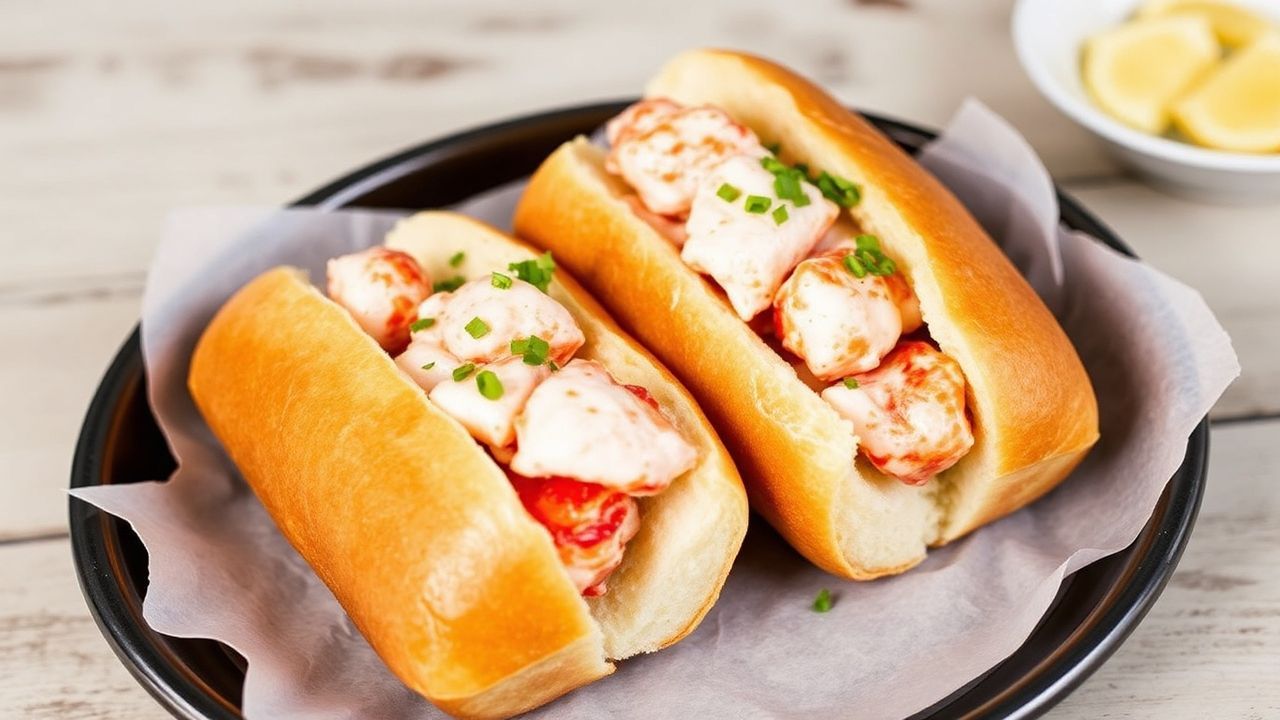
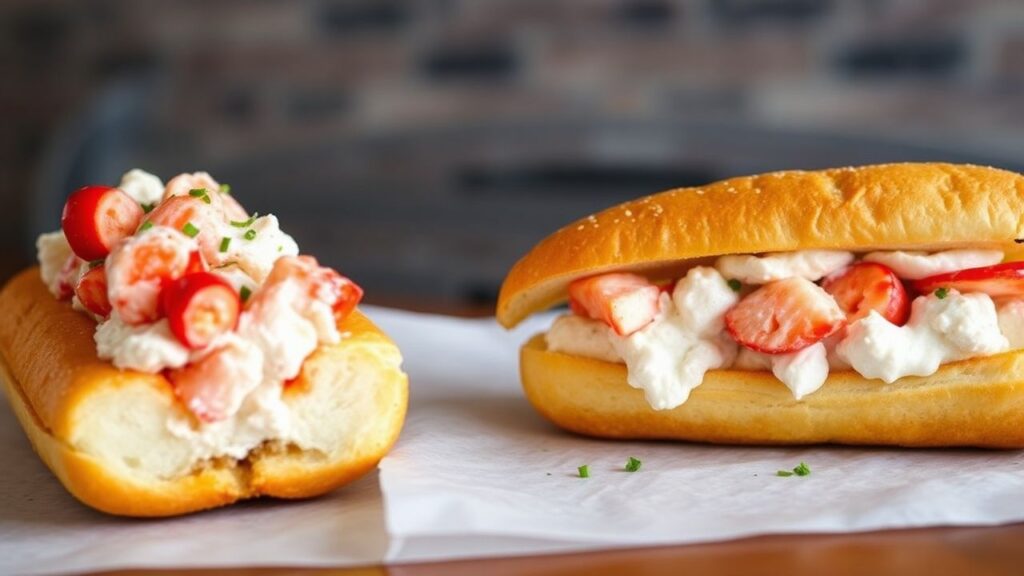
Lobster rolls: two regional signatures show how New England cooks treat the same ingredient differently. Both versions center on lobster meat tucked into a soft, toasted bun, but Connecticut uses warm butter to season and loosen the meat, while Maine keeps the filling chilled and lightly dressed for freshness.
To ground the differences, it helps to think about how butter and mayonnaise change perception. Butter adds fat and salt that carry aroma, which makes warm lobster taste richer. Mayo adds creamy emulsification, and when combined with lemon and optional celery, it supports a cooler, brighter flavor.
Lobster rolls explained: key differences
Connecticut lobster rolls traditionally rely on melted butter and warm lobster meat. Many cooks warm lobster gently so the fat coats each strand of meat without toughening it, then pile it into a grilled bun for a buttery, savory finish.
Maine lobster rolls usually keep the lobster meat chilled and toss it with mayonnaise plus a light touch of lemon. Celery and celery seed show up often because they add crunch and a mild herbal note that balances the sweetness of lobster.
You can learn the seafood science behind the prep by thinking in terms of fat coating and temperature. Cooking and handling affect texture because muscle proteins tighten when heat rises. That’s why many chefs warm lobster briefly for Connecticut, while Maine avoids extra warming and focuses on dressing.
For terminology and background on lobster biology and how crustaceans are harvested and prepared, see Lobster. For a broader view on seafood cooking and the role of temperature, review meat cookery.
What “warm” vs “cold” really means
“Warm” Connecticut doesn’t mean hot enough to dry the meat. It means the lobster feels comfortable and buttery, so the butter stays liquid and coats the filling. Aim for gentle warmth so the lobster stays tender.
“Cold” Maine doesn’t mean straight from the freezer. It means the lobster dressing feels chilled and cohesive, so the mayo doesn’t taste greasy or watery. Chill the mixture before assembling to keep texture crisp and flavors clean.
30-minute prep plan (Prep and Cook Time)
You can make both styles efficiently if you stage tasks. First, cook or warm lobster meat, then prep the dressing for Maine. While buns toast, you can assemble Connecticut and Maine quickly so both taste fresh at serving time.
Below is a realistic timing plan for a typical home setup. Actual times vary based on whether your lobster meat is pre-cooked and how cold it is when you start.
- Readiness: 20 minutes
- Cooking lobster (if needed): 10–12 minutes
- Total time: Approximately 30 minutes
Yield and difficulty
This recipe makes 4 lobster rolls, sized for a main-meal portion. If you’re serving guests, you can scale up easily by keeping the lobster-to-bun ratio consistent.
Difficulty level: Medium. You’ll succeed if you keep heat gentle, toast the buns properly, and measure dressing so it lightly coats the meat rather than drowning it.
Ingredients
Use fresh, sweet lobster meat for the best result. If you’re choosing between claw and tail meat, both work, but they behave differently in texture.
Claw and knuckle meat tends to feel more tender and sweet, while tail meat can feel firmer and meatier. A blend gives you both softness and structure, so the rolls feel balanced from bite one to the last.
- 1 ½ lbs fresh lobster meat (cooked and ready to use; warm for Connecticut, chill for Maine)
- 4 top-split brioche or New England-style hot dog buns (buttered and toasted)
- 4 tbsp unsalted butter (softened, for toasting and Connecticut style)
- 2 tbsp mayonnaise (for Maine style)
- 1 tbsp freshly squeezed lemon juice
- Salt and black pepper, to taste
- 1 stalk celery (finely diced, optional for Maine style)
- 1 tsp celery seed (optional for Maine style)
- Chopped fresh chives or parsley (garnish)
For safe food handling and basic seafood storage guidance, you can reference food safety. For general lobster preparation concepts, see crustacean background.
Instructions
Follow these steps in order so you avoid late-stage timing issues. You’ll prepare two fillings—Connecticut (warm butter) and Maine (chilled mayo)—then assemble and serve quickly.
Keep hands clean, use a light touch with seasoning, and aim for fillings that coat rather than saturate the bun.
- Prepare the lobster meat: If your lobster is already cooked, gently warm only what you plan to use for Connecticut. For Maine, keep lobster chilled. For Connecticut, warm lobster lightly in a little melted butter so it becomes glossy. For Maine, toss chilled lobster with mayonnaise, lemon juice, diced celery (if using), celery seed (if using), salt, and pepper.
- Toast the buns: Spread softened butter inside and outside of each bun. Toast in a skillet over medium heat until golden and lightly crisp, about 2 minutes per side. Transfer to a plate to prevent over-toasting.
- Assemble Connecticut style: Spoon warm lobster into the butter-toasted bun. Drizzle a small amount of extra melted butter over the top. Keep additions minimal; a sprinkle of chives or parsley adds brightness.
- Assemble Maine style: Spoon chilled lobster mixture into toasted buns. Make sure mayo coats the meat lightly. Garnish with chives or parsley.
- Serve promptly: Eat right away. Serve with crisp sides so the bun stays structured and the lobster flavor stays vivid.
Tips for success (best texture and flavor)
Small technique differences decide whether a lobster roll tastes delicate or dull. Focus on the meat temperature, the butter or mayo ratio, and bun toasting level. Once those work, the rest becomes easy.
Use these targeted adjustments to match your preferences. If you love bold richness, lean slightly more butter in Connecticut. If you prefer a bright, clean seafood taste, keep Maine dressing light and add lemon carefully.
- Choosing the lobster meat: Claw and knuckle meat often feels sweeter and softer; tail meat can be firmer. A mix gives you more texture contrast.
- Butter is queen in Connecticut: Use quality unsalted butter. Its flavor shows up fast once melted and toasted into the bun.
- Keep it cool for Maine: Chill lobster and dressing before assembling. Cold temperature helps the mayo stay thick and cohesive.
- Toast buns just right: Toast until golden with a slight crisp edge. Stop before the bun dries out.
- Don’t overdo the mayo: Maine style should taste like lobster first. If the dressing looks heavy, reduce mayonnaise next time.
- Make-ahead strategy: Mix Maine lobster salad up to 2 hours ahead. Toast buns and assemble just before eating.
Serving Suggestions
For the classic New England feel, serve lobster rolls with sides that add crunch or tang. Potato chips work because they mirror the roll’s salty, buttery profile without masking lobster sweetness.
Try a light cole slaw or a simple salad with lemony dressing. Dill pickles and a lemon wedge also fit both styles because acidity cuts through butter and balances mayo.

If you want background on common New England culinary staples like pickles and fermentation-based flavors, review pickles. For general nutrition context and why seafood can fit a balanced plate, see seafood.
| Nutrient | Per Serving |
|---|---|
| Calories | 400 kcal |
| Protein | 32 g |
| Carbohydrates | 30 g |
| Fat | 18 g |
After you master the two styles, you’ll spot how tiny choices create regional identity. That’s the fun part: Connecticut and Maine share lobster but communicate different textures and flavor goals, from warm butter gloss to chilled mayo brightness.
Q&A
Got questions before you assemble? Use the answers below to fine-tune your lobster rolls and avoid common mistakes like soggy buns or heavy dressing.
What exactly is a lobster roll?
A lobster roll is a seafood sandwich with lobster meat inside a toasted bun. Connecticut and Maine versions follow different dressing and temperature traditions, but both focus on lobster flavor first.
How do Connecticut and Maine lobster rolls differ?
Connecticut rolls use warm lobster tossed with melted butter and served in a grilled, buttery bun. Maine rolls use chilled lobster mixed with mayonnaise and often lemon or celery, served in a toasted bun.
Why does Connecticut serve warm and Maine serve cold?
Connecticut’s warmth amplifies butter aroma and creates a rich coating texture. Maine’s chill keeps the lobster fresh-tasting and preserves a clean, creamy dressing without relying on heat.
What bun works best for lobster rolls?
Use a split-top New England-style hot dog bun for balance. Toasting and buttering help the bun hold filling while keeping a tender interior.
How can I keep the rolls from getting soggy?
Toast buns until golden and crisp at the edges, then assemble right before eating. For Maine, chill the filling so it doesn’t weep liquid, and use mayo sparingly.
Closing Remarks
Whether you choose the buttery warmth of a Connecticut lobster roll or the chilled, mayo-kissed brightness of Maine, the core idea stays the same: lobster should taste like lobster. When you match temperature, dressing weight, and bun toasting, each style delivers the regional signature people crave.
Next time lobster cravings hit, make both. One bite shows you how butter creates rich comfort, while a light mayo dressing creates a cleaner, cooler seafood experience. Either way, you get a classic New England treat built in about 30 minutes.
See also: lobster rolls