
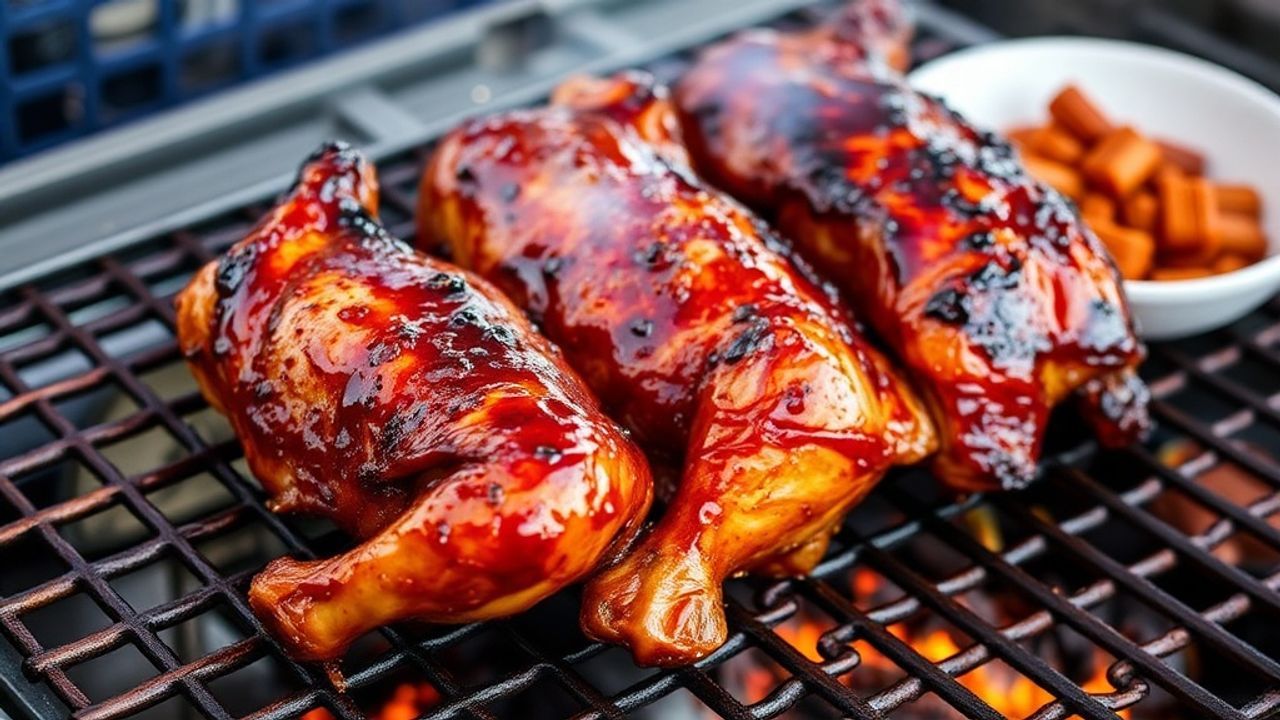
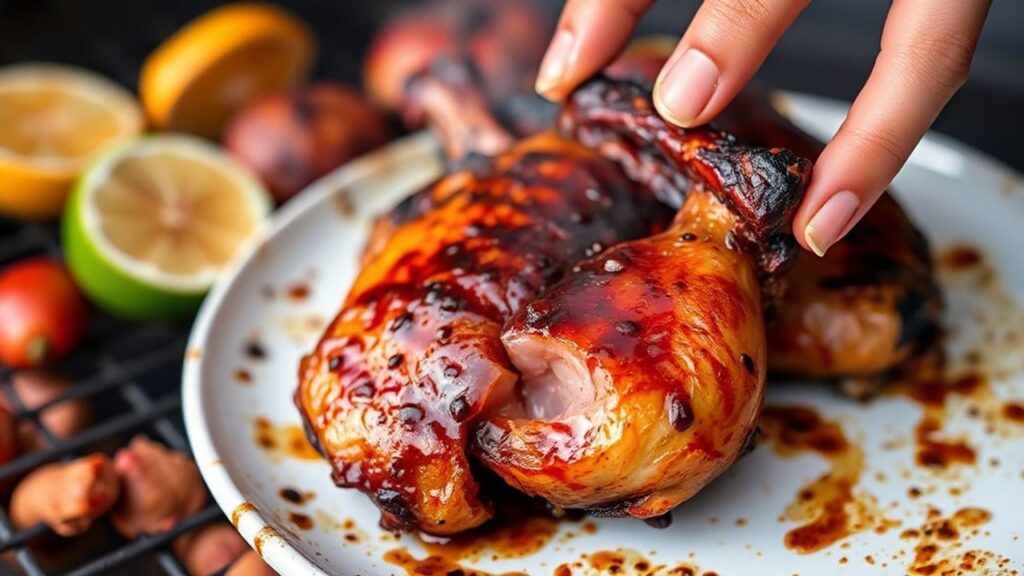
Under swaying palms, Huli Huli chicken sizzles over open flame and delivers a sticky-sweet, smoky glaze that defines Hawaiian barbecue. This Huli Huli technique pairs a soy-pineapple marinade with controlled heat to produce moist meat and deep caramelization.
- Quick takeaway: Huli Huli balances sugar, acid, and umami to form a lasting glaze.
- Time saver: Marinate at least 4 hours; overnight is best for depth.
- Heat control: Medium indirect heat prevents burning while building crust.
Huli Huli Essentials: Prep and Times
Plan your schedule. Marinating and resting determine final texture: aim for 4 hours minimum and preferably overnight. That step lets the Huli Huli flavor penetrate fibers rather than sitting only on the surface.
Workstation setup matters. Clean, oiled grates and a reliable thermometer keep results consistent. Learn basic direct vs. indirect heat techniques used in classic barbecue grilling to manage charring and doneness.
Huli Huli Ingredients
Every ingredient pulls a role in the final sauce. Soy sauce supplies umami and salt; brown sugar caramelizes for that lacquered finish; pineapple juice adds acidity and tropical aroma that tenderizes the meat.
Use bone-in, skin-on thighs for juiciness and a better crust under the Huli Huli glaze. Substitutions work, but adjust cook times and expect lean cuts to dry faster. For cultural context, Huli Huli sits within broader Hawaiian cuisine traditions that celebrate local produce and communal meals.
Huli Huli Grilling Instructions
Start by making a balanced marinade: soy, brown sugar, pineapple juice, grated ginger, minced garlic, a splash of vinegar, and a touch of sesame oil. Whisk until sugar dissolves and strain if you prefer a smooth baste.
Marinate chicken in a sealed container or bag, turning occasionally. Remove excess marinade before grilling and reserve a portion for basting; do not reuse marinade that contacted raw poultry unless you simmer it first to kill bacteria.
- Preheat: Stabilize your grill to about 350°F (175°C) for indirect cooking.
- Sear then move: Begin over direct heat to color the skin, then shift to indirect heat to finish.
- Baste frequently: Apply reserved, boiled marinade every 5–8 minutes to build layers of sheen and caramelization.
- Check doneness: Pull at 165°F (74°C) internal temperature, then rest for 5 minutes before serving.
For smoke complexity, add hardwood chips such as guava or kiawe; controlled smoke enhances Huli Huli without overwhelming the sauce. If you use the oven, broil at the end to replicate char while monitoring closely to avoid burn.
Tips for Huli Huli Success
Heat management is non-negotiable. Too hot and sugars burn; too low and you miss crust formation. Keep fuel steady and reposition pieces as flare-ups occur.
Temperature monitoring: Use an instant-read thermometer for accuracy and remove the chicken a few degrees before target; carryover heat raises the internal temperature while resting.
Wood selection: Light fruitwoods add a Hawaiian touch without bitter smoke. Small soaked chips placed away from direct flame produce a gentle, consistent smoke during the Huli Huli cook.
Serving Huli Huli
Serve Huli Huli chicken hot with coconut-style rice and bright fruit salsas. The contrast of fatty, caramelized chicken and acidic mango or pineapple salsa keeps each bite lively and prevents palate fatigue.
For gatherings, present Huli Huli family-style so guests can serve themselves. This approach reflects the communal spirit associated with traditional Hawaiian feasts and the luau experience documented in cultural overviews like luau.
Nutrition and Storage
A typical serving delivers a balance of protein and carbohydrates when plated with rice and fruit. Expect roughly 400–500 kcal per serving depending on portion size and skin retention.
Store leftovers in an airtight container for up to 3 days in the refrigerator. Reheat gently in a skillet with a splash of water or low oven heat to preserve moisture and avoid drying the glaze.
Origins and Cultural Notes
Huli Huli refers to the action of turning meat over a grill and became widely known through community fundraisers in Hawaii during the mid-20th century. The name itself conveys the motion central to the technique and presentation.
Understanding Huli Huli within Hawaiian culinary history adds respect to the cook’s approach and ingredient choices. For a concise historic reference, consult the Huli-huli chicken entry on Wikipedia: Huli-huli chicken history.
FAQ
What is Huli Huli chicken?
Huli Huli chicken is grilled poultry basted with a sweet-savory glaze and cooked while repeatedly turned. The name translates to “turn, turn,” describing the continual motion used while grilling.
How long should I marinate for best results?
Marinate at least 4 hours; overnight yields optimal penetration and flavor depth. Short marinades will season the surface but won’t tenderize or infuse as deeply.
Can I make Huli Huli without a grill?
Yes—use an oven with a broiler finish. Roast on a rack to allow airflow, and broil briefly to achieve caramelization similar to grill char.
Which cuts work best for Huli Huli?
Bone-in, skin-on thighs deliver the best balance of moisture, fat, and texture for Huli Huli. Boneless or breast cuts work if you reduce cook time and watch for dryness.
What sides pair well with Huli Huli?
Classic pairings include coconut rice, macaroni salad, and fresh fruit salsas. These sides complement the sweet-savory profile and reflect island-style plates.
Embrace the tactile rhythm of the grill and treat each basting pass as a layer of flavor. When you control marinade balance, heat, and timing, the Huli Huli result rewards precision with deeply satisfying, caramelized bites.
See also: Huli Huli