

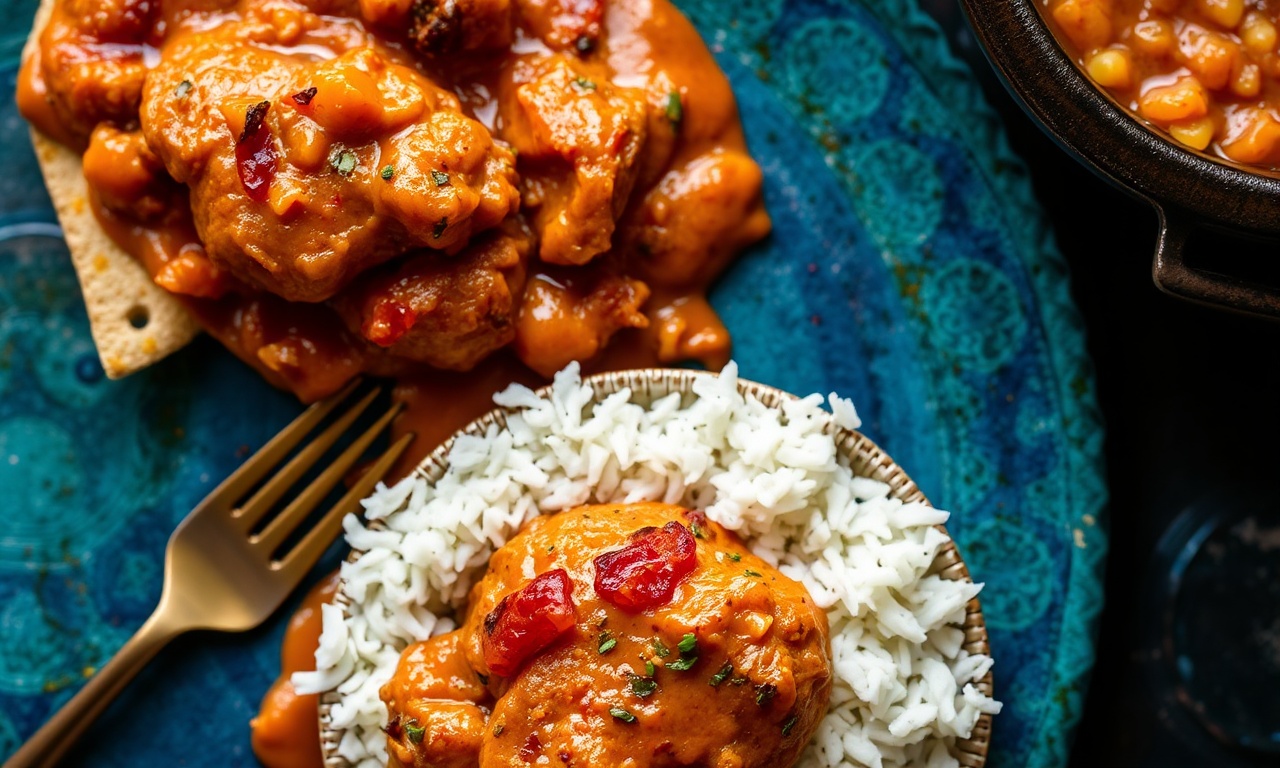
A Culinary Tapestry Unveiled: The Fiery Moroccan Chicken Tagine
“The most exciting meals are those that tell a story.” – Unknown
- A Culinary Tapestry Unveiled: The Fiery Moroccan Chicken Tagine
- The Genesis of a Fiery Delight: A Historical and Cultural Context
- Deconstructing the Fiery Moroccan Magic: Key Ingredients and Their Roles
- Mastering the Art: A Step-by-Step Guide to Fiery Moroccan Perfection
- The Foundation: Preparation and Browning
- Building the Aromatic Core
- The Simmering Alchemy
- The Grand Finale: Finishing Touches
- Elevating the Experience: Serving and Pairing Suggestions
- The Science of Flavor: Understanding Spice Synergy and Sweetness Balance
- Frequently Asked Questions about Fiery Moroccan Chicken Tagine
- Q: What makes a Moroccan chicken tagine distinct from other chicken stews?
- Q: Why are apricots so integral to this Fiery Moroccan dish?
- Q: Can I make this Fiery Moroccan tagine without a traditional tagine pot?
- Q: How can I adjust the “fiery” heat level of the tagine?
- Q: What are the best ways to serve this Fiery Moroccan tagine?
- Final Recommendations for an Unforgettable Fiery Moroccan Feast
A Fiery Moroccan chicken tagine with sweet apricots is more than just a dish; it’s an invitation to embark on a profound sensory expedition, a vibrant narrative woven from centuries of culinary heritage and the diverse mix of North African flavors. This iconic preparation, celebrated for its masterful interplay of piquant spices and the subtle, yielding sweetness of sun-kissed apricots, encapsulates the essence of Moroccan hospitality and its deeply rooted gastronomic traditions. It’s a dish that doesn’t merely satisfy hunger; it awakens the palate, transports the mind, and fosters a sense of communal joy around the table. Understanding the heart of this tagine means appreciating the delicate balance, the slow-cooked alchemy, and the aromatic symphony that defines it.
The true magic of a Fiery Moroccan tagine lies not just in its bold spices, but in the artful dance between heat and sweetness, creating a harmonious flavor profile that lingers long after the last bite.
This exploration explores the soul of the Fiery Moroccan chicken tagine, dissecting its historical significance, the critical role of its key ingredients, and the nuanced techniques that elevate it from a simple stew to an unforgettable culinary masterpiece. Prepare to be captivated by a dish that embodies the spirit of Morocco, proof of how simple ingredients, treated with respect and tradition, can yield extraordinary results.
The Genesis of a Fiery Delight: A Historical and Cultural Context
When it comes to Fiery Moroccan, When it comes to Moroccan cuisine, the origins of the tagine, both as a cooking vessel and a culinary style, are deeply entwined with the nomadic traditions of North Africa, particularly Morocco. The distinctive conical lid of the earthenware tagine pot is not merely aesthetic; it’s a functional marvel designed for slow cooking over low heat. This design allows steam to rise, condense, and drip back down onto the ingredients, ensuring unparalleled moisture and tenderness without the need for constant attention. This method was ideally suited for arid climates where water was scarce and fuel was precious, allowing for the tenderization of tougher cuts of meat and the melding of flavors over extended periods.
In the context of Fiery Moroccan, The *Journal of Ethnic Foods* has documented the cultural significance of this cooking method.
Around Fiery Moroccan, The “fiery” aspect of many Moroccan dishes, including this chicken tagine, stems from the historical trade routes that crisscrossed the region, bringing a wealth of spices from the East. Cumin, coriander, cinnamon, ginger, turmeric, and chili peppers became integral to the Moroccan spice palette. These were not just used for flavor but also for their preservative qualities and purported medicinal benefits. The addition of dried fruits, such as apricots, dates, and raisins, to savory dishes is another hallmark of Moroccan cuisine, a practice that likely evolved from the desert dwellers’ need to incorporate preserved sweetness into their diet.
Regarding Fiery Moroccan, The combination of these elements – the slow-cooking method, the aromatic spices, and the sweet-savory interplay – created a culinary tradition that is both complex and deeply comforting. Research published in the *Journal of Ethnic Foods* highlights how the tagine reflects Morocco’s position as a cultural crossroads, blending Berber, Arab, Andalusian, and Mediterranean influences into a unique gastronomic identity.
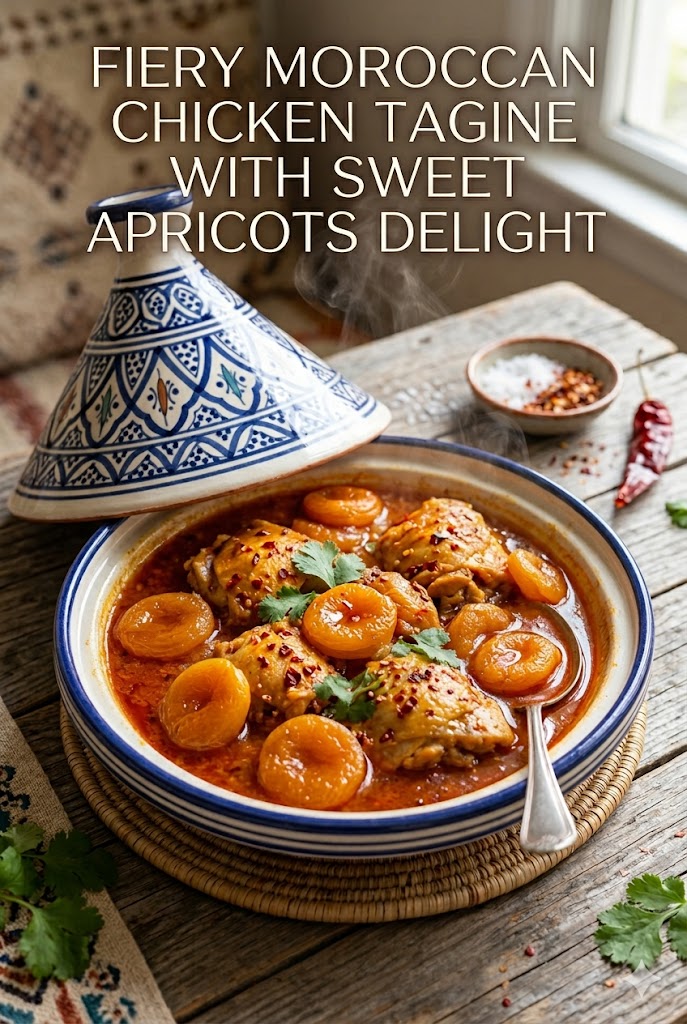
Deconstructing the Fiery Moroccan Magic: Key Ingredients and Their Roles
The true artistry of a Fiery Moroccan chicken tagine lies in the careful selection and proportional balance of its components. Each ingredient matters significantly, contributing to the dish’s signature depth, aroma, and texture.
- Chicken Thighs: Opting for bone-in, skin-on chicken thighs is crucial. The bone adds richness to the braising liquid, while the skin, when properly seared, renders fat that infuses the dish with flavor and contributes to a desirable unctuousness. Thighs are naturally more forgiving than breasts, remaining tender and moist throughout the extended cooking process.
- Aromatics (Onion & Garlic): These form the foundational flavor base. Finely chopped onions caramelize slowly, lending a natural sweetness and depth. Minced garlic, added judiciously to avoid burning, provides its pungent, indispensable aroma.
- The Spice Ensemble: This is where the “fiery” aspect truly shines.
- Cumin & Coriander: These earthy, slightly citrusy spices are staples in Moroccan cooking, providing a warm, savory backbone.
- Smoked Paprika: This imparts a subtle smokiness and a vibrant red hue, enhancing the dish’s visual appeal and flavor complexity.
- Cinnamon: A touch of ground cinnamon introduces a surprising warmth and aromatic sweetness that beautifully complements the savory spices and fruit.
- Turmeric: Beyond its vibrant golden color, turmeric offers a mild, peppery flavor and is celebrated for its anti-inflammatory properties.
- Cayenne Pepper (or Chili): This is the primary source of the “fiery” heat. The amount can be adjusted to personal preference, ranging from a gentle warmth to a pronounced kick. Some chefs may opt for a pinch of harissa paste for a more nuanced heat.
- Dried Apricots: These are indispensable for achieving the signature sweet-savory balance. When simmered, they plump up, releasing their natural sugars and a delightful chewy texture that contrasts with the tender chicken. Their slight tartness also cuts through the richness of the dish.
- Liquid Base (Chicken Broth): A good quality low-sodium chicken broth provides the necessary liquid for braising, allowing the flavors to meld.
- Fresh Herbs (Cilantro & Parsley): Added towards the end, these contribute a burst of freshness and vibrant color, brightening the complex flavors of the tagine.
- Lemon Juice: The final touch of acidity from fresh lemon juice cuts through the richness, balancing the sweetness and spice, and awakening the palate.
- Garnish (Toasted Almonds): Toasted slivered almonds offer a delightful textural contrast and a nutty finish.
Regarding the spice blend, 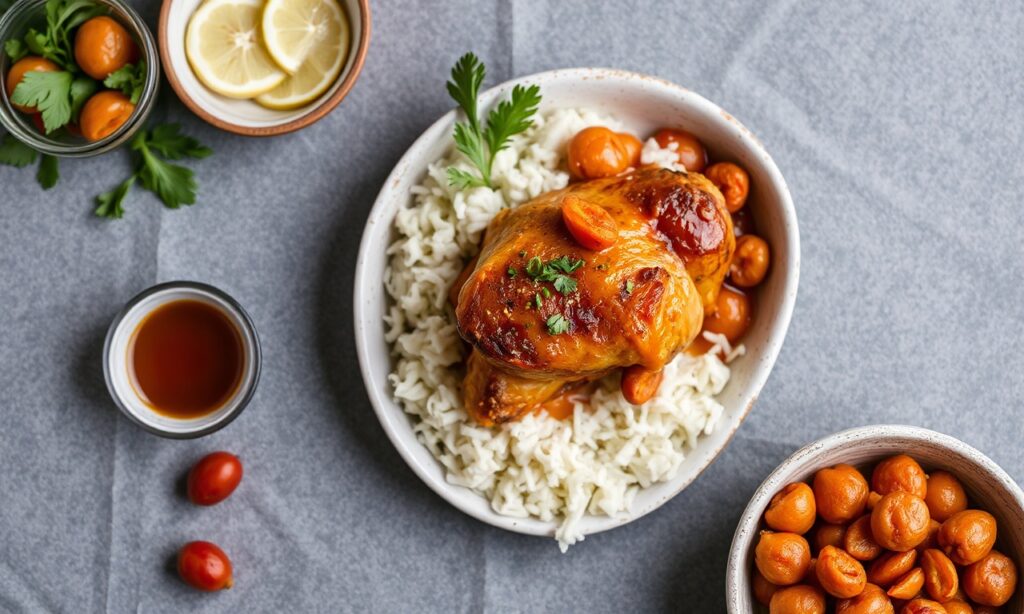
Mastering the Art: A Step-by-Step Guide to Fiery Moroccan Perfection
Crafting an exceptional Fiery Moroccan chicken tagine is an achievable endeavor, even for home cooks. The key lies in patience and attention to detail during each stage of the cooking process.
The Foundation: Preparation and Browning
- Prepare the Chicken: Begin by patting the chicken thighs thoroughly dry with paper towels. This is a critical step for achieving a good sear. Season them generously on all sides with salt and freshly ground black pepper.
- Sear for Flavor: Heat 2 tablespoons of olive oil in a heavy-bottomed pot or Dutch oven (or an authentic tagine base if you have one) over medium-high heat until shimmering. Carefully place the seasoned chicken thighs, skin-side down, into the hot oil. Sear for approximately 4-6 minutes per side, until deeply golden brown and crispy. This browning process, known as the Maillard reaction, develops a profound depth of flavor. Remove the chicken from the pot and set aside on a plate.
Building the Aromatic Core
- Sauté the Aromatics: In the same pot, reduce the heat to medium. Add 1 large finely chopped onion and sauté, stirring occasionally, for about 6-8 minutes, or until it becomes soft and translucent, beginning to caramelize at the edges.
- Infuse with Garlic: Add 4 minced cloves of garlic to the pot and cook for an additional 1 minute, stirring constantly. Be careful not to burn the garlic, as this will impart a bitter flavor.
- Awaken the Spices: Sprinkle in the ground cumin, ground coriander, smoked paprika, ground cinnamon, turmeric, and cayenne pepper (adjusting the cayenne to your desired heat level). Stir continuously for about 1 minute, allowing the spices to toast in the residual oil. This toasting process releases their essential oils and intensifies their aromas and flavors.
The Simmering Alchemy
- Deglaze and Combine: Pour in 1½ cups of low-sodium chicken broth. Use a wooden spoon to scrape up any browned bits (fond) from the bottom of the pot – this is concentrated flavor.
- Return and Braise: Nestlé the seared chicken thighs back into the pot, skin-side up, ensuring they are partially submerged in the aromatic liquid.
- Add the Sweetness: Scatter ½ cup of dried apricots (halved if large) over and around the chicken.
- Slow Cook to Perfection: Cover the pot tightly with its lid. Reduce the heat to low and let the tagine simmer gently for 50-60 minutes, or until the chicken is exceptionally tender and falling off the bone. The slow, moist heat allows the flavors to meld beautifully and the chicken to become incredibly succulent.
The Grand Finale: Finishing Touches
- Enrich and Brighten: Uncover the tagine. If you desire a touch more sweetness, stir in 1 tablespoon of honey. Squeeze the juice of 1 lemon over the entire dish to provide a bright, balancing acidity.
- Freshness and Garnish: Stir in ½ cup of chopped fresh cilantro and ½ cup of chopped fresh parsley. Taste and adjust seasoning with salt and pepper as needed.
- Serve with Flair: Transfer the Fiery Moroccan chicken tagine to a serving dish. Garnish generously with toasted slivered almonds for a delightful crunch and textural contrast.
Elevating the Experience: Serving and Pairing Suggestions
A Fiery Moroccan chicken tagine is a dish that begs to be shared and savored. Its rich, complex flavors are best complemented by simple, absorbent accompaniments that allow the tagine’s nuances to shine.
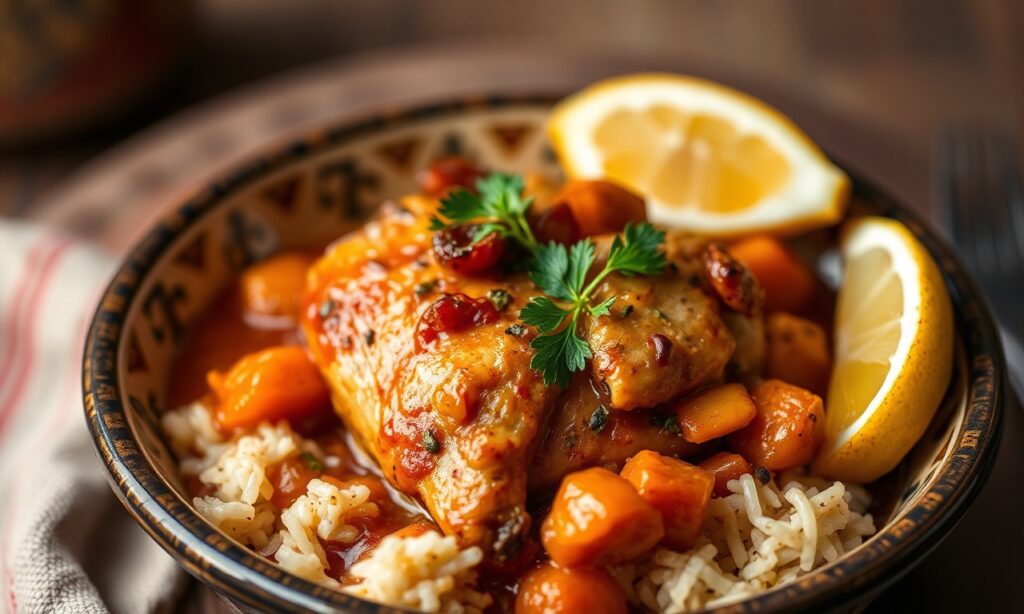
Classic Pairings for Absorption and Balance
- Fluffy Couscous: This is the quintessential pairing. The light, granular texture of steamed couscous acts as a perfect sponge for the fragrant, spiced sauce, ensuring no drop of flavor is wasted. Prepare it according to package directions, perhaps with a touch of butter or olive oil and a pinch of salt.
- Warm Flatbread: Crusty, warm Moroccan bread (like Khobz) or a good quality pita bread is ideal for scooping up the sauce. The slightly chewy texture provides a satisfying counterpoint to the tender chicken and soft apricots.
Refreshing Counterpoints
- Simple Green Salad: A crisp, lightly dressed green salad with a simple lemon-vinaigrette offers a refreshing contrast to the tagine’s richness. The acidity of the dressing helps to cleanse the palate between bites.
- Steamed Vegetables: Lightly steamed green beans, broccoli, or asparagus, perhaps tossed with a little olive oil and lemon zest, can provide a healthy and vibrant side.
Garnishes for Extra Dimension
- Fresh Herbs: Beyond the cilantro and parsley mixed in, a few extra sprigs for garnish add visual appeal and a final burst of freshness.
- Lemon Wedges: Offering lemon wedges on the side allows individuals to add an extra zing of acidity to their portion, customizing the flavor profile to their preference.
- Toasted Nuts: While almonds are traditional, toasted pine nuts or even pistachios can offer a different nutty note.
The Science of Flavor: Understanding Spice Synergy and Sweetness Balance
The captivating flavor profile of the Fiery Moroccan chicken tagine is proof of a sophisticated understanding of flavor chemistry and culinary tradition. The synergy between spices and the crucial role of sweetness are not accidental; they are the result of centuries of refinement.
When it comes to Fiery Moroccan, The characteristic warmth and depth of Moroccan spices are derived from compounds like curcumin in turmeric, limonene in cumin and coriander, and cinnamaldehyde in cinnamon. When these spices are gently toasted, as outlined in the recipe, these volatile compounds are released and intensified, creating a more complex aroma and flavor. Studies have shown that toasting spices can increase their antioxidant activity and enhance their flavor perception. For instance, research published in *Food Chemistry* indicates that toasting cumin seeds significantly increases the concentration of key aromatic compounds.
In the context of Fiery Moroccan, The balance of heat and sweetness is equally critical. The capsaicin in cayenne pepper provides the “fiery” sensation, a perceived heat that stimulates pain receptors in the mouth, triggering the release of endorphins. However, this intense sensation can be overwhelming without counterpoints. The natural sugars in dried apricots, when slowly cooked, break down into simpler sugars, providing a delightful sweetness. This sweetness doesn’t just mask the heat; it interacts with it. Some scientific theories suggest that sweetness can modulate the perception of spiciness, making the heat feel more mellow and enjoyable.
Around Fiery Moroccan, Furthermore, the slight tartness of dried apricots (malic acid) also plays a role in cutting through the richness and balancing the overall flavor profile.
Regarding Fiery Moroccan, This interplay between spicy, sweet, and tart elements is a defining characteristic of Moroccan cuisine, as noted by culinary anthropologists studying regional foodways.
Frequently Asked Questions about Fiery Moroccan Chicken Tagine
Q: What makes a Moroccan chicken tagine distinct from other chicken stews?
When it comes to Fiery Moroccan, A Moroccan chicken tagine is distinguished by its cooking vessel, the tagine pot, which facilitates a unique slow-braising method. This process, combined with a characteristic blend of warm spices like cumin, coriander, cinnamon, and ginger, along with the traditional inclusion of dried fruits such as apricots, creates a complex sweet-savory profile unlike any other chicken stew. The conical lid of the tagine ensures moisture circulation, resulting in exceptionally tender meat and deeply infused flavors. If you’re interested in learning more about spices, you can explore the Wikipedia page on spices.
Q: Why are apricots so integral to this Fiery Moroccan dish?
Apricots are essential for achieving the signature sweet-savory balance that defines many Moroccan tagines. Their natural sugars caramelize during the slow cooking, providing pockets of luscious sweetness that beautifully contrast and temper the bold, warming spices. The slight tartness of the apricots also helps to cut through the richness of the dish, creating a more complex and harmonious flavor experience. They add a delightful chewy texture that complements the tender chicken.
Q: Can I make this Fiery Moroccan tagine without a traditional tagine pot?
Absolutely. While an authentic tagine pot is ideal for achieving traditional results due to its unique heat distribution and moisture-trapping capabilities, you can achieve excellent results using a heavy-bottomed Dutch oven or a deep, oven-safe skillet with a tight-fitting lid. The key is to maintain a low, consistent heat for slow braising, ensuring the lid seals well to retain steam and moisture.
Q: How can I adjust the “fiery” heat level of the tagine?
The heat in this tagine primarily comes from cayenne pepper. To adjust the spiciness, simply modify the amount of cayenne used. For a milder dish, start with a pinch or omit it entirely. For more intense heat, increase the amount or consider adding a small amount of harissa paste along with the other spices. Always taste and adjust gradually to suit your preference.
Q: What are the best ways to serve this Fiery Moroccan tagine?
This tagine is traditionally served with fluffy couscous, which is perfect for soaking up the rich, aromatic sauce. Warm, crusty bread, such as Moroccan khobz or pita, is also an excellent accompaniment for scooping. A simple green salad with a citrus vinaigrette provides a refreshing contrast to the dish’s warmth and richness.
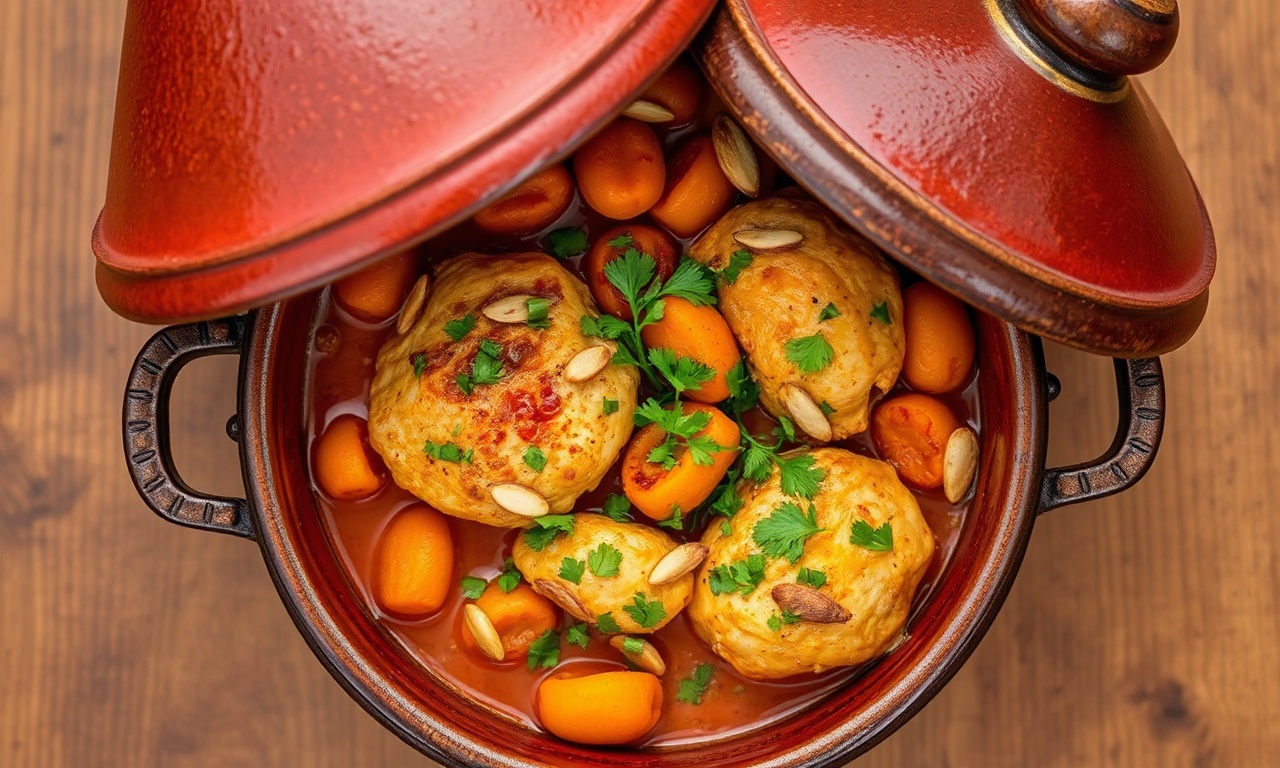
Final Recommendations for an Unforgettable Fiery Moroccan Feast
The Fiery Moroccan chicken tagine with sweet apricots is a culinary journey that rewards patience and embraces flavor. By understanding the historical context, appreciating the role of each spice and ingredient, and mastering the simple yet crucial cooking techniques, you can recreate this North African masterpiece in your own kitchen. Don’t be afraid to experiment with the heat level, adjusting the cayenne pepper to your personal preference. Consider making it a day ahead, as the flavors deepen beautifully overnight, making it an excellent choice for meal preparation. Serve it with pride, surrounded by loved ones, and let the intoxicating aromas and exquisite flavors transport you to the vibrant souks and sun-drenched courtyards of Morocco.
This dish is not just a meal; it’s an experience, proof of the enduring power of flavor and tradition.
RELATED TOPICS: Moroccan Cuisine, Chicken Tagine Recipes, Spice Blends, North African Cooking, Sweet and Savory Dishes
See also: Fiery Moroccan