
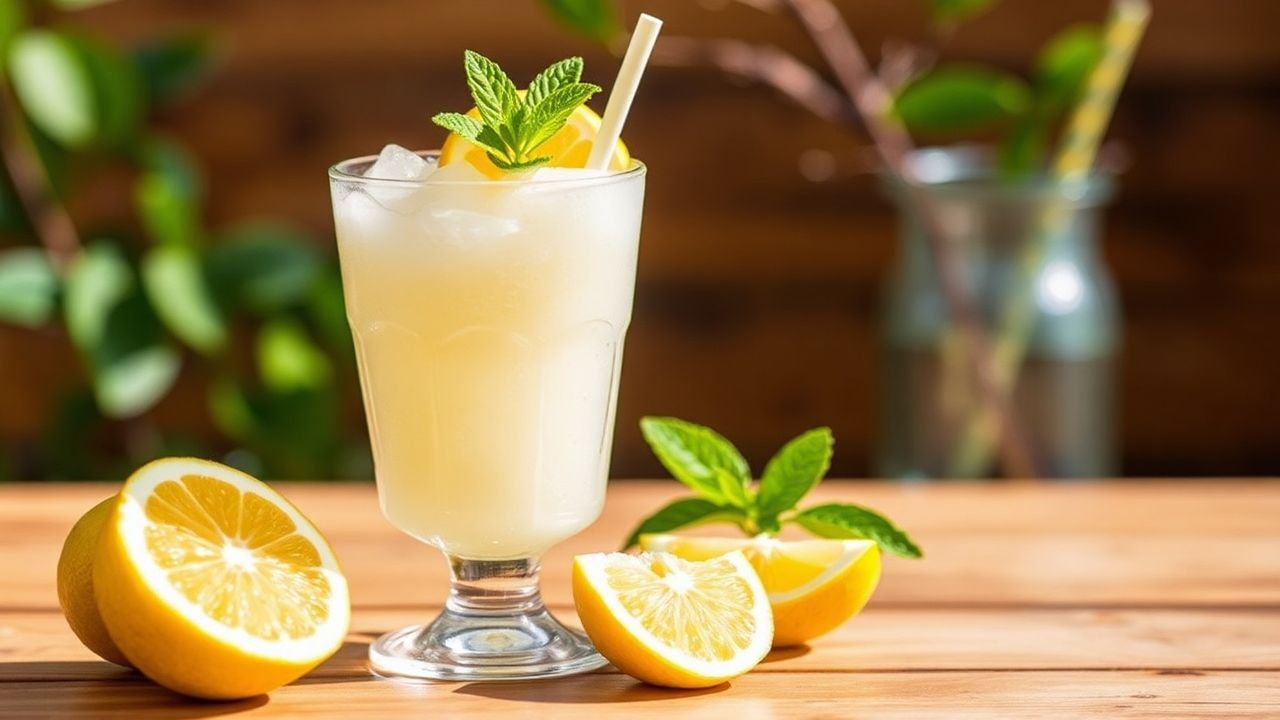
When summer heat rises, you need a cool, bright dessert that tastes like real fruit. Sicilian lemon granita delivers that exact hit: sharp citrus, a clean sweetness, and a crisp, snowlike texture that melts fast.
- Why This Sicilian Lemon Granita Tastes Authentic
- Prep and Cook Time for Sicilian Lemon Granita
- Yield and Difficulty
- Ingredients for Zesty Sicilian Lemon Granita
- Instructions: How to Make Sicilian Lemon Granita
- 1) Prepare the simple syrup
- 2) Mix citrus ingredients
- 3) Freeze and scrape for crystal texture
- 4) Serve chilled
- Tips for Success (Zesty, Not Icy)
- Perfect Pairings and Serving Suggestions
- Q&A: Sicilian Lemon Granita Delights
- Q1: What is Sicilian Lemon Granita?
- Q2: What makes Sicilian lemons ideal for granita?
- Q3: How do I achieve the perfect texture?
- Q4: Can I add creative twists to traditional lemon granita?
- Q5: Do I need an ice cream maker?
- FAQ
At a Glance
- Sicilian lemon granita uses juice, sugar, and water—then freezes in layers.
- Regular scraping builds the flaky ice crystals you expect from authentic granita.
- A shallow pan freezes faster and improves texture.
- Serve it cold, ideally with simple pairings like biscotti.
It’s also a smart option when you want a no-fuss frozen treat. You get a kitchen-friendly method, low effort once the mix is made, and a dessert that feels light even after a big meal. For background on how granita fits Italian frozen dessert traditions, see granita.
In Sicily, lemons often define the flavor of summer desserts. If you want to understand what makes lemon juice so central to the taste, read about the fruit itself at Lemon.
Why This Sicilian Lemon Granita Tastes Authentic
Authentic Sicilian lemon granita focuses on balance. You want tart lemon brightness up front, then a rounded sweetness that supports the acidity, not hides it.
The texture comes from slow freezing plus repeated scraping. Each scrape breaks large ice into small crystals, so the final result feels light and granular instead of icy-slick.
Granita also benefits from using lemon zest. Zest contains aromatic oils that add perfume even when most of the flavor comes from juice. For a quick guide to citrus components, use citrus as a reference point.
Finally, the serving style matters. Traditionally, it lands as a bright palate cleanser—cold, quick to melt, and easy to portion. You’ll see similar “frozen spoon desserts” concepts discussed in Italian cuisine.
Prep and Cook Time for Sicilian Lemon Granita
Granita has no stovetop cooking beyond dissolving sugar. The freezer does most of the work, and your stirring schedule controls the texture.
Plan ahead so you can scrape at the right intervals. If your freezer runs cold, start checking a little earlier than the time below.
- Prep Time: 15 minutes
- Freeze & Stir Time: 4 hours (with intermittent stirring)
- Total Time: 4 hours 15 minutes
Yield and Difficulty
This recipe makes about 6 refreshing portions. Use small glasses or bowls for best texture and melt control.
It stays easy for beginner cooks. If you can mix a simple syrup and scrape frozen ice, you can make granita.
Serves: 6 refreshing portions
Difficulty: Easy
Ingredients for Zesty Sicilian Lemon Granita
Use fresh lemons for the best aroma. Bottled lemon juice can work in a pinch, but it won’t match the zest-forward flavor.
For best results, choose lemons that feel heavy for their size and have fragrant zest.
- 1 cup freshly squeezed Sicilian lemon juice (about 4–5 large lemons)
- 1 1/2 cups cold water
- 3/4 cup granulated sugar
- 1 teaspoon finely grated lemon zest (preferably from Sicilian lemons)
- A pinch sea salt
- Optional: fresh mint leaves or edible flowers for garnish
Instructions: How to Make Sicilian Lemon Granita
Work in a clean bowl and use a shallow, wide pan. Wide surface area helps the mixture freeze evenly, which makes scraping easier.
Keep your freezer steady. Frequent door opening can slow freezing and soften crystal formation.
1) Prepare the simple syrup
Warm sugar and 1 1/2 cups water just until the sugar dissolves. You don’t need boiling; gentle heat keeps the flavor clean.
Then let the syrup cool to room temperature. Hot syrup can delay freezing and make the texture less consistent.
2) Mix citrus ingredients
Stir together lemon juice, lemon zest, and a pinch of sea salt. Salt boosts perceived flavor and helps the citrus taste sharper.
Pour in the cooled syrup slowly while stirring. Stop when the mixture looks uniform and glossy.
3) Freeze and scrape for crystal texture
Pour the mixture into a shallow metal or glass pan. Cover loosely and freeze until you see icy edges.
Every 30 minutes, scrape the surface with a fork. Break up ice into small bits, then spread them out again so they freeze into finer crystals.
4) Serve chilled
After about 4 hours, you should get a fluffy, flaky texture. Fluff gently, then spoon into chilled glasses or bowls.
Finish with mint or edible flowers. Add a little extra zest on top for a stronger lemon aroma at first bite.
Tips for Success (Zesty, Not Icy)
Granita quality depends on sweetness and texture control. If the mix tastes too tart before freezing, it may taste extremely sharp after freezing.
Adjust sweetness carefully and keep your freezing and scraping schedule consistent for the best melt pattern.
- Choose the best lemons: Use ripe lemons for aroma and balanced tartness. Avoid overly dry, thin-skinned fruit.
- Perfect your sugar level: Ice dulls flavor slightly, so aim for a balanced base.
- Freeze in a shallow tray: A wide pan boosts even freezing and improves crystal size.
- Experiment with citrus blends: Add a small amount of another citrus (like orange juice) for a softer, floral profile.
Perfect Pairings and Serving Suggestions
Serve Sicilian lemon granita between courses when you want a quick reset. Its acidity cuts richness and refreshes your palate without heavy cream.
It also works as a light dessert after lunch or dinner. Keep portions small so the granita stays cold and bright.
For pairings, choose crunchy or creamy flavors that don’t overpower lemon. Almond biscotti add a dry snap, while a thin layer of lightly sweet mascarpone adds a gentle contrast.
If you enjoy learning about dessert categories, you can explore frozen dessert background in sorbet to compare techniques and ingredients.
| Nutrient | Per Serving |
|---|---|
| Calories | 110 kcal |
| Protein | 0.2 g |
| Carbohydrates | 28 g |
| Fat | 0 g |
Related recipe: Discover more refreshing Italian desserts like Classic Italian Granita Variations for inspiration beyond lemon.
Q&A: Sicilian Lemon Granita Delights
Granita questions come up fast—mostly about texture, lemons, and whether you need special equipment. Below are clear answers you can act on right away.
Use these points to troubleshoot and refine your next batch for a sharper, cleaner result.
Q1: What is Sicilian Lemon Granita?
Sicilian lemon granita is a traditional frozen dessert made with lemon juice, sugar, and water. It freezes into small ice crystals, creating a snowlike, spoonable texture.
Unlike a smooth sorbet, granita stays granular because of scraping during freezing. For more context, you can review granita.
Q2: What makes Sicilian lemons ideal for granita?
Sicilian lemons are known for bright zest and juice with strong aroma. That zest oil flavor transfers well into the frozen dessert.
The lemon fruit profile is widely covered under Lemon. Use that as a guide for why fresh zest matters.
Q3: How do I achieve the perfect texture?
Freeze in a shallow pan, then scrape every 30 minutes. Each scrape breaks ice into smaller pieces so the texture stays fluffy and flaky.
If you skip scraping, you’ll likely get a dense block. If you scrape too early, you may mix unevenly—wait until you see icy edges forming.
Q4: Can I add creative twists to traditional lemon granita?
Yes. Add small amounts of other citrus juices or a pinch of extra zest to change aroma without changing the base method.
Citrus flavor families work well because they share similar aromatic compounds, and citrus covers the broader fruit group that includes lemon and orange.
Q5: Do I need an ice cream maker?
No. Granita’s signature texture comes from freezing and scraping, not from churning. An ice cream maker can help in some frozen desserts, but it isn’t required here.
If you want to compare techniques across frozen treats, check sorbet for how ingredients and freezing styles differ.
FAQ
Still deciding on serving size or storage? These final notes solve the most common home-kitchen issues.
Use them to make granita that stays bright and spoonable for your next hot-day plan.
How long can Sicilian lemon granita stay in the freezer?
For best texture, enjoy within about 1–2 days. Over time, ice crystals can grow larger and the texture may lose some fluffiness.
Before serving, scrape and fluff again so the crystals break up evenly.
Why is my granita too icy?
Usually it comes from insufficient scraping or freezing the mix in a pan that’s too deep. A wider pan freezes more evenly and helps create smaller crystals.
Also check that your syrup cooled fully before freezing.
Can I use bottled lemon juice?
You can, but fresh juice and zest deliver the strongest aroma. Bottled juice often tastes flatter because it lacks fresh zest oils.
If you use bottled juice, increase zest slightly for better lemon perfume.
What’s the best way to serve granita?
Chill your bowls or glasses first. Then spoon and serve immediately while crystals feel light.
Add mint or a light zest topping for aroma right at the start.
Is Sicilian lemon granita family-friendly?
Yes. It’s light, refreshing, and easy to portion. Adjust sweetness to taste if serving very young eaters.
Keep garnishes simple so kids enjoy the flavor without strong bitterness from extra zest.
Final word: When you want a zesty summer dessert with real citrus character, Sicilian lemon granita earns its place. Make it once, and you’ll see why this frozen treat remains a go-to for bright, icy refreshment.
See also: Sicilian lemon granita