

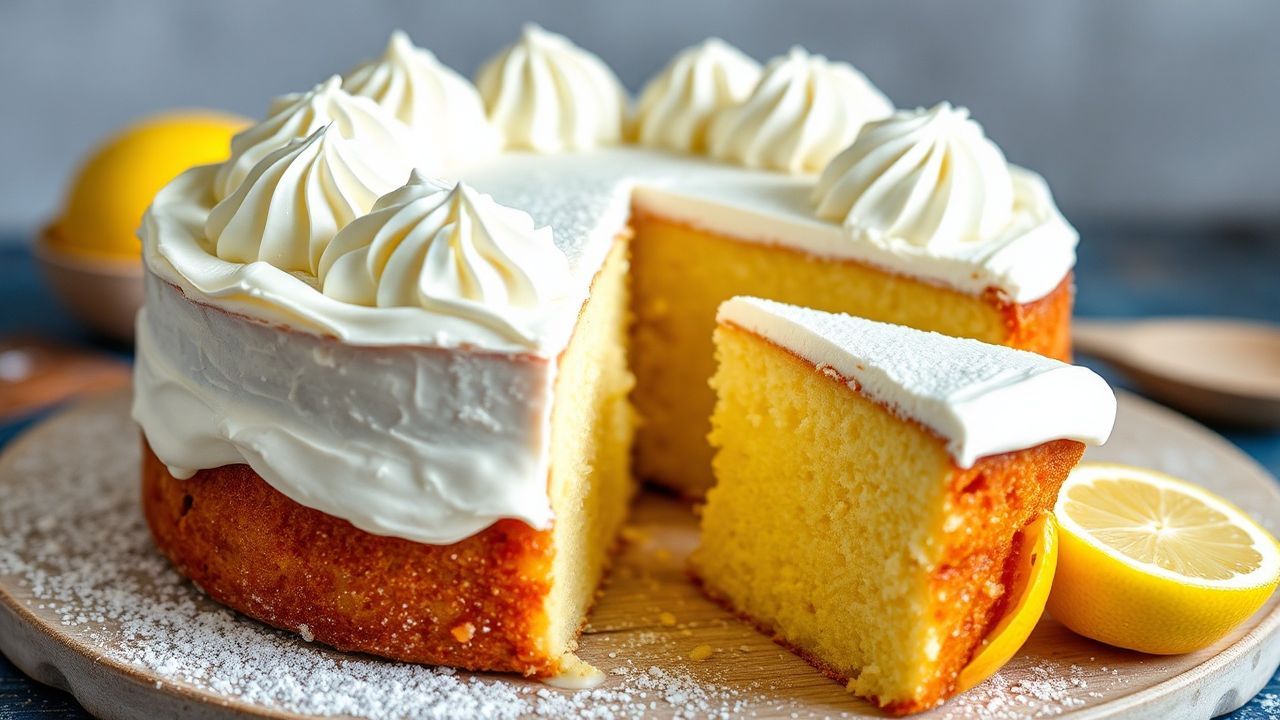
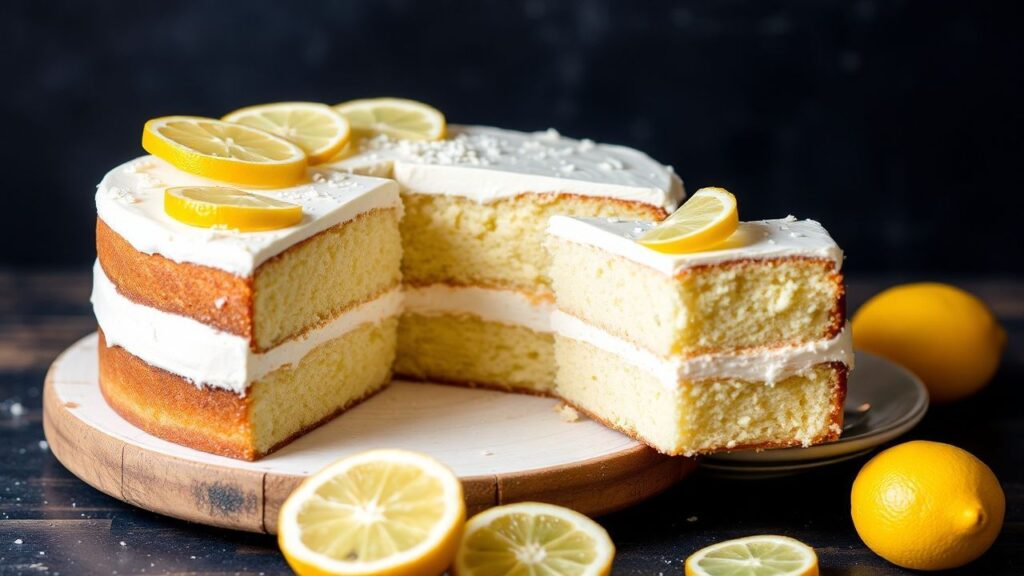
Bright Zesty Lemon Ricotta Cake delivers a clean lemon tang wrapped in a tender, creamy crumb. The ricotta keeps the texture moist, while lemon zest supplies the strongest aroma.
- Rich yet light: ricotta adds creaminess without heaviness.
- Big lemon flavor: zest + fresh juice hit together.
- Best crust: a light sugar top encourages gentle browning.
- Reliable bake: check doneness with a toothpick and timing.
The Bright & Zesty Lemon Ricotta Cake stays vibrant after baking, not dull or flat. It suits afternoon tea, potlucks, and weeknight dessert—because it slices neatly and tastes even better the next day.
Here, you’ll learn how to prep, mix, bake, and serve for the best rise and flavor. You’ll also find practical troubleshooting so your cake comes out soft, fragrant, and properly set.
Bright Zesty Lemon Ricotta Cake delights with an invigorating citrus aroma and a creamy texture that melts with each forkful. This cake follows Mediterranean-style flavor instincts, where lemon and dairy pair naturally for a balanced, refreshing bite.
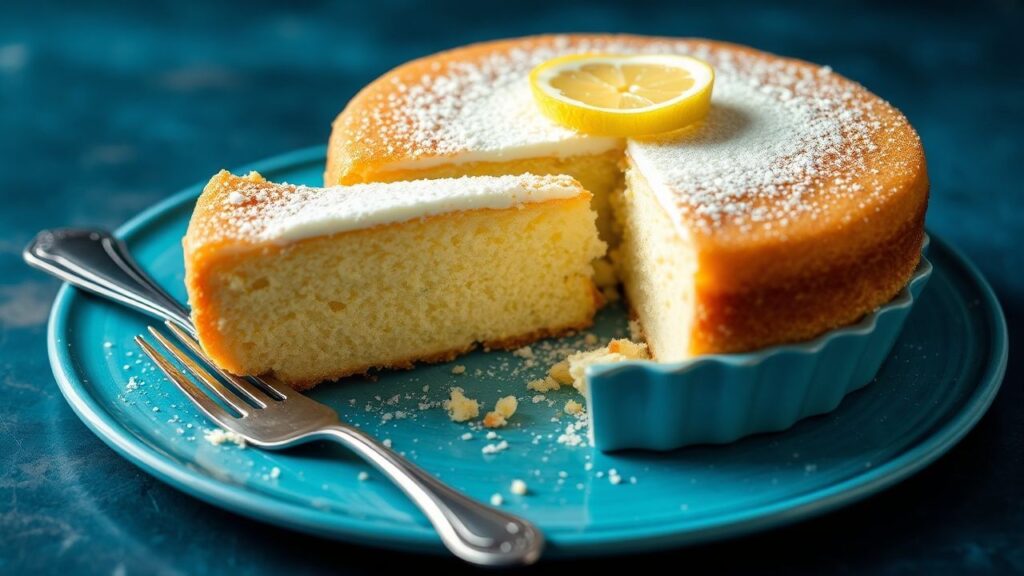
Prep and Cook Time
Plan for about 15 minutes of prep, then 45–50 minutes of baking. After that, you’ll need roughly 20 minutes to cool before slicing.
The total comes to around 1 hour 25 minutes. If you want the cleanest slices, cool the cake fully on a rack before cutting.
Yield and Difficulty
This recipe makes 8 generous slices. A springform pan helps you lift the cake out with minimal crumbs.
The difficulty level is Medium. You don’t need special equipment, but you do need gentle mixing to protect the tender crumb.
Ingredients
Use simple pantry items plus fresh citrus and quality ricotta. When the ingredients taste good on their own, the finished cake does too.
For lemon flavor, plan on zest of 3 medium lemons plus ¼ cup fresh lemon juice. Zest contributes citrus oils, while juice adds bright acidity.
- 1 ¾ cups all-purpose flour, sifted
- 1 cup granulated sugar
- 1 cup whole milk ricotta cheese, drained
- 3 large eggs, at room temperature
- Zest of 3 medium lemons
- ¼ cup fresh lemon juice
- 1 teaspoon baking powder
- ½ teaspoon baking soda
- ½ teaspoon fine sea salt
- ½ cup unsalted butter, melted and slightly cooled
- ½ teaspoon pure vanilla extract
- Powdered sugar for dusting (optional)
- Optional extra: 1 teaspoon sugar for the top
Ingredient Notes That Affect Texture
Drained ricotta matters because excess moisture can slow set and weaken the crumb. If your ricotta looks wet, drain it before mixing.
Room-temperature eggs mix faster and create a smoother batter. If you want a scientific anchor for eggs’ structure, see egg properties.
Instructions
Work methodically so your batter stays smooth and your cake bakes evenly. Keep your mixing steps short when you combine wet and dry ingredients.
Follow these steps closely, especially the folding step, which protects the airy rise.
- Preheat your oven to 350°F (175°C). Grease a 9-inch springform pan and line the bottom with parchment for easy release.
- Whisk flour, baking powder, baking soda, and salt in a medium bowl. This dry blend distributes leaveners evenly for a reliable lift.
- Mix ricotta, sugar, and lemon zest in a large bowl. Stir until creamy and smooth, then let the citrus oils bloom for about 1 minute.
- Add eggs one at a time, beating just until incorporated. Overmixing can make the crumb tough.
- Stir in melted butter and vanilla, followed by lemon juice. The batter should look glossy and thick but still pourable.
- Fold dry ingredients into wet using a spatula. Stop as soon as no dry flour remains. A few tiny lumps are normal.
- Pour batter into the pan and smooth the top. Sprinkle 1 teaspoon sugar over the surface for a lightly crackled, zesty crust.
- Bake for 45–50 minutes until the center sets. A toothpick should come out clean or with a few moist crumbs.
- Cool in the pan for 15 minutes. Then release the springform and move to a wire rack.
- Finish by cooling fully before slicing. Dust with powdered sugar if desired.
Doneness and Internal Setting
To judge doneness, look for a firm center and lightly browned edges. If the cake jiggles like batter, bake 5 more minutes and recheck.
For background on baking and heat transfer, you can review the baking process. It helps explain why the outside browns before the center fully sets.
Tips for Choosing the Perfect Lemons and Ricotta
Lemon quality directly affects aroma. Choose lemons that feel heavy for their size and have a thin, smooth peel.
For ricotta, select whole milk for the best creamy mouthfeel. If your ricotta is watery, drain it so your batter doesn’t thin out.
To understand why citrus zest tastes so aromatic, check zest. Zest holds fragrant compounds that baking intensifies.
Do not add extra flour to “fix” wet ricotta late in the process. That often creates a dry cake and interrupts the gentle rise.
If you want a texture guide for dairy-based baking, see dairy products. Ricotta behaves differently from yogurt or cream cheese because of its moisture and protein structure.
Baking Techniques to Achieve the Ideal Zesty Crust
The crust starts with sugar and surface drying in the oven. A small sugar sprinkle encourages light caramelization and creates a pleasant texture on top.
Keep the oven closed during the first 30 minutes. Sudden temperature drops can slow rise and make the center set unevenly.
For sugar browning principles, review Maillard reaction and remember that lemon moisture can affect surface browning. That’s another reason to use a modest sugar top rather than overloading.
Heat Accuracy and Pan Choice
An oven thermometer helps because household ovens can run hot or cool. When temperature drifts, bake time and browning shift too.
Use a 9-inch pan so thickness matches the recipe. If you bake in a larger pan, the cake may run thinner and dry faster.
Serving Suggestions
Serve Bright Zesty Lemon Ricotta Cake slightly warm for maximum aroma. Let it cool first, then slice with a clean knife and wipe between cuts.
You can dress it up or keep it simple. Fresh berries add color, and whipped cream balances acidity with a soft, milky finish.
For classic citrus pairings and flavor balance ideas, consider citrus fruits as a flavor reference. Lemon works especially well with berries, mint, and light honey notes.
Chef’s Notes
Small tweaks let you personalize the cake without changing the core method. Stick to additions that support lemon’s bright flavor.
These notes help you adjust taste, time, and storage with less guesswork.
- Variation: Add 1 teaspoon finely chopped thyme or rosemary for an herbal lift that still complements lemon.
- Make Ahead: Bake up to a day early and store in an airtight container. The crumb softens and flavors meld.
- Substitution: For gluten-free, use a 1:1 baking blend designed for cakes. Expect a slightly denser crumb and check doneness carefully.
- Storage: Keep covered at room temperature for up to 2 days. Refrigerate up to 4 days, then bring to room temperature before serving.
Nutrition can vary by brand and portion size, but the slice shown below gives a practical baseline for planning.
| Nutrition per Serving | Calories | Protein | Carbs | Fat |
|---|---|---|---|---|
| Lemon Ricotta Cake Slice | 280 kcal | 7 g | 35 g | 12 g |
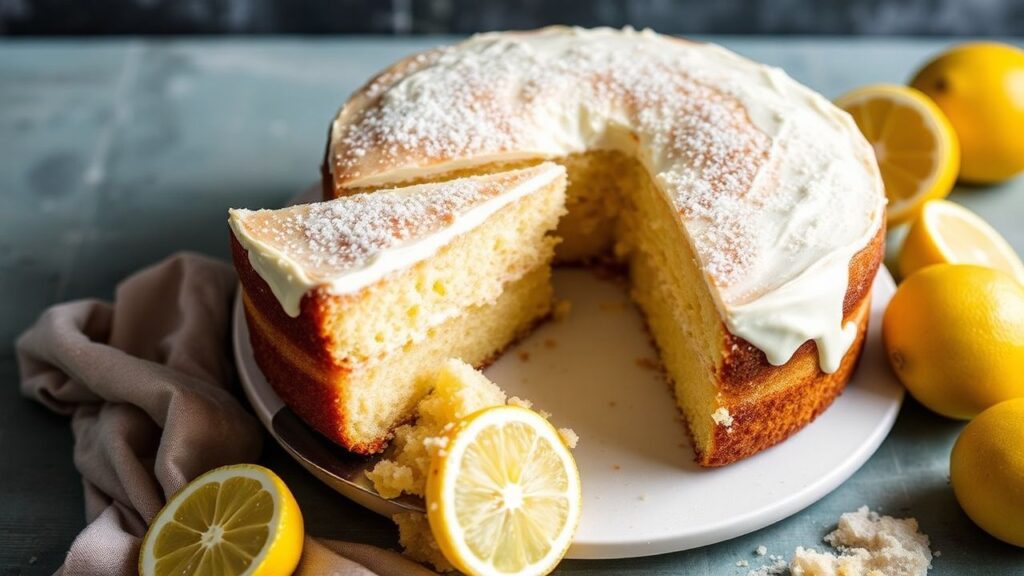
If you want more lemon desserts, you can compare flavor structures across recipes. For example, pound cake tends to rely on butter density, while ricotta cakes lean on dairy moisture and a tender crumb. That’s why this recipe feels lighter than many classic butter cakes.
FAQ
These quick answers tackle the most common issues bakers face with lemon ricotta cake, including texture, flavor strength, and storage.
What makes a lemon ricotta cake different from a traditional lemon cake?
Ricotta adds creaminess and moisture while still allowing a soft crumb. Traditional lemon cakes often rely more on butter or oil for that tender texture.
How can I make the lemon flavor stronger?
Use both zest and fresh juice. Zest provides aromatic oils, and juice adds bright acidity that tastes like real lemon.
Should I drain ricotta before mixing?
Yes, especially if it looks watery. Draining prevents a loose center and helps the cake set properly.
Can I freeze Bright Zesty Lemon Ricotta Cake?
Yes. Wrap slices tightly and freeze up to 2 months. Thaw in the fridge overnight, then bring to room temperature for best texture.
Why did my cake sink in the middle?
Most sinking comes from underbaking or opening the oven too early. Bake until the center sets and leave the oven door closed for the first 30 minutes.
Bright Zesty Lemon Ricotta Cake brings together tangy citrus and creamy dairy in a way that feels both comforting and fresh. When you nail the batter consistency and bake time, you get a moist, elegant cake that keeps rewarding you with each slice.
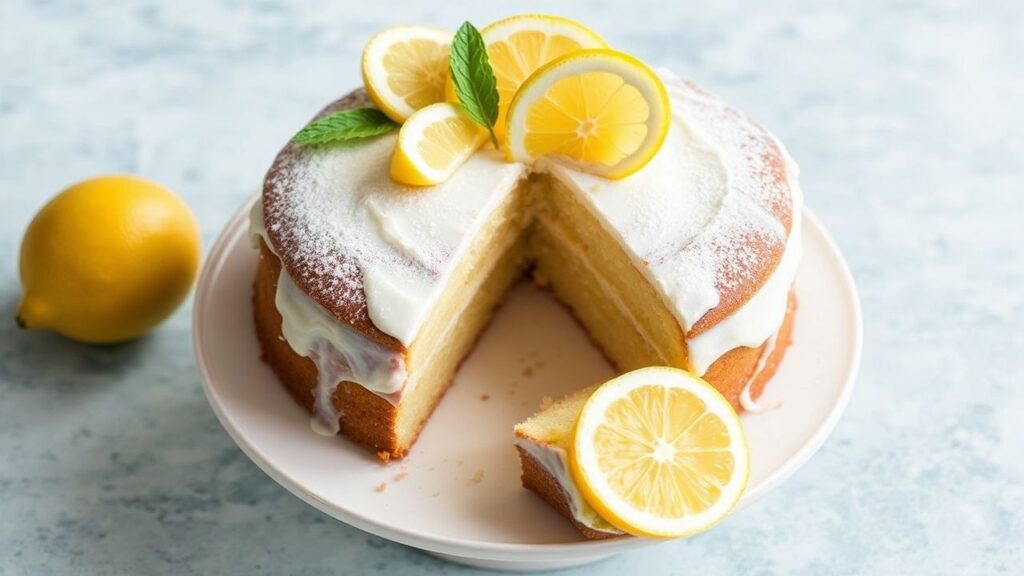
If you’re planning a gathering, this cake earns its place fast. It serves well, looks bright on the table, and tastes even better after resting—so you can spend more time with guests and less time worrying about dessert.
See also: Lemon Ricotta Cake