

Zesty Lemon Herb Baked Tilapia (35-Minute) — Bright, Easy Weeknight Power Meal
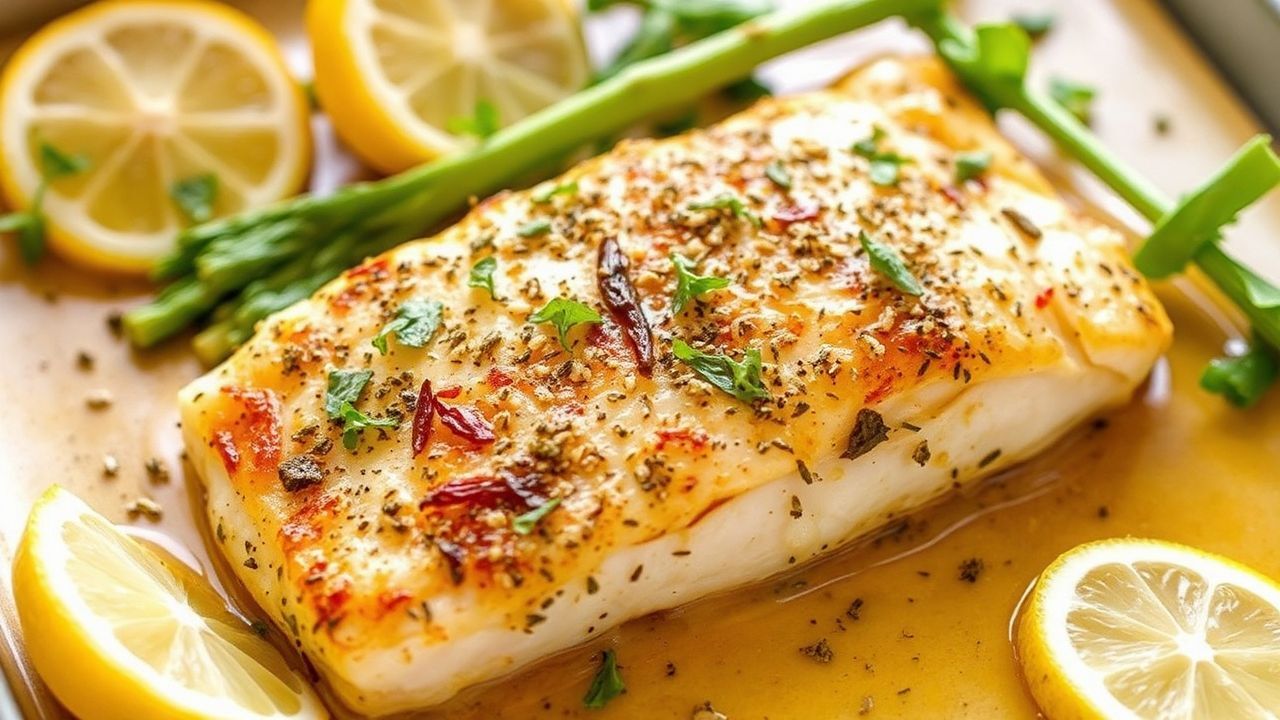
Lemon herb baked tilapia turns mild fillets into a bright, savory dinner with minimal effort. This 35-minute method uses citrus zest, fresh herbs, and a quick bake so the fish stays tender and flakes clean.
- Prep and Cook Time for Lemon Herb Baked Tilapia
- Yield and Difficulty
- Ingredients for Zesty Lemon Herb Baked Tilapia
- Instructions: How to Bake Lemon Herb Tilapia
- 1) Prep the Fillets
- 2) Make the Lemon Herb Marinade
- 3) Marinate Briefly
- 4) Bake at 400°F (200°C)
- 5) Know When It’s Done
- 6) Optional Broil Finish
- Tips for Success (and Better Flavor Every Time)
- Serving Suggestions: What Goes Best With Lemon Herb Tilapia
- Nutritional Details (Quick Estimate)
- Common Questions About Lemon Herb Baked Tilapia
- FAQ
- 1) What makes lemon herb baked tilapia taste so bright?
- 2) How long should I marinate tilapia for best results?
- 3) Can I use other fish instead of tilapia?
- 4) What temperature should I bake lemon herb tilapia at?
- 5) How do I prevent the fish from drying out?
- Wrap-Up: A Bright, Weeknight-Ready Fish Bake
At a Glance
- Fast timeline: Total time about 35 minutes.
- Flavor build: Lemon zest + herbs create aroma without heavy sauce.
- Texture control: Bake until the fish flakes; avoid overcooking.
- Easy swaps: Cod or haddock work when tilapia isn’t available.
Tilapia has a mild flavor, so lemon herb baked tilapia lets citrus and herbs come forward. When you bake it at the right temperature and watch doneness, the fillets stay juicy instead of drying out.
For best results, focus on two technical points: surface moisture and timing. Patting the fish dry helps seasoning cling and improves browning, while a short bake prevents the protein from tightening too far.
Prep and Cook Time for Lemon Herb Baked Tilapia
Set aside 15 minutes for prep and marinating, then 20 minutes for baking. That schedule fits busy weeknights and still delivers a fresh herb aroma.
This recipe also works well for meal prep. If you plan ahead, prepare the marinade earlier and coat the fish right before baking for the best texture.
If you want a deeper understanding of why acids brighten flavor, read about acidity. Lemon juice adds acidity, which makes the overall taste feel more vivid.
Yield and Difficulty
This lemon herb baked tilapia recipe makes 4 servings. It pairs well with light sides like salad, roasted vegetables, or grains.
Difficulty: Easy. You don’t need special equipment beyond a baking dish. A thermometer helps, but it’s optional if you use the flake test.
Tilapia is a popular lean white fish for quick cooking. For a quick background on tilapia biology and general usage, see Tilapia.
Oven Temperature Guide
Use 400°F (200°C) for quick, even cooking. This heat browns the edges while keeping the center moist.
If your fillets are thicker than 1 inch, add a few minutes and check early. If they are thinner, start checking around the 12-minute mark.
Ingredients for Zesty Lemon Herb Baked Tilapia
Gather simple ingredients for a bright marinade that coats the fish. The goal is flavor on the surface, not a heavy sauce.
Fresh lemon zest and fresh herbs give the strongest aroma. If you substitute dried herbs, use a smaller amount since dried herbs concentrate differently.
Core Ingredients
- 4 tilapia fillets (about 6 oz each), fresh and skinless
- 2 tablespoons fresh lemon juice (about 1 lemon)
- 1 tablespoon lemon zest, finely grated
- 3 tablespoons extra virgin olive oil
- 2 cloves garlic, minced
- 1 tablespoon fresh parsley, finely chopped
- 1 teaspoon fresh thyme leaves, chopped
- ½ teaspoon dried oregano
Seasoning and Optional Touches
- Salt and black pepper, to taste
- 1 teaspoon smoked paprika (optional, for a mild warm note)
- Cooking spray or extra oil, for greasing
Zest contributes aromatic oils, while lemon juice provides acidity. If you want a quick reference on what zest is, review zest.
Olive oil carries fat-soluble flavors and helps herbs cling to the fish. For background on olive oil types, see olive oil.
Instructions: How to Bake Lemon Herb Tilapia
Follow these steps to get even cooking and a bright finish. Each step supports texture and flavor while keeping the process simple.
Use this workflow: prep the fillets, mix the marinade, marinate briefly, bake, then rest. Resting helps juices settle so each bite stays tender.
1) Prep the Fillets
Rinse tilapia under cold water, then pat it dry with paper towels. Dry surfaces help seasoning stick and improve browning.
Check thickness across fillets. If one piece is much thicker, adjust by trimming or slightly splitting it so everything cooks at the same pace.
2) Make the Lemon Herb Marinade
In a bowl, whisk lemon juice, lemon zest, olive oil, minced garlic, parsley, thyme, oregano, salt, black pepper, and smoked paprika. Stir until the mixture looks evenly blended.
Garlic flavor depends on particle size. Finely minced garlic releases aroma quickly, while larger pieces can taste sharper.
For culinary basics on garlic compounds, you can review garlic on Wikipedia.
3) Marinate Briefly
Place the fillets in a shallow dish or resealable bag. Pour in the marinade and coat both sides, then cover and refrigerate for 15–20 minutes.
Keep marinating short for delicate fish. Longer time can soften the surface and reduce the clean, flaky bite you want in lemon herb baked tilapia.
4) Bake at 400°F (200°C)
Preheat your oven to 400°F (200°C). Lightly grease a baking dish or line it with parchment for easier cleanup.
Arrange fillets in a single layer with space between pieces. Pour remaining marinade over the top so each portion gets consistent flavor.
5) Know When It’s Done
Bake for 15–20 minutes, depending on thickness, until the fish flakes easily with a fork. The edges should look lightly golden and the center should turn opaque.
Doneness matters more than exact minutes. Fish thickness drives timing, so check the thickest part first and adjust in 2–3 minute increments.
For general food safety principles around seafood handling, reference food safety. Use common sense and avoid leaving raw fish at room temperature.
6) Optional Broil Finish
If you want extra color, broil for the last 1–2 minutes. Watch closely so herbs don’t burn.
This step adds a toasted aroma and slightly more surface browning. Skip it if your oven runs hot or if your fillets are already browning quickly.
Let the fish rest for about 1 minute in the baking dish. Resting helps juices distribute, which improves the bite and keeps the fish from seeming watery.
After baking, carry the lesson into your next batch. If your fish often feels dry, reduce cook time by 2–3 minutes next round and check the thickest fillet sooner.
Also keep portions consistent. Very large fillets cook unevenly, so trim or adjust thickness before marinating for the most reliable results.
Tips for Success (and Better Flavor Every Time)
Small changes make a big difference in lemon herb baked tilapia. Use these tips to improve both texture and aroma.
First, keep bake time flexible. Second, use the flake test as your main indicator. Those two habits prevent dryness and keep lemon and herbs tasting fresh.
- Freshness matters: Choose fillets that smell clean and feel firm. Avoid strong “fishy” odors.
- Zest with a light hand: Use only the yellow part of the lemon. The white pith tastes bitter.
- Finely minced garlic: Mince well so it blends smoothly and doesn’t burn in hot spots.
- Don’t overcrowd: Space fillets so they bake instead of steaming.
- Herb swaps: Use dill for a classic seafood profile, or basil for a sweeter herbal note.
If you want to prep ahead, mix the marinade up to 6 hours in advance. Store it in the refrigerator, then coat the fish shortly before baking.
For a broader view of how herbs contribute aroma, you can review herb. Fresh herbs contain volatile compounds that release during heating.
Serving Suggestions: What Goes Best With Lemon Herb Tilapia
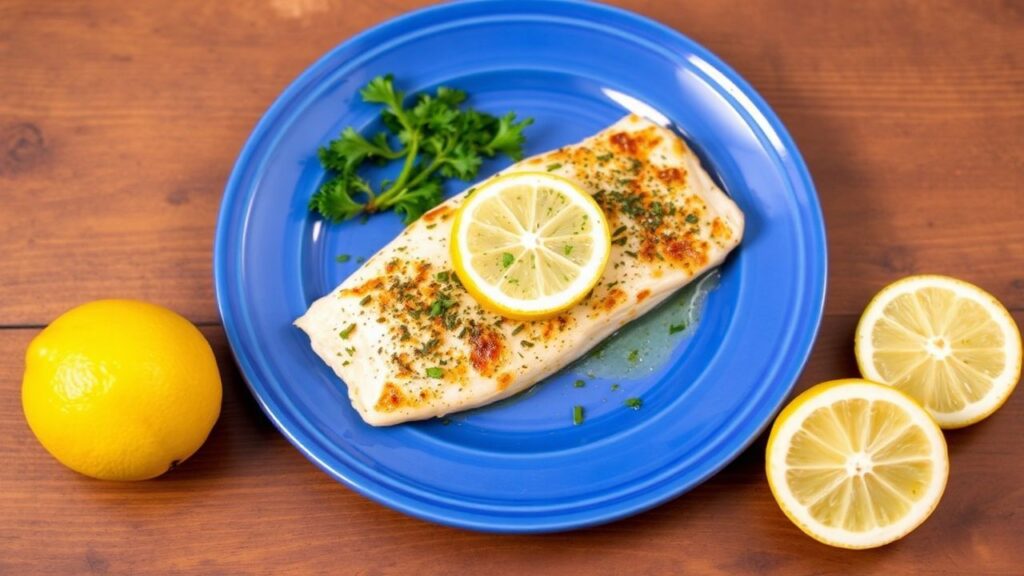
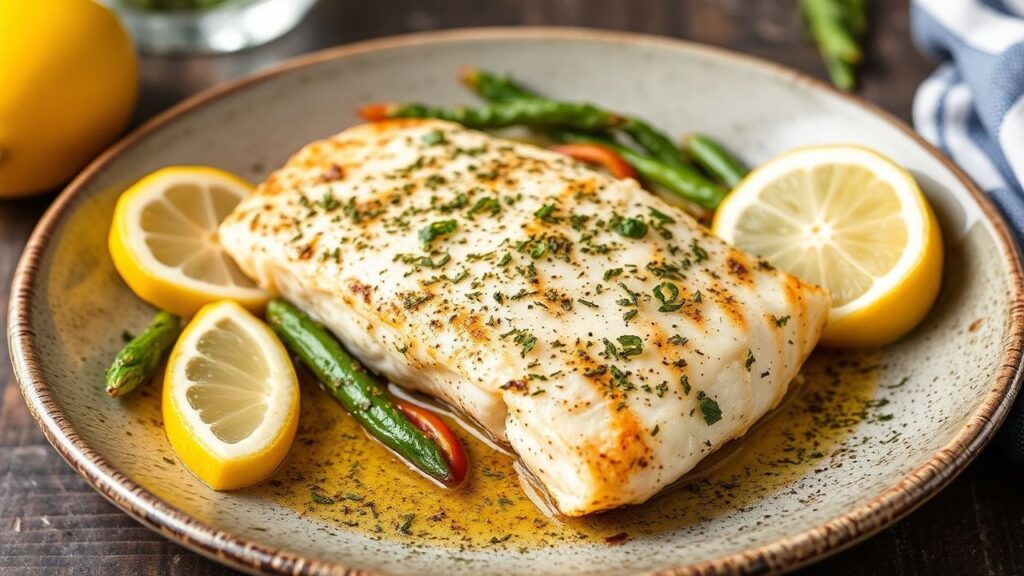
Serve lemon herb baked tilapia hot with fresh garnishes and light sides. Lemon wedges and extra parsley make the plate look bright and help tie flavors together.
Choose sides that match the flavor profile: citrus, herbs, and tender white fish. Crisp vegetables and light starches work especially well because they don’t compete with the marinade.
Easy Side Pairings
- Couscous or quinoa salad with cucumbers and cherry tomatoes
- Steamed asparagus or green beans with a touch of olive oil and garlic
- Roasted baby potatoes with rosemary and sea salt
- Mixed green salad with lemon vinaigrette
If you want a creamy element, add a quick dill yogurt sauce or a tangy tzatziki-style dip. The cool dairy balances lemon acidity and rounds out the meal.
For general background on yogurt as a fermented dairy product, see yogurt.
Nutritional Details (Quick Estimate)
Here’s a practical estimate per serving based on a typical 6 oz tilapia fillet and the marinade listed. Actual nutrition varies with fillet size and how much oil you use.
Use these numbers as a guide for meal planning. Tilapia is generally lean, so this dish fits well into lighter eating patterns.
| Per Serving | Calories | Protein | Carbs | Fat |
|---|---|---|---|---|
| Tilapia Fillet (6 oz) | 145 | 28g | 0g | 3g |
| Lemon Herb Marinade | 120 | 0g | 3g | 11g |
| Total | 265 | 28g | 3g | 14g |
Tilapia nutrition depends on farming practices and serving size. For broad context about fish nutrition categories, see fish.
If you track macros, weigh the oil you use and account for leftovers. Small differences in oil absorption can shift calories and fat.
Common Questions About Lemon Herb Baked Tilapia
If you run into problems like dryness, bland flavor, or uneven cooking, you usually need a small adjustment. Most issues connect to timing, seasoning balance, or fillet thickness.
Use the Q&A below to troubleshoot fast. Once you dial in your fillet size and bake time, you’ll repeat this meal with confidence.
FAQ
1) What makes lemon herb baked tilapia taste so bright?
Lemon zest adds aromatic oils, while lemon juice adds acidity. Together, they make the herbs taste fresher and the overall flavor feel more “alive.”
Because tilapia has a mild taste, it doesn’t fight the marinade. That’s why this combo works so well for a quick baked dinner.
2) How long should I marinate tilapia for best results?
Marinate for 15–20 minutes in the refrigerator. This window gives the fish time to absorb surface flavor without breaking down the delicate texture.
If you need more prep time, mix the marinade earlier. Coat the fish shortly before baking for the cleanest bite.
3) Can I use other fish instead of tilapia?
Yes. Cod and haddock work well because they also flake when cooked. Adjust bake time based on thickness and start checking a few minutes earlier.
If the fillet is thicker, you’ll need a longer bake. If it’s thin, reduce time to prevent dryness.
4) What temperature should I bake lemon herb tilapia at?
Bake at 400°F (200°C) for reliable browning and fast cooking. This temperature helps cook the fish evenly without drying it out.
Always check doneness with the flake test. Temperature alone can’t account for fillet thickness and oven differences.
5) How do I prevent the fish from drying out?
Remove the fish as soon as it flakes easily with a fork. Overcooking is the main cause of dryness with tilapia.
Pat the fillets dry before marinating and keep the bake time flexible. Those two steps support moisture and consistent texture.
Wrap-Up: A Bright, Weeknight-Ready Fish Bake
Lemon herb baked tilapia delivers clean flavor with minimal effort. You get a quick marinade, a hot oven bake, and a simple finish that keeps herbs fragrant and the fish tender.
Once you trust the flake test, you can repeat the method with confidence. Keep zest, fresh herbs, and a short rest, and you’ll get steady results every time.
See also: lemon herb baked tilapia