
Bright 10-Minute Vegan Quinoa & Chickpea Salad with Creamy Avocado
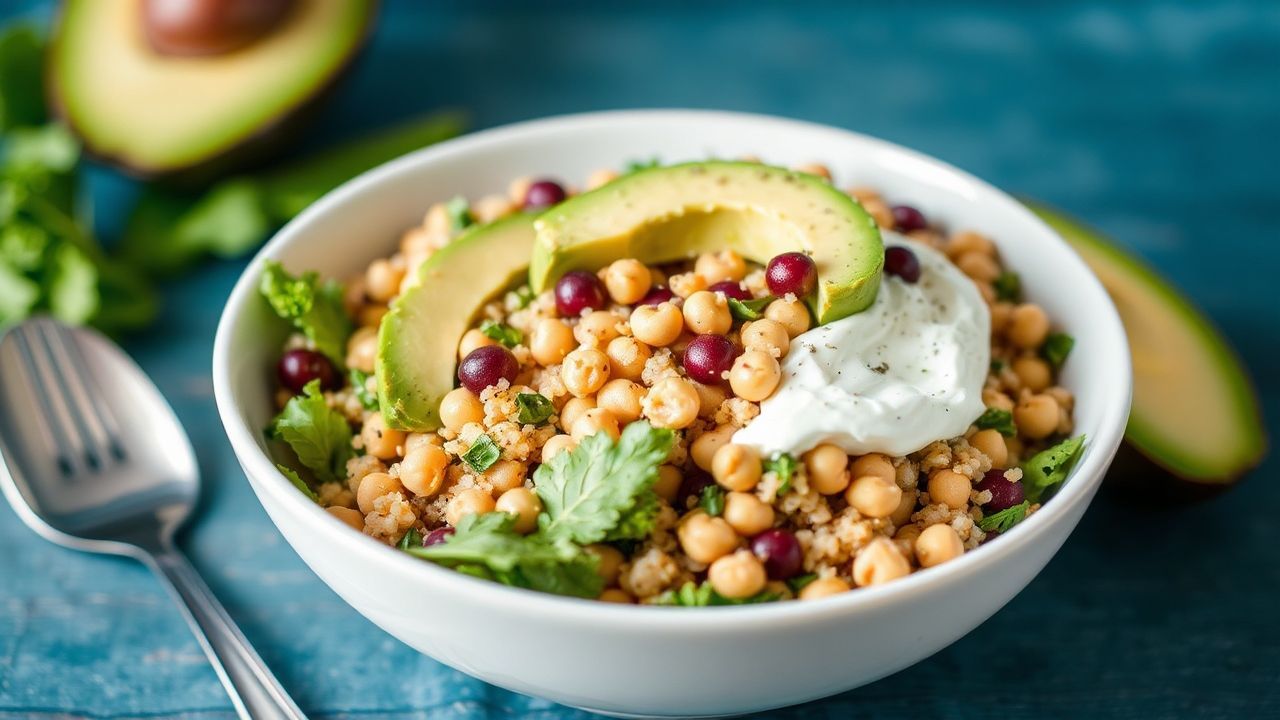
If you want a wholesome vegan lunch that feels light but stays satisfying, this salad fits perfectly. It blends nutty quinoa, hearty chickpeas, crisp vegetables, and a creamy avocado-lime dressing that tastes rich without any dairy.
- Bright 10-Minute Vegan Quinoa & Chickpea Salad with Creamy Avocado
- Why This Salad Stays Satisfying (Not Just “Healthy”)
- Quinoa: A Fast-Cooking Seed with Real Protein
- Chickpeas: Chew, Fiber, and Minerals
- Avocado Dressing: Creamy Fat + Bright Acid
- 10-Minute Plan: Use Shortcuts Without Sacrificing Quality
- How to Make the Creamy Avocado-Lime Dressing
- Recipe: 10-Minute Vegan Quinoa Chickpea Salad (Creamy Avocado Twist)
- Make-Ahead and Storage That Keeps It Crisp
- Customizations to Match Your Taste and Season
- Add Greens (Without Making It Soggy)
- Switch the Acid: Lime or Lemon
- Boost Protein or Crunch
- Spice Options for More Depth
- Serving Ideas: Turn It Into a Meal Bowl
- Nutrition Snapshot (What You’re Actually Getting)
- FAQ
This recipe works because it treats texture like a priority, not an afterthought. Quinoa brings a fluffy base, chickpeas add chew, and fresh veggies deliver crunch. The dressing ties everything together while still tasting bright and fresh.
- Protein + fiber from quinoa and chickpeas supports steady energy.
- Dairy-free creaminess comes from ripe avocado blended with lime and garlic.
- Meal-prep friendly: keep dressing separate to prevent sogginess.
- Fast upgrades let you change herbs, add greens, or boost crunch.
Why This Salad Stays Satisfying (Not Just “Healthy”)
Many salads taste good for one sitting, then feel bland or hungry soon after. This one fights that problem by combining fiber-rich carbs with plant protein and healthy fats.
Quinoa and chickpeas contribute both the volume and the nutrients that keep cravings in check. That balance also helps you feel fuller longer than a salad that relies only on leafy greens.
Quinoa: A Fast-Cooking Seed with Real Protein
Quinoa (often used like a grain) cooks into fluffy grains that hold up well in cold salads. It delivers essential amino acids, which matters for vegan diets when you build meals around whole-food protein sources. See quinoa for background on this crop.
Rinsing quinoa matters because it removes natural saponins that can taste bitter. If you skip rinsing, the salad may taste off even if everything else is correct.
Chickpeas: Chew, Fiber, and Minerals
Chickpeas add a hearty bite and a fiber boost. They also supply minerals tied to normal body functions, including magnesium and iron. For general nutrition facts and botanical context, review chickpeas.
When you roast chickpeas briefly, you strengthen the outer texture so they don’t feel soft next to cool vegetables. That small step makes the salad taste more “meal-like.”
Avocado Dressing: Creamy Fat + Bright Acid
The dressing works because it blends avocado fat with lime acid and aromatic garlic. The fat helps carry flavor and gives the salad a creamy mouthfeel even though it uses no dairy. Learn more about avocado and its culinary role.
Acid keeps everything from tasting heavy. Without lime, the salad can feel muted and flat. With lime, each bite tastes fresh and energized.
10-Minute Plan: Use Shortcuts Without Sacrificing Quality
You can make this salad quickly, but only if you streamline each stage. The goal is to build flavor and texture fast—then cool components so vegetables stay crisp.
In practice, that means cooking quinoa first, warming or crisping chickpeas while it cooks, and chopping vegetables while everything cools. If you keep that workflow, you’ll reliably hit the 10–30 minute window.
Ingredient Strategy for Speed
Choose fresh, ready-to-chop vegetables when possible. Cherry tomatoes, cucumber, and bell pepper stay crisp and add color. For even faster prep, dice cucumber with the skin on.
Use canned chickpeas to cut cook time. Then roast them briefly for texture. If you already have cooked chickpeas, roast time may only need a few minutes to dry them out.
Best Quinoa Texture for Salads
Cook quinoa until the liquid absorbs fully, then fluff gently. Overcooked quinoa becomes mushy, and it can make the salad feel heavy. Under-cooked quinoa feels chalky, so aim for tender but distinct grains.
Let quinoa cool before mixing. Warm quinoa can soften cucumbers and tomatoes and also thin the dressing when it hits. Cooling also improves flavor balance.
How to Make the Creamy Avocado-Lime Dressing
This dressing tastes “restaurant” because it balances fat, acid, salt, and aromatics. Blend until smooth, then adjust thickness with water or plant milk.
Start with less liquid than you think you need. You can always add more, but you can’t pull thickness back out once the dressing turns too thin.
Step-by-Step Dressing Method
Blend: ripe avocado, lime juice, garlic, cilantro, salt, and black pepper. Add 1–2 tablespoons of water or unsweetened plant milk, then blend again.
Check texture by coating the spoon. If it drips too fast, blend a few seconds longer or add less liquid. If it’s too thick, add another tablespoon and taste again.
Prevent Browning for Better Meal Prep
Avocado browns when exposed to air. Lime helps slow that process, but the best fix is storage strategy: keep dressing separate and combine right before serving.
If you need to store dressing, press plastic wrap directly onto the surface to reduce oxygen exposure. Store in a sealed container in the refrigerator.
Recipe: 10-Minute Vegan Quinoa Chickpea Salad (Creamy Avocado Twist)
This recipe yields a balanced bowl with protein, fiber, and crunch. It also scales well for meal prep—just keep components separate until serving.
Use it as a base for seasonal swaps and personal herb preferences. The core method stays the same.
Ingredients
Salad
1 cup quinoa, rinsed
2 cups water or vegetable broth
1 (15-ounce) can chickpeas, drained and rinsed
1 cup cherry tomatoes, halved
1 cup cucumber, diced
1 red bell pepper, diced
2 tablespoons toasted pumpkin seeds (optional)
2 tablespoons fresh parsley, chopped (optional garnish)
Dressing
1 ripe avocado
2 tablespoons fresh lime juice
1 clove garlic, minced
1/4 cup cilantro, chopped
Salt and black pepper, to taste
2–3 tablespoons water or unsweetened plant milk
Instructions
1) Cook quinoa: Simmer rinsed quinoa with water or broth for about 15 minutes, then fluff and cool completely.
2) Crisp chickpeas: Roast drained chickpeas on a parchment-lined tray at 400°F (204°C) for about 10 minutes with salt and smoked paprika (optional). Cool them before mixing.
3) Chop vegetables: Dice cucumber and bell pepper. Halve cherry tomatoes. Add vegetables to a large bowl.
4) Blend dressing: Combine avocado, lime juice, garlic, cilantro, salt, pepper, and 2 tablespoons liquid. Blend until smooth, adding more liquid only if needed.
5) Assemble: Add cooled quinoa and chickpeas to the bowl, pour dressing over, and toss gently. Finish with pumpkin seeds and parsley.
Make-Ahead and Storage That Keeps It Crisp
This salad tastes best when it stays cold and dry on the veggie side. Storage matters because quinoa and chickpeas absorb dressing, and vegetables release water over time.
To keep everything bright, separate components and combine right before eating.
Best Storage Setup
Store quinoa-chickpea-veg mix in one airtight container. Store dressing in a second airtight container in the fridge. Combine when you’re ready for lunch or a picnic.
In general, refrigerate within safe food-handling standards and consume prepared components within a few days for best quality. When in doubt, follow your local food safety guidance.
Quick Refresh Tips for Next Day Lunch
If the quinoa mixture seems a bit dry after chilling, add a small spoon of extra lime juice and toss. That restores brightness without watering the whole batch.
If cucumbers soften, add a handful of freshly chopped cucumber when you serve. Crunch instantly returns and the salad feels “just made.”
<TIP]Expert Insight: Roast chickpeas only until the outsides feel dry and slightly rough. Then cool them completely. If you mix them while warm, steam carries into the quinoa and softens the salad faster.[/TIP]
Customizations to Match Your Taste and Season
This salad adapts easily because the flavor profile already includes fat, acid, salt, and herbs. You can swap vegetables, change herbs, or add greens without breaking the method.
Make one change at a time so you can predict the result. Then you’ll learn what “more” tastes like in your kitchen.
Add Greens (Without Making It Soggy)
Stir in spinach, arugula, or finely chopped kale only after the salad cools. These greens wilt quickly, so add them at serving time if you want maximum crispness.
For leafy greens, consider massaging kale with a pinch of salt to soften the texture. If you like the method, learn more about leaf vegetables and how they behave in salads.
Switch the Acid: Lime or Lemon
Lime gives a sharper, slightly tropical tang. Lemon gives a cleaner, more neutral brightness. Both work because the dressing still includes salt and garlic.
If you choose lemon, start with slightly less juice and taste as you blend. Different limes and lemons vary in acidity.
Boost Protein or Crunch
Want more protein? Add roasted tofu cubes or a spoon of hemp seeds. They blend well with the creamy dressing and add a nutty note.
For crunch, try thin-sliced red onion (quick-pickled if you like). You can also add toasted sunflower seeds instead of pumpkin seeds.
Spice Options for More Depth
A pinch of cayenne or chili flakes in the dressing adds warmth. You can also season the chickpeas with smoked paprika plus cumin for a more savory profile.
To keep the salad fresh, avoid heavy, sweet sauces. You want spice for interest—not sweetness that fights the lime.
Serving Ideas: Turn It Into a Meal Bowl
This dish works as a main bowl or a side. Because it’s protein-forward, it pairs well with simple sides rather than complex sauces.
Serve it at room temperature for best flavor balance, or chilled if you prefer a cooler bite.
Pair with Bread or Crisps
Pair with warm pita, crusty bread, or whole-grain crackers. The crunchy contrast complements the creamy avocado dressing.
If you want a gluten-free option, choose certified gluten-free crackers or serve with roasted potatoes.
Use as a Lunch-Prep Base
Portion the quinoa-chickpea mix into containers, then pack dressing separately. Add a small topping like pumpkin seeds right before eating.
This method helps your lunch stay crisp through the workday. It also makes the salad feel special even on busy weeks.
Nutrition Snapshot (What You’re Actually Getting)
This salad supplies a practical mix of macronutrients: complex carbs from quinoa, fiber and protein from chickpeas, and heart-healthy fats from avocado. The result supports satiety and stable energy.
Exact nutrition values vary by portion size and ingredient brands. Still, the ingredients align with nutrient-dense eating patterns that many people use for balanced meals.
Protein and Fiber That Help You Stay Full
Quinoa and chickpeas combine for a protein boost and high fiber content. Fiber slows digestion, which can help you feel satisfied longer after meals.
If you want to understand fiber better, see dietary fiber for an overview of how fiber works in the diet.
Healthy Fats from Avocado
Avocado provides monounsaturated fats. These fats help your body absorb fat-soluble nutrients and they add a smooth, creamy texture to the dressing.
For general context on fat types, review monounsaturated fat and how they fit into nutrition science.
FAQ
Can I use pre-cooked quinoa?
Yes. Rinse it well, then cool it before mixing. Pre-cooked quinoa can become softer than freshly cooked quinoa, so it’s extra important to keep vegetables crisp.
How do I stop my quinoa salad from getting watery?
Cool quinoa fully before dressing. Also pat cucumber dry after chopping. Water release increases as cucumbers sit, so use the separation method for best results.
How long does the salad keep in the fridge?
For best texture, store the quinoa-chickpea-veg mix and dressing separately and combine within 2–3 days. If you mix everything together, the salad softens faster.
Is the avocado dressing safe to prep ahead?
Yes. Store it in a sealed container and place plastic wrap directly on the surface to reduce browning. Stir and taste before using, then adjust salt or lime.
What herbs can I use instead of cilantro?
Try parsley, basil, or mint. Keep the amount similar so the dressing stays balanced with garlic and lime. Mint tastes fresh and bright, while basil adds a sweeter herbal note.
See also: Vegan quinoa