

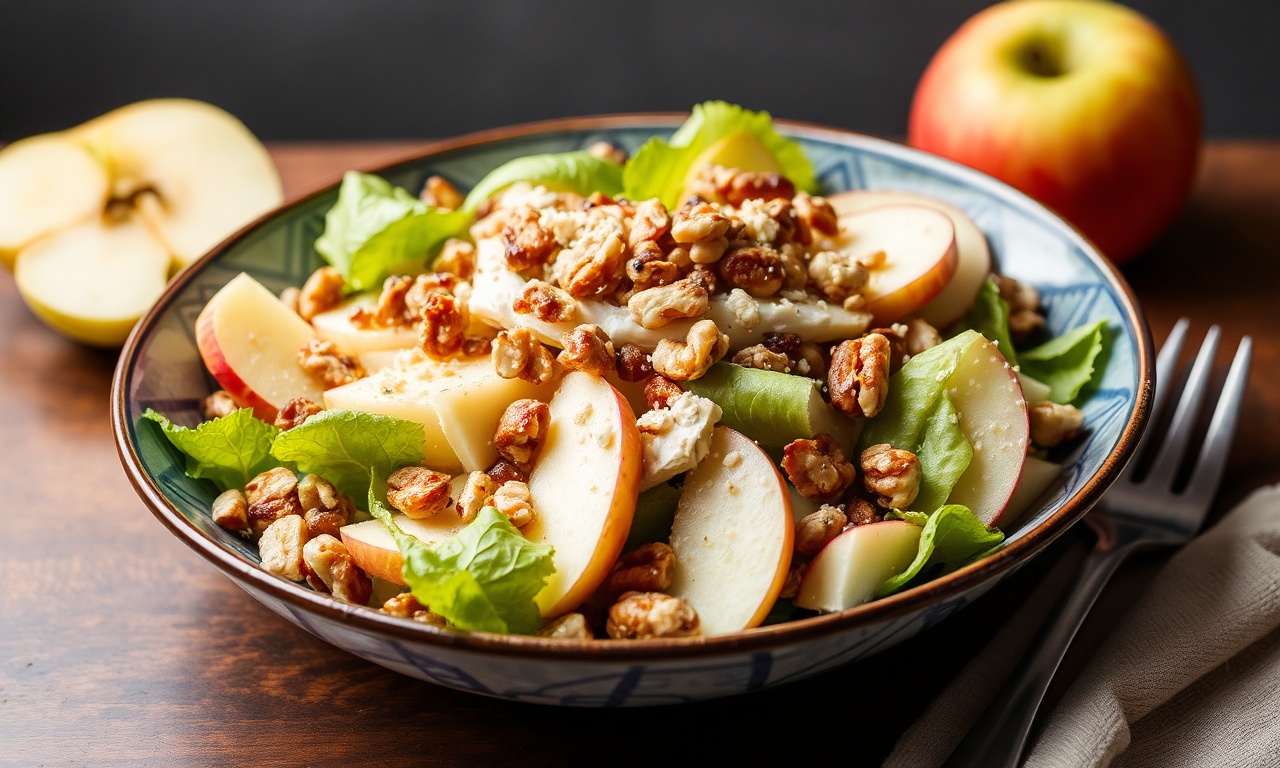
Waldorf salad earns its “timeless” reputation for a simple reason: it delivers crisp freshness, nutty depth, and creamy tang in one bowl. When you get the balance right, every forkful tastes clean and lively rather than heavy or mushy.
- Why Waldorf Salad Still Works (Even When Everything Else Changes)
- Ingredients That Make the Difference (and What to Substitute)
- Apples: pick firmness over sweetness
- Walnuts: toast for aroma, not darkness
- Celery and optional grapes: control moisture
- Dressing: creamy with tang, not cloying
- Step-by-Step Waldorf Salad (30 Minutes Total)
- Pro Techniques for Maximum Crunch
- Cut size matters more than you think
- Chill before serving, but don’t chill forever
- Toast walnuts, then cool quickly
- Balance sweetness with acidity
- Make-Ahead Plan (So It Stays Restaurant-Style)
- Serving Ideas That Elevate Presentation
- FAQ
At a Glance
- Use firm apples and cut them evenly for lasting crunch.
- Toast walnuts briefly to boost aroma without bitterness.
- Mix dressing fast and chill the salad to protect texture.
- Prep components separately to keep the fruit from softening.
Why Waldorf Salad Still Works (Even When Everything Else Changes)
Waldorf salad survives because it solves two problems at once: it feels light and refreshing, yet it still satisfies cravings for creamy, comforting flavors. The classic combo of apples, celery, and walnuts creates a natural texture contrast you can’t fake with greens alone.
The flavor also stays stable. Apples bring acidity and sweetness, celery adds an herbal crunch, and walnuts contribute both fat and aroma. That’s why the salad works for weeknight lunches and holiday tables.
The texture formula: crisp + crunchy + creamy
Think of Waldorf salad as a texture system. Apples provide a juicy snap, celery adds a clean crunch, and toasted walnuts deliver a firmer bite plus nutty flavor.
The dressing binds everything. If you fold too aggressively or skip chilling, you’ll lose the crisp structure fast. If you treat it gently and keep it cold, the salad tastes “just made” even after prep.
Classic flavor drivers: apples, acid, and toasted nuts
Lemon juice matters because it slows surface browning and sharpens perceived apple flavor. It also helps balance the mayo-and-yogurt dressing so it doesn’t taste flat. For background on browning chemistry, see enzymatic browning.
Toasting walnuts amplifies aroma by warming the oils and triggering flavor changes during dry heat. For more on that general flavor shift, review Maillard reaction.
Ingredients That Make the Difference (and What to Substitute)
You don’t need fancy ingredients, but you do need the right ones. The “best” Waldorf salad tastes crisp, not watery. It also tastes balanced, not overly sweet or overly rich.
Choose ingredients that support texture first. Then you can fine-tune flavor with acid, salt, and the dressing ratio.
Apples: pick firmness over sweetness
For the classic bite, use crisp apples such as Honeycrisp or Granny Smith. Firm apples hold their shape better after mixing, so the salad stays crunchy during serving.
Apple variety affects sweetness, acidity, and water content. Those traits change how the dressing tastes on your palate. For general fruit background, see apple.
Walnuts: toast for aroma, not darkness
Use raw walnuts and toast them on a dry skillet. Toasting drives a stronger nut aroma and makes the salad taste more “complete” even with a simple dressing.
Avoid going too far. Once nuts taste bitter, bitterness can intensify as the salad chills. For nut background, see walnut.
Celery and optional grapes: control moisture
Thinly slice celery for even crunch. If you like grapes, use seedless red grapes and cut them in half so each bite tastes juicy without flooding the bowl.
Grapes can add extra water, so if your apples are already very juicy, reduce grapes slightly. That keeps the salad from turning watery after chilling.
Dressing: creamy with tang, not cloying
Traditional Waldorf style often uses mayonnaise. For a lighter, brighter flavor, combine mayo with plain Greek yogurt. Yogurt adds tang and helps the dressing taste fresh instead of heavy.
For general background on yogurt, see yogurt. Use it as part of a balanced dressing—not as a replacement that overwhelms apple flavor.
Step-by-Step Waldorf Salad (30 Minutes Total)
This method stays fast because it uses a simple workflow: toast nuts, cut fruit, mix dressing, fold gently, then chill. Each step protects texture instead of undoing it.
You can finish in about 20 minutes, then chill for at least 30 minutes. That rest period matters because flavor blends quickly in cold temperatures.
Ingredients (serves 4)
Fruit & crunch
• 2 large crisp apples, cored and diced (Honeycrisp or Granny Smith)
• 1 cup celery, thinly sliced
• 1 cup seedless red grapes, halved (optional)
Nuts
• 1 cup walnuts, roughly chopped
Dressing
• 1/2 cup mayonnaise
• 1/4 cup plain Greek yogurt
• 1 tbsp fresh lemon juice
• 1 tsp honey
• Salt and black pepper, to taste
• Fresh parsley or mint for garnish
Optional upgrades: add a small pinch of nutmeg or a tiny amount of Dijon if you like a deeper dressing aroma. Keep it subtle so it doesn’t fight the apple.
Instructions
1) Toast the walnuts (5–7 minutes)
Heat a dry skillet over medium heat. Add walnuts and toast, stirring often, until fragrant and lightly golden. This usually takes 3–5 minutes, but your stove may run hot—watch closely.
Transfer walnuts to a plate right away. Let them cool completely. Warm nuts can soften apples and celery faster when you mix.
2) Prep apples and celery (10 minutes)
Dice apples into small, even pieces. Immediately toss them with lemon juice. That acid slows browning and keeps flavor bright.
Slice celery thin. Combine celery with apples only after the dressing is ready, or keep them separate until the final fold if you plan to serve later.
3) Mix the dressing (3 minutes)
In a bowl, whisk mayonnaise, Greek yogurt, honey, lemon juice, salt, and pepper until smooth. Taste and adjust. Add a pinch more salt if the apples taste flat.
Keep dressing thick enough to coat, not flood. If it looks too thick, loosen it with 1–2 teaspoons of lemon juice or yogurt. If it looks too loose, add a spoonful more mayo.
4) Combine gently (2–3 minutes)
In a large mixing bowl, fold apples, celery, grapes (if using), and cooled walnuts. Pour dressing over the top and toss gently with a spatula.
Stop when everything looks lightly coated. Overmixing crushes fruit edges and turns crisp texture into softness.
5) Chill for the best bite (30 minutes)
Cover and refrigerate for at least 30 minutes. This cooling period helps the flavors meld and keeps the apples tasting firm.
When you serve, stir once gently and garnish with parsley or mint. Serve cold for the crispest result.
Pro Techniques for Maximum Crunch
Most “bad Waldorf salad” problems come from texture mistakes: too much mixing, warm nuts, or cutting fruit too large. Use the methods below to keep crispness intact.
These techniques also make the salad taste more premium, even if you keep the ingredient list simple.
Cut size matters more than you think
Dice apples into small, uniform cubes. Small pieces spread flavor evenly and hold bite better than large chunks after dressing hits.
Thin celery slices act like crunchy “rails” for each forkful. That’s why uneven celery can feel chewy instead of crisp.
Chill before serving, but don’t chill forever
Waldorf salad tastes best within 24 hours. After that, fruit releases more moisture and the dressing thickens with added liquid.
If you want to plan ahead, prep components separately. Then combine right before serving and chill briefly.
Toast walnuts, then cool quickly
Don’t leave walnuts in a warm pan. They continue to cook and can tip from golden to bitter. Cooling fast protects aroma and flavor.
Spread walnuts on a plate in a thin layer. That speeds cooling and keeps the nuts from turning soft.
WARNING: Avoid toasting walnuts until they darken significantly. Once they taste bitter, bitterness lingers even after chilling and it spreads through the salad as it rests.
Balance sweetness with acidity
Apples vary by brand and season. Start with 1 tsp honey, then taste. If the apples taste very sweet, reduce honey slightly. If they taste sharp, keep honey at 1 tsp.
Salt also affects perceived sweetness. If your salad tastes “flat,” add a small pinch of salt before adding more sweetener.
Expert Insight: For the sharpest apple flavor, dice apples small and toss them right after cutting with lemon juice. Then fold apples into the bowl only after the dressing finishes, so the fruit stays crisp instead of sitting exposed to air too long.
Make-Ahead Plan (So It Stays Restaurant-Style)
You can prepare Waldorf salad ahead of time without sacrificing crunch. The key is component separation and timing.
With smart prep, your salad tastes fresh when guests arrive or when you pack lunch.
Best workflow for meal prep
Day before (or earlier): toast walnuts and cool them. Mix dressing and refrigerate in a sealed container.
Same day: dice apples and slice celery. If you do grapes, halve them too. Keep these fruit components in separate containers.
Assembly timing
Combine components when you’re within a few hours of serving. Toss gently, then chill at least 30 minutes.
This schedule gives the dressing time to cling while still preserving bite.
Serving Ideas That Elevate Presentation
Waldorf salad looks best when you serve it cold in clean portions. The salad also pairs well with classic flavors that don’t compete with fruit and nuts.
Use simple plating tricks for a more “catered” feel.
Best ways to serve
Serve on butter lettuce, Romaine, or mixed greens for extra lift and volume. The greens add height and help you keep the salad from feeling dense.
For a sandwich-ready version, spoon Waldorf salad into toasted bread or a croissant and cut it into quarters for easy grabbing.
Top it last for peak crunch
If you want maximum texture, reserve a small handful of walnuts and sprinkle them right before serving. That keeps them crisp and fragrant.
Also garnish with parsley or mint moments ahead. Fresh herbs brighten the aroma when the salad hits the table.
FAQ
What makes Waldorf salad taste “classic”?
Classic Waldorf flavor comes from the combination of crisp apples, celery crunch, toasted walnuts, and a dressing that balances creaminess with lemon tang. Toasting the walnuts and using lemon after dicing makes the whole bowl taste more vibrant.
Which apples work best for crunch?
Choose firm apples with a clean bite, like Honeycrisp or Granny Smith. Dice them into small, even cubes so they hold structure after mixing and chilling.
Can I make Waldorf salad ahead of time?
Yes. Toast walnuts and mix the dressing ahead, then refrigerate. Cut apples and slice celery closer to serving time, and combine everything within a few hours for the best crunch.
How do I prevent apples from browning?
Toss diced apples immediately with lemon juice and keep them cold. Quick acid contact slows browning reactions, so the salad stays visually fresh.
How can I make the dressing lighter?
Use a mayo-and-Greek-yogurt blend. Start with the ratio given above, then taste. If you want it tangier, add a small spoon of yogurt. If you want it richer, add a small spoon of mayo.
See also: Waldorf salad