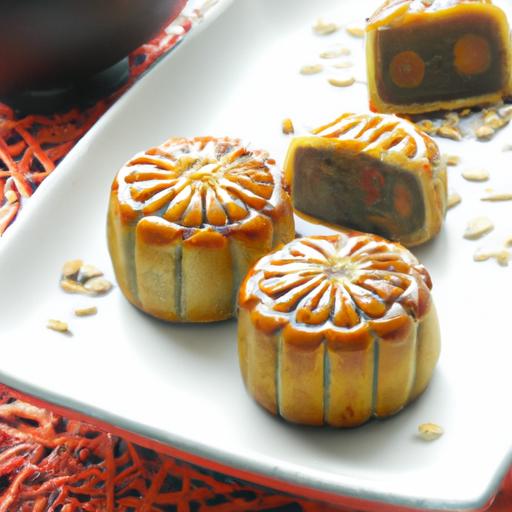

in the tapestry of conventional festive flavors, few treats hold as much nostalgic charm and cultural meaning as the classic lotus seed mooncake. These delicate pastries, with their smooth, subtly sweet filling encased in a golden, tender crust, have been cherished for centuries as symbols of reunion, harmony, and celebration. “Timeless Delights: Exploring Classic Lotus Seed Mooncakes” invites you on a journey through history, craftsmanship, and culinary artistry, uncovering the stories and secrets behind this iconic mooncake that has captivated palates across generations and borders. Whether savored under the glow of the full autumn moon or gifted as a token of goodwill, lotus seed mooncakes continue to inspire a deep thankfulness for tradition wrapped in every bite.
Timeless Delights: Exploring Classic Lotus Seed Mooncakes invites you to discover the enchanting legacy and artful craftsmanship behind one of the most treasured Mid-Autumn Festival treats. Known for their silky, subtly sweet lotus seed paste encased within delicate pastry shells, these mooncakes carry centuries of cultural meaning and exquisite flavor traditions. Each bite offers a harmonious balance of texture and sweetness, evoking the gentle glow of lanterns and the spirit of reunion. Whether you’re a seasoned baker or a curious food enthusiast, mastering the perfect lotus seed filling is an inspiring journey into timeless Asian culinary artistry.
Prep and Cook Time
- Preparation: 45 minutes (includes soaking and cooking lotus seeds)
- Cooking: 30 minutes
- Cooling and Assembly: 60 minutes
- Total Time: Approximately 2 hours 15 minutes
Yield
makes 8 traditional-sized mooncakes (about 150 grams each)
Difficulty Level
Medium – requires patience and attention to detail, but rewarding for home bakers seeking an authentic experience
Ingredients
- For the Lotus Seed Filling:
- 250 grams dried lotus seeds, peeled and soaked overnight
- 150 grams granulated sugar
- 80 grams vegetable shortening or unsalted butter
- 50 ml water
- 1 tsp vanilla extract (optional)
- For the Mooncake Dough:
- 200 grams golden syrup
- 50 ml vegetable oil
- 1/2 tsp alkaline water (lye water)
- 280 grams all-purpose flour, sifted
- Additional:
- Egg wash (1 egg yolk beaten with 1 tbsp water)
- Molded mooncake press or wooden molds
Instructions
- Prepare Lotus Seeds: After soaking the lotus seeds overnight, drain and rinse them. Boil in fresh water for 30-40 minutes until soft. Drain well, remove any green centers to avoid bitterness.
- Make Lotus Seed Paste: Blend the cooked lotus seeds with 50 ml water in a food processor until smooth.Transfer to a non-stick pan over low heat.
- Cook the Paste: Add sugar and vegetable shortening or butter to the pan. Stir continuously for 10-15 minutes to cook off excess moisture and thicken to a glossy, smooth paste. Add vanilla extract if using. Let cool wholly.
- Mix the Dough: In a bowl, combine golden syrup, vegetable oil, and alkaline water. Slowly sift in the flour, gently folding to form a soft dough. Cover and rest for 30 minutes to relax the gluten.
- Form Filling balls: Divide the lotus seed paste into 8 equal portions (around 60 grams each). Roll each into a ball. If desired, place a salted egg yolk or melon seeds in the centre for traditional filling.
- Shape and Assemble Mooncakes: Divide dough into 8 equal parts (around 45 grams each). Roll each into a thin circle, wrap around the paste ball, and seal the edges.
- Molding: Lightly dust the mooncake molds with flour. Press each ball firmly into the mold and demold carefully to reveal intricate patterns.
- Bake: Preheat oven to 180°C (350°F). Place mooncakes on a parchment-lined tray and bake for 10 minutes. Remove and brush with egg wash, then bake another 12-15 minutes until golden brown.
- Cool and Rest: Let mooncakes cool completely on a wire rack. Rest for 24-48 hours in an airtight container to allow the crust to soften and flavors to meld beautifully.
Chef’s Notes
- Lotus seeds: Using fresh dried lotus seeds and soaking overnight vastly improves texture and flavor authenticity.
- Consistency: achieving the perfect lotus seed paste requires patience in stirring; avoid rushing to prevent burning.
- Storage: Mooncakes store best in airtight containers at room temperature for up to 5 days or refrigerated for 2 weeks.
- Substitutions: Vegetable shortening provides a smooth, pliable paste, but unsalted butter adds richness and depth.
- Make Ahead: Prepare lotus seed paste up to 3 days in advance and refrigerate-bring to room temperature before use.
Serving Suggestions
Present your lotus seed mooncakes sliced into wedges on elegant ceramic plates or bamboo leaf-lined trays to evoke their tradition. Garnish with a sprinkle of edible gold dust or crushed toasted melon seeds for added crunch and festive flair. pair each bite with a fragrant cup of jasmine tea or light oolong to complement the delicate sweetness and balance richness. Sharing these delightful mooncakes with family and friends under the full moon truly enhances their timeless charm.

| Nutrient | Per Mooncake (150g) |
|---|---|
| Calories | 380 kcal |
| Protein | 5 g |
| Carbohydrates | 60 g |
| Fat | 12 g |
Discover more authentic mooncake creations in our Traditional Chinese Mooncake Recipes collection.
Q&A
Q&A: Timeless Delights – Exploring Classic Lotus Seed Mooncakes
Q1: What makes lotus seed mooncakes a classic choice during the Mid-Autumn Festival?
A1: Lotus seed mooncakes have stood the test of time as their smooth,subtly sweet filling perfectly balances the rich,tender pastry crust. This harmonious blend symbolizes unity and completeness, resonating deeply with the festival’s themes of reunion and gratitude.
Q2: How is the lotus seed paste traditionally prepared for these mooncakes?
A2: The lotus seeds are carefully soaked, cooked until soft, and then blended into a fine paste. They’re often cooked further with sugar and a hint of oil, creating a glossy, velvety filling that melts in your mouth with every bite.Q3: Are there any symbolic meanings behind the lotus seed in mooncakes?
A3: Absolutely. Lotus seeds represent purity, harmony, and renewal. Incorporating them into mooncakes aligns with wishes for family prosperity and peace, making the treat not just delicious but also meaningful.
Q4: What sets lotus seed mooncakes apart from other types of mooncakes?
A4: While many mooncakes showcase diverse fillings like red bean or mixed nuts, lotus seed paste is prized for its delicate flavor and smooth texture. It offers a subtle sweetness and a refined mouthfeel that appeals to those who appreciate understated elegance.
Q5: Can lotus seed mooncakes be enjoyed year-round, or are they limited to festive seasons?
A5: Though traditionally savored during the Mid-Autumn Festival, lotus seed mooncakes’ timeless taste makes them a delightful treat any time of year. Their balanced sweetness and comforting texture are perfect for celebrations or simple moments of indulgence.
Q6: Are there modern twists on classic lotus seed mooncakes?
A6: Yes! Creative bakers sometimes introduce natural flavors like jasmine, green tea, or even a light citrus zest to enhance the lotus seed paste. Others experiment with different crusts, such as flaky pastry or charcoal dough, while keeping the classic filling at the heart.Q7: How should lotus seed mooncakes be stored to maintain freshness?
A7: To preserve their delicate texture and flavor, lotus seed mooncakes should be stored in an airtight container at room temperature, away from direct sunlight. They typically remain fresh for about a week, perfect for sharing with loved ones.
Q8: What is the best way to enjoy a lotus seed mooncake?
A8: Traditionally, mooncakes are sliced into small wedges and shared among family and friends over tea. The subtle flavors of lotus seed paste pair beautifully with a lightly brewed jasmine or oolong tea, enhancing the overall experience.
Q9: Can lotus seed mooncakes accommodate dietary preferences like vegetarianism or veganism?
A9: Classic lotus seed mooncakes are naturally plant-based, often made without any animal products. However, it’s always good to check for specific recipes or packaging to ensure no eggs or other additives are included if strict dietary adherence is required.
Q10: Where did the tradition of lotus seed mooncakes originate?
A10: Lotus seed mooncakes have roots in Chinese culinary history, intertwined with the Mid-Autumn Festival’s ancient customs. They evolved over centuries, becoming a symbol of harmony and sharing during one of China’s most celebrated cultural events.
Wrapping Up
As the moon waxes and wanes, the humble lotus seed mooncake endures-a delicate emblem of tradition, flavor, and festivity.Beyond its golden crust and velvety filling lies a story steeped in history, culture, and craftsmanship, inviting each bite to become a bridge between past and present. Whether shared among family or savored in quiet reflection beneath the full moon’s glow, these timeless delights remind us that some flavors, like cherished memories, only grow richer with time.So, as you explore the world of classic lotus seed mooncakes, may you discover not just a treat for the palate, but a sweet journey into the heart of Mid-Autumn heritage.