
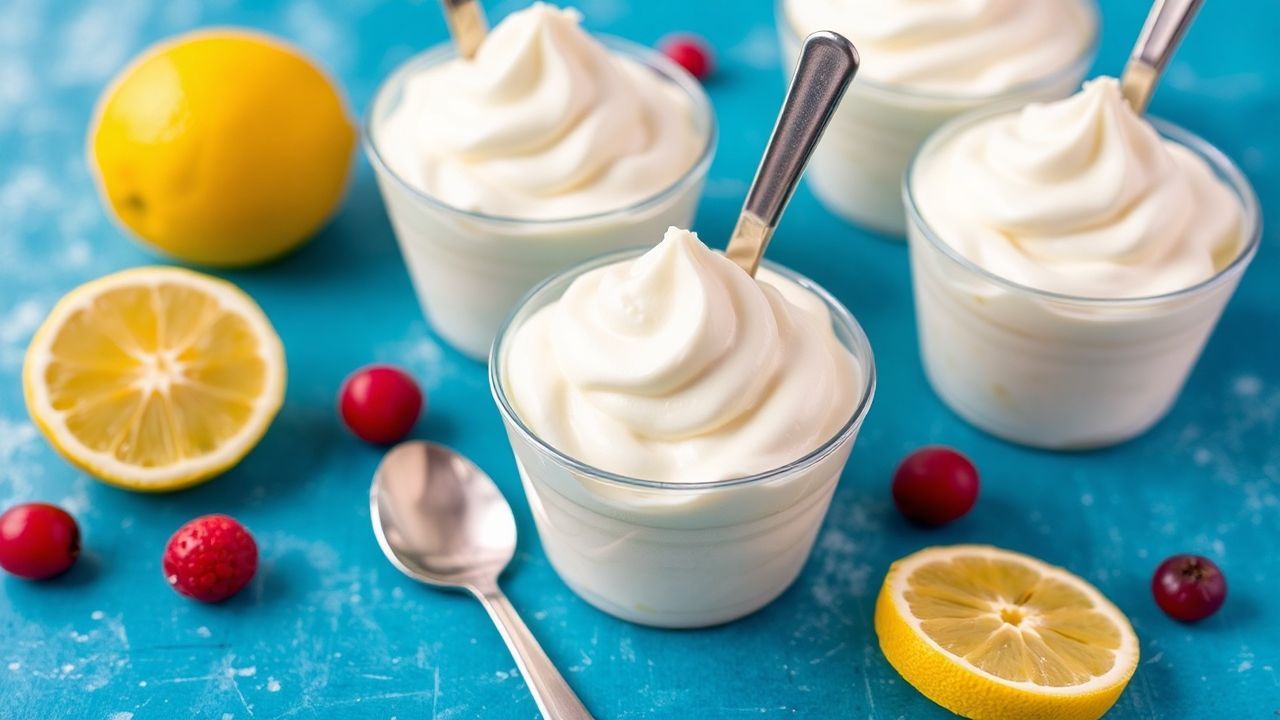
Step into a world where creamy textures meet vibrant bursts of citrusy goodness—Tangy Greek Frozen Yogurt delivers the zesty delight you expect from Greek-style yogurt, with a cool, spoonable finish. This frozen treat blends strained Greek yogurt and gentle sweeteners to create a dessert that feels indulgent yet stays light on the palate.
- The Unique Flavor Profile That Sets Greek Frozen Yogurt Apart
- Health Benefits of Embracing the Tangy Twist in Your Diet
- Creative Ways to Enjoy Greek Frozen Yogurt Beyond the Bowl
- Top Local Spots and Brands to Savor Authentic Tangy Greek Frozen Yogurt
- Greek Frozen Yogurt Recipe
- Q&A
- What makes Greek frozen yogurt different from regular frozen yogurt?
- Why is it described as “zesty” and “tangy”?
- How is Greek frozen yogurt typically made?
- Can Greek frozen yogurt be a healthier dessert option?
- What are the best toppings for a tangy flavor?
- The Way Forward
At a Glance
- Tangy Greek Frozen Yogurt relies on strained yogurt for a thick, rich mouthfeel.
- Churning plus proper freezing helps prevent icy texture and improves scoopability.
- Higher protein and probiotics can support satiety and digestive comfort.
- Fresh fruit, honey, and citrus zest pair naturally with its tart profile.
More than a dessert, Tangy Greek Frozen Yogurt offers a smart flavor balance. The tang comes from yogurt acidity, while the creaminess comes from reduced whey after straining. Together, they create that signature “bright but smooth” taste that keeps people coming back.
The Unique Flavor Profile That Sets Greek Frozen Yogurt Apart
Greek frozen yogurt tastes different because it starts with strained yogurt. Straining removes extra liquid, so the base holds onto thickness and develops a clean tang instead of a watery dairy flavor.
That flavor also connects to the science of fermentation. Live cultures convert sugars into lactic acid, which boosts the tangy bite you notice in every spoonful. If you want the closest match to classic tang, look for products that highlight live cultures and use simple ingredients.
Many people compare Greek yogurt tang to cultured dairy more broadly. For background on how cultures shape dairy flavor, see lactic acid and how it contributes to acidity in fermented foods.
Why “Zesty” Feels Sharper Yet Still Creamy
The “zesty” sensation often comes from acidity plus aroma. Lemon zest, citrus oils, and fermented tang all trigger bright flavor notes that stand up to cold temperatures.
When you add citrus flavoring—like lemon juice or zest—you also boost perceived freshness. That’s why Tangy Greek Frozen Yogurt tastes lively even when sweetness stays moderate.
Health Benefits of Embracing the Tangy Twist in Your Diet
Greek-style frozen yogurt can support better diet choices because it typically brings more protein than many standard ice creams. Protein helps with satiety, which can reduce mindless snacking between meals.
It may also deliver probiotics depending on whether live cultures survive processing and storage. Probiotics relate to gut health through changes in the intestinal microbiome, a topic summarized by probiotics.
Calcium and vitamin B12 also show up in many yogurt-based products, supporting bone and nerve function. For broader context on these nutrients, review vitamin B12 and calcium.
Still, health impact depends on sugar and portion size. Keep an eye on added sweeteners, especially if you make it at home and you’re aiming for lighter desserts.
Also, fermentation cultures matter. Different yogurt cultures produce slightly different acid profiles, which can shift tang. For a science overview, check yogurt and its fermentation process.
Creative Ways to Enjoy Greek Frozen Yogurt Beyond the Bowl
Greek frozen yogurt shines when you treat it like a base, not just a topping. Its tang cuts through sweetness, so it works in both bright and richer flavor combinations.
Start with smoothie bowls. Blend the frozen yogurt slightly with frozen berries, then layer granola for crunch. Add a drizzle of honey only after you taste, so sweetness stays balanced.
Next, try compotes. Simmer fruit with a pinch of sugar and a squeeze of lemon, then cool it quickly. Spoon Tangy Greek Frozen Yogurt beside the compote for warm-cold contrast.
If you want a topping that adds aroma, use citrus zest and toasted nuts. Almonds and pistachios bring fat and crunch, while zest keeps the tangy profile front and center.
Parfaits, Dips, and “Dessert for Breakfast” Ideas
Layer frozen yogurt with yogurt-friendly granola and fresh fruit for a parfait that feels light. Add cinnamon for warmth, then keep portions small so it stays dessert-like.
It also works as a tangy substitute in creamy dips. For a savory example, stir it with herbs and lemon to create a cooler, brighter dip that mirrors Mediterranean flavors.
For ingredient context, consider how herbs and food chemistry shape flavor perception through aroma. See aroma to understand why citrus and herbs make cold desserts feel more “alive.”
Top Local Spots and Brands to Savor Authentic Tangy Greek Frozen Yogurt
You can find the best Tangy Greek Frozen Yogurt where makers focus on strained yogurt and simple flavoring. Look for shops that list ingredients clearly and avoid heavy syrups that mask tang.
Local menus often reveal quality. If a shop offers rotating citrus flavors, probiotic-focused varieties, or fruit-forward toppings, it usually means the base tastes fresh and balanced.
When you evaluate a brand, check for “live and active cultures” language and confirm whether sweeteners are added moderately. Yogurt culture basics are explained in starter culture.
What to Ask For at a Shop
Ask how the frozen yogurt is produced. Do they churn on-site, or do they use pre-made mixes? On-site churn can improve texture consistency.
Also ask whether the base includes fresh fruit or flavor concentrates. Concentrates can work well, but fresh zest often boosts the bright tang that people remember.
If you’re browsing locations, prioritize places that serve it with fresh fruit and nuts rather than thick chocolate toppings. Those add-ins can overpower tangy notes.
Greek Frozen Yogurt Recipe
This homemade Tangy Greek Frozen Yogurt recipe helps you capture the authentic zesty delight at home. It stays creamy, tastes tangy, and gives you control over sweetness.
As you make it, you’ll notice that the base thickens during churning. Then freezing locks in that smooth texture when you chill it long enough.
Prep and Cook Time
- Prep Time: 15 minutes
- Freeze Time: 6 hours (or overnight)
Yield
About 4 servings.
Difficulty Level
Easy.
Ingredients
- 3 cups Greek yogurt (full-fat, strained for extra creaminess)
- 1/2 cup whole milk (for smooth texture)
- 1/3 cup honey (or pure maple syrup)
- 1 tbsp fresh lemon juice (for brightness and tang)
- 1 tsp pure vanilla extract
- Pinch of sea salt
- Optional: 1 tsp lemon zest for extra aroma
Instructions
- Whisk together Greek yogurt, whole milk, honey, lemon juice, vanilla, sea salt, and optional lemon zest until smooth.
- Taste the mixture and adjust sweetness or tang by adding a little more honey or lemon juice.
- Churn in an ice cream maker according to the manufacturer’s instructions, usually 20–25 minutes.
- Transfer to a freezer-safe container and smooth the top. Cover tightly and freeze for at least 6 hours.
- Serve after 5 minutes at room temperature for easier scooping.
Chef’s Notes
- For extra thickness, use “Greek yogurt” labeled as strained or thick-style. Consistency affects scoop quality.
- Straining regular yogurt overnight through cheesecloth improves tang and body, because it reduces whey.
- If you don’t have an ice cream maker, freeze the mixture and stir every 30 minutes during the first 2–3 hours to reduce ice crystals.
- Store in an airtight container to limit ice buildup and protect the tangy flavor.
Serving Suggestions
Serve in chilled bowls. Top with sliced kiwi or blood orange, then add a light drizzle of honey and toasted pistachios or granola.
For a bright finish, dust with finely grated lemon zest. Pair with mint tea or chilled sparkling water to keep flavors crisp.
To understand why freezing affects texture, you can review basic ice formation in ice. That helps explain why churning and proper freezing time matter.
Q&A
If you’re new to Tangy Greek Frozen Yogurt, these quick answers remove the guesswork. Keep your eye on texture, sweetness, and culture quality.
What makes Greek frozen yogurt different from regular frozen yogurt?
Greek frozen yogurt starts with strained yogurt, so it has less whey. That creates a thicker, creamier texture and a more noticeable tang.
Why is it described as “zesty” and “tangy”?
The tart flavor comes from yogurt acidity created during fermentation. When you add citrus zest or lemon, you amplify aroma and make the tang feel brighter.
How is Greek frozen yogurt typically made?
It blends strained yogurt with milk and sweeteners, then churns to control ice crystals. After churning, it freezes until firm, with a softer scoop after brief thawing.
Can Greek frozen yogurt be a healthier dessert option?
Often it provides more protein than many traditional desserts, and some products include live cultures. Still, check sugar levels so you keep sweetness aligned with your goals.
What are the best toppings for a tangy flavor?
Fresh berries, citrus slices, toasted almonds, and pistachios pair well with tang. Honey adds rounded sweetness, while granola adds crunch without dulling the yogurt’s bright taste.
The Way Forward
Tangy Greek Frozen Yogurt earns its place because it delivers bold flavor with a clean finish. With a strained base and smart freezing, you get a dessert that stays smooth and bright.
When you serve it with fruit, zest, and crunchy toppings, you highlight the tang instead of covering it. Make a batch, test the sweetness, and tailor the texture to your preferences—one spoonful at a time.
See also: Tangy Greek