
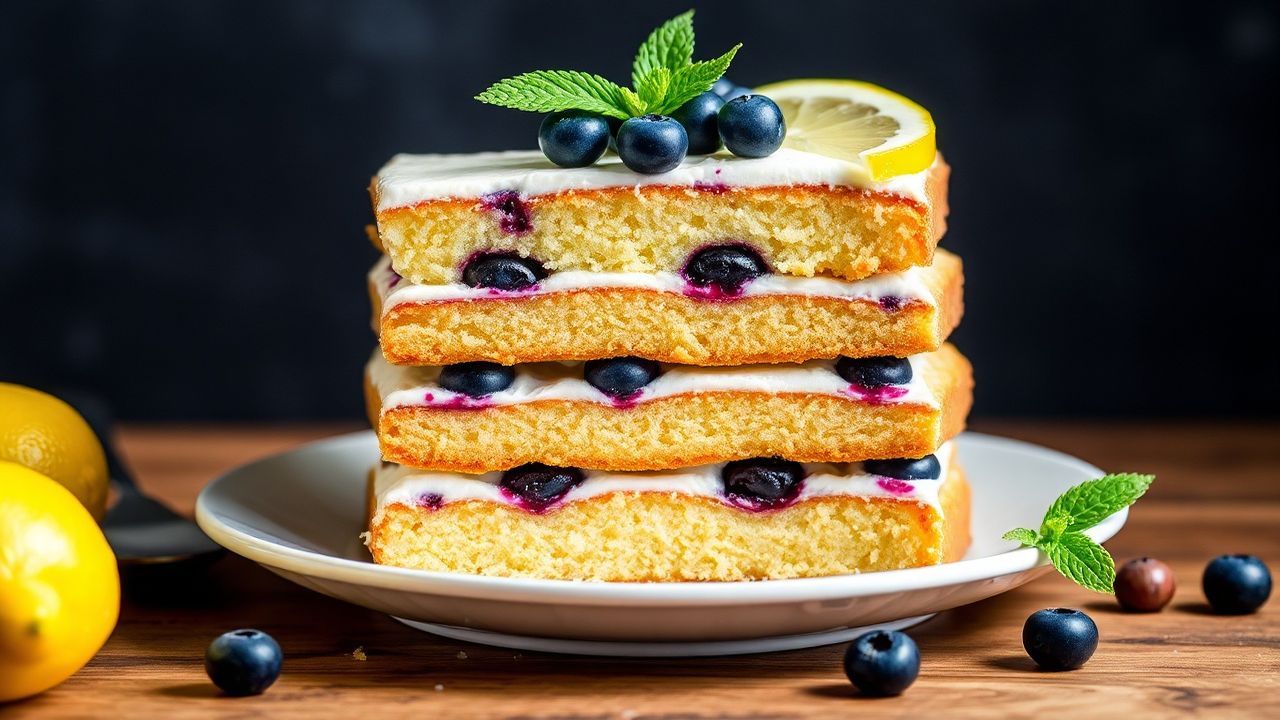
A spring lemon blueberry layer cake should taste like fresh air: bright citrus, juicy berries, and a soft crumb that holds its shape under fluffy frosting. This version leans into clean flavor and reliable structure, so you get that “sunny” taste without sacrificing a tender slice.
- What Makes Lemon Blueberry Cake “Spring-Right”
- Recipe Overview: Size, Time, and Skills
- Ingredients You’ll Want (and Why)
- Full Recipe: Spring Lemon Blueberry Layer Cake
- Expert Techniques for Perfect Layers and Even Berries
- How to Assemble Like a Bakery
- Make-Ahead, Storage, and Serving Tips
- Flavor Variations (Keep the Core, Change the Spark)
- FAQ
- Balanced flavor: lemon zest + fresh juice in both cake and frosting.
- Better layers: even pan prep, correct bake time, and careful assembly.
- Berry distribution: prevent sinking so every forkful has fruit.
- Texture control: tender crumb from buttermilk and proper mixing.
Below you’ll find a full, tested-style recipe for a classic three-layer cake with lemon cream cheese frosting, plus the exact techniques that make it look bakery-level at home. If you love spring desserts—think berry compotes, citrus curds, and light cakes—this one fits right into that lane.
What Makes Lemon Blueberry Cake “Spring-Right”
Lemon and blueberries work because they hit different taste notes at the same time. Lemon zest adds fragrant oils that taste sharp and clean, while blueberries bring natural sweetness and a slight tang from their fruit acids.
When you pair both in cake batter and frosting, you create a repeating flavor pattern. That repetition matters—your palate reads the dessert as unified rather than “two flavors stuck together.” For flavor background, it helps to understand citrus chemistry and how zest flavor differs from juice; see Lemon.
Also, blueberries release some juice during baking. If you handle them gently and stabilize them with a light coating, they distribute across layers instead of sinking into one spot. For fruit composition basics, Blueberry offers a useful reference point.
Recipe Overview: Size, Time, and Skills
This recipe yields a 3-layer 8-inch cake, which typically cuts into 10–12 servings depending on slice thickness. It’s medium difficulty because layer cakes require timing and assembly precision, not because the method is risky.
Prep time: ~25 minutes. Bake time: ~32–35 minutes. Cooling & assembly: at least 1 hour (most of it is hands-off cooling).
Skill focus: you’ll use standard cake methods—creaming butter and sugar, alternating wet/dry ingredients, and folding berries. If you want a deeper background on baking structure, Cake explains the role of leavening and crumb development at a high level.
Ingredients You’ll Want (and Why)
Quality ingredients matter most in three places: citrus intensity, berry freshness, and fat/flour balance for crumb tenderness. You don’t need premium brands for everything, but you should prioritize fresh lemons, proper zest, and good butter.
Cake ingredients
Flour: all-purpose flour gives structure without turning the crumb dry. Sift it for a lighter feel and to prevent lumps.
Leavening: baking powder drives lift, and baking soda supports browning and tenderness when paired with acidic buttermilk.
Butter + sugar: creamed butter traps air and supports rise. Granulated sugar also helps create a fine crumb by supporting even aeration.
Eggs: room-temperature eggs emulsify and strengthen the batter. If your eggs feel cold, the batter can seize and bake unevenly.
Buttermilk: adds moisture and acidity for a tender crumb. If you’re curious about the sour dairy role in baking, buttermilk covers the general composition.
Lemon: use zest for aroma and lemon juice for brightness. Zest contains lemon oils, which juice doesn’t replicate.
Blueberries: choose firm berries with deep color. If they look soft or watery, they’ll bleed more during baking.
Frosting ingredients (lemon cream cheese)
Cream cheese + butter: creates the rich, tangy base with a smooth melt. Let both soften fully so the frosting turns silky.
Powdered sugar: sweetens and stabilizes. Sift it to prevent gritty frosting texture.
Lemon juice + zest + vanilla: keeps the frosting bright. Vanilla rounds citrus notes so it tastes “dessert-ready,” not like straight lemon.
For general dairy science and tang balance, Cream cheese offers helpful context.
Full Recipe: Spring Lemon Blueberry Layer Cake
Use three 8-inch round pans. Grease thoroughly and line the bottoms with parchment for easy release. Set out eggs and buttermilk at room temperature so the batter mixes smoothly.
Ingredients
Cake
• 2 1/2 cups all-purpose flour, sifted
• 2 1/2 tsp baking powder
• 1/2 tsp baking soda
• 1/2 tsp fine sea salt
• 1 cup unsalted butter, softened
• 1 3/4 cups granulated sugar
• 3 large eggs, room temperature
• 1 tbsp finely grated lemon zest (about 2 lemons)
• 1 cup buttermilk, room temperature
• 1 tsp pure vanilla extract
• 1 1/2 cups fresh blueberries, washed and patted very dry
Lemon cream cheese frosting
• 8 oz cream cheese, softened
• 1/2 cup unsalted butter, softened
• 4 cups powdered sugar, sifted
• 2 tbsp fresh lemon juice
• 1 tsp lemon zest
• 1/2 tsp pure vanilla extract
Step-by-step instructions
1) Heat and prep. Preheat oven to 350°F (175°C). Grease three 8-inch pans and line bottoms with parchment rounds. This step prevents sticking and keeps layers flat.
2) Mix dry ingredients. Whisk flour, baking powder, baking soda, and salt in a bowl. Set aside so the batter doesn’t sit too long.
3) Cream butter and sugar. Beat softened butter and sugar on medium-high until light and fluffy, about 3–4 minutes. Scrape the bowl once or twice so everything mixes evenly.
4) Add eggs. Add eggs one at a time, beating well after each. Then mix in lemon zest and vanilla.
5) Alternate dry and buttermilk. Add dry ingredients and buttermilk in three parts, starting and ending with flour. Mix just until combined. Overmixing toughens cake via extra gluten development in the flour.
6) Fold in blueberries. Toss blueberries lightly with 1–2 tbsp of the sifted flour from your dry mix. Then fold them in gently with a spatula to avoid crushing.
7) Bake. Divide batter evenly among pans. Tap pans lightly to pop air bubbles. Bake 32–35 minutes, until a toothpick in the center comes out clean.
8) Cool fully. Cool in pans for 15 minutes, then move to wire racks until completely cool before frosting. Warm layers melt cream cheese frosting and can cause sliding.
9) Make frosting. Beat cream cheese and butter until smooth (about 2 minutes). Add powdered sugar gradually on low, then beat on medium-high for a fluffy texture. Mix in lemon juice, lemon zest, and vanilla.
10) Assemble. Place one layer on a plate. Spread frosting evenly, add the next layer, and repeat. Frost top and sides. Chill 30 minutes to set the outside frosting before serving.
Expert Techniques for Perfect Layers and Even Berries
Layer cakes look professional when you control three things: pan prep, batter consistency, and cooling. When you skip one, you often get domes, cracks, or frosting that won’t hold.
Prevent blueberries from sinking
Blueberries sink when batter gets too thin or berries release liquid early. The flour coating helps the berries “stick” to batter and float more evenly. It also reduces bleeding around each berry pocket.
Keep berries dry. Moisture on the surface can create streaks and uneven purple pockets. Pat with paper towels until you remove surface wetness.
Keep lemon flavor bright (not bitter)
Zest gives aroma because of the natural oils in the outer peel. If you accidentally grate too deep into the white pith, the cake can taste bitter.
Use a microplane and stop once you reach the lighter inner layer. This is one of the easiest ways to make lemon taste “fresh” instead of harsh. For more on zest and citrus components, review zest.
If your kitchen runs warm, place the cooled layers on a tray and chill 10–15 minutes before frosting. You’ll get tighter layers and easier smoothing.
Finally, use a gentle hand when mixing after you add flour. Mix just until you don’t see dry streaks. That “stop early” habit protects softness.
How to Assemble Like a Bakery
Even frosting comes from a simple process: crumb coat, chill, then final layer. Skipping the crumb coat usually leads to cake crumbs showing on the outside and a messy look.
Crumb coat: Spread a thin layer of frosting around the sides and top. Chill 15–20 minutes. Then frost with your final thickness.
Use an offset spatula for control. Dip it in warm water and wipe dry before smoothing for a cleaner finish. You can also use a bench scraper for straight sides.
Decorating ideas that match spring
Add a “garden” look with fresh blueberries, thin lemon slices, and a dusting of powdered sugar. Keep decorations minimal so frosting stays the star.
If you want color contrast, pipe a ring of frosting around the top edge, then fill the center with berries. This method hides small imperfections at the slice line.
Make-Ahead, Storage, and Serving Tips
You can bake and assemble ahead to reduce stress on party day. Layer cakes taste best after chilling because frosting firms and flavors meld.
Make ahead plan
Bake the cake layers up to 1–2 days ahead. Cool fully, then wrap tightly in plastic wrap and refrigerate. Make frosting the day of assembly, or refrigerate it and re-whip briefly before use.
Assemble and frost within 24 hours of serving for best texture. If you assemble earlier, keep the cake well covered to prevent frosting drying.
Storage
Store covered in the refrigerator for up to 3 days. Lemon cream cheese frosting holds moisture, so refrigeration won’t instantly ruin the cake.
Let the cake sit at room temperature about 20 minutes before slicing. That short wait improves aroma and makes lemon taste less sharp.
Flavor Variations (Keep the Core, Change the Spark)
Once you nail the base technique, you can customize the flavor without losing texture. These changes should stay small so the cake’s structure doesn’t shift.
Swap fruit: lime-blueberry or strawberry-lemon
Lime works in the same role as lemon, especially when you use zest. Strawberry adds sweetness, so consider slightly less frosting sugar or add extra lemon juice for balance.
For fruit pairing concepts, the general science of fruit sugar and acidity is covered in Fruit.
Add crunch: pistachio or almond
Fold chopped pistachios into frosting or sprinkle between layers. Nuts add texture contrast and make the cake feel more “celebration-style.” Toast nuts first for deeper flavor.
Keep the amounts moderate so nuts don’t pull moisture from the frosting too fast.
FAQ
Can I use frozen blueberries instead of fresh?
Yes. Thaw and drain them well, then pat dry. Toss with a small amount of flour before folding to reduce bleeding and sinking.
How do I keep my lemon flavor strong?
Use both zest and juice. Zest boosts aroma, while juice boosts brightness. Avoid grating into the pith, because that’s where bitterness comes from.
Why did my cake layers dome in the middle?
Usually, the oven runs hot, the batter divided unevenly, or pans weren’t level. Bake at the stated temperature and check doneness a minute or two early if your oven browns fast.
My frosting looks grainy. What happened?
Powdered sugar grit usually comes from unsifted sugar or under-mixing. Sift sugar before adding, and beat until smooth. If it’s very stiff, add 1–2 teaspoons of lemon juice or milk to loosen.
How can I slice cleanly without smearing frosting?
Use a hot, clean knife. Wipe between cuts. Chill the cake 10 minutes before slicing if the frosting feels soft.
See also: lemon blueberry