
Savor Delicious: The Deceptive Simplicity of True Italian Elegance
Many believe that authentic Italian cuisine is inherently complex, a labyrinth of obscure ingredients and time-consuming techniques. This is a profound misconception. The true genius of Italian cooking, particularly in dishes like Saltimbocca, lies in its profound reverence for simplicity, quality, and the harmonious interplay of just a few exceptional ingredients. To truly Savor Delicious Saltimbocca is to understand that this iconic Roman dish isn’t about overwhelming the palate, but about allowing each component to sing its purest note. It’s a culinary sonnet, where tender veal, savory prosciutto, and aromatic sage converge in a fleeting, yet unforgettable, symphony.
- Savor Delicious: The Deceptive Simplicity of True Italian Elegance
- Unveiling Saltimbocca: A Roman Masterpiece
- The Pillars of Flavor: Essential Ingredients
- Mastering the Art: Step-by-Step Preparation
- Elevating Your Savor Delicious Experience: Tips and Tricks
- Serving Suggestions for an Unforgettable Meal
- Frequently Asked Questions
- What is the authentic Italian origin of Saltimbocca?
- Why is veal the preferred meat for Saltimbocca?
- Can I substitute turkey or chicken for veal in Saltimbocca?
- What is the role of the flour dredge in Saltimbocca?
- How do I prevent the prosciutto from burning when searing?
- Final Recommendations for Savor Delicious Success
When it comes to Savor Delicious, The true art of Saltimbocca is not in complicating the dish, but in elevating the inherent perfection of its core elements.
Key Takeaways:
- Core Simplicity: Saltimbocca’s brilliance stems from its minimal, high-quality ingredients – veal, prosciutto, and sage.
- Flavor Harmony: The dish achieves balance through the savory saltiness of prosciutto, the delicate tenderness of veal, and the aromatic counterpoint of sage.
- Culinary Technique: Perfect pan-searing and a quick, flavorful pan sauce are crucial for an authentic and delicious result.
- Italian Heritage: Understanding its Roman origins provides context for the dish’s refined yet rustic appeal.
Unveiling Saltimbocca: A Roman Masterpiece
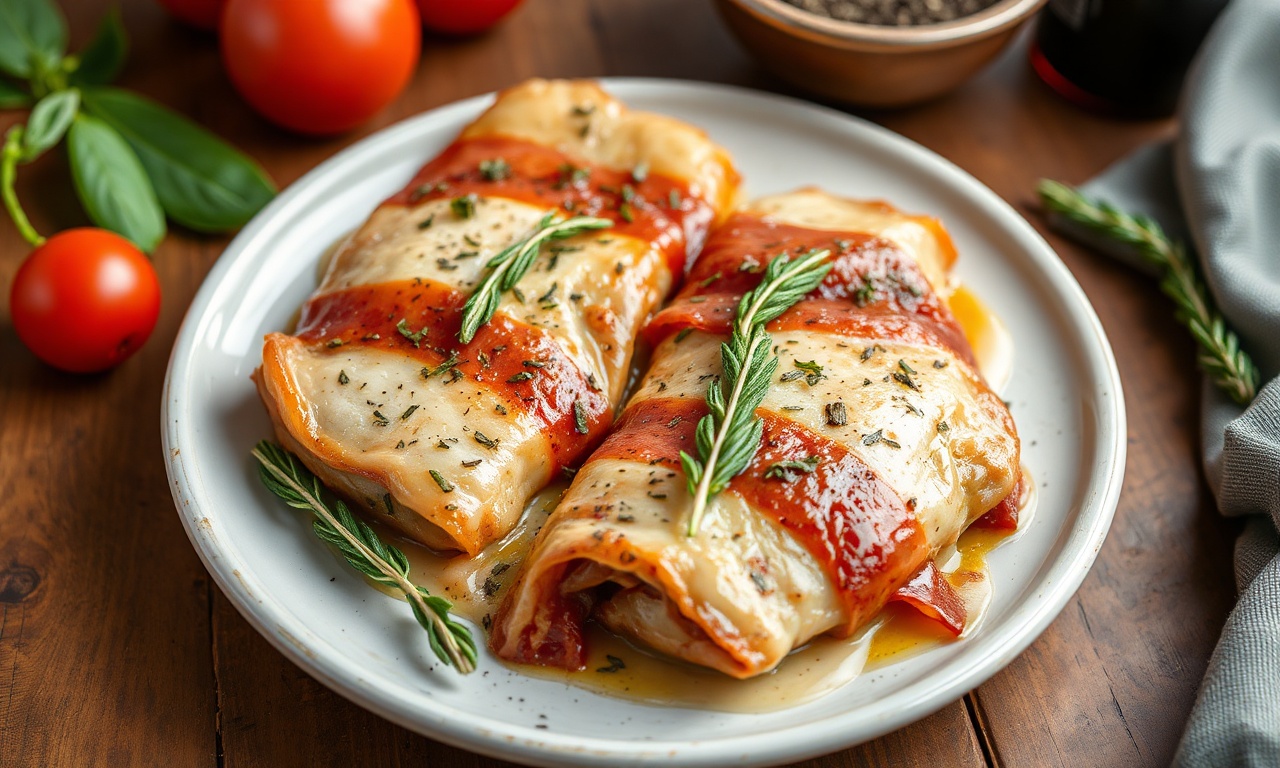
In the context of Savor Delicious, The name “Saltimbocca” itself, translating from Italian as “jump in the mouth,” hints at the immediate and delightful impact this dish has on the senses. Originating from the Lazio region, specifically Rome, this classic preparation is proof of the region’s culinary philosophy: using readily available, high-quality ingredients to create dishes that are both satisfying and sophisticated. Unlike many elaborate Italian preparations, Saltimbocca is remarkably straightforward. It’s a dish designed for speed and flavor, perfect for a weeknight indulgence or an impressive appetizer that belies its quick preparation time. The magic occurs when thinly pounded veal cutlets are topped with a slice of cured prosciutto and a fragrant sage leaf, then pan-seared to golden perfection.
Around Savor Delicious, The rapid cooking process ensures the veal remains incredibly tender, while the prosciutto renders its savory fat, and the sage infuses its distinctive aroma. This culinary alchemy creates an explosion of taste and texture that lives up to its evocative name.
Regarding Savor Delicious, The historical context of Saltimbocca reveals its practical origins. It was a dish born out of necessity and ingenuity, a way to transform humble ingredients into something extraordinary. The combination of veal, a prized meat in Italian cuisine, with the intensely flavorful and long-lasting prosciutto, and the readily available herb sage, made it an ideal choice for quick meals. Studies on Italian culinary history highlight how regional dishes often reflect the local produce and preserved foods available, and Saltimbocca is a prime example of this principle in action. Its enduring popularity is proof of its perfect balance and inherent deliciousness, proving that sometimes, less truly is more in the kitchen.
The Pillars of Flavor: Essential Ingredients
Achieving the sublime taste of Saltimbocca hinges entirely on the quality and selection of its core components. This is not a dish where lesser ingredients can be masked; each element plays a vital, starring role. The careful selection of veal, prosciutto, and sage is paramount to unlocking the dish’s full potential and truly allowing you to Savor Delicious results.
Veal: The Delicate Canvas
When it comes to Savor Delicious, The foundation of Saltimbocca is, of course, the veal. For this dish, it’s crucial to use thinly pounded veal cutlets, often from the leg or loin. The thinness is key, ensuring rapid and even cooking, which prevents the veal from becoming tough or dry. Ideally, the cutlets should be pounded to about ¼-inch thickness. This preparation method tenderizes the meat further and creates more surface area for searing, contributing to a beautiful golden crust. When sourcing veal, look for a pale pink color and a firm texture, indicative of freshness and quality. Many butchers are happy to pound the cutlets for you, a service that can save considerable time and effort.
Prosciutto: The Salty Embrace
In the context of Savor Delicious, Prosciutto di Parma or San Daniele are the gold standards for this dish. These are dry-cured, thinly sliced Italian hams renowned for their sweet, nutty flavor and delicate texture. The prosciutto provides the essential salty counterpoint to the mild veal and aromatic sage. Its thinness is critical; it should be almost translucent, allowing it to crisp slightly in the pan without becoming greasy or overpowering. Avoid pre-packaged, overly thick slices, as they can dominate the dish. The goal is a nuanced saltiness that complements, rather than overwhelms, the other ingredients. The rendered fat from the prosciutto during cooking also contributes to the richness of the final sauce.
Sage: The Aromatic Heart
Around Savor Delicious, Fresh sage leaves are indispensable. Their earthy, slightly peppery, and wonderfully aromatic profile is what gives Saltimbocca its distinctive character. The herb’s name, derived from the Latin “salvia,” meaning “to save,” speaks to its historical medicinal and culinary importance. For Saltimbocca, large, whole fresh sage leaves are preferred. They are typically placed directly onto the prosciutto, allowing their essential oils to release and infuse into the meat and cooking fat as they sear. The aroma that fills your kitchen as the sage hits the hot pan is intoxicating and a significant part of the sensory experience of preparing and eating this dish.
Regarding Savor Delicious, [IMAGE_PROMPT: A top-down close-up shot of raw ingredients for Saltimbocca: thinly pounded veal cutlets laid out on a wooden cutting board, several slices of delicate, rosy prosciutto draped artfully beside them, and a small pile of vibrant, fresh green sage leaves. Soft, natural light illuminates the scene, highlighting the textures and colors.]
Mastering the Art: Step-by-Step Preparation
Creating restaurant-quality Saltimbocca at home is not a daunting task. The process is elegant in its efficiency. Follow these steps meticulously to ensure you Savor Delicious results every time.
- Prepare the Veal: Lay each veal cutlet flat on a clean, dry surface. Season both sides very lightly with sea salt and freshly ground black pepper. Remember that the prosciutto is quite salty, so restraint with the salt is crucial.
- Layer the Toppings: Place one slice of prosciutto evenly over the seasoned veal cutlet. Press it down gently to adhere. Top the prosciutto with two fresh sage leaves, ensuring they lie flat. You can secure the prosciutto and sage with a toothpick if you are concerned about them shifting, but often, the gentle pressure is sufficient.
- Dredge for Crispiness: Lightly dust only the veal side of each assembled cutlet with all-purpose flour. Gently shake off any excess flour. This thin coating helps create a beautiful golden crust when seared. Avoid over-flouring, which can lead to a gummy texture.
- Heat the Pan: In a large skillet, melt 2 tablespoons of unsalted butter with 2 tablespoons of extra virgin olive oil over medium-high heat. The fat should be shimmering but not smoking. Using a combination of butter and olive oil adds richness and helps prevent the butter from burning.
- Sear the Saltimbocca: Carefully place the floured cutlets into the hot skillet, veal-side down first. Sear for approximately 2-3 minutes until a deep golden-brown crust forms. Gently flip the cutlets and sear the prosciutto and sage side for another 2-3 minutes, until the prosciutto is slightly crisped and the sage is fragrant. Work in batches if necessary to avoid crowding the pan, which can steam the meat instead of searing it.
- Rest the Cutlets: Remove the seared Saltimbocca from the skillet and place them on a warm plate. Tent loosely with foil to keep them warm while you prepare the pan sauce.
- Craft the Pan Sauce: Reduce the heat to medium-low. If there is excessive rendered fat, you can carefully pour some off, leaving about 1-2 tablespoons in the pan. Add the remaining 2 tablespoons of butter to the skillet. Once melted, add ½ cup of low-sodium vegetable or chicken broth. Use a wooden spoon to scrape up any browned bits (fond) from the bottom of the pan; this is where much of the flavor resides. Stir in 4 fresh sage leaves and simmer gently for 3-5 minutes, until the sauce has slightly reduced and thickened to a glossy consistency.
- Finish and Serve: Remove the sage leaves from the sauce if you prefer a smoother consistency, or leave them in for garnish. Spoon the warm sage butter sauce generously over the plated Saltimbocca. Serve immediately to enjoy the optimal texture and flavor.
Elevating Your Savor Delicious Experience: Tips and Tricks
When it comes to Savor Delicious, Beyond the basic recipe, a few expert nuances can elevate your Saltimbocca from merely good to truly extraordinary. These insights are born from experience and a deep understanding of how ingredients and techniques interact.
The Nuances of Veal Selection
In the context of Savor Delicious, When selecting veal, consider the source. Ethically raised veal, often labeled as “milk-fed,” tends to be exceptionally tender and pale. The thickness is non-negotiable; aim for cutlets that are no more than ¼-inch thick. If you can’t find them pre-pounded, a meat mallet and a piece of plastic wrap will do the trick. Be gentle; the goal is to flatten the meat, not shred it.
Prosciutto Perfection
Around Savor Delicious, The quality of your prosciutto will significantly impact the final dish. Seek out authentic Italian prosciutto, ideally from Parma or San Daniele. These hams are cured for a minimum of 12 months, developing a complex, sweet, and salty flavor profile. If the slices are too large, you can trim them to fit the veal cutlets neatly. Ensure the prosciutto is at room temperature for better adhesion and flavor release.
Sage: Freshness is Key
Regarding Savor Delicious, Always use fresh sage leaves. Dried sage has a different, more pungent flavor that doesn’t lend itself as well to this delicate dish. The leaves should be vibrant green and free from blemishes. Wash them gently and pat them thoroughly dry before use. The moisture can cause them to splatter in the pan and hinder crisping.
The Pan Sauce Alchemy
When it comes to Savor Delicious, The pan sauce is the unsung hero of Saltimbocca. Don’t skip this step! Deglazing the pan with broth captures all the delicious browned bits (fond) left from searing the meat and prosciutto. This fond is pure flavor. Simmering the sauce gently allows the flavors to meld and the liquid to reduce, creating a rich, glossy coating that enhances every bite. A splash of dry white wine (like Pinot Grigio) can also be added during deglazing for an extra layer of complexity before adding the broth.
Serving Suggestions for an Unforgettable Meal
To truly Savor Delicious Saltimbocca, the accompaniments should complement, not compete, with the star of the dish. The aim is to create a balanced and harmonious dining experience that celebrates Italian culinary artistry.
Light and Fresh Salads
In the context of Savor Delicious, A vibrant salad is an ideal counterpoint to the richness of Saltimbocca. Consider a simple arugula salad with a lemon-olive oil vinaigrette. The peppery bite of arugula and the bright acidity of the dressing cut through the savory flavors beautifully. Another excellent choice is a mixed greens salad with shaved Parmesan and a light balsamic glaze.
Creamy Risotto or Polenta
Around Savor Delicious, For a more substantial meal, serve Saltimbocca alongside a creamy risotto or soft polenta. A classic Parmesan risotto or a saffron-infused risotto offers a luxurious base that absorbs the delicious pan sauce. Similarly, a well-made polenta, either creamy or grilled, provides a comforting and satisfying foundation for the veal cutlets.
Roasted or Steamed Vegetables
Regarding Savor Delicious, Simple, well-prepared vegetables are always a welcome addition. Asparagus steamed or lightly grilled with a squeeze of lemon, sautéed spinach with garlic, or roasted baby potatoes tossed with rosemary and garlic all pair wonderfully with Saltimbocca. The goal is to add color, texture, and a touch of freshness without overshadowing the main dish.
When it comes to Savor Delicious, For an authentic Roman experience, consider serving Saltimbocca with simple roasted potatoes or a side of braised greens. The key is to keep the accompaniments relatively unfussy, allowing the delicate flavors of the veal, prosciutto, and sage to remain the focus. A final garnish of fresh parsley or a drizzle of high-quality extra virgin olive oil can add a final flourish.
Frequently Asked Questions
What is the authentic Italian origin of Saltimbocca?
Saltimbocca, meaning “jumps in the mouth,” is a traditional Roman dish originating from the Lazio region of Italy. Its simplicity and reliance on high-quality, readily available ingredients reflect the culinary heritage of the area, where dishes are often celebrated for their directness and pure flavors.
Why is veal the preferred meat for Saltimbocca?
Veal is chosen for its exceptionally tender texture and mild, delicate flavor. This allows the savory notes of the prosciutto and the aromatic qualities of the sage to shine without being overpowered. Veal also cooks very quickly, making it ideal for the rapid pan-searing technique central to preparing Saltimbocca.
Can I substitute turkey or chicken for veal in Saltimbocca?
Yes, turkey or chicken cutlets can be used as substitutes, though the flavor profile will differ. Turkey cutlets are a good alternative, offering a similar mildness. Chicken breast, pounded thin, is also a common substitute. However, be aware that these meats may cook slightly differently and might not achieve the same unparalleled tenderness as veal.
What is the role of the flour dredge in Saltimbocca?
The light dusting of flour serves a dual purpose. It helps to create a thin, crisp crust on the veal during searing, adding a delightful textural contrast. It also acts as a binder, helping the prosciutto and sage adhere more securely to the cutlet and contributing slightly to the thickening of the pan sauce.
How do I prevent the prosciutto from burning when searing?
The key is to sear the veal side first for the majority of the cooking time. When you flip, the prosciutto side only needs a brief sear, about 2-3 minutes, just enough to render some of its fat and achieve a slight crispness. If your pan is too hot or you cook it for too long on the prosciutto side, it can become tough and overly salty.
Final Recommendations for Savor Delicious Success
To truly master and Savor Delicious Saltimbocca, remember that authenticity lies in simplicity and quality. Select the freshest, highest-grade ingredients you can find – the veal, the prosciutto, and the sage are non-negotiable stars. Cook with attention and care, allowing the ingredients to speak for themselves. Don’t rush the searing process, as this is where the crucial flavors and textures develop. Embrace the elegance of this Roman classic, and you’ll find yourself creating a dish that is both deeply satisfying and remarkably easy to execute. Buon appetito!
RELATED TOPICS: Italian Cuisine, Veal Recipes, Prosciutto Dishes, Classic European Cooking, Quick Gourmet Meals
See also: Savor Delicious