
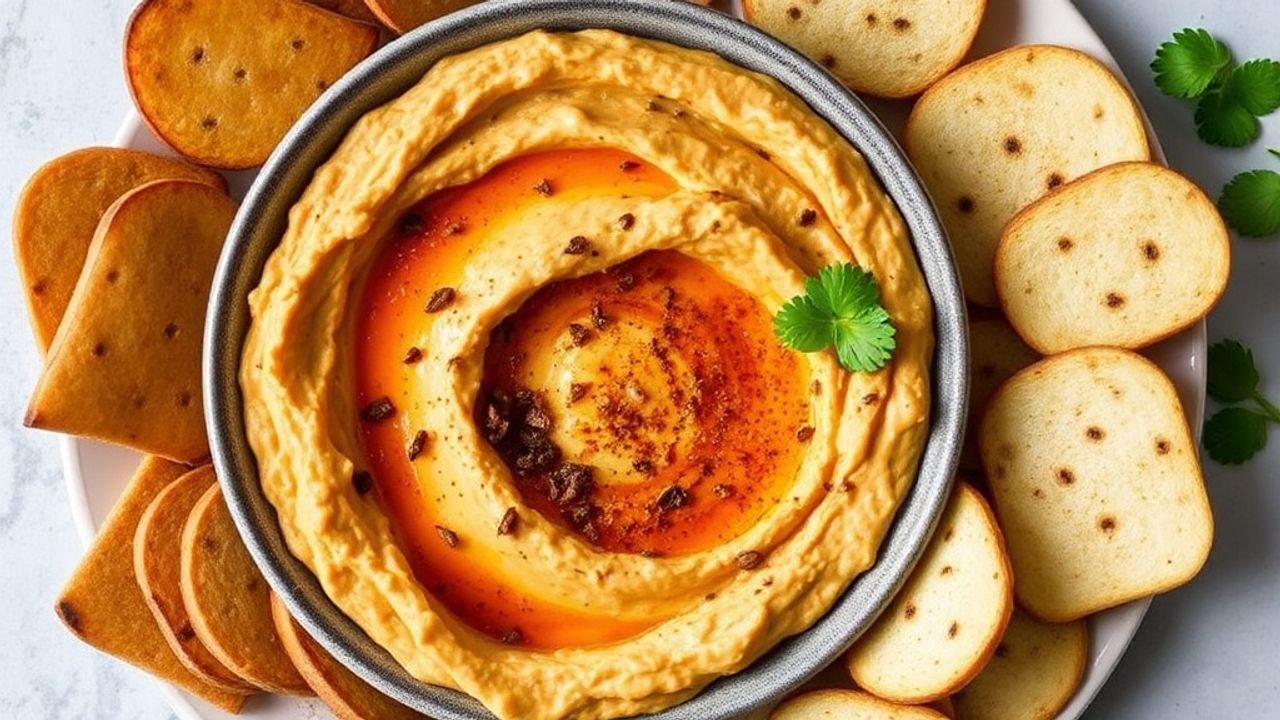
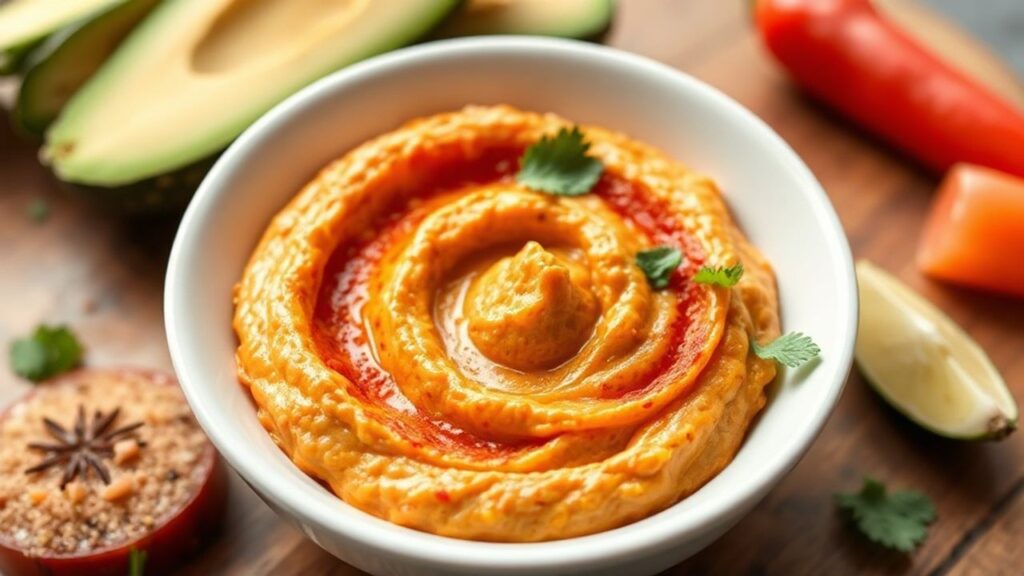
Pepper hummus wakes snack time with smoky roasted red peppers folded into a silky chickpea base. The balance of tahini, fresh lemon, and smoked paprika delivers layered flavor and a reliable, spreadable texture.
- Choosing Ingredients for Pepper Hummus
- Prep and Cook Time for Pepper Hummus
- Ingredients for Pepper Hummus
- Step-by-Step Guide to Crafting Pepper Hummus
- Tips for Success with Pepper Hummus
- Creative Serving Suggestions for Pepper Hummus
- Health Benefits and Nutrition of Pepper Hummus
- Storage and Make-Ahead Tips for Pepper Hummus
- Internal Recipes and Further Reading
- FAQ
- What makes pepper hummus different from classic hummus?
- Can I use jarred roasted peppers?
- How do I get a super-smooth pepper hummus?
- Is pepper hummus suitable for meal prep?
- What pairings complement pepper hummus best?
- Final Notes
- Quick to make: Ready in about 35 minutes, including roasting and blending.
- Versatile: Works as a dip, sandwich spread, or grain-bowl component.
- Make-ahead friendly: Flavors meld and improve after a short rest; stores well for the week.
- Nutritious: Plant protein, fiber, and antioxidants in every serving.
Choosing Ingredients for Pepper Hummus
Start with high-quality chickpeas and fresh red bell peppers. Texture and flavor depend on the beans and the peppers you choose.
Use canned chickpeas that you rinse well or fully cooked dried chickpeas for a cleaner, lower-sodium base. The legume properties and cooking method strongly influence silkiness; see chickpea for botanical and culinary context.
Roast ripe red bell peppers until skins blister to intensify sweetness and add a subtle char. Roasting concentrates flavor and softens flesh so it blends smoothly with tahini and lemon; consult the cultivar notes at bell pepper.
Choose a neutral garlic profile: raw if you want brightness or roasted for a mellow, sweet note. Both approaches work; adjust according to how assertive you want the dip to be.
Prep and Cook Time for Pepper Hummus
This method splits tasks so you roast peppers while prepping chickpeas and measuring seasonings. That parallel workflow keeps the total time near 35 minutes.
Expect approximately 15 minutes of active prep plus 20 minutes of high-heat roasting. Use an oven set to a high temperature or the broiler for fast blistering without drying the pepper flesh.
If you need speed, char peppers over a high flame in a skillet, turning frequently. That technique works but requires attention to avoid burning and losing sweet flesh.
- Prep Time: 15 minutes
- Cook Time: 20 minutes (roasting)
- Total Time: 35 minutes
Ingredients for Pepper Hummus
Gather everything before you roast peppers to keep the workflow efficient. Fresh lemon and good extra-virgin olive oil lift the final bowl, while tahini gives body and a nutty backbone.
Adjust quantities to scale the recipe and reduce sodium by rinsing canned chickpeas or using home-cooked beans. Reserve some aquafaba or cooking liquid to tune creaminess during blending.
- 1 ½ cups canned chickpeas (drained and rinsed) or equivalent cooked chickpeas
- 2 large red bell peppers, roasted, peeled, and seeded
- 3 tablespoons tahini
- 2 tablespoons fresh lemon juice
- 2 cloves garlic, minced or roasted for milder bite
- ⅓ cup extra-virgin olive oil, plus extra for serving
- ½ teaspoon ground cumin
- ½ teaspoon smoked paprika
- Salt and pepper to taste
- Water or reserved chickpea liquid (aquafaba), as needed
Step-by-Step Guide to Crafting Pepper Hummus
Roast whole peppers at high heat until the skins blister and blacken. Place hot peppers in a covered bowl to steam; the steam loosens skins and concentrates the flesh.
After peeling and seeding, process chickpeas, tahini, lemon, garlic, cumin, and smoked paprika until coarse. Then add roasted peppers and stream in olive oil while blending until smooth.
- Roast the peppers: Preheat oven to 450°F (230°C). Roast whole peppers for about 20 minutes, turning every 5 minutes until charred on all sides.
- Steam and peel: Put hot peppers in a covered bowl for 10 minutes. The skins will slide off easily; then remove stems and seeds and chop.
- Blend the base: Pulse chickpeas, tahini, lemon juice, garlic, cumin, and smoked paprika until coarse. Scrape down the bowl as needed for even texture.
- Finish with peppers and oil: Add roasted peppers and process while streaming in olive oil. If the mix seems thick, add water or aquafaba one tablespoon at a time for smoothness.
- Season and rest: Taste and adjust salt and pepper. Chill for at least an hour when possible; resting deepens and melds flavors.
Allow the hummus to rest covered in the refrigerator for at least an hour for flavors to meld. Resting also firms the spread, making it easier to serve attractively.
Tips for Success with Pepper Hummus
Control moisture carefully to avoid a thin spread. Add liquid one tablespoon at a time while processing to reach the desired body.
Use fresh lemon juice for bright acidity and toast cumin seeds briefly for improved aroma. Grinding toasted cumin just before use releases essential oils and deepens flavor.
If you want an ultra-smooth result, use a high-speed blender and pulse with short waits to prevent overheating. A food processor also works; scrape the bowl periodically to ensure even blending.
Creative Serving Suggestions for Pepper Hummus
Pepper hummus brightens platters and sandwiches with color and flavor. Arrange warm pita wedges and crisp vegetables to create appealing contrast in texture and temperature.
Use the hummus as a sandwich spread, a sauce for roasted meats, or a dollop atop grain bowls. Its richness pairs well with whole grains and fresh herbs for balanced plates.
- Veggie platter: Cucumber, carrot sticks, and bell pepper strips for refreshing crunch.
- Warm pita: Lightly toast wedges with olive oil and sprinkle sea salt for dipping.
- Grain bowl: Spoon over quinoa or farro as a flavorful fat component in a bowl with roasted vegetables.
- Sandwich spread: Replace mayo with pepper hummus to boost nutrition and flavor in wraps.
Health Benefits and Nutrition of Pepper Hummus
Pepper hummus combines plant protein and fiber from chickpeas with antioxidants from roasted red peppers. Those nutrients promote satiety and steady energy between meals.
Extra-virgin olive oil contributes monounsaturated fats that support heart health, and tahini supplies minerals such as calcium and magnesium. For background on tahini and its culinary uses, consult tahini, and for more on olive oil properties see olive oil.
| Nutrient | Amount per Serving |
|---|---|
| Calories | 120 kcal |
| Protein | 4 g |
| Carbohydrates | 10 g |
| Fat | 7 g |
| Fiber | 3 g |
Storage and Make-Ahead Tips for Pepper Hummus
Store pepper hummus in an airtight container in the refrigerator for up to four days. A thin drizzle of olive oil over the surface helps preserve color and prevents drying.
For longer storage, freeze portioned hummus in ice-cube trays, then transfer frozen cubes to a sealed bag. Thaw in the refrigerator and stir before serving; label and date batches for best quality control.
Internal Recipes and Further Reading
Compare techniques with a classic chickpea-tahini hummus to refine texture and flavor. Testing a traditional method alongside this pepper variation helps you dial in mouthfeel and seasoning levels; try our internal guide to classic hummus for step-by-step contrasts.
Experiment by swapping smoked paprika for cayenne to add heat or adding roasted garlic for a mellower profile. Browse related ideas in our roasted vegetable recipes collection for complementary dishes and pairings.
FAQ
What makes pepper hummus different from classic hummus?
Pepper hummus adds roasted red peppers for smoky sweetness and vivid color. That addition shifts aroma and boosts antioxidant content compared with plain chickpea-tahini hummus; see hummus for context on traditional bases.
Can I use jarred roasted peppers?
Yes. Jarred roasted peppers save time and perform well. Prefer peppers packed in water if you want tighter control over added oil and flavor concentration.
How do I get a super-smooth pepper hummus?
Peel a few chickpeas, use well-emulsified tahini, and add cold liquid slowly while processing. A high-speed blender speeds the process, but a food processor yields silky results if you scrape and pulse patiently.
Is pepper hummus suitable for meal prep?
Absolutely. Hummus stores well and often tastes better after resting. Use it for snack bowls, sandwiches, and grain bowls throughout the week.
What pairings complement pepper hummus best?
Crisp vegetables, warm pita, olives, and whole grains pair exceptionally well. Use pepper hummus as the flavorful fat component in balanced meals that include protein and fiber.
Final Notes
Pepper hummus is a flexible recipe that elevates snacks and small meals with minimal fuss. Proper roasting and careful seasoning reward the few extra minutes you spend on each step.
Keep testing small variations—garlic level, lemon, and oil ratio—until the hummus matches your preferred balance of brightness and creaminess. Use technique adjustments rather than large ingredient swaps to maintain consistency.
See also: Pepper Hummus