

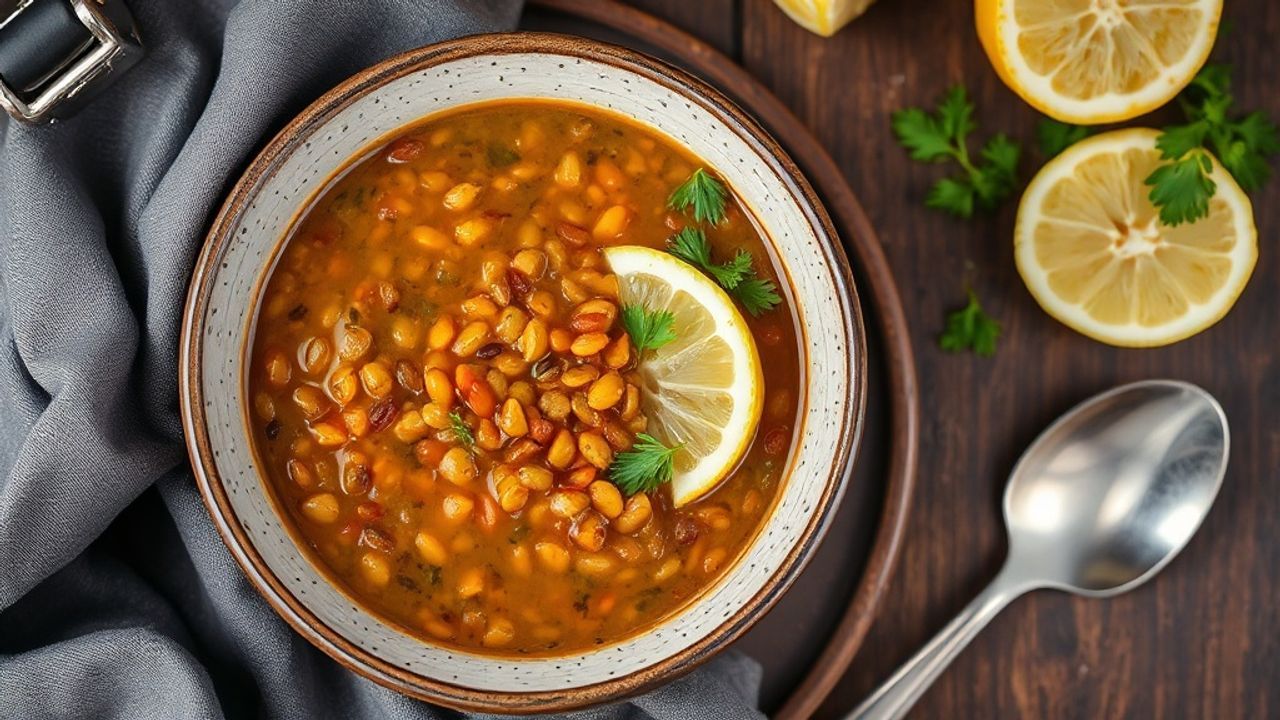
Lentil soup finished with a bright lemon squeeze is one of the most satisfying comfort foods to make at home. This Turkish-style lentil soup balances earthy red lentils, toasted spices, and a citrus finish to deliver a bowl that is nourishing and vibrant.
- Discovering the Rich Flavors and Health Benefits of Turkish Lentil Soup
- Prep and Cook Time
- Yield
- Difficulty Level
- Ingredients
- Instructions
- tips for Success
- Serving Suggestions to Impress
- Q&A: Savor the Best Turkish Lentil Soup
- Q1: What makes Turkish lentil soup different from other lentil soups?
- Q2: Why should I add lemon to lentil soup?
- Q3: How do I perfect the texture of the soup?
- Q4: Can I make this soup vegan and gluten-free?
- Q5: What spices or garnishes elevate the final bowl?
- Closing Remarks
- FAQ
- Key takeaway: Red split lentils break down quickly and produce a naturally silky base.
- Health benefit: High fiber and plant protein make this soup filling and nutrient-dense.
- Flavor tip: Finish with fresh lemon and a warmed oil or chili oil drizzle to lift the aroma.
- Make-ahead: Soup refrigerates well and freezes in portions for easy meals.
Discovering the Rich Flavors and Health Benefits of Turkish Lentil Soup
Turkish lentil soup relies on precise texture control, spice toasting, and bright citrus to achieve a distinctive profile. Using red split lentils creates a creamy base without dairy, making the soup naturally vegan and suitable for gluten-free diets when served with appropriate sides.
For culinary context, this soup sits within a broad culinary tradition; reference material like Turkish cuisine explains regional approaches and common pantry items that shape its flavor. Understanding those traditions helps you adapt garnishes and spice levels with purpose.
Prep and Cook Time
Planning: Reserve 15 minutes for prep to chop vegetables and measure spices. Efficient mise en place prevents overcooking and keeps vegetable textures consistent.
Cooking: The active cook time runs about 35 minutes from sauté through simmer. Hands-on time remains modest, so you can prepare sides while the soup simmers.
Yield
This recipe yields about 6 hearty portions, ideal for family dinners or batch-cooking. Scale the recipe by halving or doubling with predictable results when you keep lentil-to-liquid ratios consistent.
Leftovers intensify in flavor; thin with stock when reheating if the soup becomes too thick. Proper storage maintains texture and food safety for planned meals.
Difficulty Level
Easy. The technique centers on basic sautéing and a controlled simmer. Precise timing and a brief purée step yield professional results without specialized equipment.
Minimal tools suffice: use a heavy-bottomed pot and an immersion blender for consistent, smooth texture. A countertop blender works for small batches, but cool slightly before blending to protect the motor and lids.
Ingredients
Core list: red split lentils, onion, carrot, potato, garlic, broth, tomato paste, olive oil, cumin, smoked paprika, red pepper flakes, lemon, salt, and parsley. These staples create the classic Turkish profile.
For ingredient background, see the botanical and nutritional details on lentil. Selecting high-quality olive oil and fresh lemon will noticeably improve aroma and mouthfeel.
- 1 cup red split lentils, rinsed and drained
- 1 medium onion, finely chopped
- 1 medium carrot, diced
- 2 cloves garlic, minced
- 1 medium potato, peeled and cubed
- 4 cups vegetable or chicken broth
- 2 tbsp olive oil
- 1 tbsp tomato paste
- 1 tsp ground cumin
- 1 tsp smoked paprika
- ½ tsp ground red pepper (Aleppo or chili flakes)
- Salt and black pepper to taste
- Juice of 1 large lemon (plus wedges for serving)
- Fresh parsley, chopped for garnish
Instructions
1. Sauté aromatics: Heat olive oil in a large pot over medium heat. Add chopped onion and sauté until soft and translucent, about 5 minutes, then add garlic and cook until fragrant.
2. Add vegetables and spices: Add carrot and potato, then stir in tomato paste, cumin, smoked paprika, and red pepper. Toast the spices briefly to release their oils and boost depth.
3. Simmer the lentils: Add rinsed lentils and broth. Bring to a boil, then reduce to a simmer for 25–30 minutes until lentils and vegetables are soft and integrated.
4. Purée to finish: Use an immersion blender to achieve a smooth but slightly textured soup. If needed, thin the soup with additional broth or water to reach your desired consistency.
5. Brighten and season: Remove from heat and stir in fresh lemon juice. Adjust salt and pepper. Garnish with chopped parsley and serve with lemon wedges for extra zing.
tips for Success
Toast whole or ground spices briefly before adding liquid to unlock deeper aromas. This small step elevates the final flavor without adding complexity.
Monitor the simmer and stir occasionally to prevent sticking. Red lentils break down quickly; small timing changes shift texture from velvety to overly thick, so taste as you go.
Another texture control trick is to mash a small portion with the back of a spoon instead of fully blending. That yields a rustic mouthfeel favored in many home kitchens.
Cool promptly and refrigerate in a shallow, airtight container. Proper cooling reduces bacterial risk and keeps the soup fresh for up to four days.
Serving Suggestions to Impress
Serve this lentil soup in warm bowls with a swirl of olive oil or a drizzle of chili oil. A dollop of strained yogurt adds creaminess and tempers acidity when you are not keeping it strictly vegan.
Toast sesame or pine nuts and scatter them on top for texture. Finish with chopped parsley and lemon wedges. Pair the soup with warm flatbread or a light cucumber-tomato salad to contrast the velvety base.
For spice background, review cumin and how toasting alters aroma. For citrus context, consult the summary on lemon to select the best juice and zest techniques for brightening soups.
Related recipes and guides: Explore more variations and serving ideas on our site: lentil soup recipes and a detailed Turkish version at Turkish lentil soup recipe.
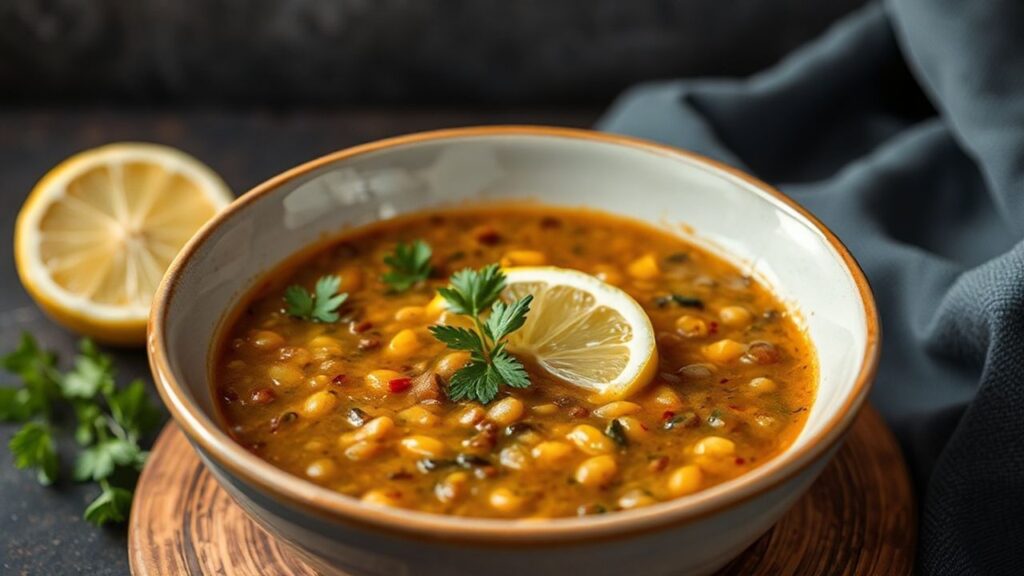
Q&A: Savor the Best Turkish Lentil Soup
This Q&A addresses common technique and flavor questions cooks ask when preparing lentil soup. Each answer reflects tested practice and practical rationale.
Use these responses to troubleshoot texture, seasoning, and make-ahead decisions. They will help you avoid common mistakes and refine results for consistent bowls.
Q1: What makes Turkish lentil soup different from other lentil soups?
Turkish lentil soup, traditionally called Mercimek çorbası, emphasizes a smooth texture from red split lentils and a bright lemon finish. Spices like cumin and smoked paprika provide warmth rather than heat.
For more on the traditional dish and regional variations, consult the reference entry on Mercimek çorbası. That page clarifies common garnish choices and regional ingredient swaps.
Q2: Why should I add lemon to lentil soup?
Lemon brightens the earthy base and balances richness. Acidity also enhances perceived aroma and helps spices pop on the palate.
Adding lemon at the end preserves its volatile aromatics. If you add lemon too early, heat will blunt its floral top notes and reduce freshness.
Q3: How do I perfect the texture of the soup?
Cook lentils until they are fully soft, then purée. If you prefer a slight bite, reserve some cooked lentils and fold them back after blending to retain structure.
For an ultra-silky mouthfeel, finish with a small knob of butter or a splash of neutral oil just off the heat. That adds sheen and smoothness without masking spice flavors.
Q4: Can I make this soup vegan and gluten-free?
Yes. Use vegetable broth and olive oil instead of dairy or meat-based products. The recipe avoids gluten when you skip wheat-containing sides or choose a gluten-free flatbread.
Label all ingredients when serving to guests with allergies. Many commercial broths contain hidden gluten or yeast extracts, so verify product labels.
Q5: What spices or garnishes elevate the final bowl?
Simple additions that add depth include toasted cumin, smoked paprika, a drizzle of chili oil, or chopped fresh parsley. A spoonful of strained yogurt adds tang if not keeping it vegan.
To vary texture, sprinkle toasted seeds or nuts. A fine zest of lemon over each bowl intensifies aroma before serving.
Closing Remarks
Small technical choices—proper sautéing, timely spice toasting, controlled simmering, and a bright citrus finish—define a great Turkish lentil soup. Pay attention to each step and you will consistently produce well-balanced bowls.
Apply the pro tips and storage notes here to make this recipe a reliable weekday staple or a first-course showpiece. Consistent technique yields consistent flavor.
FAQ
Below are short, practical answers to common storage and substitution questions. Keep these tips on hand when planning meals.
How long will the lentil soup keep in the refrigerator?
Stored in an airtight container, the soup keeps 3–4 days refrigerated. Reheat gently and add a splash of broth if it thickens during storage.
Can I freeze this lentil soup?
Yes. Freeze in portions for up to two months. Thaw overnight in the fridge and reheat slowly on the stove to preserve texture and flavor.
Is it okay to use brown or green lentils instead?
Brown or green lentils hold their shape more than red lentils, producing a chunkier soup and different color. Adjust simmer time and expect a firmer bite.
Should lemon be added during cooking or at the end?
Add lemon juice at the end to preserve brightness. Heat reduces acidity and aromatic notes, so finish with lemon for the freshest flavor.
What’s the best bread to serve with Turkish lentil soup?
Warm flatbread, pide, or crusty bread are classic pairings. Choose based on whether you want a chewy dipper or a crusty vehicle for thicker spoonfuls.
See also: lentil soup