
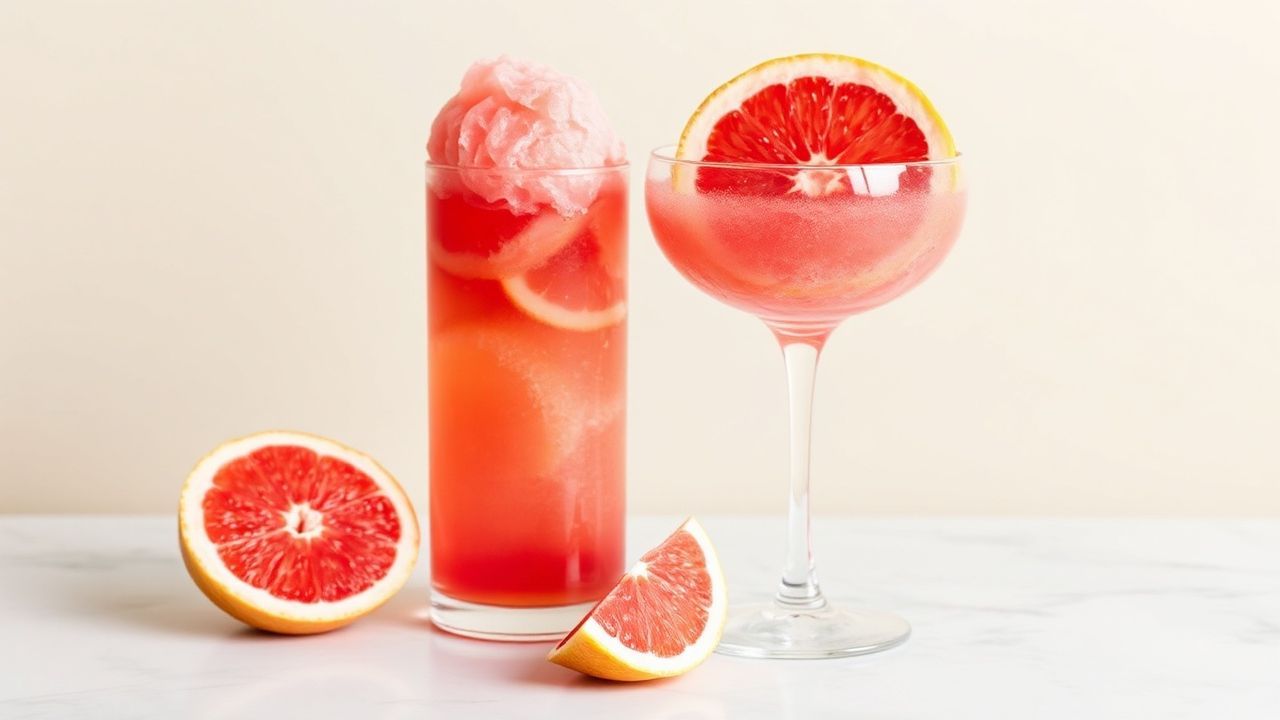
Pink Grapefruit Campari-Free Sorbet turns a bright citrus harvest into a cool, clean dessert with bold tang and a balanced finish. This recipe captures the flavor people love in classic bitter-citrus drinks—yet it stays fully alcohol-free and family-friendly.
- Flavor: bright pink grapefruit + lemon for crisp balance
- Texture: churn then freeze for a scoopable sorbet
- No alcohol: “Campari-free” means zero spirits, all citrus
- Make-ahead: tastes even better after overnight chilling
Unlike gelato or ice cream, sorbet relies on a simple system: fruit acids, sugar, and controlled freezing. Sugar lowers the freezing point, so your sorbet stays soft enough to scoop instead of turning into hard ice.
If you want a palate cleanser between courses or a refreshing finale after brunch, this zesty sorbet fits right in. It also works as a dairy-free dessert base for guests who avoid milk and eggs.
Pink Grapefruit Campari-Free Sorbet Recipe celebrates fresh pink grapefruit juice and grapefruit zest without alcohol. You’ll get a vivid citrus aroma, a clean sweet-tart taste, and a subtle “bittersweet” impression from natural grapefruit compounds and added lemon brightness. The result feels both elegant and effortless, whether you serve it in chilled bowls or coupe glasses.
Why This Pink Grapefruit Sorbet Feels “Bitter-Citrus” Without Alcohol
Campari’s distinctive profile comes from bitter orange notes and botanical flavor elements. You cannot copy that exact cocktail formula in sorbet without using the same ingredients, but you can recreate the experience: tartness, aromatic bitterness, and a lasting citrus finish.
Grapefruit naturally carries bitter compounds, and zest increases aromatic oils that read as “depth” on the palate. Lemon juice then sharpens the top notes so the bitterness feels balanced instead of harsh. For background on how fruit acidity shapes flavor, see acids.
For a helpful chemistry lens on freezing behavior, sugar matters because it changes how water crystallizes. That’s the same core principle behind why freezing point depression helps keep frozen desserts creamy.
Finally, sorbet’s mouthfeel depends on ice crystal size. Churning breaks up crystals, and later freezing firms the texture. If you want more general reading on sorbet style and frozen desserts, Sorbet gives a solid overview.
Next, you’ll control sweetness with a measured sugar amount, then adjust later if needed. Different grapefruit seasons and varieties vary in sweetness, so taste the juice before you commit.
Prep and Cook Time
This recipe stays straightforward, and you can plan around chilling and freezing. The steps split into a quick cook for simple syrup, plus cold time for best texture.
Preparation: 15 minutes
Chilling Time: 1 hour
Freezing Time: 4 hours (or overnight)
Total Time: Approximately 5 hours 15 minutes
Yield and Difficulty Level
You’ll make enough for a small crowd. The sorbet yields about 6 satisfying scoops, depending on your bowl size.
Difficulty Level: Easy. You only need basic kitchen tools plus an ice cream maker for the smoothest result.
Ingredients
Keep ingredients tight and fresh for clean flavor. Fresh juice and zest matter most, because packaged concentrates often taste flat in frozen desserts.
Ingredients list:
- 2 cups pink grapefruit juice (preferably strained; fresh-squeezed works best)
- 1 cup water
- 3/4 cup granulated sugar
- 1 tablespoon freshly squeezed lemon juice
- 1 teaspoon grapefruit zest, finely grated
- Pinch kosher salt
- Optional: 1 teaspoon pure vanilla extract (adds rounded aroma)
Salt helps perception of sweetness and boosts fruit brightness. If you want a quick science reference, salt and taste modulation relate to general flavor chemistry described under saltiness.
For accurate zest technique, a fine grater gets you more aromatic oil with less bitter pith. That matters because bitterness shifts dramatically when you grate too deeply.
Instructions
Follow each step in order, because chilling and freezing time drive texture. If you skip the rest period, ice crystals grow larger and the sorbet can feel icy.
- Combine sugar and water: In a small saucepan, bring water and sugar to a gentle simmer over medium heat. Stir until the sugar fully dissolves into a smooth simple syrup, then cool completely.
- Mix citrus components: In a medium bowl, stir pink grapefruit juice, lemon juice, grapefruit zest, and a pinch of salt until evenly combined.
- Incorporate the syrup: Pour cooled simple syrup into the citrus mixture. If using vanilla extract, stir it in now for even distribution.
- Chill the mixture: Cover and refrigerate at least 1 hour. Cold base freezes faster and churns more consistently.
- Freeze with an ice cream maker: Pour chilled mixture into an ice cream maker and churn according to the manufacturer’s instructions (often 20–25 minutes) until soft-serve consistency forms.
- Harden: Transfer to an airtight container and freeze an additional 3–4 hours so scoops hold shape.
- If no ice cream maker: Pour base into a shallow metal pan. Freeze, then stir vigorously every 30 minutes with a fork to break up crystals until smooth (about 4 hours total).
Churning creates smaller ice crystals for a lighter spoon feel. You can read more about general ice formation in ice, which explains why freezing rate changes crystal structure.
After freezing, let the sorbet sit at room temperature for 3–5 minutes before scooping. This short rest improves scoop edges without melting into liquid.
Tips for Success
Small choices make a big difference with frozen citrus desserts. Aim for ripe fruit, precise strain steps, and careful sweetness.
- Use ripe, juicy grapefruits: Freshly squeezed juice keeps the flavor bright. Strain pulp for cleaner texture.
- Balance sweetness carefully: Grapefruit tartness varies. If your juice tastes very sharp, add an extra 1–2 tablespoons sugar and stir until dissolved.
- Avoid alcohol: This sorbet keeps bitterness “natural” through citrus compounds, not spirits. You’ll still feel depth without adding liqueur.
- For ultra-silky sorbet: Strain through a fine-mesh sieve right before chilling.
- Make ahead: Store in a sealed container up to one week for best quality.
When grapefruit sits before juicing, oxidation can dull aroma. To keep fragrance high, juice soon after slicing and refrigerate covered. Aromas also follow principles described under aroma.
If you want “bittersweet” impact, avoid over-zesting the white pith. Zest only the colored outer layer for smoother bitterness.
Serving Suggestions
Serve this sorbet cold, so the citrus tastes crisp. Chilled bowls and coupe glasses work best because they reduce warming during plating.
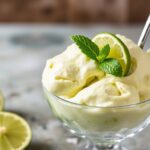
Garnish with fresh mint or a thin grapefruit wheel for visual pop. For crunch and contrast, add crushed pistachios or toasted coconut flakes right before serving.
This sorbet pairs well with light citrus-forward salads, avocado toast, or as a palate cleanser between courses. It also works as a dairy-free dessert between savory bites.
If you want a simple pairing idea with a similar “bitter” vibe, serve alongside plain sparkling water and let guests add their own citrus garnish. The key is freshness, not extra sweetness.
| Nutrient | Per Serving (1 scoop) |
|---|---|
| Calories | 90 |
| Protein | 0.5g |
| Carbohydrates | 22g |
| Fat | 0g |
FAQ
Use these quick answers to troubleshoot texture and flavor. Sorbet outcomes improve when you understand how sugar and chilling affect freezing.
How do I keep Pink Grapefruit Campari-Free Sorbet from turning icy?
Chill the base at least 1 hour, churn properly, and freeze in an airtight container. For scoopable texture, let it sit 3–5 minutes before serving.
Can I substitute other citrus fruits?
Yes, but tartness changes. Try ruby red grapefruit for deeper flavor or add a small amount of lime juice for extra zing.
Is this sorbet vegan and gluten-free?
It’s typically vegan and gluten-free because the base uses fruit juice, sugar, water, and optional vanilla. Always check packaged vanilla if you use a brand with additives.
What if my grapefruit juice tastes too bitter?
Reduce zest next time and strain pulp well. For this batch, balance by stirring in 1–2 tablespoons sugar until the flavor tastes smooth.
Can I make it without an ice cream maker?
Yes. Freeze in a shallow pan and stir every 30 minutes to break up ice crystals. This manual method takes longer but still delivers a creamy scoop.
See also: Pink Grapefruit