
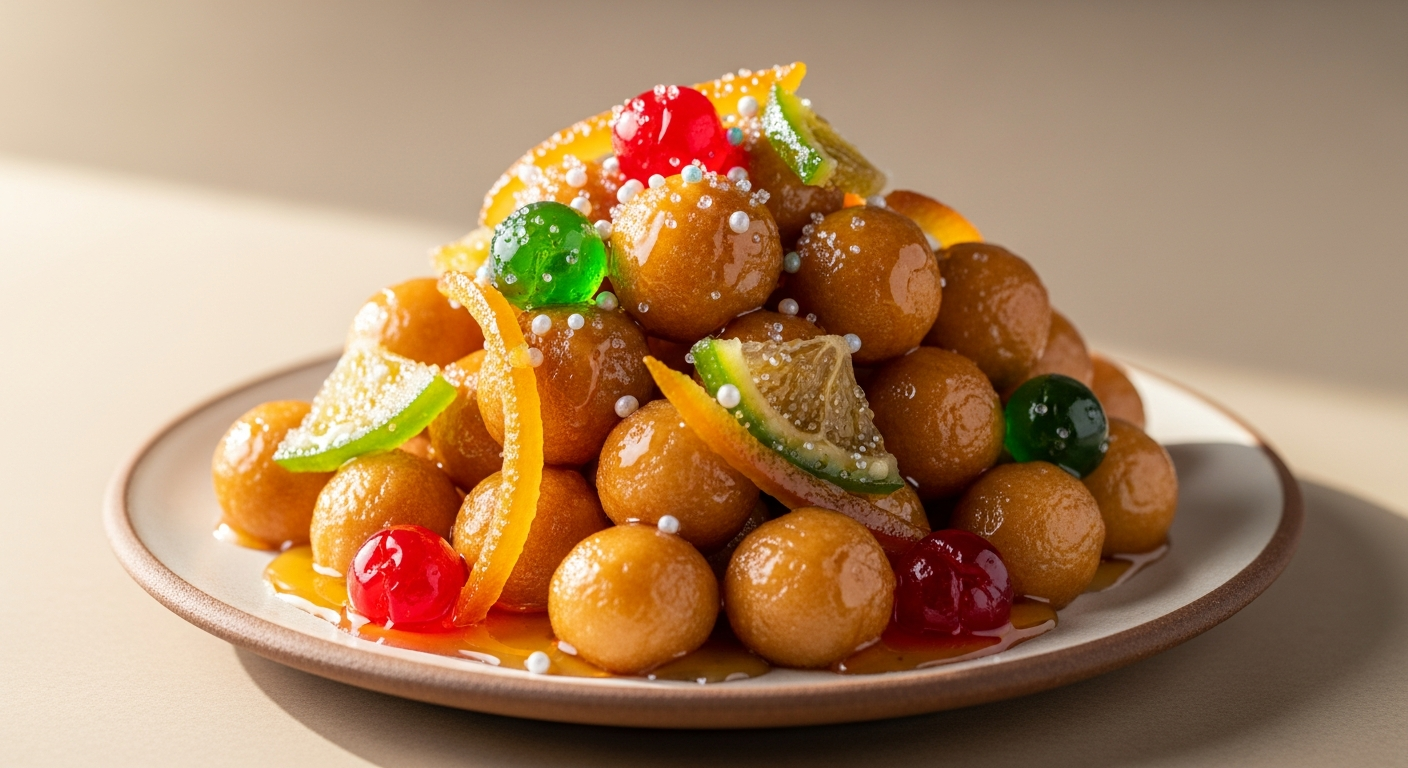
In the heart of Naples, where bustling streets hum with the echoes of ancient tales, a sweet tradition has been delighting palates for generations: Struffoli. These tiny golden orbs, lovingly deep-fried and drenched in fragrant honey, are more than just a festive treat-they are a symbol of joy, family, and cultural heritage. Join us as we embark on a flavorful journey into the world of Neapolitan Honey-Struffoli, uncovering the history, the artistry, and the irresistible sweetness that make this timeless dessert a cherished treasure of Southern Italy.
Neapolitan Honey-Struffoli carry a timeless charm, steeped in centuries of Southern Italian tradition where sweet traditions intertwine family, festivity, and flavor. Originating from the bustling streets of Naples, these tiny golden spheres of fried dough, drenched in fragrant honey and vibrant spices, evoke memories of joyful holiday gatherings and the warmth of generations past. This delicate treat is more than dessert-it’s a celebration of cultural heritage brought to life through intoxicating aromas and texture that delight with every bite.
Prep and Cook Time
Readiness: 30 minutes | Cooking: 20 minutes | Total: 50 minutes
Yield
Serves 6-8, perfect for sharing at festive occasions or indulgent family moments.
Difficulty Level
Medium – approachable with some finesse in dough handling and frying technique.
Ingredients
- 2 cups all-purpose flour, sifted
- 3 tbsp granulated sugar
- 2 large eggs
- 3 tbsp unsalted butter, softened
- 1 tsp pure vanilla extract
- 1 tsp lemon zest, finely grated
- Pinch of salt
- Vegetable oil for frying (about 2 cups)
- 1 cup raw honey (preferably wildflower or orange blossom)
- 1 tbsp freshly squeezed orange juice
- 1 tsp ground cinnamon
- 2 tbsp chopped toasted almonds or mixed candied fruit (optional garnish)
Instructions
- Prepare the dough: In a large mixing bowl, combine the sifted flour, sugar, and salt. Create a well in the center, then add the eggs, softened butter, vanilla extract, and lemon zest. Mix gently to begin forming a dough.
- Knead the dough: Transfer to a lightly floured surface and knead for about 8 minutes until smooth and elastic. Wrap in plastic wrap and rest for 30 minutes to relax the gluten.
- Shape the struffoli: Roll the dough into small ropes approximately ¼ inch thick. Cut into ½ inch pieces to form tiny balls. Aim for uniform size to ensure even frying.
- Heat the oil: In a deep saucepan or fryer, heat vegetable oil to 350°F (175°C). Use a thermometer for accuracy, as temperature control is key to a crisp texture.
- Fry the dough balls: Fry the dough in batches,stirring gently and frying for 2-3 minutes or until they puff and turn golden brown. Remove with a slotted spoon and drain on paper towels to remove excess oil.
- Infuse the honey glaze: In a medium saucepan, warm the honey over low heat. Stir in orange juice and cinnamon to bring a fragrant, zesty depth that complements the warm dough perfectly.
- Toss the struffoli: Add the fried dough balls to the honey mixture and gently toss to coat every piece thoroughly before transferring to a serving dish.
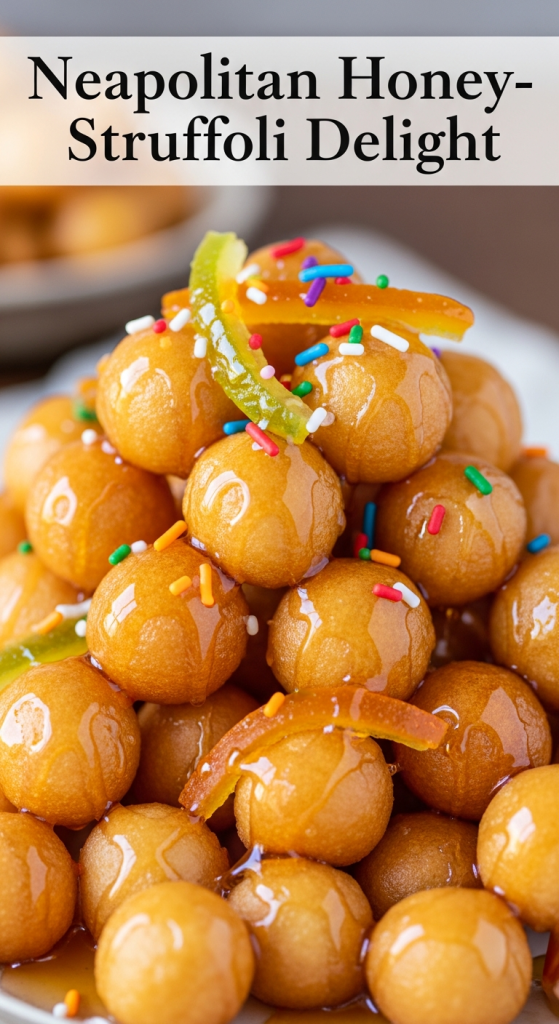
- Garnish and serve: Sprinkle with toasted almonds or colorful candied fruit for visual contrast and a delightful crunch.Allow to cool slightly before serving to let the honey set beautifully.
Tips for Success When Making neapolitan Honey-Struffoli
- Consistency is king: Roll the dough evenly to ensure the struffoli cook uniformly. Uneven pieces can fry too fast or remain undercooked inside.
- Honey selection: Opt for a high-quality, naturally floral honey like wildflower or orange blossom to authentically enhance the flavor profile.
- Oil temperature: Monitor the oil closely. Too hot and the struffoli will burn on the outside but stay raw inside; too cool and they will absorb excess oil and become greasy.
- Make-ahead: Struffoli can be prepared a day in advance and kept in an airtight container. Before serving,briefly warm in the honey glaze to refresh their delectable shine.
- Variations: For a nutty dimension, try finishing with crushed pistachios or drizzle with a touch of melted dark chocolate for a modern twist.
serving Suggestions for festive Enjoyment
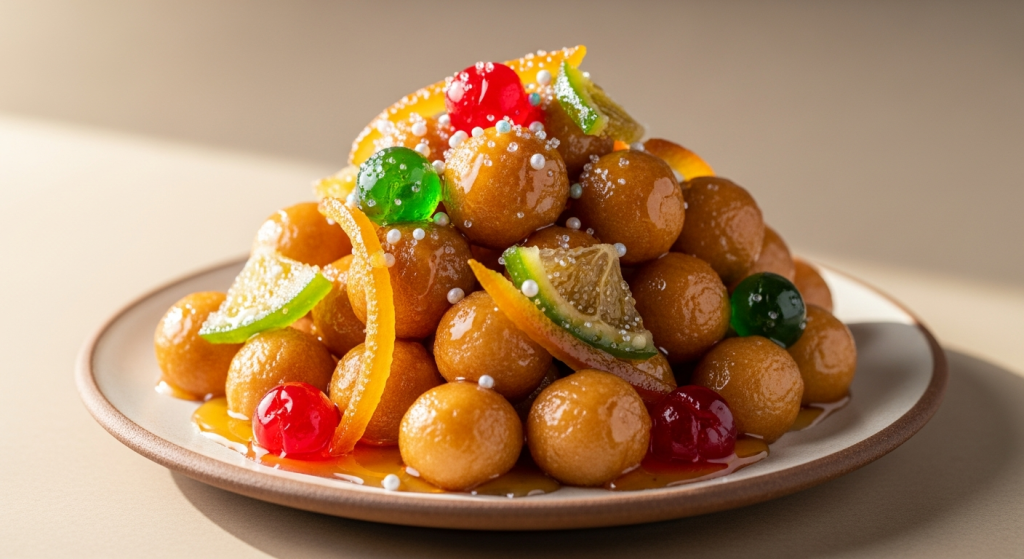
Arrange the honey-coated struffoli in a shallow decorative bowl or traditional plate to showcase their golden glow. Garnished with vibrant candied citrus peel, chopped nuts, or a sprinkle of powdered sugar, they become as visually stunning as they are delicious. Pair with crisp, unsweetened espresso or a spiced herbal tea to balance the sweetness. Ideal for holiday tables, family celebrations, or any moment when you want to share a piece of Neapolitan warmth and heritage.
| Nutrient | Per Serving |
|---|---|
| Calories | 320 kcal |
| Protein | 5 g |
| Carbohydrates | 45 g |
| Fat | 12 g |
For an enriching dive into other classic Italian desserts, explore our guide on Classic Neapolitan Desserts. To better understand the engaging cultural history of this beloved dish, visit Encyclopedia Britannica’s feature on Struffoli.
Q&A
Q&A: Sweet Traditions – Exploring Neapolitan Honey-Struffoli Delight
Q1: What exactly are Struffoli, and why are they notable in Neapolitan culture?
A1: Struffoli are tiny, deep-fried dough balls, traditionally coated in honey and decorated with colorful sprinkles or candied fruit. This sweet treat is a hallmark of Neapolitan Christmas celebrations, symbolizing abundance and joy. Their golden hue and sweet glaze make them not only a delight to the palate but also a feast for the eyes, deeply rooted in centuries-old holiday customs.
Q2: How is honey used in the preparation of struffoli, and what makes it so special?
A2: Honey is the heart and soul of Struffoli. After frying the dough balls to a perfect crunch, they’re drenched in warm, fragrant honey that binds them together in a glossy, sticky embrace. The honey adds natural sweetness and a floral complexity that elevates this humble dessert, frequently enough made from local varietals harvested in the sunny hills surrounding Naples.
Q3: Are there any unique ingredients or techniques that set Neapolitan Struffoli apart from other honey-sweetened treats?
A3: Absolutely! The dough for Struffoli is simple yet special-flour, eggs, a hint of citrus zest, and a touch of anise or vanilla for aroma. One secret technique is rolling the dough into tiny, uniform pieces to ensure even frying and that signature crispy exterior paired with a tender inside. The honey is warmed gently to coat the balls evenly without melting the festive sprinkles, creating a perfect balance of textures.
Q4: Can Struffoli be enjoyed outside of the festive season?
A4: While Struffoli shine brightest during Christmas, their enchanting sweetness and crunchy bite make them a year-round treat. Many families keep this tradition alive for special celebrations like birthdays or weddings. Plus, their bite-sized nature makes them perfect as a snack or a sweet finish to any Italian meal.
Q5: How do Neapolitans typically serve and present Struffoli during the holidays?
A5: Presentation is a joyful ritual. Struffoli are often piled high in a festive mound or shaped into wreaths and rings, symbolizing unity and prosperity. They’re adorned with shining nonpareils, candied orange slices, and sometimes crushed nuts, turning each plate into a vibrant centerpiece that invites sharing and merriment around the table.
Q6: Are there any contemporary twists on the traditional struffoli recipe?
A6: Modern chefs and home cooks alike have begun experimenting with infusions like citrus-flavored honey, a sprinkle of cinnamon, or adding finely chopped nuts for extra crunch.Some even drizzle melted dark chocolate over the honey-glazed balls for a fusion of flavors.Yet, every variation pays homage to the original, celebrating Neapolitan heritage in imaginative ways.
Q7: Where can someone outside Naples experience authentic Struffoli?
A7: Authentic Struffoli can often be found in Italian bakeries worldwide during the holiday season, especially in communities with strong Neapolitan roots. For the truly immersive experience, visiting Naples during Christmas offers the chance to enjoy fresh Struffoli in family-run trattorias and bustling markets, surrounded by traditions as rich as the honey glaze itself.
Q8: What makes honey an essential ingredient beyond flavor in Neapolitan Struffoli?
A8: Beyond imparting sweetness and aroma, honey acts as the binding agent, gluing the tiny dough balls into clusters that are easy to share and savor. Its natural stickiness enables an eye-catching presentation, while its symbolic association with prosperity and health deepens Struffoli’s cultural resonance during festive times.
Q9: Can Struffoli be paired with other traditional Italian sweets or beverages for a complete dessert experience?
A9: Indeed! Struffoli complement other regional confections such as Neapolitan ricotta-filled pastries or candied fruits. For beverages, aromatic herbal teas or rich espresso highlight the honey’s floral notes and balance the fried dough’s richness, creating a harmonious and authentically warm Italian finale to a meal.
Q10: How can home cooks recreate the magic of Neapolitan Struffoli in their own kitchens?
A10: Start with simple, quality ingredients and patience for the frying process-small, consistently sized dough balls are key. Use pure, floral honey and warm it before coating. Decorate with colorful sprinkles and perhaps a touch of zest or cinnamon for personal flair. Moast importantly, embrace the tradition of sharing this sweet - Struffoli are not just a dessert, but a celebration of life, family, and joy.
The Way Forward
As the golden strands of honey glaze each delicate sphere, Neapolitan Struffoli emerges not just as a dessert, but as a shimmering thread woven through generations of tradition. This sweet symphony of flavors tells a story of celebration, family, and the timeless art of Italian confectionery. whether enjoyed during festive gatherings or as a simple indulgence, the honey-drizzled Struffoli invites us to savor more than just a treat-it invites us to taste the rich heritage and warm spirit of Naples itself. So the next time you bite into these glistening pearls of delight, remember you’re partaking in a tradition as sweet and enduring as the honey that binds them.