

Stepping into the world of Korean cuisine, one cannot overlook the comforting embrace of a bubbling pot of kimchi beef and tofu stew.This hearty dish marries bold, tangy kimchi with tender beef and silky tofu, creating a symphony of flavors that warms both body and soul. Rooted deeply in tradition yet beloved across generations, this stew is more than just a meal-it’s a flavorful story of resilience, culture, and the art of balancing spice and savor. Join us as we explore the rich history, vibrant ingredients, and step-by-step crafting of this Korean classic that continues too captivate taste buds worldwide.
Exploring the Rich Flavors Behind Kimchi Beef and Tofu Stew
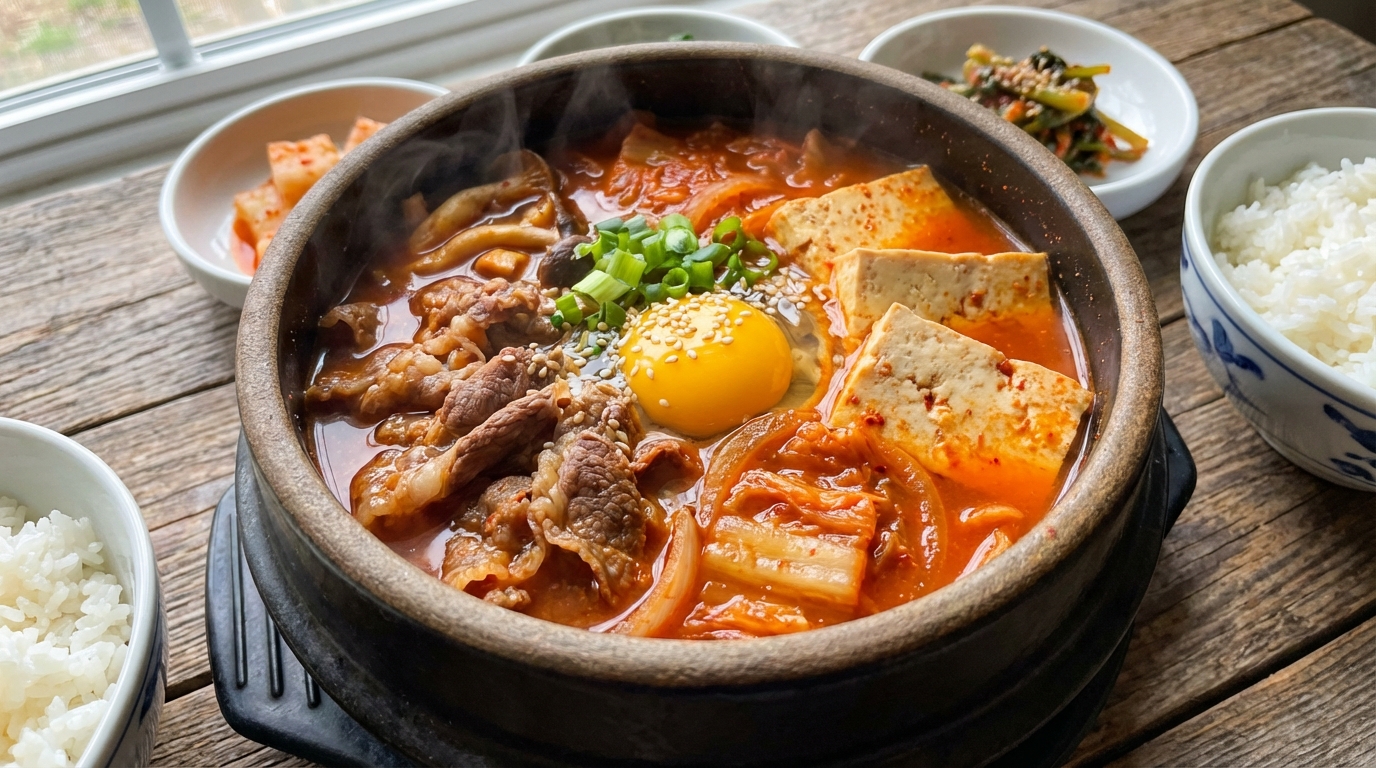
Hearty kimchi beef and tofu stew is a soul-warming Korean classic that masterfully balances bold, spicy tangs with comforting, savory depth. This vibrant stew, or jjigae, has long been a cherished staple in Korean homes, evolving as a perfect harmony between aged kimchi’s vibrant acidity, tender beef’s umami richness, and silken tofu’s soothing texture. Drawing from my years as a Culinary Content Creator and food Stylist, I can attest that its complex flavor profile and satisfying mouthfeel make it a truly unforgettable dish-one that invites you to cozy up and savor every hearty spoonful.
Prep and Cook Time
- Prep Time: 20 minutes
- Cook Time: 40 minutes
- Total Time: 1 hour
Yield
Serves 4 generous portions
Difficulty Level
Medium – approachable for adventurous home cooks who appreciate layering flavors

Selecting the Perfect Ingredients for Authentic Taste and Texture
The magic of this hearty kimchi beef and tofu stew begins with fresh, quality ingredients. for an authentic experience,use well-fermented,tangy kimchi-ideally aged at least a month to develop that bold depth and natural sourness. When choosing beef, thinly sliced chuck or brisket works beautifully, melting tenderly into the stew without overpowering the delicate sauce.Silken or soft tofu adds a creamy contrast that complements the spicy broth, so handle it gently to preserve its shape and mood-pleasing softness.
Ingredients
- 2 cups kimchi, chopped, with juice reserved
- 300g (10 oz) beef chuck, thinly sliced against the grain
- 1 block (400g) firm or silken tofu, cut into 1-inch cubes
- 1 medium yellow onion, sliced thinly
- 3 cloves garlic, minced
- 1 tablespoon Korean red pepper flakes (gochugaru)
- 1 tablespoon Korean red pepper paste (gochujang)
- 1 tablespoon soy sauce
- 1 teaspoon sesame oil
- 4 cups beef broth or water with bouillon
- 2 green onions, chopped for garnish
- 1 teaspoon sugar (optional, balances kimchi acidity)
- Salt and freshly ground black pepper, to taste
Step by Step Guide to Crafting a Comforting korean Classic
- Prepare your beef: Pat the thinly sliced beef dry and season lightly with salt and pepper to enhance its natural flavor.
- Sauté aromatics: Heat a heavy-bottom pot over medium heat and add the sesame oil. Sauté the minced garlic and sliced onion until fragrant and translucent, about 3-4 minutes.
- Brown the beef: Add beef to the pot, stirring frequently until just browned, about 5 minutes. This step locks in juicy richness.
- Introduce kimchi and spices: Add the chopped kimchi with its juice, Korean red pepper flakes (gochugaru), and red pepper paste (gochujang). Stir well to coat the beef and aromatics in the vibrant red chili paste.
- Simmer the broth: Pour in the beef broth, bring the stew to a gentle boil, then reduce to a simmer. Let it cook uncovered for 30 minutes, allowing flavors to marry and the kimchi to tenderize thoroughly.
- Add tofu and seasoning: Gently slide tofu cubes into the simmering stew. Add soy sauce and,if desired,a teaspoon of sugar to balance acidity. Simmer for an additional 10 minutes, stirring carefully to avoid breaking the tofu.
- Final touches: Taste and adjust salt and pepper accordingly. Finish with chopped green onions for a fresh pop of color and mild bite.
Tips and Variations to Customize Your Hearty Kimchi Stew
Versatility is key in making this stew your own. Swap beef for thinly sliced chicken or a lean cut of lamb for a twist on protein.
For a vegan choice, omit beef and substitute vegetable broth, doubling down on kimchi and mushrooms for depth. Add mushrooms like shiitake or oyster for meaty textures that absorb and echo the spicy broth beautifully.
If you prefer milder heat, reduce gochugaru or skip gochujang altogether, but never compromise on the kimchi’s tang-that’s the heartbeat of the stew.
Make ahead tip: This stew develops even more complexity after a day in the fridge-simply reheat gently before serving. The tofu will soak in the flavors even more.
Serving Suggestions
Serve this hearty kimchi beef and tofu stew steaming hot in rustic bowls, accompanied by fluffy white rice to soak up the luscious broth. Garnish with extra chopped green onions and a drizzle of toasted sesame oil for an aromatic finish. For authenticity and texture contrast, pair with crunchy kimchi pancakes (kimchi jeon) or lightly blanched spinach seasoned with garlic and sesame.
| Nutrient | Per Serving |
|---|---|
| Calories | 350 kcal |
| Protein | 28 g |
| Carbohydrates | 12 g |
| Fat | 18 g |
For more on Korean home cooking essentials, check our detailed guide on Classic Korean Bulgogi. For health benefits of fermented foods like kimchi, visit the NCBI Food Science Archive.
Q&A
Q&A: Hearty Kimchi Beef and Tofu Stew – A Flavorful Korean Classic
Q1: What makes Kimchi Beef and Tofu Stew a staple in Korean cuisine?
A1: This stew, known in Korea as “Kimchi Jjigae,” is cherished for its bold, comforting flavors and satisfying texture.Combining the tangy, spicy depth of aged kimchi with tender beef and silky tofu creates a perfect harmony that warms the soul and celebrates customary Korean home cooking.
Q2: Why is beef used in this stew instead of other proteins?
A2: Beef adds a rich, meaty backbone that complements the shining, fermented tang of kimchi. Its hearty texture holds up well during simmering, infusing the broth with a savory depth that elevates the dish beyond a simple vegetable stew, making it deeply satisfying and nourishing.
Q3: Can I use fresh kimchi, or does the stew require aged kimchi?
A3: While fresh kimchi works in a pinch, aged kimchi is preferred as it offers a stronger, more complex sourness and spiciness, which enrich the stew’s flavor. The longer fermentation time means the kimchi brings a vibrant punch that truly defines the dish’s character.
Q4: What role does tofu play in this traditional stew?
A4: Tofu provides a gentle contrast to the spicy, robust broth. its soft, creamy texture soaks up the stew’s flavors while balancing the dish’s heat, making every spoonful tender and satisfying. It also adds a protein boost for a well-rounded meal.
Q5: Are there essential seasoning ingredients I should never skip?
A5: Absolutely. Korean chili flakes (gochugaru), garlic, and fermented soybean paste (doenjang) or korean chili paste (gochujang) are key to authentic seasoning.These ingredients layer complexity and umami, turning simple kitchen staples into a deeply flavorful stew.
Q6: How long should the stew simmer to develop the best flavor?
A6: Ideally, the stew should simmer gently for 30 to 45 minutes. This allows the beef to become tender and the kimchi to fully infuse the broth,creating a rich tapestry of flavors. The tofu is typically added near the end so it retains its delicate texture.
Q7: Can this stew be made in advance and reheated?
A7: Yes! Actually, Kimchi Beef and Tofu Stew frequently enough tastes even better the next day, after the flavors meld further. Just reheat gently on the stove to preserve the tofu’s texture and enjoy the deeply developed aroma.
Q8: What are traditional side dishes that pair well with this stew?
A8: Steamed rice is a must to soak up the vibrant broth. Complement it with simple Korean banchan such as seasoned spinach (sigeumchi namul), pickled radish, or savory pancakes (jeon) for a complete, balanced meal that highlights the stew’s fiery soul.
Q9: Is this stew suitable for those seeking gluten-free options?
A9: Yes, by choosing gluten-free soy sauce and ensuring that gochujang or other pastes are gluten-free, the stew easily fits a gluten-free diet. The main ingredients-beef,kimchi,tofu,and vegetables-are naturally gluten-free and wholesome.
Q10: How can home cooks adjust the spice level?
A10: Adjust the quantity of gochugaru or fresh chilies based on your heat tolerance. Removing the stew from heat once spiced nicely helps preserve the flavors without overwhelming the palate. Adding a touch of sweetness with a small amount of sugar or grated pear can also balance excessive heat.
this Q&A aims to inspire both novice and experienced home cooks to explore the rich tradition of Kimchi Beef and Tofu Stew, bringing a taste of Korea’s comforting culinary heritage into every kitchen.
In Summary
As the rich aroma of the Hearty Kimchi Beef and Tofu Stew fills your kitchen, you’re not just savoring a meal-you’re experiencing a vibrant tapestry of Korean culinary tradition. This stew, with its perfect balance of spicy, savory, and tangy flavors, embodies the warmth and comfort found in every shared bowl. whether you’re a seasoned enthusiast of Korean cuisine or embarking on your first flavorful journey, this classic dish invites you to explore the depth of simple ingredients transformed by time-honored techniques.
So next time you crave something both nurturing and bold, let this kimchi stew be your tasty reminder that true comfort frequently enough simmers slowly, one bite at a time.