
In the bustling heart of hong Kong’s vibrant culinary tapestry lies a dessert that’s both simple and sublime: mango pudding. With its luscious, velvety texture and radiant golden hue, this humble sweet treat has transcended mere refreshment to become an emblem of local indulgence.”Silky Indulgence: The art of Hong Kong Mango pudding” invites you to dive spoon-first into the fascinating world behind this iconic dessert – exploring the careful balance of tropical freshness, silky smoothness, and artful presentation that has enchanted taste buds for generations. More than just a pudding, it’s a sensory journey that captures the essence of Hong Kong’s love affair with mangoes, tradition, and innovative flavor alchemy.
The Origins and Cultural Meaning of Hong Kong Mango Pudding
silky indulgence is at the heart of this beloved Hong Kong mango pudding, a dessert that embodies more than just flavor – it carries the cultural essence of a city known for its vibrant culinary fusion. Originating in bustling Hong Kong tea houses during the mid-20th century, mango pudding quickly became a cherished staple for locals seeking a refreshing, tropical treat with a luxuriously smooth texture. This dessert isn’t merely a pudding; it reflects Hong Kong’s colonial history,blending Western gelatin-based techniques with tropical Asian fruits,symbolizing a sweet harmony of East and West.
Growing up, I remember sitting by the windows of a famed Cantonese restaurant, watching the neon lights twinkle as servers brought mango pudding on delicate porcelain plates. The dessert’s velvety silkiness and vibrant mango aroma woudl instantly evoke joy and comfort – a sentiment shared by generations.
Prep and Cook Time
- Planning: 15 minutes
- Chilling: 3 hours minimum
- Total Time: 3 hours 15 minutes
yield
Serves 4 elegantly sized portions
Difficulty level
Easy – perfect for dessert enthusiasts looking to master silky textures with minimal effort
Ingredients
- 2 ripe mangoes, peeled and cubed (about 2 cups)
- 1 cup whole milk
- 1 cup heavy cream
- 1/2 cup granulated sugar
- 2 tablespoons powdered gelatin
- 3 tablespoons hot water (to bloom gelatin)
- 1 teaspoon fresh lemon juice (enhances mango brightness)
- Optional topping: fresh mango slices, mint leaves, or a drizzle of coconut cream
instructions
- Bloom the gelatin: In a small bowl, sprinkle the powdered gelatin over 3 tablespoons of hot water.Stir gently and let it bloom for 5 minutes, ensuring it becomes fully dissolved and smooth.
- Prepare the mango puree: Reserve a few mango slices for garnish and blend the rest of the mango cubes until smooth and creamy. Add lemon juice to brighten the flavor layer subtly.
- Heat the dairy mixture: In a saucepan over medium heat, combine the milk, heavy cream, and sugar.stir gently until the sugar dissolves entirely. Avoid boiling to preserve the cream’s silky notes.
- Combine gelatin and dairy: Remove the saucepan from heat. Stir the bloomed gelatin into the warm cream mixture until fully incorporated.
- Mix mango puree: Add the mango puree to the cream and gelatin mixture. Whisk gently until perfectly blended, ensuring a uniform silky texture that melts on the tongue.
- Pour and chill: Divide the mixture evenly into 4 serving molds or ramekins. Cover with plastic wrap and refrigerate for at least 3 hours,or until fully set with a smooth,firm yet delicate wobble.
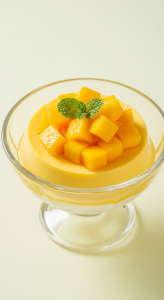
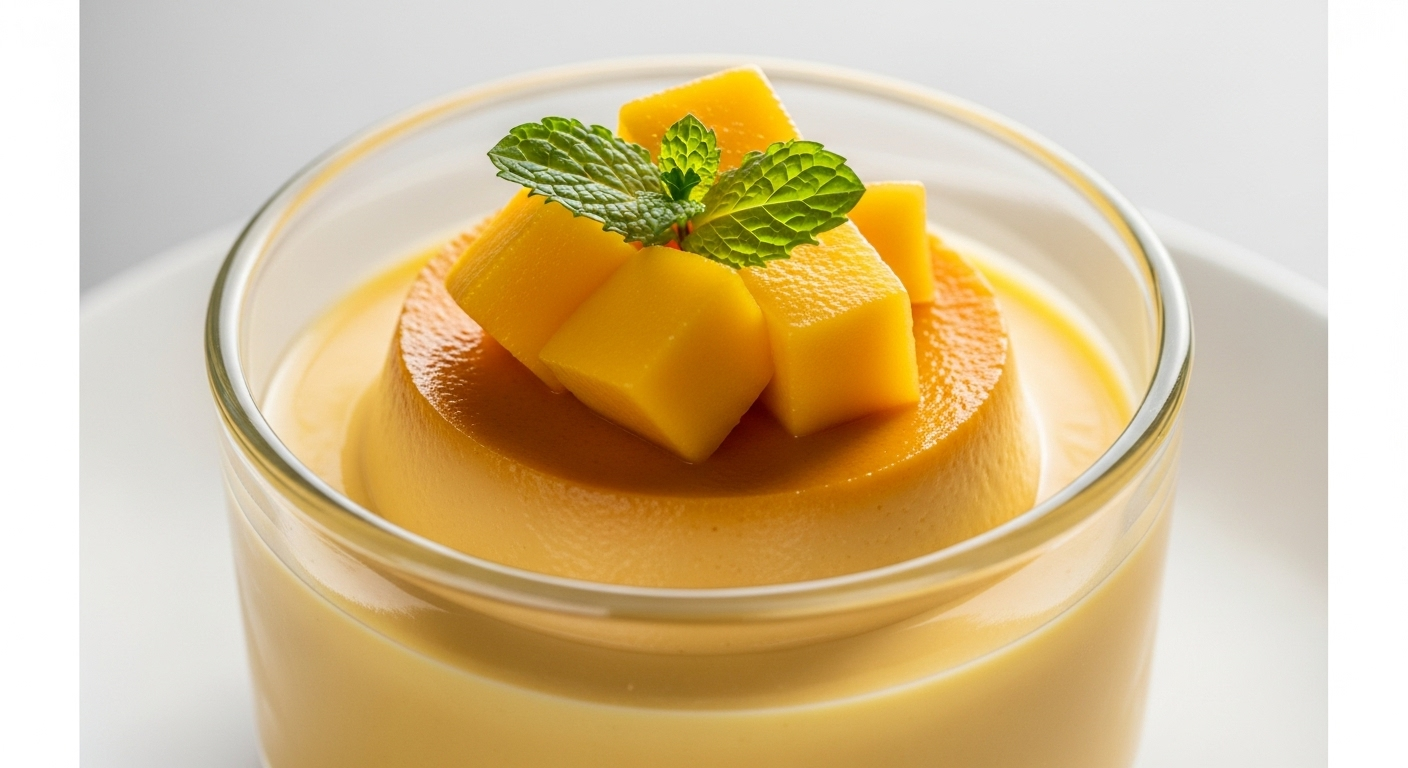
- presentation: Unmold the pudding onto elegant glass dessert plates or serve directly in ramekins. Garnish with reserved mango slices, a sprig of fresh mint, or a light drizzle of coconut cream for a luscious finishing touch.
Tips for Success: Mastering the Perfect Silky Texture Through Ingredient Precision
- Use ripe but firm mangoes: Fully ripe mangoes deliver sweetness and silkiness, but they should hold their shape to create those inviting mango chunks on top.
- Precisely measure gelatin: Too much can yield a rubbery texture; too little results in a pudding that won’t set. Bloom gelatin properly to avoid lumps.
- Whisk gently but thoroughly: To avoid aeration, whisk until smooth, ensuring the pudding sits dense yet light and velvety.
- Chill time is key: Allow at least 3 hours to achieve the classic refrigeration-set silkiness characteristic of Hong Kong mango pudding.
- Adjust sweetness carefully: The natural sugar from mangoes varies – taste as you go and balance with added sugar to suit your preference.
Unlocking Flavor Layers with Fresh Mango and Cream infusions
The essence of this dessert lies in balancing fresh mango’s tropical fragrance with the richness of cream and silky gelatin. The gentle incorporation of lemon juice highlights mango’s natural brightness without overpowering it. For an elevated layer of luxury, a subtle infusion of vanilla bean or a light touch of coconut cream can deepen the flavor profile, creating harmony that lingers on your palate long after the last bite.
Expert Tips for Presentation and Serving to Elevate the Experience
How you present this dessert transforms an everyday indulgence into a captivating experience.Serve mango pudding in clear glassware to showcase its golden hue.Top with fanned mango slices and tiny mint leaves for contrast. A drizzle of coconut cream not only adds visual flair but introduces a refreshing tropical balance.For special occasions, sprinkle crushed pistachios or edible flowers beside the pudding to evoke a gourmet ambiance. Pair with a chilled jasmine tea or fruity mocktail to complete this sensory journey.
| nutrition (Per Serving) | Amount |
|---|---|
| Calories | 285 kcal |
| Protein | 4 g |
| Carbohydrates | 30 g |
| Fat | 17 g |
For more inspiration on silky desserts and tropical flavors, explore our tropical dessert recipe collection. To delve into the fascinating science behind gelatin setting techniques, visit this expert guide on gelatin chemistry.
Q&A
Q&A: Silky Indulgence – The Art of Hong Kong Mango Pudding
Q1: What makes Hong Kong mango pudding stand out from other mango desserts?
A1: Hong Kong mango pudding is celebrated for its uniquely smooth and silky texture, a delicate balance between creamy richness and refreshing fruitiness. Unlike chunky mango desserts, it melts effortlessly on the palate, offering a luscious experience that highlights the tropical sweetness of fresh mangoes without overwhelming heaviness.
Q2: How is the signature silky texture of Hong kong mango pudding achieved?
A2: The secret lies in the precise combination of ingredients and technique. Typically, ripe mango puree is blended with gelatin or agar-agar to set the pudding, combined with evaporated milk or fresh cream to provide that velvety mouthfeel. Gentle stirring and proper chilling time ensure the pudding holds firm yet remains tender and soft.
Q3: What kind of mangoes are ideal for making authentic Hong Kong mango pudding?
A3: The best mangoes for this dessert are aromatic and sweet with a smooth, buttery flesh-such as the Ataulfo or Nam Dok Mai varieties. Their naturally vibrant color and intense flavor infuse the pudding with a deep tropical essence that defines the dessert’s character.
Q4: Is Hong Kong mango pudding always served chilled?
A4: Yes, serving mango pudding chilled is essential. The cool temperature enhances its refreshing qualities, especially in hong Kong’s humid climate. Chilling also allows the pudding to set perfectly, making it easy to slice and giving it that classic, elegant wobble.
Q5: are there any cultural or historical reasons behind the popularity of mango pudding in Hong kong?
A5: Mango pudding’s rise to fame in Hong Kong is closely tied to the city’s fusion culinary culture. Emerging from tea cafes and fast-paced eateries in the late 20th century, it became a beloved modern dessert that bridges Western techniques (like gelatin setting) with local tropical ingredients. It embodies the city’s knack for reinventing traditional flavors with a contemporary twist.
Q6: Can Hong Kong mango pudding be adapted for special diets?
A6: Absolutely! For a vegan twist, agar-agar can replace gelatin, and coconut milk or almond milk can substitute dairy while maintaining creaminess. Additionally, natural sweeteners like honey or maple syrup can tweak the sweetness level without compromising the pudding’s signature flavor.
Q7: What are common garnishes or accompaniments served with mango pudding?
A7: Mango pudding frequently enough shines with a topping of fresh mango cubes or a drizzle of mango coulis. Some variations include a dollop of whipped cream, mint leaves for brightness, or a handful of tapioca pearls to add subtle texture contrasts.
Q8: How does the art of making Hong Kong mango pudding reflect the city’s culinary spirit?
A8: The pudding exemplifies Hong Kong’s blend of tradition and innovation-respecting natural ingredients like lush mangoes while adopting modern culinary techniques to elevate a simple fruit into a sophisticated dessert. It’s a sweet symbol of the city’s dynamic, cosmopolitan flavor profile and passion for unforgettable taste experiences.
Dive into the silky indulgence of hong Kong mango pudding, where every spoonful is a harmony of tropical sunshine and creamy delight-pure artistry in a dessert form!
to sum up
As the final spoonful of Hong Kong mango pudding melts on your tongue, you’re left with more than just a sweet taste-it’s an invitation to savor the delicate balance of tradition, texture, and tropical brightness that defines this beloved dessert. Silky indulgence,indeed,encapsulates not only the pudding’s luscious smoothness but also the decades of culinary artistry behind it. Whether enjoyed at a bustling dai pai dong or crafted lovingly at home, mango pudding remains a vibrant symbol of Hong Kong’s rich dessert heritage-a refreshing testament to how simple ingredients can transform into an unforgettable experience.So next time you seek a taste of sunshine wrapped in silken charm, remember the humble mango pudding and the timeless art it celebrates.