
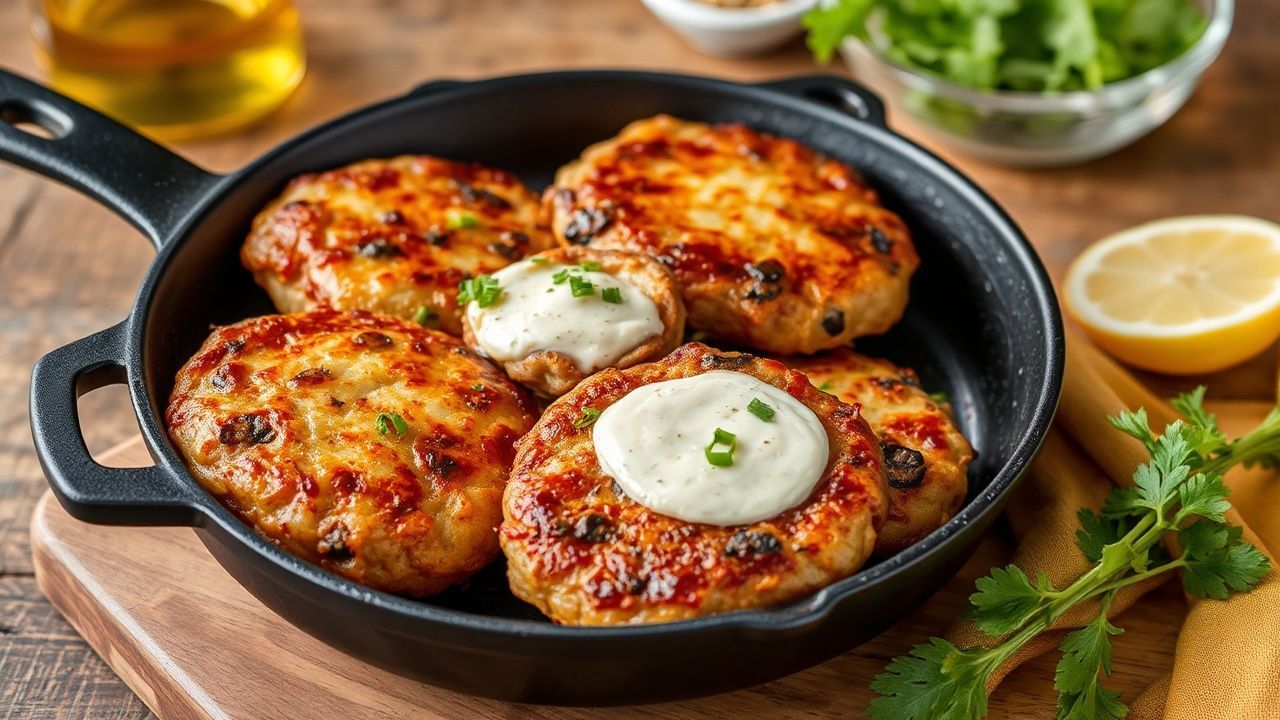
Imagine a dish that feels like home: warm, savory, and comfort food in every bite. German frikadellen are pan-fried meat patties with a crisp crust and a juicy center, served in kitchens across Germany.
- Origins and Cultural Significance of German Pan-Fried Frikadellen
- Mastering the Perfect Frikadellen Texture and Flavor Profile
- Essential Ingredients and Seasoning Tips for Authentic Taste
- Prep and Cook Time
- Yield
- Difficulty Level
- Step-by-Step Instructions
- Tips for Success
- Serving Suggestions and Customary Accompaniments
- Q&A
At a Glance
- Best texture comes from gentle mixing and short chilling.
- Pan heat matters: medium heat builds crust without drying the inside.
- Classic flavor uses onions, herbs, mustard notes, and nutmeg (lightly).
- Serve smart with potato salad, spaetzle, or tangy pickles.
Weatherproof it for family meals or plan a picnic. Whether you serve them hot from the skillet or reheat later, German frikadellen keep their appeal because the method favors both flavor and structure.
You’ll also notice their cultural role in everyday German cooking. Frikadellen belong to the wider world of meat patties and pan-fried comfort dishes that many cultures enjoy, and they fit that tradition with a distinctly German spice balance.
Origins and Cultural Significance of German Pan-Fried Frikadellen
German frikadellen grew from the practical side of home cooking. Families wanted filling meals that used common ingredients and stretched them into something satisfying.
Across German regions, you may see small shifts in seasoning and meat choice, but the core idea stays the same. The patties rely on a well-seasoned meat mixture, then cook in a pan for a browned exterior.
If you want a wider context for this cooking style, explore how European comfort dishes share techniques like pan-browning and seasoning builds. Reference points in cooking history help explain why simple methods became lasting traditions, as described in Cuisine.
You can also connect the idea of meat patties to the broader category of meatballs, even though frikadellen take a distinct pan-fried shape and bite. That comparison helps you understand the texture goal: firm outside, tender inside.
Mastering the Perfect Frikadellen Texture and Flavor Profile
Texture starts with moisture control and binding. Use soaked breadcrumbs for tenderness, but avoid over-soaking so the mixture stays firm enough to hold shape in the pan.
For flavor, think in layers instead of one strong spice. Onions add sweetness, herbs add freshness, and mustard powder or a small mustard note gives the savory profile a gentle lift.
Use the right meat blend for the bite. A mix such as beef with veal tends to stay tender, while turkey can give a lighter feel. This approach aligns with basic food science: fat and protein balance helps retain juiciness during browning, as discussed in meat.
Pan-frying supports the crust. Medium heat encourages browning reactions without forcing the patties to dry out too quickly. Keep turning minimal at first so the surface can form a stable crust.
Essential Ingredients and Seasoning Tips for Authentic Taste
Authentic German frikadellen depend on straightforward ingredients. Start with quality ground meat, fresh onions, and herbs you can smell when you chop them.
Breadcrumbs act as a gentle binder. Day-old bread tends to soak evenly and absorbs liquid without turning the mixture watery. This is why a breadcrumb base often appears across European recipes, including those in the wider bread tradition.
Season with care. Salt and black pepper should be present in every batch, while nutmeg works best as a light background note. For herb character, parsley stays classic, and marjoram adds a warm, old-world feel.
To understand mustard’s flavor role, use it like a seasoning, not a sauce. Mustard brings acidity and pungency in small doses, which supports the savory meat instead of masking it. Learn more about the mustard plant and culinary use in Mustard.
If you want a classic list, measure consistently. Below is a proven ingredient set that matches the traditional pan-fried format.
- 500g ground beef (about 80% lean)
- 1 medium onion, finely chopped
- 1 cup fresh breadcrumbs (from day-old crusty bread)
- 1 large egg
- 2 tbsp whole milk
- 2 tsp Dijon mustard
- 1 tsp sea salt
- ½ tsp freshly cracked black pepper
- ½ tsp ground nutmeg
- 2 tbsp fresh parsley, finely chopped
- 2 tbsp vegetable oil (for frying)
- 1 tbsp unsalted butter (optional, for richer browning)
Prep and Cook Time
German frikadellen fit a busy schedule because prep stays simple. You get a reliable result without special equipment.
Use this timing plan as your starting point. Cooking speed depends on patty thickness and how hot your skillet runs.
- Preparation: 20 minutes
- Cooking: 15 minutes
- Total: 35 minutes
Yield
This batch makes enough for a family dinner. You’ll get evenly sized patties with the right frying surface.
You can also scale the recipe for meal prep. Keep the same ratio of meat to breadcrumbs and egg for stable texture.
Serves 4 (about 8 medium-sized frikadellen)
Difficulty Level
The method stays approachable for home cooks. You only need basic knife skills and a skillet that heats evenly.
If you’ve made burgers or meatloaf before, you’ll feel at home. Follow the chilling and don’t overwork the mixture.
Easy to Medium
Step-by-Step Instructions
Start with the aromatics so they cool before mixing. Warm onion can soften the breadcrumb base and change the texture.
Then mix gently. Overmixing develops toughness, which fights the tender interior you want from German frikadellen.
- Prepare the onion and breadcrumbs: Sauté chopped onion in a splash of oil over medium heat until translucent and lightly golden, about 5 minutes. Cool. Add breadcrumbs to a bowl and soak with milk until soft, about 5 minutes.
- Mix the meat and seasonings: In a bowl, combine ground beef, soaked breadcrumbs, cooled onions, egg, Dijon mustard, salt, pepper, nutmeg, and chopped parsley. Fold until just combined. Stop as soon as the mix looks uniform.
- Shape the patties: Wet your hands and form 8 oval patties, about 3 inches across and ½ inch thick. Place on a tray and refrigerate for 10–15 minutes.
- Heat the pan: Warm oil (and optional butter) in a large skillet over medium heat. Wait until the surface shimmers, then begin frying.
- Pan-fry the frikadellen: Add patties with space between them. Cook 5–6 minutes on the first side without moving. Flip carefully and cook 4–5 minutes more until browned and cooked through. For safety, aim for 70°C / 160°F internal temperature.
- Rest and serve: Move patties to a warm plate. Rest 5 minutes so juices settle before serving.
Tips for Success
Small adjustments improve results fast. Use these cues to correct texture and flavor while you cook.
Frikadellen should feel firm when you shape them, and they should sizzle steadily in the pan. If either step feels off, fix it early.
- Moisture balance: soak breadcrumbs until soft, but not watery.
- Binding control: if the mix feels loose, add 1–2 tbsp breadcrumbs.
- Flavor depth: a tiny pinch of smoked paprika can add warmth without taking over.
- Make-ahead: shape patties up to a day ahead, then refrigerate.
- Freeze option: freeze uncooked patties on a tray, then transfer to a bag. Fry from frozen with extra time.
- Oil temperature: medium heat builds crust. Too high can brown outside while inside stays undercooked.
Serving Suggestions and Customary Accompaniments
German frikadellen shine with sides that balance richness. Choose one creamy, one tangy, and one crunchy element if you want variety.
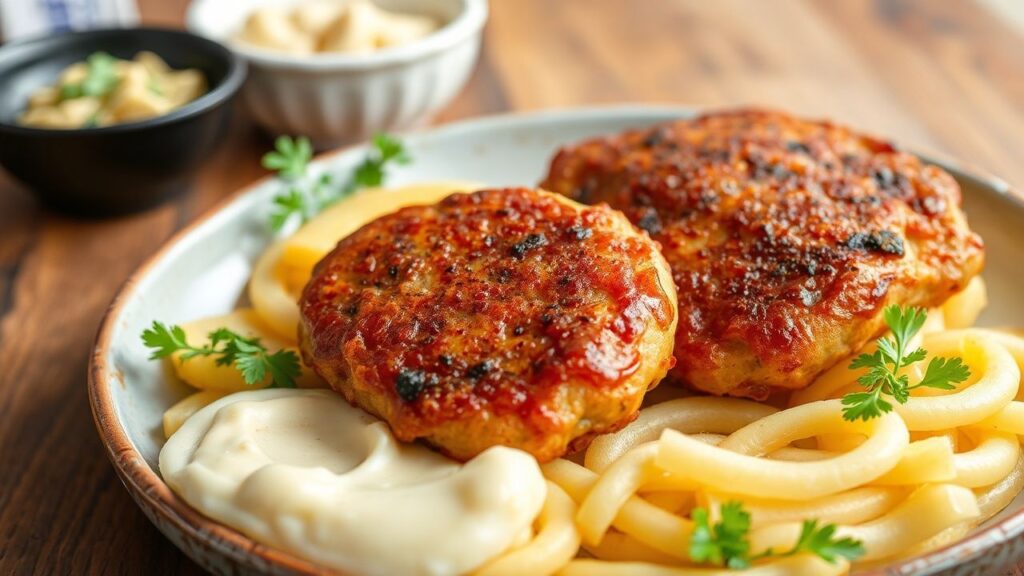
Classic options include potato salad (Kartoffelsalat), creamy mashed potatoes, or buttered spaetzle. For bright contrast, serve cucumber salad or red cabbage (Rotkohl).
For garnish, fresh parsley or chives helps the dish look lively and tastes fresh. You can also add mustard or a small spoon of horseradish cream to highlight the savory profile.
If you want a cultural anchor for these pairings, consider how German cuisine often uses starchy sides and pickled vegetables together. Background reading on traditional food patterns appears in German cuisine.
| Nutrient | Per Serving (2 patties) |
|---|---|
| Calories | 310 kcal |
| Protein | 28g |
| Carbohydrates | 9g |
| Fat | 18g |
Ready for another German classic to round out the plate? Pair frikadellen with another comforting side like spaetzle or a simple rye-based bread for a classic table feel.
Q&A
Use these quick answers to solve common frikadellen questions. They also help you avoid texture issues and seasonings mistakes.
If you follow the core method—gentle mixing, short chilling, and medium heat—you’ll get consistent results every time.
What exactly are German frikadellen?
German frikadellen are pan-fried meat patties made with seasoned ground meat, breadcrumbs, and eggs. The pan method gives a crisp, browned exterior while the inside stays tender.
They share ideas with other meat patty dishes, but the seasoning balance and shape make them distinct. For more general context on patty-style dishes, see meatball and similar categories.
Which meats are typically used in authentic frikadellen?
Many versions use a beef base, sometimes blended with veal. Some cooks also use turkey for a lighter result, but the breadcrumb and egg still keep the patties cohesive.
The key is fat and protein balance. When you choose leaner meat, you often need extra care with moisture and frying time, which ties back to meat composition.
How do I get the perfect texture?
Gently mix the meat mixture and stop as soon as it’s uniform. Then refrigerate shaped patties briefly so they firm up before frying.
During frying, resist frequent flipping. Give the first side time to brown, then flip once and finish at medium heat.
What seasonings bring frikadellen to life?
Classic seasonings include salt, black pepper, onion, parsley, and nutmeg in small amounts. Mustard adds a savory lift that supports the meat.
Use mustard as a seasoning note, not a thick sauce. If you want background on mustard flavors, read Mustard.
What sides complement German frikadellen best?
Try potato salad, buttered spaetzle, creamy mashed potatoes, or red cabbage for tangy contrast. Pickles and mustard also work well because they cut through richness.
These pairings match common German table patterns. For broader context, see German cuisine.
Can I make frikadellen ahead and reheat them?
Yes. Shape patties ahead and refrigerate, or freeze them for later. Reheat gently to protect the crust.
For best texture, warm them in a skillet or oven rather than microwaving. This keeps the surface crisp and the center warm.
See also: German frikadellen