
German Chocolate Brownies: the Decadent Shortcut to a Bakery Look
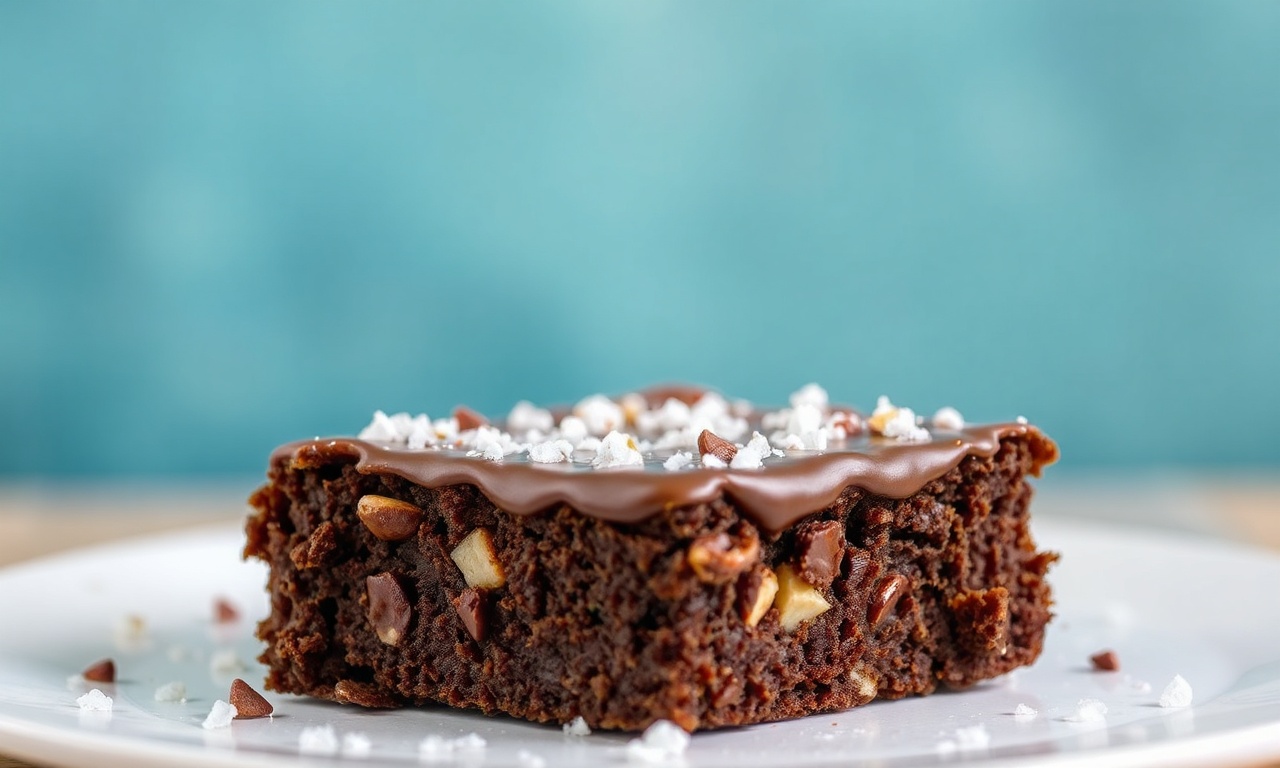
German chocolate brownies pair a fudgy, cocoa-forward base with a glossy caramel-coconut-pecan topping. When you time both layers correctly, the result stays tender under the topping and slice-clean on top.
- German Chocolate Brownies: the Decadent Shortcut to a Bakery Look
- The “German” Name Explained (and Why It Doesn’t Matter in Your Kitchen)
- What Makes German Chocolate Brownies Different from Regular Brownies
- Equipment and Timing That Make Results Repeatable
- German Chocolate Brownies Recipe (Fudgy Base + Caramel Coconut Pecan Topping)
- How to Nail the Two Critical Doneness Points
- Flavor Upgrades: Toasting, Chocolate Choice, and Texture Control
- Cooling and Cutting: The Difference Between Gooey and Clean
- Storage, Make-Ahead Strategy, and Freezing
- Common Problems (and How to Fix Them Fast)
- Problem: topping looks grainy
- Problem: topping won’t set
- Problem: brownies are dry
- Problem: topping runs off or looks too thin
- Why This Recipe Works (The Logic Behind the Layers)
- FAQ: German Chocolate Brownies
These brownies feel nostalgic, but the method stays practical: mix the brownie batter, bake to moist crumbs, then cook the topping until it thickens and spreads like soft caramel. If you want a dessert that looks polished and tastes rich in the first bite, this is it.
- Texture target: fudgy brownie crumb under a chewy, set topping
- Key skill: cook the topping until it thickens—do not boil
- Best cutting method: cool fully, then chill briefly
- Flavor boost: toast coconut and pecans for deeper aroma
The “German” Name Explained (and Why It Doesn’t Matter in Your Kitchen)
Many people think “German” means the dessert comes from Germany. In reality, the name traces to a baking chocolate brand that popularized a specific coconut-pecan topping style in American baking.
That origin matters less than the chemistry of the topping. Evaporated milk, egg yolk, and sugar thicken when heated; coconut and pecans add chew and crunch. The layered effect tastes like classic candy-meets-brownies.
To understand why the topping sets so well, it helps to know how sugar systems and egg proteins behave under heat. See sugar and egg for the basics behind thickening and structure.
What Makes German Chocolate Brownies Different from Regular Brownies
Regular brownies rely on chocolate, cocoa, and fat for their signature bite. German chocolate brownies add a cooked topping that turns into a glossy, caramel-like layer.
This topping does more than decorate. It adds a second texture—chewy coconut with nutty pecan crunch—and it changes how sweetness lands. If your brownie base leans too dry, the topping can taste heavy instead of balanced.
Use a fudgy bake on purpose. When your toothpick shows moist crumbs (not wet batter, not fully dry), the base will stay soft even after the topping cools. For broader chocolate behavior, review chocolate and how cocoa solids contribute to structure.
Equipment and Timing That Make Results Repeatable
German chocolate brownies reward steady baking discipline. Your job is simple: hit the brownie doneness, then cook the topping to the right thickening point.
Plan time for cooling. The topping needs a brief set time so it cuts cleanly and doesn’t ooze. You also need the brownies fully cool before slicing, especially for glossy topping.
Pan size, bake time, and yield
Use an 8×8-inch pan for classic thickness and a predictable bake. Expect 25–30 minutes for the brownie layer, depending on your oven and pan material.
Yield: about 16 brownies from a standard cut (4×4 grid, or cut smaller for tighter portions). If you want neat squares, cool and chill before cutting.
Ingredients you should not treat casually
Choose good chocolate for a rich brownie base. Chopped baking chocolate melts smoothly and tastes deeper than low-quality cocoa.
For the topping, use evaporated milk and egg yolk as written. These create the custard-like thickening that gives German chocolate brownies their signature chew. If you swap ingredients, you can change thickening behavior.
German Chocolate Brownies Recipe (Fudgy Base + Caramel Coconut Pecan Topping)
This version targets ultra-decadent fudge with a topping that spreads easily and sets glossy. Follow the steps in order and don’t rush the topping thickening.
If you want the cleanest slices, start with full cooling, then a short chill once the topping sets at room temperature.
Ingredients
Brownie base
- 1 cup all-purpose flour, sifted
- 1/2 teaspoon baking powder
- 1/4 teaspoon salt
- 1/2 cup unsalted butter, melted and slightly cooled
- 1 cup granulated sugar
- 2 large eggs, room temperature
- 4 ounces German-style baking chocolate (chopped), or German’s Sweet Chocolate
- 2 teaspoons vanilla extract
Topping
- 1/2 cup toasted sweetened shredded coconut
- 1/2 cup toasted pecan halves, chopped
- 1/2 cup evaporated milk
- 1/2 cup light brown sugar, packed
- 3 tablespoons unsalted butter
- 1 large egg yolk
Step-by-step instructions
1) Preheat and line the pan. Preheat to 350°F (175°C). Line an 8×8-inch pan with parchment so you can lift brownies out cleanly.
2) Mix dry ingredients. Whisk flour, baking powder, and salt in a bowl. Set aside.
3) Melt chocolate and butter. Melt chocolate with butter using short microwave bursts or a gentle double boiler. Stir until smooth, then cool slightly.
4) Build the brownie batter. Beat sugar and eggs until thicker and glossy, about 2–3 minutes. Stir in vanilla, then mix in the chocolate-butter.
5) Add dry ingredients (don’t overmix). Fold in the flour mixture just until you no longer see dry flour. Overmixing can make brownies tough.
6) Bake to moist crumbs. Spread batter evenly. Bake 25–30 minutes until a toothpick near the center shows moist crumbs. Cool in the pan on a rack.
7) Cook the topping to thick caramel. In a saucepan over medium heat, combine evaporated milk, brown sugar, butter, and egg yolk. Stir constantly until thickened and caramel-colored, typically 5–7 minutes.
8) Finish with coconut and pecans. Remove from heat. Stir in toasted coconut and pecans until evenly coated.
9) Spread and set. Spread topping over the cooled brownies. Let set at room temperature about 20 minutes, then chill briefly for firmer slicing.
10) Slice cleanly. Lift out using parchment, then cut into 16 squares. For the best texture, serve after slicing so the topping softens slightly.
How to Nail the Two Critical Doneness Points
German chocolate brownies succeed when two timing windows overlap: brownie bake doneness and topping thickening point. If either layer goes too far, the dessert won’t hit the right balance.
Think of the brownies as the foundation and the topping as a set custard-caramel. Both layers continue to firm up as they cool.
Brownie doneness: moist crumbs, not raw batter
Use the toothpick test near the center. Aim for moist crumbs clinging to the pick. Avoid a toothpick that comes out glossy-wet, which usually signals underbaked center.
Also avoid fully dry crumbs. Overbaked brownies taste drier and make the topping feel heavier instead of luscious.
Topping thickening: the spreadable caramel moment
Stir constantly and watch the texture change. When the mixture coats the back of a spoon and looks caramel-colored, it’s usually ready. You should still be able to spread it smoothly over the brownies.
Heat drives the egg yolk to thicken while sugar dissolves and concentrates. This is why the topping sets into a glossy layer after cooling.
Boiling adds volume and can cause uneven heating across the pan. Stirring helps distribute heat so the egg yolk thickens evenly. That’s also why a heavy-bottom saucepan improves results.
If your topping seems too thin after cooking, it usually needs another minute of steady heat. If it looks too thick, whisk in a teaspoon of evaporated milk and spread quickly.
Flavor Upgrades: Toasting, Chocolate Choice, and Texture Control
The topping tastes best when coconut and pecans are toasted. Toasting dries surface moisture and deepens aroma through browning reactions.
You also control sweetness by choosing the right chocolate. A more bitter chocolate base can balance the topping’s brown sugar flavor.
Toast coconut and pecans separately
Toast at about 325°F (165°C) for 5–7 minutes, then cool before mixing into the cooked topping. Cooling matters because hot add-ins can thin the caramel too quickly.
This also protects crunch. If you dump toasted nuts into a topping that’s barely thickened, you can lose some crispness as it cools.
For a science-friendly overview of browning effects, see Maillard reaction.
Chocolate selection for a deeper brownie base
If you use sweeter chocolate, you may want to slightly reduce granulated sugar in the brownie base. If you use darker chocolate, your brownies will taste richer without needing extra cocoa.
Keep the topping consistent so the signature coconut-pecan caramel stays familiar. Small changes work in the brownie base; big changes in topping chemistry can affect thickening.
Cooling and Cutting: The Difference Between Gooey and Clean
Cooling controls slice quality. Even if the topping looks set, it can still be soft inside as it cools. That’s why you should cool the brownies first, then chill briefly after topping spreads.
Use parchment to lift the whole slab out. Then cut with a sharp knife wiped clean between slices for the crispest edges.
A practical method for perfect squares
Cool in the pan until warm, then lift using parchment. Spread topping on the fully cooled brownie base for the cleanest bond.
After spreading, wait about 20 minutes at room temperature. Then chill 15–30 minutes to firm the topping before cutting.
Serving temperature for best texture
Chilled brownies cut best. However, the topping tastes best when it softens slightly. Let the pan sit at room temperature 10–15 minutes before serving.
For a restaurant-style contrast, serve with vanilla ice cream. The cold fat rounds the sweetness and makes the caramel topping feel silkier.
Storage, Make-Ahead Strategy, and Freezing
German chocolate brownies hold up well because the topping forms a set layer and the brownie base stays moist. Store them airtight to prevent drying.
Make ahead saves time for parties. Prepare the pan, cool fully, then store until serving day.
How long they last
Room temperature: up to 3 days in an airtight container. Refrigerated: about 1 week for best flavor and texture.
If you refrigerate, the topping firms more. Let brownies warm slightly before serving for a better mouthfeel.
Freezing tips
Freeze fully cooled brownies wrapped tightly. You can freeze up to about two months for best quality.
Thaw in the refrigerator overnight, then bring to room temperature for 10–15 minutes before serving.
For more about safe food handling and storage principles, see food safety.
Common Problems (and How to Fix Them Fast)
Most failures come from timing: either the brownie layer overbakes or the topping boils too hard. The good news is you can troubleshoot quickly with simple adjustments.
Use texture cues instead of guesswork. Brownies should show moist crumbs, and the topping should look thick and glossy, not curdled.
Problem: topping looks grainy
Graininess usually signals egg yolk overcooking from too much heat or boiling. Next time, lower the heat as soon as it bubbles and keep stirring.
If it’s already grainy, you may not be able to fully fix it, but you can still spread it. The flavor will usually remain good, even if the texture changes.
Egg proteins can coagulate into curds when overheated. See protein for a clear reason why gentle heat matters.
Problem: topping won’t set
If your topping spreads but never firms, it likely didn’t reach the thickening point. Put it back on medium heat for 1–2 minutes with constant stirring.
Use a spoon test: when it coats the back of the spoon, it will set as it cools.
Problem: brownies are dry
Dry brownies come from overbaking. Pull them when the toothpick shows moist crumbs, and remember they keep cooking slightly while cooling.
Next time, start checking at 24 minutes. Ovens vary, and pan thickness changes bake speed.
Problem: topping runs off or looks too thin
Thin topping usually means you added coconut and pecans before it thickened enough. The fix is to cook a touch longer next time.
If it’s only slightly thin, simmer it briefly and stir until spreadable, then top right away.
Why This Recipe Works (The Logic Behind the Layers)
This dessert works because each layer plays a clear role. The brownie base bakes to a moist crumb, giving you a soft chocolate foundation.
The topping behaves like a quick custard caramel. Egg yolk thickens as temperature rises, while sugar concentrates for chew. Coconut and pecans then lock in texture as it cools.
For broader background on how milk products and sugars contribute to thickening, see milk and sugar.
FAQ: German Chocolate Brownies
What makes German chocolate brownies different from regular brownies?
German chocolate brownies use a traditional fudgy brownie base plus a cooked coconut-pecan topping that thickens like caramel. That topping sets glossy and adds chewy texture, not just decoration.
Why does the topping sometimes turn grainy?
Graininess usually happens when the topping boils too hard and the egg yolk overcooks. Lower the heat, stir constantly, and remove from the stove as soon as it thickens and turns caramel-colored.
How do I know when my brownies are done?
Check near the center with a toothpick. You want moist crumbs that cling to the pick. Avoid wet batter and avoid a completely dry toothpick.
Can I freeze German chocolate brownies?
Yes. Cool fully, wrap tightly, and freeze up to about two months. Thaw in the refrigerator overnight, then warm at room temperature 10–15 minutes before serving.
How can I get clean slices?
Cool the brownies fully, spread the topping, then chill briefly after the topping sets (about 15–30 minutes). Cut with a sharp knife and wipe it clean between slices.
See also: German chocolate brownies