
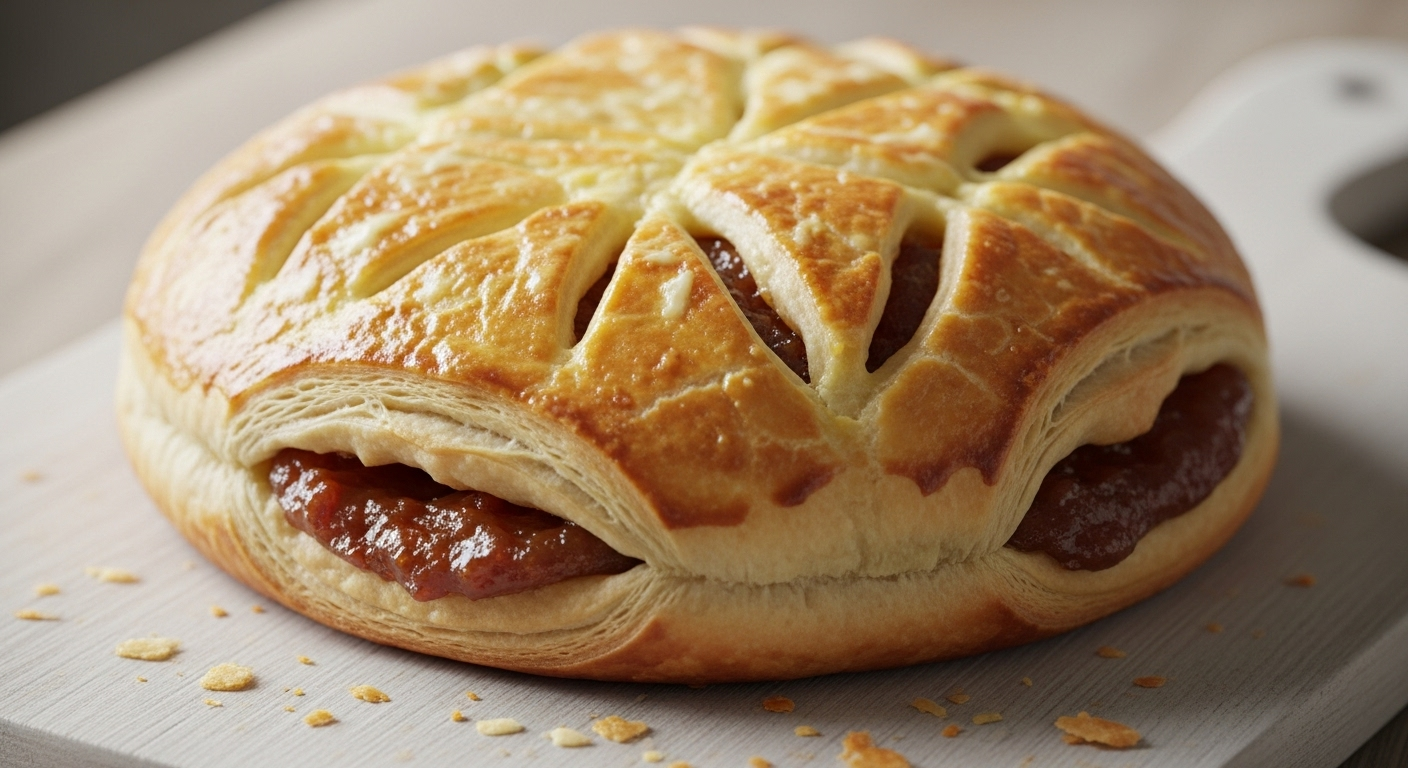
Beneath the golden crust of Gata Bread lies a story as rich and layered as the bread itself-a culinary treasure that has graced Armenian tables for centuries. This beloved sweet bread, with its tender crumb and delicate swirls of buttery filling, is more than just a dessert; it’s a symbol of tradition, celebration, and the warm embrace of home.
In “Gata Bread: Exploring the Sweet layers of Armenian Bread,” we embark on a flavorful journey to discover the origins, variations, and cultural importance of this time-honored delicacy. From the carefully folded dough to the fragrant hint of cardamom or vanilla,each bite offers a taste of Armenia’s vibrant heritage,inviting both novices and connoisseurs alike to savor the layers of history baked into every slice.
The Origins and Cultural Significance of Gata Bread in Armenian Traditions
Gata Bread unveils more than just a appetizing sweet treat-it reveals a tapestry of Armenian cultural heritage, where every bite connects you to centuries-old family traditions and festive celebrations. this cherished pastry, frequently enough shared during holidays, weddings, and gatherings, symbolizes warmth, hospitality, and continuity.
Originating from various regional recipes across Armenia, gata’s sweet layers have been lovingly passed down, embodying stories of resilience and joy among Armenian communities.
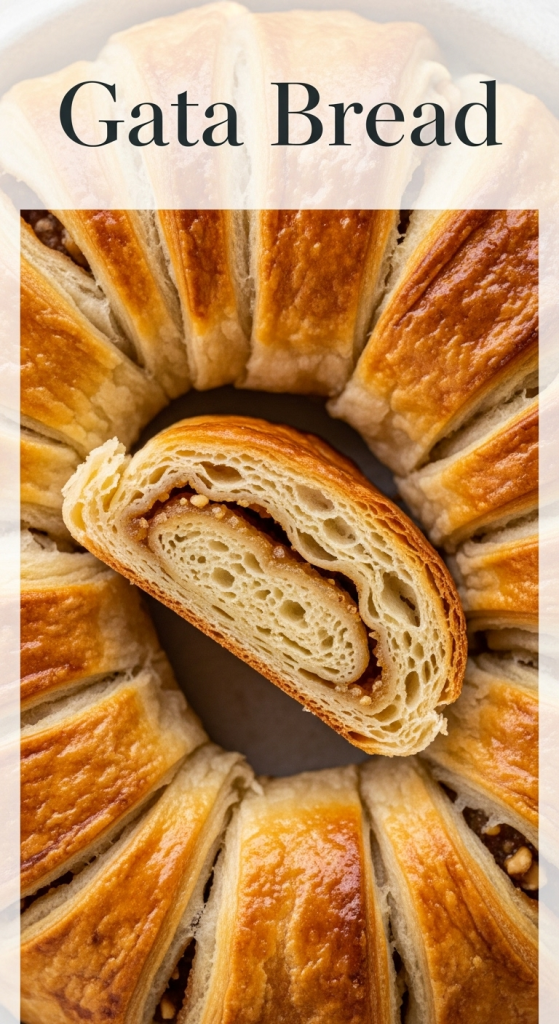
The delicate balance of tender crumbly dough and rich, buttery filling marks gata Bread as a culinary icon, resonating with the rhythms of Armenian life.It’s more than bread-gata is a symbol of celebration and invitation, carrying the aroma of home and history in every slice.
Delving Into the Rich Ingredients That Elevate every Gata Bite
Gata Bread takes center stage with its signature filling called khoriz,a luscious blend integral to its flavor profile. This mixture traditionally pairs fine flour, sugar, and plenty of creamy butter with aromatic additions like vanilla or nuts, infusing gata Bread with its unforgettable essence.
The dough itself combines all-purpose flour, fresh butter, sour cream or yogurts, which create a tender, flaky structure that perfectly contrasts with the rich filling. The delicate crumb and sweetey filling are reminiscent of a buttery shortbread, while the texture dances between fluffy softness and satisfying crunch.
Each ingredient is vital: quality butter enhances depth, while a touch of baking powder ensures a gentle rise. This artistry in ingredient selection elevates gata Bread from a simple pastry to an indulgent experience.
Mastering the Art of Gata Baking Techniques for a Perfect Crust
Getting the perfect gata crust requires gentle hands and respect for the dough. Gata Bread shows the importance of keeping ingredients cool and mixing just until combined to avoid overworking the dough.
- Use chilled butter and sour cream to maintain flakiness during baking.
- Roll the dough evenly to about ¼ inch thickness for that signature crumbly yet tender texture.
- Layer the filling generously but don’t overfill-too much can cause steaming and sogginess.
- Seal the edges well to keep that filling locked in, ensuring an even bake.
- Brush the top with egg wash for a golden, glossy crust that invites the eye as much as the palate.
- Bake at a moderate temperature (~350°F/175°C) to allow the interior to set without overbrowning the crust.
Patience and precision at each stage guarantee the harmonious texture contrast that makes gata Bread so beloved-deliciously tender inside with a buttery crisp crust outside.
Pairing Gata with Traditional Beverages and Modern Culinary Twists
Gata Bread pairs beautifully with a cup of strong Armenian coffee,its robust bitterness perfectly balancing the pastry’s buttered sweetness. The tradition of sharing gata alongside coffee or tan (a refreshing yogurt drink) underscores its social role in Armenian hospitality.
For a contemporary twist, try serving gata Bread with a dollop of lightly whipped honeyed cream or a spread of tart fruit preserves like sour cherry or pomegranate molasses to add vibrant contrast. The nutty richness of walnuts or pistachios folded into the filling brings added texture and depth.
Whether enjoyed in the warmth of a cherished tea ritual or reinvented on a modern dessert platter, gata’s adaptability invites endless exploration while honoring its origins.
Prep and Cook Time
- Prep Time: 30 minutes
- Resting/Dough Chill Time: 1 hour
- Cook Time: 30-35 minutes
Yield
Serves 8-10 generous slices
Difficulty Level
medium – Suitable for bakers with some experience in working with enriched dough and layered pastries.
Ingredients
- 2 ½ cups all-purpose flour, sifted
- 1 tsp baking powder
- ½ tsp salt
- 7 tbsp unsalted butter, chilled and cubed + 4 tbsp melted (divided)
- 1 cup sour cream or plain yogurt (full-fat)
- ½ cup granulated sugar
- 1 cup all-purpose flour (for filling)
- ½ cup melted unsalted butter (for filling)
- 1 tsp pure vanilla extract
- Optional: ½ cup finely chopped walnuts or almonds
- 1 large egg (for egg wash)
Instructions
- Prepare the dough: In a large bowl, whisk together the sifted flour, baking powder, and salt.
- Cut chilled butter: Using a pastry cutter or fingers, cut the chilled cubed butter into the flour mixture until it resembles coarse crumbs.
- Mix in sour cream: add the sour cream, gently folding until a soft dough forms. avoid overmixing to keep the dough tender.
- Chill dough: Wrap the dough in plastic and refrigerate for 1 hour to firm up.
- Prepare filling (khoriz): Combine sugar, 1 cup flour, melted butter, vanilla extract, and nuts if using, stirring until crumbly and thick.
- preheat oven: Set to 350°F (175°C) and line a baking tray with parchment paper.
- Divide dough: Remove dough from fridge and divide into two equal parts.
- Roll out bottom layer: On a floured surface, roll one portion into a 12-inch circle and transfer to baking tray.
- Add filling: Spread the filling evenly over the dough, leaving a small border around edges.
- Roll out top layer: Roll the second dough portion into a 12-inch circle and carefully place over filling.
- Seal edges: Gently pinch or crimp edges to seal filling inside.
- Create designs: lightly score patterns on the top crust with a knife-as an example, concentric circles or leaves-being careful not to cut through.
- Brush with egg wash: Beat the egg and brush generously over top for a golden finish.
- bake: Bake for 30 to 35 minutes until golden and fragrant.
- Cool: Let the gata cool slightly before slicing to preserve its tender crumb.
Tips for Success
- Keep ingredients cold: butter and sour cream should be chilled to achieve flaky, layered crusts.
- Do not overwork dough: Overmixing toughens the pastry; mix just until combined.
- experiment with nuts: Walnuts add authentic nuttiness, but almonds or pistachios bring vibrant alternatives.
- Make ahead: Dough can be prepared a day in advance and refrigerated; fill and bake when ready.
- Perfect sealing: Ensure all edges are well sealed to avoid filling leakage and to maintain structure.
Serving Suggestions
Serve warm or at room temperature with a dusting of powdered sugar or a drizzle of honey. Pair each slice with a steaming cup of Armenian coffee or a refreshing glass of tan. Garnish plates with fresh pomegranate seeds or crushed pistachios for color and crunch,offering a delightful contrast to the buttery softness of gata Bread.
| Nutrient | Per Serving |
|---|---|
| Calories | 350 kcal |
| Protein | 5 g |
| Carbohydrates | 38 g |
| Fat | 18 g |
For further culinary inspiration related to Armenian baked goods,explore our Armenian Baklava Recipe. To understand the nutritional science behind traditional pastries, visit the American Nutrition Association.
Q&A
Q&A: Gata Bread – Exploring the Sweet Layers of Armenian bread
Q1: What is Gata Bread, and why is it so beloved in Armenian culture?
A1: Gata is a traditional Armenian sweet bread, known for its soft, buttery dough and rich, crumbly filling. It holds a special place in Armenian culture,often baked for celebrations,holidays,and family gatherings.More than just a pastry, Gata symbolizes warmth, hospitality, and the joy of sharing.
Q2: What makes Gata distinct from other sweet breads around the world?
A2: Unlike many sweet breads that are primarily dough-based,Armenian Gata Bread is distinguished by its layers-delicate,tender dough encasing a unique,sweet filling called khoritz. This filling combines sugar, butter, and flour, sometimes complemented by nuts or spices, creating a texture that’s both crumbly and creamy, offering a delightful contrast with the soft crust.
Q3: How many varieties of Gata Bread exist, and do they differ regionally?
A3: There are numerous regional varieties of gata across Armenia and the Armenian diaspora.Such as, the city of Etchmiadzin is famous for its round, spiral-shaped Gata, while other regions might make it in square or braided forms. Each variety reflects local traditions,ingredient availability,and personal family twists,making every Gata Bread recipe a treasure trove of history.
Q4: What ingredients are essential for making authentic Gata Bread?
A4: The core ingredients include flour, sugar, butter, eggs, and milk, combined to create both the dough and the filling. The magic lies in the filling’s balance-rich butter,sugar,and flour meld into a crumbly mixture that bakes into golden pockets of sweetness. Some recipes gently fold in nuts like walnuts or almonds for added texture and flavor, but the essence remains simple and comforting.
Q5: What is the traditional method of preparing Gata Bread?
A5: Traditionally, Gata is hand-rolled to create layers within the dough. The filling is spread inside before the dough is carefully folded or rolled, capturing its sweetness. Many bakers add subtle decorative touches on top-crosshatch patterns or spirals-before baking. The result is a golden loaf with tender layers that reveal a sweet, buttery surprise in every slice.
Q6: when is Gata Bread typically enjoyed in Armenian households?
A6: Gata is a festive staple, often enjoyed during major holidays like Easter and Christmas, and also at weddings and other joyful occasions. It also finds its way onto the table during family visits and community gatherings,where sharing the bread embodies Armenian hospitality and the spirit of togetherness.
Q7: Can Gata Bread be made in modern kitchens with easily accessible ingredients?
A7: Absolutely! While traditional methods lend authenticity, many home bakers today adapt Gata recipes to local ingredients without losing its soul. With basic pantry staples and patience to master the layering technique, anyone can bake a delightful Gata right at home, preserving this sweet cultural heritage.
Q8: How does Gata reflect Armenian identity and storytelling through food?
A8: Every fold of Gata tells a story-of family recipes passed down for generations, regional nuances, and the celebration of life’s sweet moments. It embodies a culinary language wherein ingredients and technique connect individuals across time and geography, making Gata more than bread-it’s a delicious narrative of Armenian resilience, creativity, and love.
Q9: Are there any engaging customs associated with baking or sharing Gata?
A9: Yes! In some Armenian traditions, a coin or a small token is hidden inside the Gata, which is thought to bring luck and prosperity to whoever finds it in their slice. The communal sharing of Gata also serves as a gesture of goodwill and blessing,reinforcing bonds among family and friends.
Q10: What tips would you give to someone attempting to bake Gata for the first time?
A10: Patience and attention to detail are key. Take care when rolling and layering the dough to achieve that signature flakiness. Don’t overfill the bread to avoid leakage. Lastly, embrace the imperfections-each Gata tells a unique story and tastes best when made with care and heart. Enjoy the process as much as the delicious result!
Concluding Remarks
As we close the final chapter on our journey through the rich, buttery layers of gata Bread, we come to appreciate more than just a bread – we uncover a symbol of Armenian heritage, warmth, and celebration baked into every crumb. each swirl and sprinkle tells a story passed down through generations, inviting us to savor not only its sweet, tender flavor but also the cultural tapestry it represents. Whether shared during festive gatherings or enjoyed in quiet moments, gata Bread remains a delicious reminder that food is never just nourishment; it is history, community, and love folded into every delightful bite.
So next time you come across this treasured Armenian bread,take a moment to savor its layers – both the pastry’s and the stories it holds.