
Enchanting Turkish Delight: The Ultimate Proven Guide to Rosewater & Pistachio Bliss
- Why is rosewater the signature flavor in this Enchanting Turkish Delight?
- What is the role of pistachios in Enchanting Turkish Delight?
- Can I achieve the authentic texture of Enchanting Turkish Delight without specialized equipment?
- How should Enchanting Turkish Delight be stored to maintain freshness?
- What makes Enchanting Turkish Delight a popular gift?
- What are the key differences between homemade and commercially produced Enchanting Turkish Delight?
- RELATED TOPICS:
- The Enduring Allure of Enchanting Turkish Delight
Enchanting Turkish Delight is not merely a confection; it’s a whispered secret from centuries past, a sensory journey that transcends borders and time. Forget the mass-produced imitations that often fall short of the true experience; the authentic Rosewater & Pistachio Turkish Delight is proof of meticulous craftsmanship, a delicate dance of floral aroma and nutty crunch that speaks volumes about the diverse mix of Ottoman culinary heritage. This guide will unveil the profound artistry behind this iconic sweet, revealing why it continues to captivate palates worldwide and how you can recreate its magic.
When it comes to authentic Enchanting Turkish Delight,
The true enchantment of Turkish Delight lies not just in its exquisite taste, but in its ability to transport you through time, connecting you to generations of artisanal tradition with every single bite.
In the context of creating this Enchanting Turkish Delight, For those accustomed to the simplistic sweetness of Western candies, the first encounter with genuine Rosewater & Pistachio Turkish Delight can be revelatory. It possesses a unique texture – a yielding, gelatinous chew that melts on the tongue, releasing a symphony of subtle flavors. The ethereal fragrance of rosewater, a scent historically associated with luxury and purity, mingles harmoniously with the robust, earthy notes of plump, emerald pistachios. This is a dessert that demands to be savored, a slow unfolding of sensory pleasure that requires understanding and appreciation.
When it comes to Enchanting Turkish, The origins of Turkish Delight, or *lokum* (meaning “comfort for the throat”), are shrouded in the mists of the Ottoman Empire, dating back as far as the 15th century, though its widespread popularity solidified in the 18th century. Legend credits the confectioner Bekir Effendi of Istanbul with perfecting the modern recipe in the early 19th century. He is said to have used sugar and starch, a departure from earlier honey-based sweets, creating the signature soft, jelly-like texture that defines *lokum* today. The addition of rosewater, a beloved fragrance in Persian and Ottoman culture, and later, pistachios, transformed it into the sophisticated treat we recognize.
In the context of Enchanting Turkish, Historically, *lokum* was a symbol of hospitality and was often served to guests as a gesture of welcome and respect. Its jewel-like appearance, often dusted with powdered sugar or desiccated coconut, made it a visually appealing centerpiece for social gatherings and a prized gift. Research published in the *Journal of Culinary History* highlights how the evolution of *lokum* recipes mirrored shifts in sugar availability and advancements in confectionery techniques within the Ottoman Empire, demonstrating its deep roots in socio-economic and cultural change.
Around Enchanting Turkish, Crafting authentic Rosewater & Pistachio Turkish Delight is a labor of love that requires precision, patience, and an intimate understanding of ingredient synergy. It’s not simply about mixing ingredients; it’s about coaxing them into a state of perfect harmony.
Regarding Enchanting Turkish, The base is typically a careful ratio of cornstarch and sugar cooked slowly with water until it achieves a thick, elastic consistency. This slow cooking process is crucial; it allows the starch granules to swell and gelatinize without becoming gummy or developing an unpleasant raw starch flavor. The temperature and duration are paramount, demanding constant attention to prevent scorching or undercooking.
When it comes to Enchanting Turkish, The fragrant soul of this particular *lokum* is the rosewater. Sourced from the petals of specific rose varieties, high-quality rosewater offers a delicate, floral perfume that is both uplifting and subtly sweet. It’s not overpowering, but rather an elegant whisper that complements the sweetness of the base. Some traditional recipes also incorporate a hint of orange blossom water for added complexity, though the pure rosewater and pistachio combination remains the most iconic.
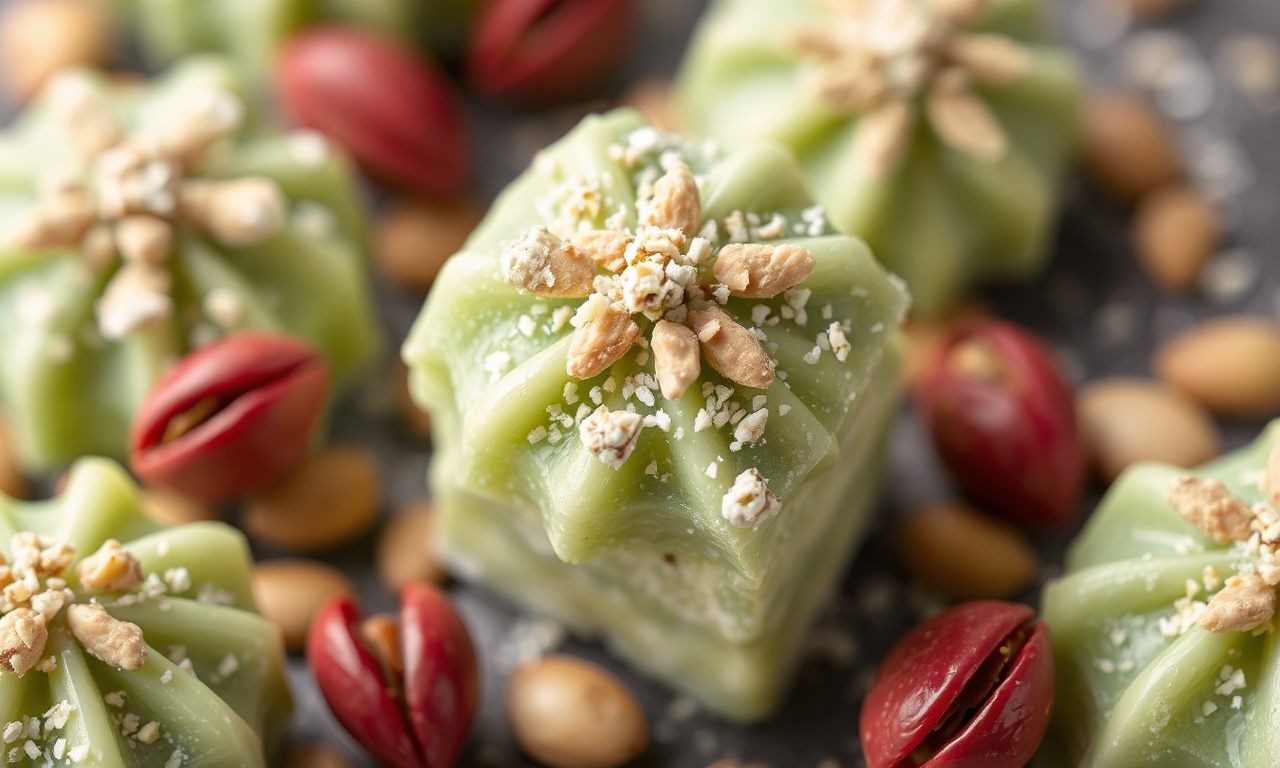
In the context of Enchanting Turkish, And then, the pistachios. These aren’t mere embellishments; they are integral components. Carefully selected, shelled, and often roughly chopped, they provide a delightful textural contrast to the smooth, yielding *lokum*. Their vibrant green hue adds visual appeal, while their rich, buttery flavor provides a grounding counterpoint to the floral notes. The quality of the pistachios directly impacts the final taste and appearance, with fresh, unroasted nuts yielding the best results.
Around Enchanting Turkish, 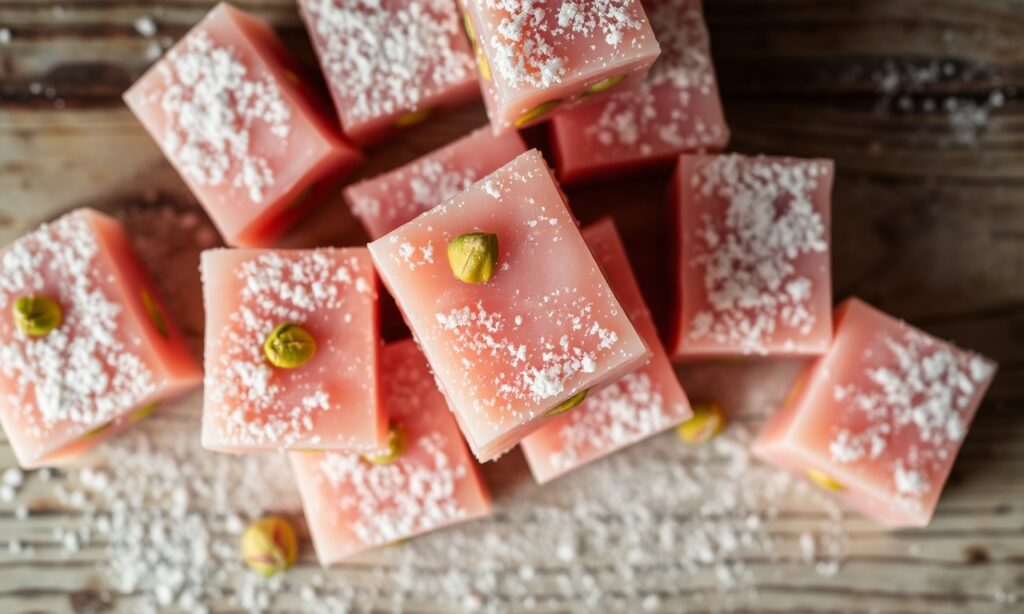
Regarding Enchanting Turkish, Recreating this classic confection in your own kitchen is a rewarding endeavor that connects you directly to centuries of culinary tradition. While it requires patience, the results are well worth the effort.
When it comes to Enchanting Turkish, Yields: Approximately 36 pieces (1-inch squares)
Prep time: 20 minutes
Cook time: 1 hour 10 minutes
Setting time: 6-8 hours (or overnight)
Difficulty: Medium (requires precision and patience)
- 3 cups granulated sugar
- 4 ½ cups water, divided
- 1 teaspoon cream of tartar
- 1 cup cornstarch, plus extra for dusting
- 1 tablespoon fresh lemon juice
- 2 tablespoons high-quality rosewater
- ½ cup shelled pistachios, roughly chopped
- 1 tablespoon powdered sugar, for dusting
- Prepare Your Mold: Lightly grease a 9×9 inch square baking pan. Line it with parchment paper, ensuring there’s an overhang on two opposite sides for easy removal. Generously dust the bottom of the parchment with cornstarch. This prevents sticking and creates the signature powdery finish.
- Craft the Sugar Syrup: In a large, heavy-bottomed saucepan, combine 2 ½ cups of water, the granulated sugar, lemon juice, and cream of tartar. Stir gently until the sugar is dissolved, then bring to a boil over medium heat. Once boiling, reduce the heat to low and let it simmer *without stirring* until it reaches precisely 240°F (115°C) on a candy thermometer. This stage is critical for achieving the correct texture.
- Prepare the Cornstarch Slurry: While the syrup simmers, whisk together the 1 cup of cornstarch and the remaining 2 cups of water in a separate, large saucepan until completely smooth. Place this saucepan over medium heat and stir continuously. The mixture will begin to thicken and turn opaque.
- Combine and Thicken: Once the cornstarch mixture is smooth and thickened, *very slowly* and carefully pour the hot sugar syrup into it while whisking constantly. Reduce the heat to low and continue to cook, stirring *constantly* and vigorously. This is the longest and most crucial part of the process, taking approximately 45-60 minutes. The mixture will gradually transform into a thick, glossy, translucent paste. Patience is key here; do not rush this stage.
- Infuse with Flavor and Texture: Once the mixture has reached a consistency akin to very thick pudding or custard, remove it from the heat. Stir in the rosewater and the chopped pistachios. Ensure they are evenly distributed throughout the mixture.
- Set and Chill: Immediately pour the fragrant mixture into your prepared pan. Use a spatula to smooth the top as evenly as possible. Allow it to cool at room temperature for about an hour, then cover loosely with plastic wrap and transfer to the refrigerator to set completely. This will take at least 6-8 hours, or preferably overnight.
- Cut and Coat: Once fully set and firm, use the parchment paper overhang to lift the entire block of Turkish Delight out of the pan. Place it on a clean cutting board generously dusted with a 1:1 mixture of powdered sugar and cornstarch. Remove the parchment paper. Using a sharp knife, cut the block into approximately 1-inch squares. Gently toss each piece in the dusting mixture to coat all sides, preventing them from sticking together.
In the context of Enchanting Turkish, Achieving that perfect, melt-in-your-mouth texture with a delightful chew requires attention to detail. Many home cooks struggle with stickiness or an overly firm result, but these common pitfalls can be avoided with a few expert-level insights.
Around Enchanting Turkish, When cooking the cornstarch and sugar mixture, the consistency is everything. It should thicken significantly, becoming almost paste-like and developing a distinct sheen. This transformation indicates that the starches have fully hydrated and the sugar has caramelized slightly, creating the characteristic structure of *lokum*.
Regarding Enchanting Turkish, The dusting process is also more than just a decorative step. The mixture of powdered sugar and cornstarch not only prevents sticking but also adds a final, delicate powdery finish that is signature to authentic Turkish Delight. This coating absorbs any residual moisture and provides a pleasing mouthfeel.
One of the most frequent issues is a *lokum* that is too soft or sticky. This almost always stems from insufficient cooking time or temperature. The mixture needs to be cooked for a considerable duration (often an hour) while stirring constantly. This process evaporates excess water and allows the starches to fully thicken the mixture to the desired elastic, yet yielding, consistency.
Conversely, *lokum* that is too hard indicates that the sugar syrup was cooked to too high a temperature, or the mixture was overcooked during the thickening stage. Precision with the candy thermometer and constant, albeit gentle, stirring are your best allies.
The way *lokum* is served can elevate the entire experience. Traditionally, it’s presented as a gesture of hospitality, often alongside a strong, hot beverage.
- Turkish Coffee or Tea: The robust, slightly bitter notes of a traditional Turkish coffee or a strong, fragrant black tea (like Earl Grey or a fine Darjeeling) provide a perfect counterpoint to the sweetness of the *lokum*. The heat of the beverage also helps to slightly soften the candy, enhancing its texture.
- Cardamom-Spiced Coffee: For a more aromatic experience, coffee infused with a hint of cardamom offers a complementary warmth that harmonizes beautifully with the rosewater and pistachio.
- Fresh Fruit: A small platter of fresh berries, such as raspberries or pomegranates, can offer a burst of tartness that cuts through the sweetness, providing a refreshing contrast.
When presenting, consider a beautiful ceramic dish or a vintage silver platter. A light dusting of edible dried rose petals can add a visually stunning floral accent that hints at the flavors within. For gifting, individual pieces wrapped in delicate parchment paper tied with silk ribbon are elegant and thoughtful.
Beyond its deliciousness, *lokum* holds a significant place in Turkish culture, representing hospitality, celebration, and tradition. It is an integral part of religious holidays, wedding celebrations, and everyday social gatherings. The act of sharing *lokum* is a communal experience, fostering connection and warmth. Studies on cultural foodways indicate that such traditional sweets often serve as edible anchors to cultural identity, connecting younger generations to their heritage. For instance, research by the Turkish Cultural Foundation notes that the preparation and sharing of *lokum* are often passed down through family generations, reinforcing familial bonds and cultural continuity.
The intricate patterns and vibrant colors of some *lokum* varieties also reflect the rich artistic heritage of the Ottoman Empire, seen in its tilework, textiles, and calligraphy. This fusion of culinary art and aesthetic tradition makes *lokum* a multi-faceted cultural artifact.
Why is rosewater the signature flavor in this Enchanting Turkish Delight?
Rosewater is a historically cherished ingredient in Middle Eastern and Ottoman cuisine, valued for its delicate, floral aroma that is both soothing and uplifting. In Turkish Delight, it imparts an ethereal fragrance that balances the sweetness and nutty notes of pistachios, creating a refined and sophisticated flavor profile that is both aromatic and subtly sweet. Its use is deeply rooted in cultural traditions where roses symbolize beauty and love. You can learn more about the history and cultural significance of rosewater on Wikipedia.
What is the role of pistachios in Enchanting Turkish Delight?
Pistachios are crucial for both flavor and texture. Their vibrant green color adds visual appeal to the confection, while their satisfying crunch provides a delightful textural contrast to the soft, chewy *lokum* base. The rich, slightly sweet, and buttery flavor of pistachios complements the floral notes of rosewater, adding depth and complexity to every bite. They are often seen as a symbol of prosperity and good fortune in many cultures.
Can I achieve the authentic texture of Enchanting Turkish Delight without specialized equipment?
Absolutely. While a candy thermometer is highly recommended for precision, the core process relies on patience and constant stirring. You do not need any specialized confectionery equipment beyond a good heavy-bottomed saucepan, a sturdy whisk, and a reliable candy thermometer. The key is meticulous technique and adherence to cooking times and temperatures.
How should Enchanting Turkish Delight be stored to maintain freshness?
To preserve its delicate texture and flavor, store your homemade Turkish Delight in an airtight container at room temperature. Avoid refrigeration, as the cold can cause the candy to harden excessively and alter its texture. Ensure the container is well-sealed to protect it from humidity and air, which can lead to staleness or stickiness. Properly stored, it can remain fresh for several weeks.
What makes Enchanting Turkish Delight a popular gift?
Its exquisite taste, beautiful presentation, and rich cultural heritage make Rosewater & Pistachio Turkish Delight an ideal gift. It offers a unique sensory experience that is both exotic and comforting. As a symbol of hospitality and good wishes, it conveys thoughtfulness and appreciation. Its long shelf life (when stored correctly) also makes it a practical and well-received present for any occasion.
What are the key differences between homemade and commercially produced Enchanting Turkish Delight?
Homemade Turkish Delight often excels in ingredient quality and freshness. You have complete control over the type and amount of rosewater and pistachios used, ensuring a more vibrant flavor. Commercial versions may use artificial flavorings or lower-quality ingredients to reduce costs. The meticulous, slow cooking process at home also tends to yield a superior, more nuanced texture that is difficult to replicate on an industrial scale.
RELATED TOPICS:
Ottoman Cuisine, Middle Eastern Sweets, Confectionery Techniques, Rosewater Benefits, Pistachio Recipes
The Enduring Allure of Enchanting Turkish Delight
The journey to creating and savoring Enchanting Turkish Delight is proof of the enduring power of tradition and the art of simple, yet profound, culinary expression. Each piece is a small masterpiece, a delicate balance of textures and aromas that speaks of a rich history and a culture that values connection and sweetness. By understanding its origins and mastering its creation, you not only unlock a new level of gastronomic delight but also connect with a timeless tradition that continues to enchant palates around the globe. Whether shared at a gathering or savored in quiet contemplation, this rosewater and pistachio classic remains an unforgettable experience, proving that some of life’s greatest pleasures are found in the most enchanting of sweets.
See also: Enchanting Turkish