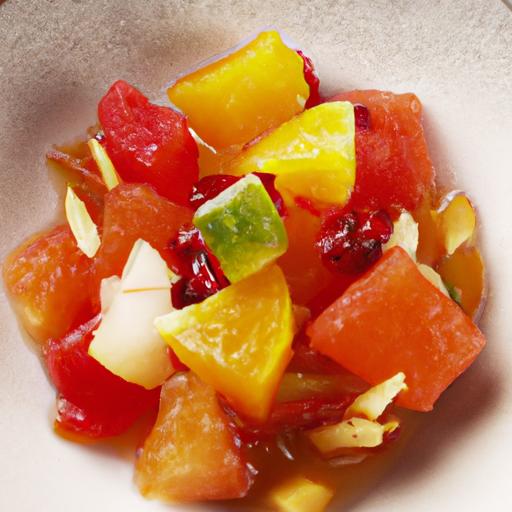

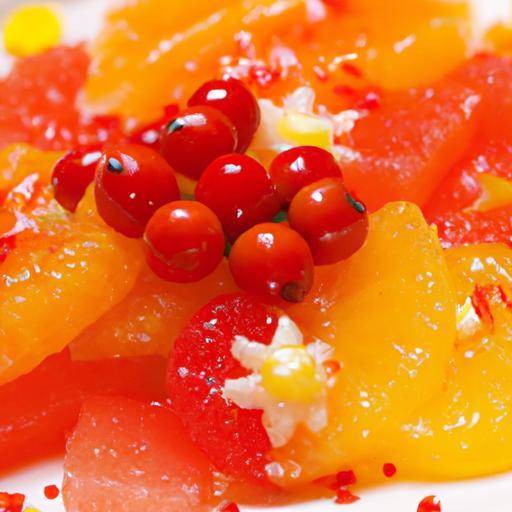
In the vibrant tapestry of Italian cuisine, where every region boasts its own culinary treasures, one enchanting specialty shines with a unique blend of sweetness and spice: Easy Homemade Mostarda: Stop Buying Expensive Jars, frequently enough draped across rustic tables and elegant feasts alike, is a celebration of Italy’s rich tradition and inventive palate. More than just a condiment, Mostarda weaves together the essence of sun-kissed fruits and sharp, aromatic mustard essence into a symphony of flavors that surprises and delights with every bite. join us as we uncover the origins, varieties, and cultural charm of Mostarda-the magic that adds a sparkling twist to Italy’s gastronomic heritage.
Origins and Cultural importance of Mostarda in Italian Cuisine
Easy Homemade Mostarda begins deep in the heart of Northern Italy, where this zingy, candied fruit condiment has long been a treasured fixture on festive tables and everyday meals alike. Originating in the Lombardy region during the Renaissance, mostarda was initially crafted as a clever preservation method that married the sweetness of candied fruits with the fiery bite of mustard essence. This harmonious combination beautifully reflects Italy’s passion for balancing bold flavors and textures.
In Italian culture, mostarda is more than just a condiment – it’s a celebration of harvest bounty and culinary artistry. traditionally served during Christmas and Easter feasts, it was designed to complement rich, hearty dishes, offering contrast and brightness. Over hundreds of years, the recipe evolved to celebrate local fruits: crisp apples, succulent pears, tart cherries, and candied quinces often star in this versatile delight.
Today, mostarda magic is embraced across Italy and beyond, both in timeless forms and modern reinterpretations, making it a culinary bridge between the past and present.
Exploring Traditional and Modern Variations of Mostarda
The classic mostarda showcases a medley of candied fruits submerged in a mustard-flavored syrup, typically made with mustard powder or a special mustard essence called “essenza di senape.” In Lombardy,the traditional Mostarda di Cremona features vibrant,colorful fruits preserved to tender sweetness with a sharp mustard tang that awakens the palate.
Meanwhile, the piedmontese variant often uses quinces with a mellow, floral mustard syrup, offering a subtly spiced profile. Modern takes have introduced inventive twists - using locally sourced seasonal fruits like raspberries, blueberries, or citrus segments and infusing them with diverse mustard bases, including Dijon or whole-grain mustard for texture.
Some chefs experiment by softening the syrup’s heat or blending honey and vinegar for added layers of complexity. These contemporary approaches still pay homage to the original essence but adapt mostarda magic to complement a broader range of dishes and dining styles.
Pairing Mostarda with Cheese and Meats for an Elevated Tasting Experience
To truly appreciate the bold contrasts that mostarda magic brings, pairing it with rich, savory foods is essential. The condiment’s sharp sweetness and pungent mustard heat create a vibrant synergy when teamed with aged cheeses like Parmigiano-Reggiano, Pecorino Toscano, or a creamy Gorgonzola. Try a thin smear alongside a wheel of cheese on a rustic wooden board, garnished with toasted nuts and mild honey for balance.
Mostarda also elevates roasted and braised meats, especially beef, game, or poultry. Its fruity brightness cuts through fatty richness, refreshing each bite. As an example, spoon a dollop atop slow-roasted beef brisket or herb-roasted chicken to add a lively, gourmet touch. Vegetarian pairings shine as well; roasted root vegetables, grilled polenta, and hearty mushrooms become irresistible when topped with this zesty condiment.
The layers of texture and flavour meen this versatile accompaniment is a conversation starter at any meal, igniting the senses and inviting experimentation.
Crafting Your Own Mostarda at Home: A Step-by-Step Guide
Mostarda magic is surprisingly approachable to make at home, allowing you to customize your balance of sweetness, spice, and texture. Fresh seasonal fruits,a well-balanced mustard syrup,and a little patience are all you need to conjure this Italian treasure right in your kitchen.
Prep and Cook Time
- Planning: 25 minutes
- Cooking & Setting: 45 minutes
- Total time: 1 hour 10 minutes
Yield
- Approximately 2 cups (about 8 servings)
Difficulty Level
- Medium
Ingredients
- 1 cup white sugar
- 1 cup water
- 1 tablespoon mustard seeds
- 1 tablespoon mustard powder
- 1 teaspoon turmeric (for color and warmth)
- 1 cup mixed fruit, peeled and diced (such as pears, apples, and quinces)
- 1/2 cup candied cherries (halved)
- 1/2 cup diced candied citron
- Juice of 1 lemon
- Pinch of salt
Instructions
- Prepare the mustard syrup: In a medium saucepan, combine sugar and water. Cook over medium heat, stirring occasionally until the sugar dissolves and syrup begins to simmer.
- Toast the mustard seeds: In a dry skillet, gently toast mustard seeds until fragrant (about 1-2 minutes). Transfer them to a mortar and pestle or spice grinder and crush coarsely with the mustard powder.
- Add spices: Stir the crushed mustard seeds, mustard powder, and turmeric into the simmering syrup. Let the mixture simmer gently for 3-5 minutes, allowing the flavors to meld, then remove from heat.
- Prepare fruits: Dice fresh fruits into uniform pieces to ensure even candying. Toss them gently with lemon juice and a pinch of salt to enhance brightness.
- Combine fruits and syrup: While the syrup is still warm (not boiling), add fresh and candied fruits to the pot. Stir to coat all pieces thoroughly with the syrup.
- Cool and infuse: Transfer the mixture into a sterilized jar or container. Let it cool to room temperature, then refrigerate for at least 24 hours to develop depth and meld the flavors beautifully.
- Serve: Bring to room temperature before serving alongside cheeses or meats. Gently stir before each use to distribute the syrup evenly.
Chef’s Notes & Tips for Success
- Fruit selection: Use firm fruits that hold their shape during cooking like apples, pears, and quinces. Avoid overripe fruit to prevent mushiness.
- Adjust mustard heat: For more spice, increase mustard powder slightly or infuse for longer. To mellow, use less mustard or add a splash of honey to the syrup.
- Storage: Homemade mostarda will keep refrigerated for up to one month. Its flavor often deepens with time.
- Make-ahead: This condiment tastes best when made a day in advance, allowing the mustard and fruit to fully intermingle.
- Variation: Try adding grated ginger or a star anise pod to the syrup for unique aromatic notes.
Serving Suggestions
Present your homemade mostarda magic on a rustic cheese board with an assortment of aged cheeses such as Parmigiano-Reggiano, creamy Gorgonzola, or buttery Asiago. Spread atop warm grilled vegetables or drizzle over roasted chicken breasts to enliven every bite. Garnish with fresh herbs like thyme or rosemary for visual appeal and fragrance. Pair with crusty artisan bread and honeycomb for a truly decadent experience.

| Nutrient | Per 1 Tbsp Serving |
|---|---|
| Calories | 45 kcal |
| Protein | 0.2 g |
| Carbohydrates | 12 g |
| fat | 0.1 g |
Looking to expand your Italian condiment repertoire? Discover how to prepare a classic Pesto Genovese-another vibrant favorite that captures Italy’s love for fresh, bold flavors. For a deeper dive into Italian culinary traditions, visit Accademia Italiana Chef’s Mostarda History.
Q&A
Q&A: Easy Homemade Mostarda: Stop Buying Expensive Jars!
Q1: What is Mostarda, and why is it called a “zesty candied fruit delight”?
A: Mostarda is a traditional Italian condiment that beautifully marries the sweetness of candied fruit with a piquant mustard-flavored syrup. Originating from Northern Italy, it’s called “zesty” due to the sharp, mustardy kick that perfectly balances the sugary candied fruits-creating a symphony of flavors that is both vibrant and unique.
Q2: Which fruits are commonly used to make Mostarda?
A: Mostarda showcases a dazzling palette of seasonal fruits such as cherries, pears, plums, quinces, apples, and sometimes citrus peel. These fruits are carefully candied to retain their natural texture and sweetness before being immersed in the mustard-infused syrup, contributing to a multi-layered taste experience.
Q3: How is Mostarda traditionally prepared?
A: The process begins by candying the fruit-slowly simmering them in sugar syrup until they become tender and translucent. Separately, a mustard essence is prepared, often using mustard seeds or mustard essence mixed with vinegar and sugar. The candied fruit and syrup are then combined, allowing the flavors to meld over time into that signature tangy-sweet harmony.
Q4: In what ways can Mostarda be enjoyed in Italian cuisine?
A: Mostarda is incredibly versatile! It’s commonly served alongside hearty cheeses like aged Parmigiano or creamy Gorgonzola, enhancing their richness with a citrusy spark. It also pairs delightfully with roasted root vegetables or drizzled over grilled polenta, adding a surprising twist of flavor to traditional dishes.
Q5: Is Mostarda only popular in a specific region of Italy?
A: While variations of Mostarda can be found throughout Italy, the condiment is especially cherished in the Lombardy and Emilia-Romagna regions. Each area boasts its own distinct recipe, frequently enough reflecting local fruits and mustard blends, making the Mostarda experience wonderfully regional and diverse.
Q6: Are there any modern twists on Mostarda that spotlight its versatility?
A: Absolutely! contemporary chefs experiment with exotic fruits like mango or figs and infuse the mustard syrup with unique spices such as star anise or chili flakes. Some create Mostarda-inspired desserts, incorporating the tangy-sweet condiment into ice creams or tarts for a playful Italian flair.
Q7: Can Mostarda be made at home,and are there any tips for success?
A: Mostarda is a rewarding kitchen project for adventurous cooks. The key lies in balancing sweetness with the pungency of mustard-start with milder mustard and gradually adjust to taste.Use fresh, firm fruits for candying and allow the mixture to rest for several days to develop depth. Patience truly unlocks Mostarda’s magic!
Q8: What makes Mostarda stand out compared to other fruit preserves or condiments?
A: Unlike typical jams or marmalades, Mostarda’s hallmark is the spicy, mustardy bite that cuts through the sweetness. This contrast creates a dynamic taste profile, making it a standout accompaniment-not just a spread. It adds zest and intrigue to the palate, elevating every dish it joins.
Dive into the world of Mostarda and discover how this centuries-old Italian treasure can bring a zingy sparkle to your culinary adventures!
The Conclusion
From bustling Northern markets to elegant Tuscan tables,Mostarda captures the essence of Italy’s culinary artistry-where simple fruits meet fiery mustard in a harmonious dance of flavors.This zesty candied fruit delight isn’t just a condiment; it’s a vibrant story of tradition, innovation, and a touch of magic that continues to brighten plates and palates alike. Whether draped over a roasted roast or paired with sharp cheeses, Mostarda invites you to savor a unique slice of Italy’s zestful heritage-one tangy bite at a time.