
Chewy No-Bake Chocolate Oatmeal Cookies: Why They Work
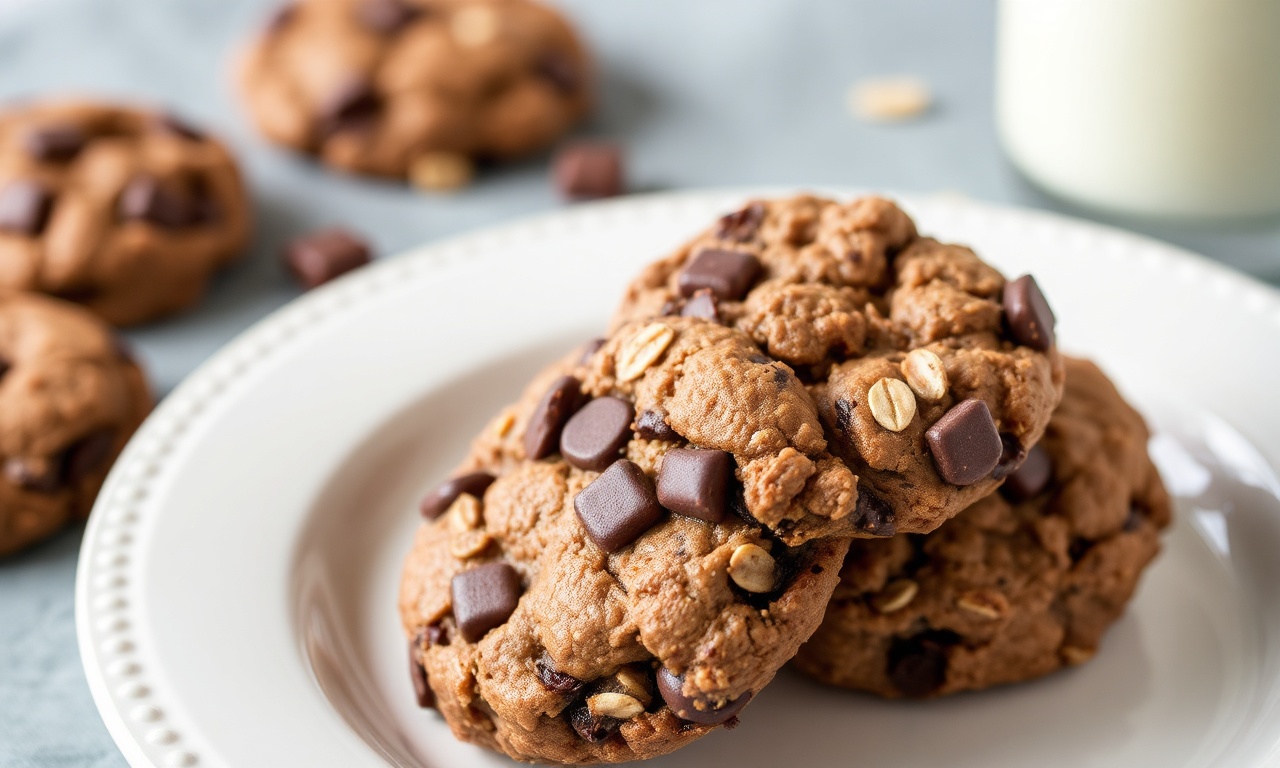
Chewy no-bake chocolate oatmeal cookies deliver a thick, spoonable bite that firms as the syrup cools. You skip the oven, yet you still get a real “cookie dough” texture that sets reliably.
- Chewy No-Bake Chocolate Oatmeal Cookies: Why They Work
- What Makes These Cookies Chewy (Not Just Sweet Clumps)?
- 45-Minute No-Bake Recipe: Ingredients You Can Trust
- Step-by-Step: How to Make Chewy No-Bake Chocolate Oatmeal Cookies
- Step 1: Prep and Dry-Mix
- Step 2: Cook the Chocolate Syrup
- Step 3: Flavor and Combine
- Step 4: Shape and Set
- How to Customize Without Breaking the Texture
- Troubleshooting: Fix Common No-Bake Cookie Problems
- Storage and Make-Ahead Strategy
- Serving Ideas That Make Them Feel “Special”
- Nutrition Snapshot (Approximate Per Cookie)
- FAQ: Chewy No-Bake Chocolate Oatmeal Cookies
For best results, follow the boil-and-cool method. When you do, the oats hydrate and the sugar-butter matrix forms the chew you want.
At a Glance
- Rolling boil sets the chew—timing controls moisture loss and viscosity.
- Rolled oats hold texture—they stay toothsome after soaking.
- Cooling finishes the structure—butter firms and sugar stabilizes.
- Balance add-ins—too much moisture can keep cookies soft.
No-bake cookies work because the hot syrup thickens during boiling. Once you stir in the oats, the mixture turns cohesive and glossy. Then, cooling locks that structure in place.
Think of this as a controlled confection process. Sugar concentration rises as water boils off, and that helps oats swell without turning crumbly.
If you want the science behind thickening, see sugar and how heated sugar solutions behave. For cocoa’s role in flavor and structure, check cocoa.
What Makes These Cookies Chewy (Not Just Sweet Clumps)?
Chew comes from the right mix of starch (oats), fat (butter), and dissolved sugar. Rolled oats provide a sturdy bite, while butter and sugar create the firm, sliceable structure.
During boiling, the syrup thickens as water content drops. This thicker syrup coats oats and helps them hydrate evenly instead of drying out later.
Cocoa powder also matters. It adds flavor and contributes to the overall thickness of the dough when you mix it into hot syrup. For more background on cocoa types and uses, visit cocoa powder.
When you get the boil right, the dough holds its shape when scooped. That shape holds through cooling, which is the key difference versus runny no-bakes.
The “Boil-and-Cool” Texture System
Undercooking leaves extra free water in the syrup. Then the cookies stay soft or sticky after you cool them.
Overcooking can push sugar concentration too far. That can make cookies grainy or dry because the syrup and oat hydration don’t stay balanced.
Use a timer so the boil stays consistent batch to batch. After boiling, cool the cookies undisturbed so fats and sugars can set properly.
For a helpful overview of how fats behave with heat and cooling, see butter. For general background on oats as an ingredient, read oat.
Why Cooling Takes the Lead
Even after you turn off the heat, the dough continues to change. Butter cools and firms, and sugar holds moisture in a more stable form.
That is why “I ate them right away” often leads to a softer bite. Cooling gives each cookie time to set in the center, not just at the edges.
If you want faster firming, you can chill the tray briefly. Chilling speeds fat set, but it still needs time to stabilize inside each mound.
45-Minute No-Bake Recipe: Ingredients You Can Trust
This recipe makes about 22–26 cookies, depending on scoop size. The ingredient ratios target thick syrup, proper oat hydration, and a firm set after cooling.
No-bake cookies reward accuracy. Measure sugar, butter, and milk the same way each time so the syrup reaches the right consistency.
Key Ingredients
Rolled oats (not instant): Rolled oats stay structured after soaking in hot syrup. Instant oats absorb faster, which often softens the final texture.
Unsweetened cocoa powder: Cocoa builds deep chocolate flavor and thickens the dough when mixed into hot syrup. If you want more on cocoa’s role, see cocoa.
Granulated sugar: Sugar dissolves during boiling and sets as it cools. It also creates that classic glossy no-bake look.
Unsalted butter: Butter provides fat for structure as the cookies cool. Salted butter works too, but reduce any extra added salt if your butter is very salty.
Milk: Milk adds water for syrup formation and helps the mixture boil evenly. Use whole milk for consistent thickening.
Vanilla extract and a pinch of salt: Vanilla rounds cocoa’s flavor, and salt boosts chocolate depth.
Optional Add-Ins (Choose One Type)
Keep add-ins modest so the dough stays thick enough to set. Nuts add crunch, while coconut adds flavor and extra chew.
If you add very moist items, the syrup balance shifts. That can delay or prevent full setting when the cookies cool.
For oat-based nutrition context, review oat. For cocoa chemistry basics, the cocoa powder page also helps clarify why cocoa behaves like a dry ingredient in batters.
Step-by-Step: How to Make Chewy No-Bake Chocolate Oatmeal Cookies
Start with prep so you can move quickly once the syrup boils. Line baking sheets with parchment and keep a spoon or scoop ready.
Then you cook the syrup, stir it into the oat-cocoa mixture, shape the mounds, and cool until firm.
Step 1: Prep and Dry-Mix
Line two baking sheets with parchment paper. Because these cookies set at room temperature, trays need to be ready before you pour syrup.
In a medium bowl, combine 2 cups rolled oats, 1/2 cup unsweetened cocoa powder, and 1/4 tsp salt. Stir until the cocoa looks evenly distributed.
Step 2: Cook the Chocolate Syrup
In a medium saucepan, add 1 cup granulated sugar, 1/2 cup unsalted butter, and 1/2 cup whole milk. Heat over medium, stirring until the butter melts and sugar dissolves.
When you reach a full rolling boil, start timing. Keep it at that boil level so the syrup thickens properly.
Step 3: Flavor and Combine
Remove the saucepan from the heat. Stir in 1 tsp vanilla extract, then pour the hot syrup over the oat mixture.
Stir vigorously until the mixture becomes thick and glossy. The dough should look cohesive and scoopable, not runny.
Step 4: Shape and Set
Scoop or spoon mounds onto the prepared trays. Aim for about 1 tablespoon per cookie and leave 2 inches between mounds.
Cool at room temperature for 25–35 minutes. For firmer cookies sooner, chill for 12–15 minutes.
How to Customize Without Breaking the Texture
The dough should pile up when you scoop it. If it looks runny, the syrup likely didn’t boil long enough or you added too many moisture-heavy add-ins.
Fix next time by measuring closely and matching the boil time. No-bake cookies need that repeatable heat-to-thicken step.
When you add mix-ins, choose low-moisture options. That keeps the oat-syrup balance steady so cookies set at the same rate.
Nuts for Crunch
Stir in 1/4 cup finely chopped walnuts or pecans. Keep pieces small so they distribute evenly in each cookie.
Toast nuts for 5–7 minutes before adding if you want extra depth. The extra roast flavor pairs well with cocoa’s chocolate notes.
Coconut for Chewy Edges
Add 1/4 cup shredded coconut. For a cleaner texture, use unsweetened coconut and toast briefly first.
Coconut can absorb a bit of moisture. That is why you should keep the quantity modest so the dough still sets on time.
Spices for a Mocha Profile
Add 1/2 tsp cinnamon for a classic oatmeal-cookie vibe. For a subtle heat, use a tiny pinch of cayenne or a small amount of espresso powder.
Espresso powder boosts roasted cocoa flavor without adding liquid. If you want a general reference for caffeine-related coffee compounds, see coffee.
Reduced Sweetness (Smart Swaps)
You can replace up to 1/4 of the sugar with brown sugar or coconut sugar. Still, do not cut sugar too far because sugar drives thickening and setting.
Heavily reduced sugar can lead to a softer cookie. The syrup may not reach the same viscosity at the same boil time.
Troubleshooting: Fix Common No-Bake Cookie Problems
No-bake cookies fail for predictable reasons. Most issues trace back to syrup thickness, ingredient ratios, or cooling conditions.
Use these checks so your next batch sets chewy and stays firm.
Cookies Stay Too Soft
Most often, the syrup didn’t boil long enough. Re-run the recipe with a full 60-second rolling boil and measured ingredients.
Warm kitchens can slow setting too. Chill the tray for 15 minutes, then check the centers.
Cookies Turn Grainy
Graininess often comes from overcooking or incomplete sugar dissolution. If sugar doesn’t dissolve, it can crystallize as the syrup cools.
Stir until the butter melts and sugar dissolves before you bring the mixture to rolling boil.
Cookies Are Dry or Hard
Over-boiling concentrates sugars too much. That can pull moisture from the oats and leave a tougher bite.
Keep the boil time exact. Also avoid adding extra oats because more oats can absorb more syrup and shift texture.
Cookies Spread or Lose Shape
If mounds flatten right away, the dough may be too warm or too thin. Make sure you boil at the right level and stir until glossy and thick.
If the dough seems loose, rest it for 2 minutes before scooping. A short rest helps it thicken slightly before portioning.
Storage and Make-Ahead Strategy
No-bake cookies keep well because the sugar-butter matrix holds moisture and structure. Still, texture can shift as cookies sit.
If you want the best chew, store them airtight and plan your serve timing.
Room Temperature
Store in an airtight container for up to 5 days. Use a single layer when possible, or add parchment between layers.
Avoid humidity if you can. Wet air can soften the cookie surface even when the centers stay set.
Refrigerator
Chill cookies in an airtight container for 1–2 weeks. They usually firm up and become slightly less glossy.
When you serve, let cookies sit at room temperature for 10 minutes. That brings back a chewier bite.
Freezer
Freeze cookies in a sealed container for up to 2 months. Thaw overnight in the refrigerator for best texture control.
If cookies feel too firm after freezing, warm them at room temperature. You can also let them sit longer next time before serving.
Serving Ideas That Make Them Feel “Special”
These cookies taste rich on their own. If you want a dessert-table look, add a chocolate drizzle or a light sea-salt finish.
You can also pair them with hot drinks. Chocolate and coffee flavors amplify each other, and the oatmeal chew balances espresso bitterness.
Simple Garnishes
Drizzle melted dark chocolate over cooled cookies. Then sprinkle a tiny amount of sea salt to highlight cocoa notes.
You can also dust with cocoa powder for a low-mess finish.
Snack-and-Share Pairings
Serve with cold milk, hot chocolate, or black coffee. For a bright contrast, add berries or orange slices on the side.
For potlucks, pack cookies in small paper liners. That keeps them neat during transport.
Nutrition Snapshot (Approximate Per Cookie)
Nutrition varies by brand and by your scoop size. This estimate assumes medium-sized cookies made with the ingredient amounts listed above.
Use it as a baseline, not a medical measure.
Approximate per cookie: 130 calories, 2g protein, 20g carbs, 5g fat.
FAQ: Chewy No-Bake Chocolate Oatmeal Cookies
Can I use quick oats instead of rolled oats?
You can, but the texture usually turns softer. Quick oats absorb faster and often reduce the chewy, toothsome bite.
Rolled oats deliver the best chew for this boil-and-cool method.
Why does the syrup need a rolling boil?
A rolling boil signals that enough water has heated off. That thickens the syrup so it binds oats properly as it cools.
If the boil stays too gentle, cookies can remain soft because the syrup never reaches the right concentration.
How long do these cookies take to set?
Expect 25–35 minutes at room temperature. If you chill them, they often set in 12–15 minutes.
Centers should feel firm when you gently press a cookie.
Can I make them dairy-free?
Yes. Use dairy-free butter and a plant milk that works for hot cooking.
Keep the ratios close so the syrup still dissolves sugar and boils to the right thickness.
What’s the best way to store them?
Store airtight for up to 5 days at room temperature, or up to 1–2 weeks in the refrigerator.
For longer storage, freeze up to 2 months. Thaw overnight in the fridge for best results.
See also: Chewy No-Bake