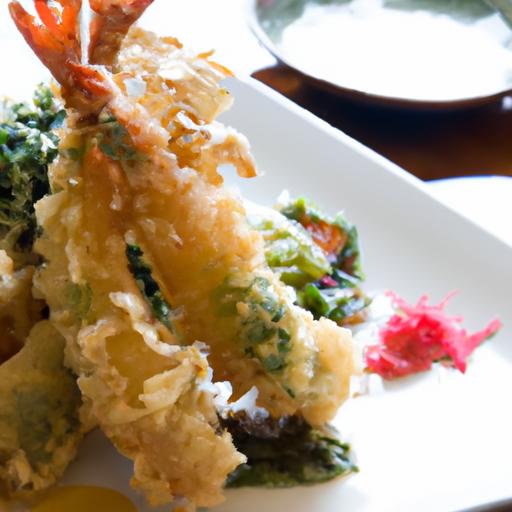

There’s a magical crunch that instantly transports your taste buds to a realm of golden delight-welcome to the world of crispy shrimp adn veggie tempura. This beloved Japanese dish isn’t just about frying; it’s an artful dance of airy batter, fresh ingredients, and precise timing that results in a symphony of textures and flavors. weather you’re a seasoned foodie or a curious home cook, our guide will unravel the secrets behind achieving that perfect, light crispiness, helping you recreate tempura that’s as visually stunning as it is irresistibly delicious. Get ready to embark on a culinary journey where shrimp and veggies transform into crispy treasures, golden and gleaming, ready to elevate your next meal.
Crispy Shrimp & Veggie Tempura: A Golden Delight Guide
Crispy Shrimp & Veggie Tempura is a joyous harmony of textures and flavors that elevates any meal into a festivity of golden crunch and vibrant freshness. Originating from Japan’s Edo period,this delicacy has charmed palates worldwide by combining juicy shrimp and crisp vegetables enveloped in an ethereal,light batter. Making tempura at home is not onyl immensely satisfying but also delivers that coveted irresistible crunch that invites one more bite.
Prep and Cook Time
- Planning: 20 minutes
- Cooking: 15 minutes
- Total: 35 minutes
Yield
Serves 4 as an appetizer or 2 as a main course
Difficulty Level
Medium – requires attention to batter consistency and oil temperature
Ingredients
- Shrimp: 12 large, deveined, tails on
- vegetables: 1 small sweet potato, peeled and thinly sliced; 1 cup green beans, trimmed; 1 red bell pepper, thinly sliced; 6 shiitake mushrooms, stems removed
- Tempura batter: 1 cup ice-cold water
- 1 large egg
- 1 cup all-purpose flour, sifted
- ½ cup cornstarch
- 1 teaspoon baking powder
- 1 teaspoon sea salt
- Oil for deep frying: 4 cups vegetable or canola oil
- Dipping sauce: ½ cup dashi broth, 2 tablespoons soy sauce, 1 tablespoon mirin, 1 teaspoon grated ginger
Choosing the Perfect Shrimp and Vegetables for Ultimate Crispiness
The foundation of every unforgettable tempura lies in selecting the freshest shrimp and the crispest vegetables. Opt for plump, firm shrimp that retain their shape during frying; those with the tail on provide a charming handle for dipping and eating.Vegetables should be varied in texture and color-think vibrant green beans, sweet bell peppers, tender shiitake mushrooms, and delicate sweet potato slices. Cutting them into uniform, thin pieces ensures even cooking and maximizes the satisfying crunch that makes Crispy Shrimp & Veggie Tempura so beloved. Pat all ingredients dry to prevent excess moisture, which can cause oil splatter and soggy batter.
Mastering the Tempura Batter for That irresistible Golden Crunch
A light,airy batter is the secret to that hallmark golden crisp. Use ice-cold water straight from the fridge and mix it gently with a single beaten egg. Sift together your flour, cornstarch, and baking powder-these ingredients create a delicate, crackling texture as the batter fries. Incorporate the dry mix just until moistened, leaving it slightly lumpy to avoid activating gluten which can toughen the coating.Resist the urge to overmix-this is key to achieving the ethereal crispness that defines this dish. Keeping the batter chilled in a bowl set over ice enhances that crunch even further.
Essential Techniques for Frying Tempura to Perfection
- Preheat the oil: Heat vegetable oil in a deep pot to 350°F (175°C); maintain this temperature with a candy thermometer for consistent frying.
- Test the oil: Drop a small pinch of batter into the oil-if it rises immediately and sizzles without browning too quickly, the temperature is just right.
- Dip & drain: Using chopsticks or tongs,dip shrimp or vegetables into the batter,allowing excess to drip off before gently lowering them into the hot oil.
- Batch fry: Cook tempura in small batches to avoid crowding, which drops the oil temperature and results in greasy, limp pieces.
- Monitor doneness: Fry shrimp for about 2-3 minutes until golden and shrimp turn pink and opaque. Vegetables may take 3-4 minutes depending on thickness; remove once crispy and lightly golden.
- Drain: Use a wire rack set over a sheet pan or absorb on paper towels to keep tempura crisp between batches.
Serving suggestions and Dipping Sauces to Elevate Your Tempura Experience
Present your Crispy Shrimp & Veggie Tempura on a bamboo or wooden platter lined with parchment for an authentic touch. Garnish with fresh lemon wedges, finely shredded daikon radish, or a sprinkle of chopped scallions for vivid contrast. The dipping sauce adds a comforting umami depth-warm dashi broth infused with soy, mirin, and a touch of grated ginger creates an elegant balance that complements the crunch without overpowering. For an adventurous twist, try a side of tangy ponzu or a spicy mayo dip. Pair tempura with steamed rice or lightly dressed greens to round out a perfectly harmonious plate.
Instructions
- Prepare ingredients: Rinse shrimp and pat dry; peel and slice vegetables uniformly.
- Make the batter: In a chilled bowl, lightly beat the egg with ice-cold water.In a separate bowl, combine sifted flour, cornstarch, baking powder, and sea salt. Gently fold dry mix into egg mixture just until combined; keep batter lumpy and cold.
- Heat oil: Preheat oil to 350°F (175°C) in a deep pot, monitoring temperature carefully.
- Fry tempura: Dip shrimp and veggies into batter, letting excess drip off. Fry in batches for 2-4 minutes until crisp and golden, turning as needed.
- Drain: Remove from oil using a slotted spoon and drain on a wire rack or paper towels to retain crispness.
- Prepare dipping sauce: Simmer dashi, soy sauce, mirin, and grated ginger for 2 minutes. Serve warm alongside tempura.
- Plate and garnish: Arrange tempura attractively with lemon wedges and scallions.Serve immediately to enjoy maximum crunch.
Tips for Success
- Keep all batter ingredients chilled and mix just before frying to preserve texture.
- Use a thermometer to maintain the oil temperature between 340°F and 360°F; this prevents greasy tempura.
- Dry shrimp and vegetables thoroughly to avoid oil splatter and soggy batter.
- For gluten-free variation, substitute all-purpose flour with rice flour or a tempura-specific gluten-free mix.
- Make the dipping sauce in advance but reheat gently before serving to preserve freshness.
- Recycle frying oil once strained through a fine sieve for future tempura sessions, but discard if oil smells off or darkens.
Nutritional Data (per serving)
| Calories | Protein | Carbs | Fat |
|---|---|---|---|
| 320 kcal | 22 g | 28 g | 14 g |

Discover more delightful Japanese recipes such as Authentic Japanese Ramen Recipe to complement your tempura feast. For further culinary inspiration and the science behind perfect frying, visit Serious Eats’ authoritative guide on tempura.
Q&A
Q&A: Crispy Shrimp & Veggie Tempura – A Golden Delight Guide
Q1: what makes tempura batter so irresistibly crispy and light?
A: The secret to tempura’s signature crispiness lies in its batter-a simple mix of cold water, flour, and sometimes a touch of egg. The cold water slows gluten formation,ensuring the batter doesn’t get heavy or doughy. When fried quickly in hot oil, the batter puffs up into a delicate, crunchy shell that perfectly envelopes the shrimp and veggies.
Q2: Which vegetables work best for tempura?
A: Vegetables with firm textures and mild flavors shine brightest in tempura form. Think bright green bell peppers, crisp snap peas, sweet potatoes sliced thin, earthy mushrooms, tender asparagus, and even slices of zucchini or eggplant. Their natural moisture and subtly sweet notes complement the shrimp’s ocean-fresh taste beautifully.
Q3: How do I keep tempura from becoming soggy once it’s out of the oil?
A: The key is to let tempura drain properly on a wire rack instead of paper towels-this prevents trapped steam that leads to sogginess. Serve it immediately after frying for that perfect, golden crunch. Also, avoid overcrowding the fryer to keep the oil temperature steady and crisp the batter evenly.
Q4: Is it necessary to use shrimp specifically for tempura? Could I try other seafood?
A: While shrimp is a classic choice, tempura welcomes a variety of seafood with open arms. Try white fish slices, scallops, or even calamari rings for an equally delightful crunch. The batter’s lightness pairs nicely with their delicate flavors, keeping each bite fresh and flavorful.
Q5: How do I achieve that signature golden color without overcooking the shrimp inside?
A: Maintain your oil temperature around 350-375°F (175-190°C) to fry quickly and evenly. This high heat crisps the outside quickly, locking in moisture. Also, choose medium-sized shrimp and pat them dry before battering to help them cook through perfectly while staying tender.
Q6: What dipping sauces complement shrimp and veggie tempura best?
A: Classic tentsuyu sauce-a delicate blend of dashi, soy sauce, and mirin-is the customary companion, offering a light umami kiss. For a modern twist, try a tangy ponzu or a ginger-scallion soy dip. Even a simple squeeze of fresh lemon can brighten the flavors without overpowering the crispness.
Q7: Can tempura be made ahead of time?
A: Tempura is best enjoyed fresh and hot for that signature crunch. However, you can prep your shrimp and veggies in advance, keep them chilled, and batter just before frying.If you must reheat,a quick pass under a broiler or in a hot oven can revive some crispiness-but nothing beats fresh from the fryer!
Q8: Are there any tips for novice tempura chefs to avoid common pitfalls?
A: Absolutely! Keep your batter cold and mix it lightly-lumps are okay,they help with texture. Don’t overwork the batter, as this can activate gluten and make it heavy. Also, use fresh oil and keep it at the right temperature, as cooler oil absorbs more batter and leads to greasiness. Lastly, frying in small batches ensures consistent crispness.
Q9: How does tempura differ from other fried dishes like pakoras or fritters?
A: Tempura is prized for its ultra-light, airy batter that creates a delicate, crackly crust, highlighting the natural flavors of the ingredients. Pakoras and fritters typically have thicker, spiced batters that offer a heavier bite and a more pronounced seasoning profile. Tempura’s elegance lies in its simplicity and subtlety.
Q10: What’s the cultural significance of tempura in Japanese cuisine?
A: Introduced to Japan in the 16th century by Portuguese missionaries, tempura has since become an iconic Japanese culinary art form. it embodies balance-crisp yet light, simple yet refined-and showcases respect for seasonal ingredients. In Japan, tempura is frequently enough enjoyed in specialized restaurants where chefs master the perfect fry, celebrating texture as much as taste.
Closing Remarks
As the final bite of crispy shrimp and veggie tempura melts away, you’re left with more than just satisfied taste buds-you carry with you the essence of a culinary tradition that masterfully balances texture, flavor, and artistry. whether you’re a seasoned tempura aficionado or a curious newcomer, this golden delight invites you to explore its crispy, light-hearted world time and time again.
So, don your apron, gather your freshest ingredients, and dive into the satisfying ritual of tempura-making. After all,every perfectly golden piece is not just food on a plate-it’s a celebration of crispness,color,and the joy of making something truly delightful right at home.