
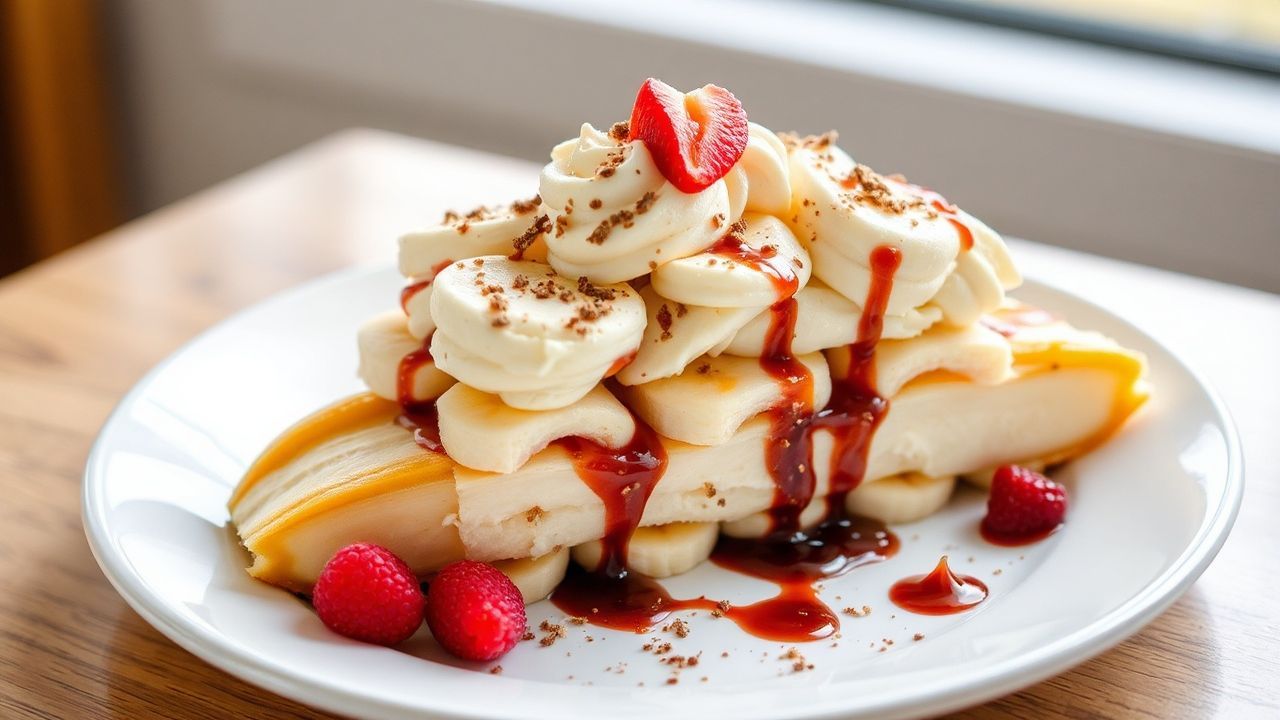
Few desserts pull people back to simpler summers like the classic banana split. Creamy ice cream, ripe bananas, and bold toppings create a balance you can taste in the first spoonful. The result feels nostalgic, yet it stays crowd-pleasing year after year.
- The Timeless Appeal of a Classic Banana Split
- History and origins of the Banana Split
- Classic Banana Split Recipe (Prep, Assemble, Serve)
- Tips for Success: Crafting Your Ultimate Banana Split Experience
- Pick bananas with the right ripeness
- Control melting with timing
- Choose toppings that match the classic profile
- Serving Suggestions for a Classic Banana Split
- Nutritional Snapshot (Estimate)
- Banana Split Variations That Keep the Classic Core
- In Summary
- FAQ
- Flavor balance: sweet banana + three ice creams + bright sauces.
- Textural contrast: creamy, crunchy, and fruity in one dish.
- Easy assembly: you can build it at home in about 25 minutes.
- Make it your own: swap toppings while keeping the classic structure.
This dessert also carries real cultural weight. Banana split history links to the U.S. soda fountain era, when pharmacists and diners served cold treats to match warm weather and busy downtown life. If you want a quick background on the snack tradition, see soda fountain.
The Timeless Appeal of a Classic Banana Split
The classic banana split works because it builds contrast on purpose. You start with sliced bananas that taste sweet and clean, then you layer three scoops of ice cream for a creamy temperature hit. Finally, toppings add color, acidity, and crunch.
That structure mirrors how classic American desserts often balance multiple taste notes. For an overview of how desserts use sugar, fat, and flavoring to create “roundness,” you can reference dessert. The banana split succeeds because each component plays a specific role instead of competing for attention.
Why three ice creams matter
The classic format usually includes vanilla, chocolate, and strawberry. Together, these flavors cover the core taste profiles people expect from a retro sundae. Vanilla acts as a neutral base; chocolate adds deep bitterness and sweetness; strawberry brings berry brightness.
If you want more context on ice cream composition, check ice cream. The fat and sugar in ice cream help toppings cling and melt at a steady pace, so the first bite stays balanced.
How the banana changes every bite
Bananas bring soft fruit sweetness and a slightly starchy texture that thickens the overall mouthfeel. When you slice them lengthwise, you create a stable base that holds toppings and helps the dish look neat. This matters for both taste and presentation.
For fruit chemistry basics—like why bananas taste sweet as they ripen—use banana as a factual reference point.
History and origins of the Banana Split
Most records place the banana split’s invention in the early 1900s in the U.S., tied to a soda fountain setting. Many accounts credit a pharmacist who created a special dessert to draw customers during warm months. Even if your memory of the story differs, the theme stays consistent: cold, shareable comfort.
To understand why soda fountains shaped these recipes, read pharmacy. Drugstores often served as community hubs, so “special” desserts became part of local food culture.
From diner special to home favorite
As ice cream brands expanded, the banana split became easier to recreate at home. More flavors also appeared, but the core pattern stayed: split banana, trio of ice creams, and a toppings crown. That mix lets you customize without losing the identity of the dessert.
The dish also fits the broader trend of sundaes and plated desserts that reward creativity. For a baseline definition of sundae formats, reference sundae.
Classic Banana Split Recipe (Prep, Assemble, Serve)
Use this build to make a classic banana split that tastes right and looks correct. Keep your bananas firm, use quality ice cream, and warm your sauces slightly so they pour smoothly. Then assemble fast so the texture stays thick, not watery.
Because the dish depends on timing, plan your toppings first. Set out cherries, nuts, fruit sauces, and syrup so you can finish in one flow. That small workflow step makes a big difference when you serve guests.
Prep and cook time
- Readiness Time: 15 minutes
- Assembly Time: 10 minutes
- Total Time: 25 minutes
Yield
Serves: 2 generous classic banana splits.
If you scale up, keep the same ratio: 1 banana per split, three scoops total, and even topping coverage.
Difficulty level
Easy: perfect for home kitchens and weeknight dessert cravings.
You do not need special tools. A sturdy spoon, a cutting board, and a chilled bowl for whipped cream will cover most steps.
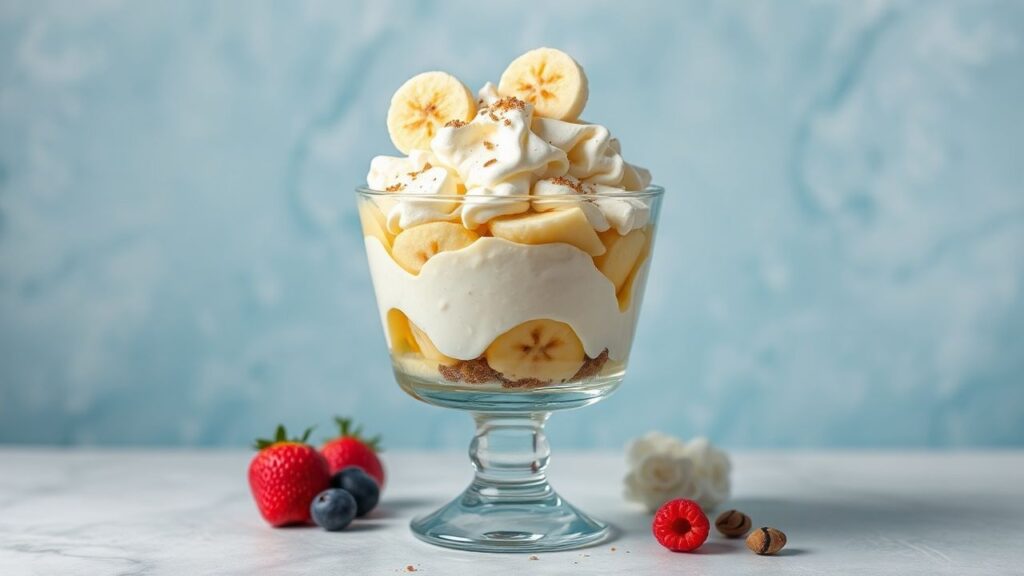
Ingredients
- 2 ripe bananas, peeled and sliced lengthwise
- 3 scoops of ice cream (classically vanilla, chocolate, and strawberry)
- 1/4 cup chocolate syrup, warmed for drizzle
- 1/4 cup fresh pineapple chunks or pineapple topping
- 1/4 cup strawberry sauce, homemade or store-bought
- 1/4 cup chopped roasted peanuts (or walnuts for extra texture)
- 1 cup whipped cream, freshly whipped if possible
- 2 maraschino cherries, for garnish
Instructions
- Prepare the bananas: Slice each banana lengthwise into two even halves. Place the halves in a classic elongated banana split dish or a sturdy dessert bowl.
- Scoop the ice cream: Add three scoops between the banana halves. Use vanilla in the center, then chocolate and strawberry on the sides for the traditional look.
- Add fruit and sauces: Spoon pineapple over the vanilla side. Pour strawberry sauce over the strawberry ice cream. Warm chocolate syrup slightly and drizzle it over the chocolate scoop.
- Add the crunch: Sprinkle chopped roasted peanuts across the top so you get crunch in every few bites.
- Finish with whipped cream: Pile whipped cream over the split. Form soft peaks for a stable, attractive dome.
- Garnish: Place a maraschino cherry near each side of the dish.
- Serve immediately: Eat right away so the fruit stays bright and the ice cream texture stays thick.
Want a quick approach that improves consistency? You can pre-portion toppings and keep them covered in the fridge. That way, you pour and sprinkle at the exact moment you assemble.
When you follow the structure, you also avoid the “one-note sundae” problem. Each sauce and topping hits a different taste cue, so the dessert feels layered instead of one big sweetness wave.
Tips for Success: Crafting Your Ultimate Banana Split Experience
Small choices make the classic banana split taste more “diner-perfect.” Start with firm bananas, warm syrups just enough to drizzle, and keep whipped cream cold until the final second. Then focus on even coverage so every spoonful includes fruit, cream, and sauce.
Also, aim for a clean serve. Wipe the rim of the dish if sauce drips, and keep nuts scattered on top rather than buried under whipped cream. That way, crunch stays easy to detect.
Pick bananas with the right ripeness
Choose bright yellow bananas with a few brown specks. They should feel slightly soft but not mushy. Firm bananas hold their shape while still tasting sweet and ripe.
If you prefer a more tangy bite, add extra pineapple chunks. The fruit’s acidity helps cut the richness of ice cream and whipped cream.
Control melting with timing
Ice cream starts to soften the moment you assemble. For best texture, set up everything first and build in a single pass. Serve right after you finish whipped cream and cherries.
Cold plates can help too. If you have time, chill your bowls for 10 minutes before assembly.
Choose toppings that match the classic profile
Classic splits usually include whipped cream, maraschino cherries, nuts, and a drizzle of chocolate plus fruit sauces. Those flavors also pair well with vanilla and strawberry because they bring complementary sweetness and acidity.
For nut and roasted flavors that add depth, focus on chopped roasted peanuts. Their salt and crunch make the dessert feel more “finished,” not just sweet.
Serving Suggestions for a Classic Banana Split
Serve the classic banana split in the right container. A long, split-shaped dish helps the bananas and scoops stay separated, which keeps each flavor distinct. If you use a bowl, keep the banana halves spaced so sauces do not fully mix.
Pair it with a cold drink that balances sweetness. Sparkling lemonade works well because its bubbles and acidity lift the palate. If you want coffee notes, a cold brew can add bitterness that matches chocolate syrup.
Build-your-own dessert station
If you host a family gathering, set up a simple topping bar. Offer extra fruit sauces, chopped nuts, and extra cherries. Then let each person customize while you keep the base structure classic.
This works because the banana split’s identity depends on its core components. You can vary what sits on top, but you should keep the split banana and the three-ice-cream lineup.
Nutritional Snapshot (Estimate)
Below is an approximate nutritional snapshot per serving. Actual numbers vary based on ice cream brand, portion size, and how much whipped cream you use. Still, this gives you a useful reference for planning dessert.
To understand why ice cream can range widely in calories, remember that ingredients like fat content and added sugars differ across brands. For general context, review ice cream.
| Nutritional Info (per serving) | Amount |
|---|---|
| Calories | 480 kcal |
| Protein | 6 g |
| Carbohydrates | 65 g |
| Fat | 20 g |
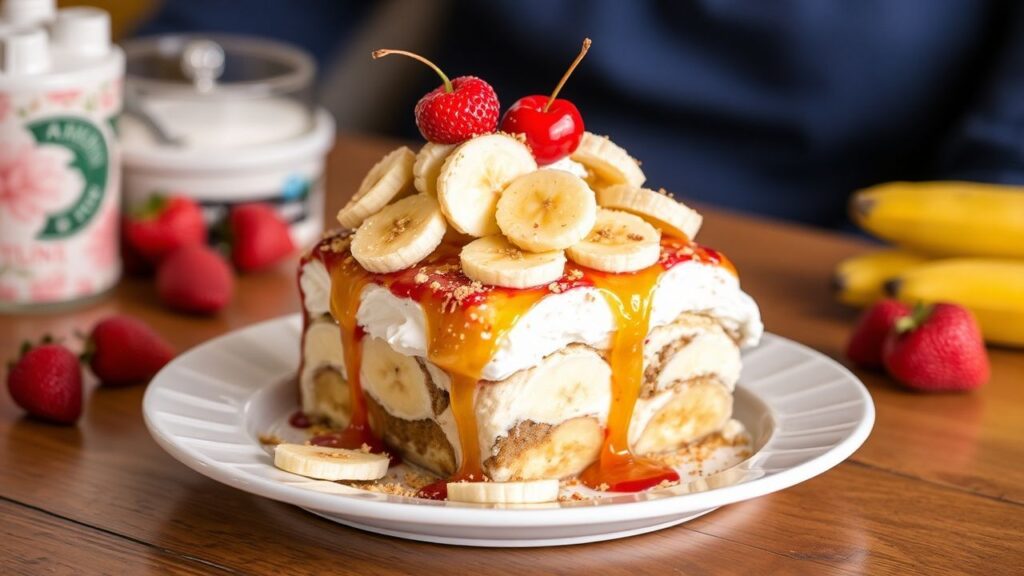
Banana Split Variations That Keep the Classic Core
You do not need to abandon tradition to update the classic banana split. Swap one element at a time while keeping the same overall structure: split banana, three ice cream notes, then sauces plus crunch.
If you want a more modern fruit feel, use extra berries alongside pineapple. If you want a richer chocolate note, use a thicker chocolate sauce rather than a thinner syrup. The goal stays simple: strong flavor, clear contrast, and a balanced bite.
Better-for-you swaps (practical options)
Try using lower-sugar strawberry sauce or a fresh berry mix. You still get fruit brightness, but the sweetness does not overwhelm the banana. Keep portion sizes similar so texture does not collapse.
For another dessert structure reference, see cuisine. It helps explain why regional treats adapt while keeping the core pattern recognizable.
Texture upgrades
If you dislike peanuts, use toasted walnuts or a nut-free crunch like granola. For a more crisp bite, add crunch right after whipped cream so it stays visible and does not soften instantly.
You can also drizzle caramel in a thin line, but keep it light. Too much caramel can blur the chocolate-banana contrast that makes the dish feel “classic.”
In Summary
The classic banana split remains popular for one main reason: it delivers balance in every spoonful. You get sweet banana, creamy ice cream, and bright sauces plus crunch. That combination fits both nostalgia and modern taste.
Build it fast, serve it cold, and keep the core structure intact. When you do that, the dessert tastes like a true retro sundae—whether you eat it at home or serve it at a party.
FAQ
What makes a classic banana split different from other sundaes?
A classic banana split uses a split banana as a built-in base plus a trio of ice creams, usually vanilla, chocolate, and strawberry. It also relies on fruit sauces and toppings that cover each ice cream note.
How ripe should the bananas be?
Use bananas that are bright yellow with a few brown specks. They should be sweet but still firm enough to slice cleanly without turning mushy.
Can I make a banana split ahead of time?
You can prep toppings and slice bananas ahead. Assemble the banana split close to serving so the ice cream stays thick and the fruit remains fresh.
What toppings are most traditional?
Common classic toppings include whipped cream, maraschino cherries, chopped roasted peanuts, and drizzles of chocolate and fruit sauces such as strawberry and pineapple.
How do I stop the dessert from becoming watery?
Warm syrups only slightly for drizzle, use firm bananas, and build quickly. Serve right away so melting does not dilute the sauces and toppings.
See also: classic banana split