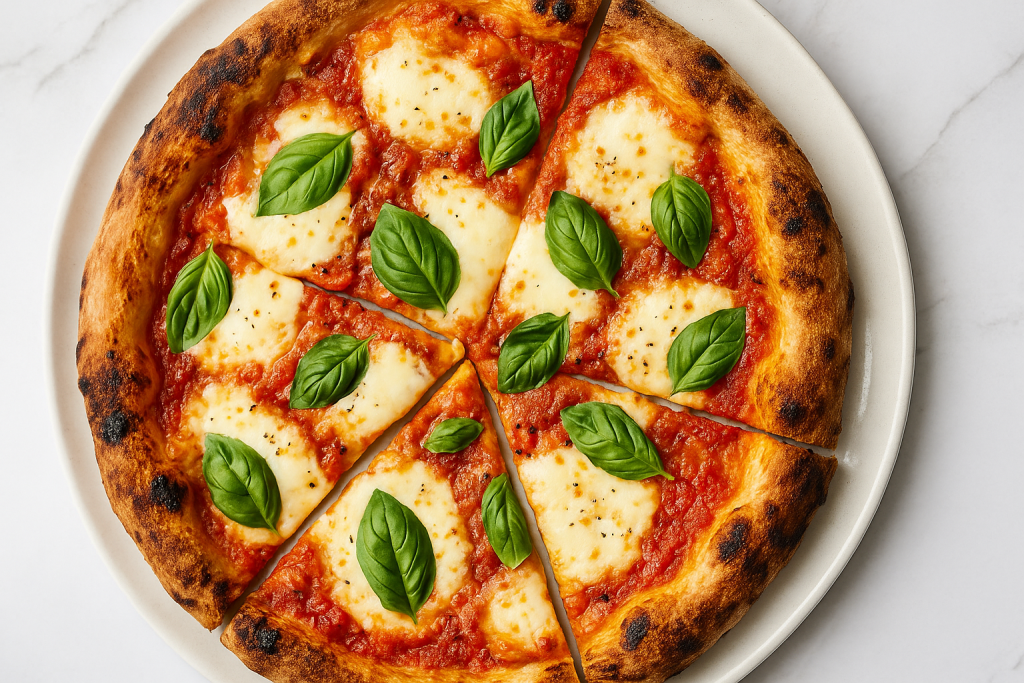

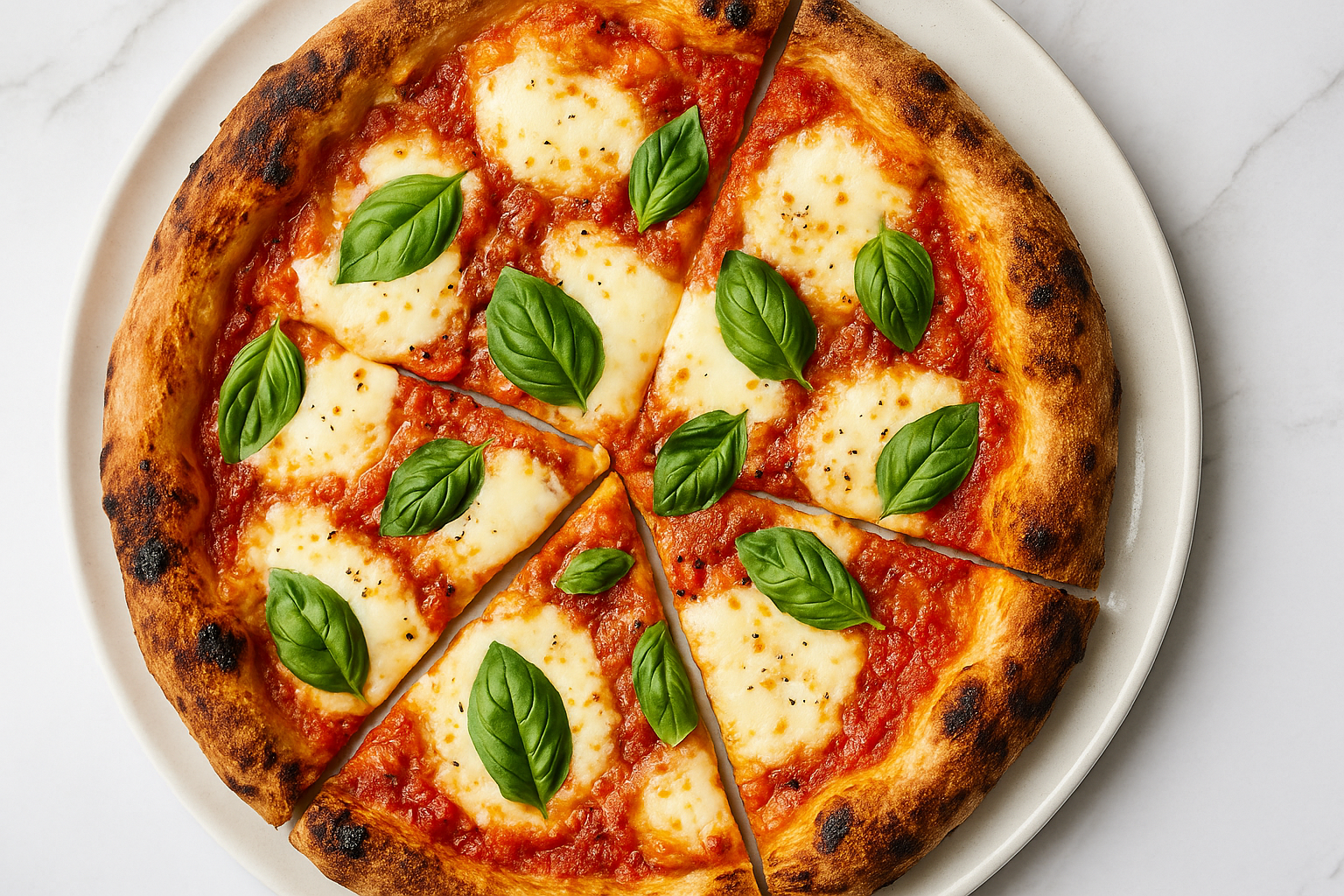
There’s something undeniably magical about a perfect pizza crust-the way it strikes the ideal balance between crispy and chewy, with just the right hint of golden-baked warmth. Whether you’re a seasoned home baker or a curious novice, mastering the art of pizza dough is the first step toward transforming simple ingredients into a culinary masterpiece. In this ultimate guide, we’ll unravel the secrets behind the best pizza dough recipe, exploring essential techniques, ingredient choices, and expert tips that will elevate your homemade pies to pizzeria-worthy perfection. get ready to roll up your sleeves and embark on a tasty journey that begins with dough and ends with pure satisfaction.
Master the Art: Ultimate Guide to the Best Pizza Dough Recipe begins with understanding the foundational elements that transform simple ingredients into an irresistible, golden-baked pizza crust.Choosing the perfect flour, mastering yeast activation, kneading techniques, and fermentation times are the secrets to achieving that light, chewy texture and deep, complex flavour that define a truly remarkable dough.
Prep and Cook Time
- Prep Time: 20 minutes
- Fermentation: 1 to 24 hours (depending on recipe variant)
- Cook Time: 8 to 12 minutes
Yield
Makes 2 large 12-inch pizza crusts
Difficulty Level
Medium
Ingredients
- 3 ½ cups high-protein bread flour, sifted (preferably 11-13% protein content)
- 1 packet (2 ¼ tsp) active dry yeast
- 1 ½ cups warm water (105°F to 110°F)
- 2 tbsp olive oil, plus extra for greasing
- 1 ½ tsp fine sea salt
- 1 tsp granulated sugar (to awaken the yeast)
Instructions
- Activate the yeast: In a small bowl, combine warm water, sugar, and active dry yeast. Stir gently and let sit for 5 to 10 minutes until frothy. this bubbling foam signals yeast activation, essential for your dough to rise beautifully.
- Mix the dough: In a large mixing bowl, whisk together the bread flour and sea salt. Create a well in the center, pour in the yeast mixture and olive oil. Stir with a wooden spoon until a shaggy dough forms.
- Knead to perfection: Transfer dough onto a floured surface. Using the heel of your hands, press and fold the dough for about 10 minutes until smooth, elastic, and slightly tacky. Proper kneading develops the gluten network, which ensures a supple, airy crust.
- First fermentation: Lightly grease a large bowl with olive oil, place the dough inside, and cover with a damp cloth or plastic wrap.Allow it to rise at room temperature for 1 to 2 hours, or until doubled in size. A slow, steady fermentation improves flavor complexity dramatically.
- Shape and rest: Punch down the dough to release excess gas, then divide into two equal balls. Cover and rest for 15 minutes-this rest relaxes the gluten, making stretching the dough easier without tearing.
- Final shaping: On a floured surface, gently stretch or roll each dough ball into a 12-inch round, creating a slightly thicker edge for a puffy crust. Avoid pressing out all the air to maintain those coveted bubbles that rise while baking.
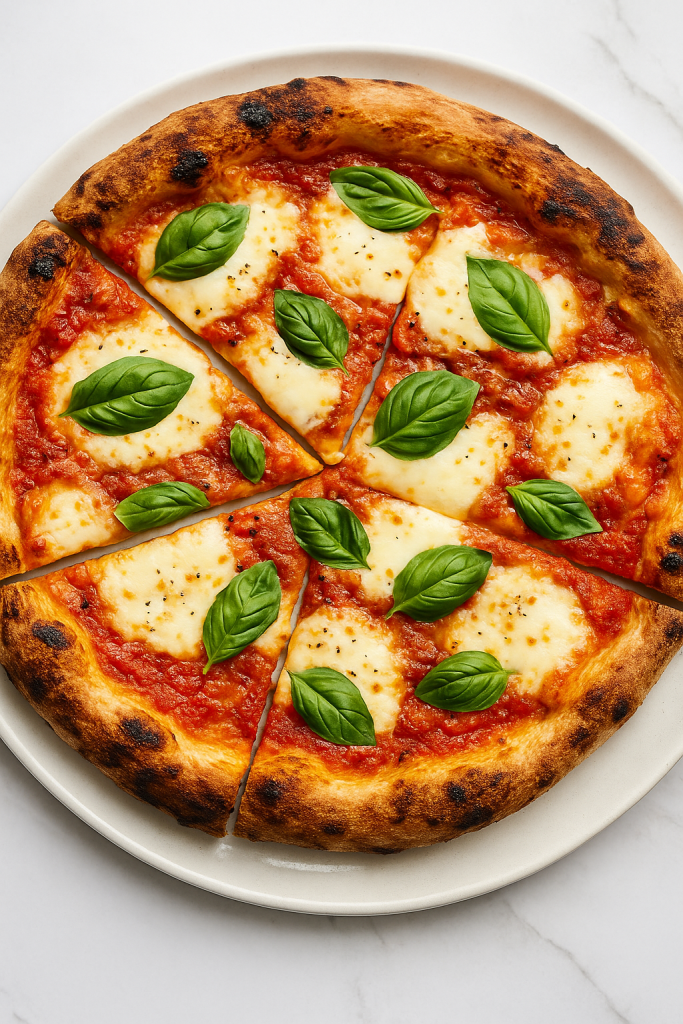
- Top and bake: Transfer to a pizza peel or baking sheet, add your favorite toppings, then slide onto a preheated pizza stone or baking tray in a 500°F oven. Bake for 8-12 minutes until the crust is golden and blistered for that authentic pizzeria finish.
Tips for Success
- Flour choice: Bread flour’s higher protein helps create more gluten, essential for chewiness. For an ultra-crisp crust, mix in a small portion of 00 flour.
- Water temperature: Keep it warm but not hot-too hot and it kills the yeast, stopping the rise.
- Kneading technique: If dough sticks, dust hands sparingly-too much flour makes crust tough.
- Fermentation variation: For deeper flavor, ferment dough overnight in the fridge, then bring to room temp before shaping.
- Troubleshooting: If dough is sticky after kneading, let it rest 10 minutes and knead again-it’ll improve elasticity.
Serving Suggestions
Once baked, brush the crust edge with a little olive oil and sprinkle with flaky sea salt. Serve sliced alongside a fresh mixed greens salad tossed with lemon vinaigrette or pair with a glass of bold red wine. Garnish your pizza with fresh basil leaves, a drizzle of high-quality extra virgin olive oil, or a dash of crushed red pepper flakes for an irresistible finish.
| Nutrient | Per Serving (1/2 dough) |
|---|---|
| Calories | 450 kcal |
| Protein | 14 g |
| Carbohydrates | 90 g |
| Fat | 5 g |
To deepen your pizza dough expertise, don’t miss our ultimate homemade pizza sauce recipe, or visit King Arthur Baking’s Bread Science Guide for more on flour proteins and yeast behavior.
Q&A
Q&A: Master the Art: Ultimate Guide to the Best Pizza Dough Recipe
Q1: What makes a pizza dough truly “ultimate”?
A1: The ultimate pizza dough strikes the perfect balance between chewiness,crispiness,and flavor. It’s a tender yet robust canvas that crisps beautifully in the oven while maintaining a soft, airy crumb inside. Achieving that ideal texture depends on the right flour, hydration, fermentation time, and technique-everything working harmoniously to create pure pizza magic.
Q2: which type of flour is best for pizza dough?
A2: High-protein bread flour is your best bet for classic, chewy pizza dough thanks to its strong gluten network. For a lighter, crispier crust, you can blend bread flour with all-purpose flour or sprinkle in some ’00’ flour-the Italian gold standard prized for its fine grind and silky quality. The flour choice shapes your dough’s texture and bite, so don’t be afraid to experiment!
Q3: Why is fermentation important in pizza dough?
A3: Fermentation is the secret behind flavor and texture depth. As the yeast ferments sugars, it releases carbon dioxide, which creates those irresistible air pockets.It also develops complex flavors from natural yeast and bacteria activity. Whether you opt for a rapid rise or a slow, cold ferment in the fridge, patience here pays off with dough that’s bursting with character.
Q4: Can I make pizza dough without yeast?
A4: yes,though it’s not quite the classic experience. Dough made with chemical leaveners like baking powder can produce a quick bread crust. However, it won’t have the same elasticity, flavor, or chewiness that comes from yeast fermentation. For truly authentic texture and taste, yeast is a non-negotiable star.
Q5: How much water should I use for the perfect dough hydration?
A5: Hydration typically falls between 60% to 70%-that is,water weight as a percentage of flour weight. Higher hydration doughs (around 70%) yield more open crumbs and crispier crusts but can be stickier and trickier to handle. Beginners might start at 60-65%, then adjust as they get comfortable kneading and shaping.
Q6: What’s the easiest way to knead pizza dough?
A6: You can knead by hand on a floured surface for 8-10 minutes,feeling the dough transform from shaggy to smooth and elastic. if you have a stand mixer with a dough hook, it’ll do the work for you in 5-7 minutes. The dough should pass the “windowpane test”: stretch a small piece until almost clear without tearing.
Q7: How should I store pizza dough if I’m not using it immediately?
A7: For short-term storage,keep dough covered at room temperature to rise,then punch it down and shape into balls. For longer storage, refrigerate dough in an airtight container for up to 72 hours-this slow fermentation boosts flavor. You can also freeze dough balls for weeks; just thaw overnight in the fridge before using.
Q8: Any tips for shaping dough without ruining those precious air bubbles?
A8: Absolutely! resist the urge to roll dough flat with a pin-it can compress all that lovely air. Instead, gently stretch and press with your fingertips, working from the center outward. Use gravity too: hold the dough and let it stretch naturally by rotating your hands around the edges. This technique preserves the airy texture and creates a beautifully blistered crust.
Q9: Can I substitute water with other liquids?
A9: While plain water is classic, some adventurous pizza makers use milk, beer, or even sparkling water to add unique flavors and textures. Milk can tenderize the crust, beer can introduce malty notes, and sparkling water may lighten the dough. Just keep in mind these tweaks can subtly change the dough’s behavior and taste.
Q10: What baking method brings out the best in homemade pizza dough?
A10: High heat is your best friend. Whether using a pizza stone, steel, or a hot cast-iron skillet, preheat your oven to its maximum, usually 500°F (260°C) or more.This intense heat simulates a wood-fired oven, helping to achieve that signature leopard spotting, quick crisping, and chewy interior. Don’t forget to preheat your baking surface for at least 30 minutes to get the best results.
Mastering pizza dough is like learning to paint on the perfect canvas-once you get the basics down, endless creativity awaits. treat your dough with respect, experiment with techniques, and soon you’ll be crafting pies that rival your favorite pizzeria. Bon appétit!
Insights and Conclusions
As you’ve discovered throughout this ultimate guide, mastering the art of pizza dough is both a science and a delightful act of creativity. whether you’re a curious beginner or a seasoned home cook, the perfect dough forms the foundation of every unforgettable pizza experience. With the techniques, tips, and recipes shared here, you’re now equipped to transform simple ingredients into a canvas of endless flavor possibilities. So, preheat your oven, dust your workspace with flour, and let each batch of dough tell your unique story-as when you master the dough, you’re not just making pizza, you’re crafting happiness, one slice at a time.