

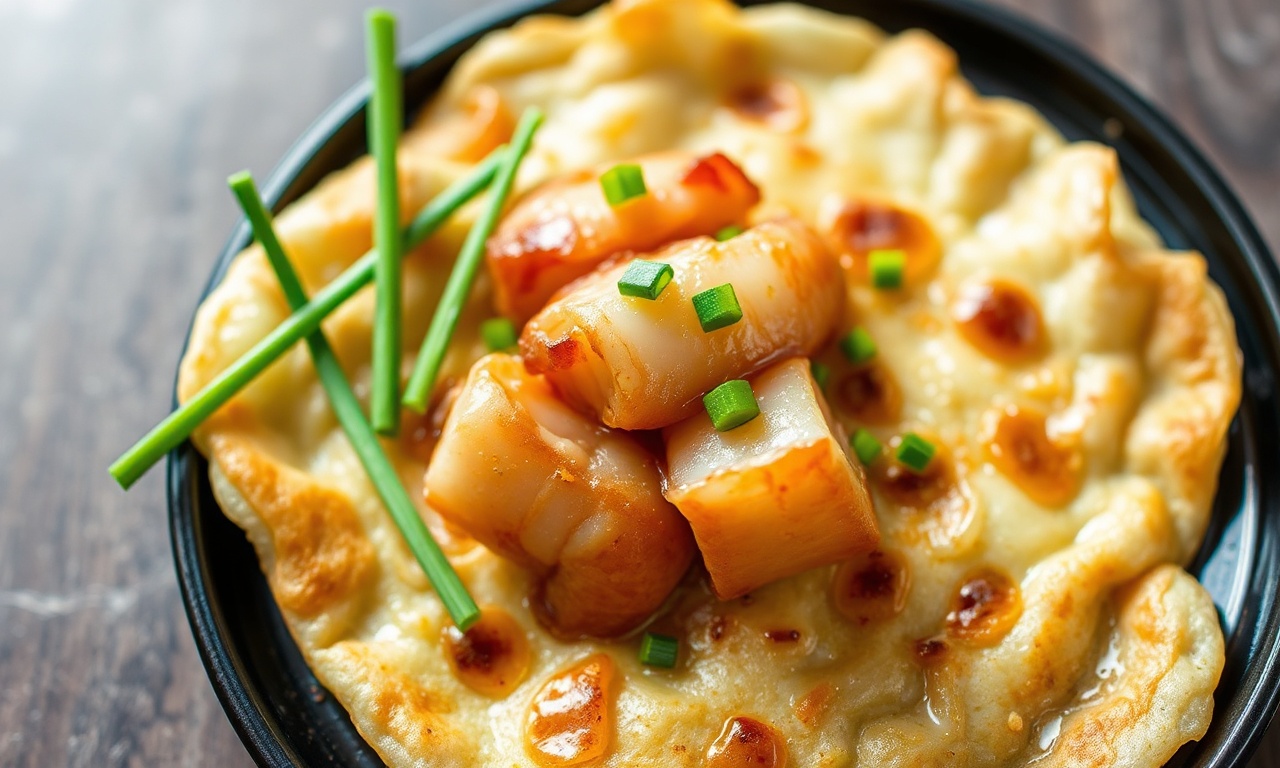
When it comes to Exploring Korean culinary traditions, Crispy, golden, and bursting with flavor-Korean seafood and scallion pancakes have long held a cherished place on tables across Korea and beyond. These savory delights marry the ocean’s bounty with the humble scallion, transforming simple ingredients into a symphony of textures and tastes. Whether enjoyed as a comforting street snack or a shared appetizer at a lively dinner, these pancakes invite us to explore the rich culinary heritage behind each crispy bite. Join us as we explore the art and allure of Korean seafood and scallion pancakes, uncovering their history, regional variations, and secrets to achieving that perfect, irresistible crunch.
- Exploring Korean Pancake: Prep and Cook Time
- Yield
- Difficulty Level
- Ingredients for Korean Seafood & Scallion Pancakes
- Exploring Korean: Instructions for Making Korean Pancakes
- Tips for Achieving Perfect Crispy Korean Pancakes
- Must-Try Variations and Regional Twists on Korean Pancakes
- Pairing Korean Pancakes with Complementary Dipping Sauces and Beverages
- Q&A on Exploring Korean Pancakes
- To Conclude
Crispy Delights: Exploring Korean Seafood & Scallion Pancakes invites you on a savory journey to master the irresistible textures and flavors of Korean pancakes. These golden-crisp treats, known for their tantalizing seafood medley and vibrant scallions, are a staple in Korean cuisine-celebrated for their perfect balance of crunch and umami. Whether you’re a seasoned home cook or a culinary adventurer, unlocking the secrets behind their crispiness and harmonious taste is key to recreating a restaurant-quality dish at home.
Exploring Korean Pancake: Prep and Cook Time
- Preparation Time: 15 minutes
- Cooking Time: 15-20 minutes
- Total Time: 30-35 minutes
Yield
Serves 4 generously as an appetizer or 2 as a main course
Difficulty Level
In the context of Exploring Korean, Medium – Requires attention to batter consistency and pan temperature for perfect crispness
Ingredients for Korean Seafood & Scallion Pancakes
- 1 cup all-purpose flour, sifted
- ½ cup rice flour (for extra crunch)
- 1 ¼ cups cold water
- 1 large egg, lightly beaten
- 1 cup mixed seafood (shrimp, squid, mussels), chopped into bite-size pieces
- 1 cup scallions, cut into 2-inch lengths
- ¼ cup julienned carrots (optional for color and sweetness)
- 2 cloves garlic, minced
- 1 tsp kosher salt
- ½ tsp freshly ground black pepper
- Vegetable oil (for frying)
- Sesame seeds and seaweed flakes (for garnish)
Exploring Korean: Instructions for Making Korean Pancakes
- Prepare the batter: In a large bowl, whisk together the all-purpose flour, rice flour, and salt. Gradually pour in cold water while stirring to create a smooth, slightly thin batter. Add the beaten egg and mix until thoroughly combined.
- Fold in ingredients: Gently fold the chopped mixed seafood, scallions, carrots, and garlic into the batter, ensuring even distribution without overmixing to avoid toughening.
- Heat the pan: Preheat a non-stick skillet or cast iron pan over medium-high heat. Add a generous layer of vegetable oil, about 3 tablespoons, sufficient to create a thin crispy crust on the bottom.
- Cook the pancake: Pour half of the batter mixture into the pan, spreading it evenly to form a 7-8 inch pancake about ¼ inch thick. Cook uninterrupted for 4-5 minutes until the edges turn golden and crispy.
- Flip carefully: Using a wide spatula, carefully flip the pancake and continue cooking for another 4 minutes until the second side is equally golden and cooked through. Adjust heat as needed to prevent burning.
- Drain and rest: Transfer to a paper towel-lined plate to absorb excess oil. Repeat with remaining batter.
- Garnish & Serve: Sprinkle with toasted sesame seeds and crumbled seaweed flakes. Serve promptly with dipping sauces for maximum crisp texture and flavor burst.
Tips for Achieving Perfect Crispy Korean Pancakes
- Batter consistency matters: Aim for a batter slightly thinner than pancake batter; this helps the Crispy Delights signature crunch form during frying.
- Rice flour is magic: Combining rice flour with all-purpose flour boosts crispiness without altering flavor.
- Keep the oil hot: If the oil is not sufficiently heated, the pancake will absorb excess oil and become soggy rather of crisp.
- Don’t overcrowd the pan: Cook pancakes in batches if necessary to maintain even heat and crisp edges.
- Make-ahead option: The batter can be prepared up to 1 hour in advance and refrigerated. Stir gently before cooking.
Must-Try Variations and Regional Twists on Korean Pancakes
Around Exploring Korean culinary regions, Experiment with a variety of ingredients to personalize your pancake experience. Jeon from Jeolla-do often includes thicker cuts of seafood and more abundant garnishes, while Busan’s coastal versions flaunt extra fresh oysters and seaweed. Consider adding finely chopped kimchi for a spicy tang or replace mixed seafood with sturdy enoki mushrooms for a vegetarian twist that still embraces authentic flavors.
Pairing Korean Pancakes with Complementary Dipping Sauces and Beverages
Regarding Exploring Korean food pairings, Enhance the sensory experience by pairing these pancakes with a classic soy-vinegar dipping sauce – a simple blend of soy sauce, rice vinegar, minced garlic, chopped scallions, and a pinch of sugar. A hint of toasted sesame oil adds alluring warmth. For a bolder kick, incorporate some gochugaru (Korean chili flakes) or chopped fresh chili.
When it comes to Exploring Korean beverage pairings, Crispy delights come alive next to a chilled glass of makgeolli, Korea’s traditional lightly sparkling rice wine that beautifully cuts through the oil and saltiness. Alternatively, a crisp, cold Korean beer or jasmine green tea offers refreshing counterpoints, inviting more rounds of these addictively crispy pancakes.
| Nutrient | Per Serving (¼ recipe) |
|---|---|
| Calories | 280 kcal |
| Protein | 18 g |
| Carbohydrates | 27 g |
| Fat | 9 g |
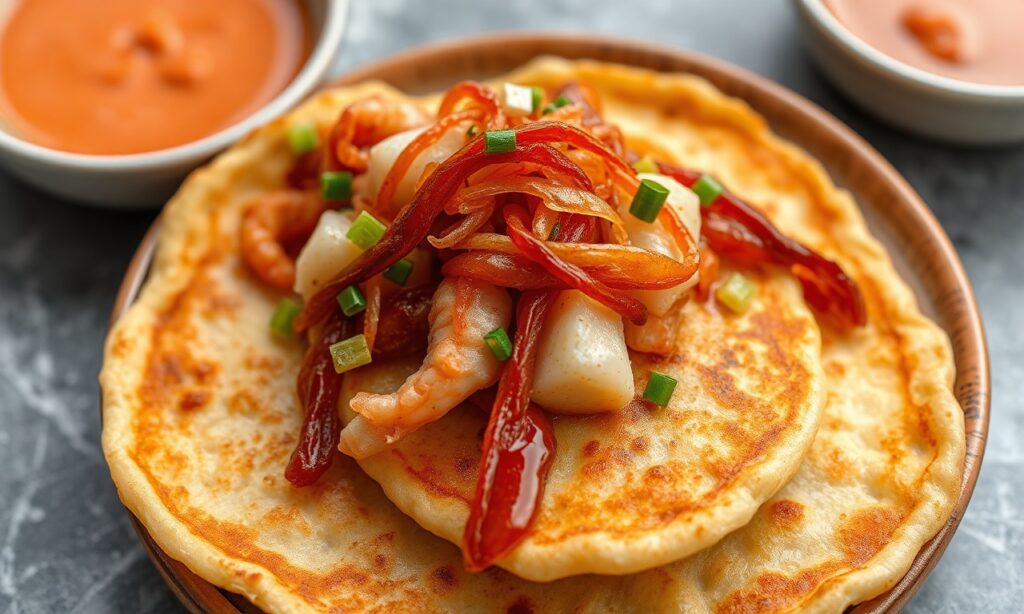
In the context of Exploring Korean food culture, For further culinary inspiration, explore our Authentic Korean Street Food Recipes or explore the rich history of Korean pancake varieties in this official cultural resource.
Q&A on Exploring Korean Pancakes
Q&A: Crispy Delights – Exploring Korean Seafood & Scallion Pancakes
Around Exploring Korean cuisine, Q1: What makes Korean seafood pancakes uniquely flavorful compared to other types of pancakes?
A1: Korean seafood pancakes, known as haemul pajeon, are a harmonious blend of fresh seafood like squid, shrimp, and mussels combined with a batter enriched by scallions. The magic lies in the interplay between the crispy, golden exterior and the tender, savory filling. The scallions add a fragrant sharpness that brightens the oceanic richness, creating a multi-dimensional taste experience that’s both comforting and exciting.
Regarding Exploring Korean flavors, Q2: How do scallions elevate the texture and taste of the pancake?
A2: Scallions are the green heroes of pajeon. Their crunchy yet tender bite contrasts beautifully with the pancake’s batter, providing bursts of fresh, mild onion flavor. When cooked, their natural sweetness mellows, lending depth and savory complexity that lifts the seafood, preventing the pancake from becoming overwhelmingly heavy.
When it comes to Exploring Korean batter bases, Q3: What ingredients form the base of the batter in these pancakes?
A3: The batter typically consists of wheat flour and water, sometimes enhanced with rice flour or potato starch for added crispiness. Eggs can be incorporated to bind the ingredients together and enrich the texture. This simple base ensures the spotlight remains on the fresh scallions and seafood, allowing their flavors to shine through.
In the context of Exploring Korean cooking techniques, Q4: Is there a recommended technique to achieve that signature crispy crust?
A4: Absolutely! The key is cooking the pancake over medium-high heat with a generous amount of oil. Patience is crucial-letting the pancake crisp undisturbed for several minutes forms that beautiful golden crust. Flipping carefully ensures the other side cooks evenly. A hot, well-seasoned frying pan and a splash of oil are the secrets to that irresistible crunch.
Around Exploring Korean dining experiences, Q5: What dipping sauces perfectly complement seafood and scallion pancakes?
A5: The classic companion is a soy-based dipping sauce infused with vinegar, a touch of sugar, and finely chopped garlic or chili flakes for a little heat. This tangy, salty combination cuts through the pancake’s richness while enhancing its savory notes. Some variations include sesame oil or a sprinkle of toasted sesame seeds for added aroma and texture.
Q6: Can these pancakes be adapted for different dietary preferences?
A6: Certainly! While traditionally made with a medley of seafood, the batter and scallions shine beautifully with various fillings. For pescatarian options, you can focus solely on mixed seafood or shellfish. Vegetarian adaptations might highlight mushrooms or zucchini, maintaining the luscious texture and vibrant flavor that define pajeon.
Q7: When is the best time to enjoy Korean seafood and scallion pancakes?
A7: These crispy delights are perfect as an appetizer, snack, or even a main dish during cooler months when their warming, savory qualities comfort the soul. They’re also a popular choice during rainy days in Korea – a legendary pairing said to amplify the enjoyment of the gentle drizzle with every bite of crispy pancake.
Q8: How does pajeon connect with Korean culture and dining traditions?
A8: Pajeon isn’t merely food; it’s a social experience. Often shared among friends and family, it appears on tables during festive gatherings and casual get-togethers alike. The act of cooking and eating pajeon invites conviviality, reminiscent of Korean hospitality where food serves as a bridge to connection, memory, and joy.
To Conclude
As we wrap up our flavor-packed journey through the world of Korean seafood and scallion pancakes, it’s clear that these crispy delights are much more than just dishes-they’re vibrant expressions of culture, tradition, and culinary artistry. Each bite offers a harmonious blend of textures and tastes, from the ocean’s freshest catches to the subtle crunch of perfectly fried scallions. Whether enjoyed as a comforting street food snack or a centerpiece on a festive table, these pancakes invite us to savor Korea’s rich heritage one crispy, savory slice at a time. So next time you crave something both familiar and exciting, let Korean seafood and scallion pancakes lead you to a world where crispy meets crave-worthy in every mouthful.
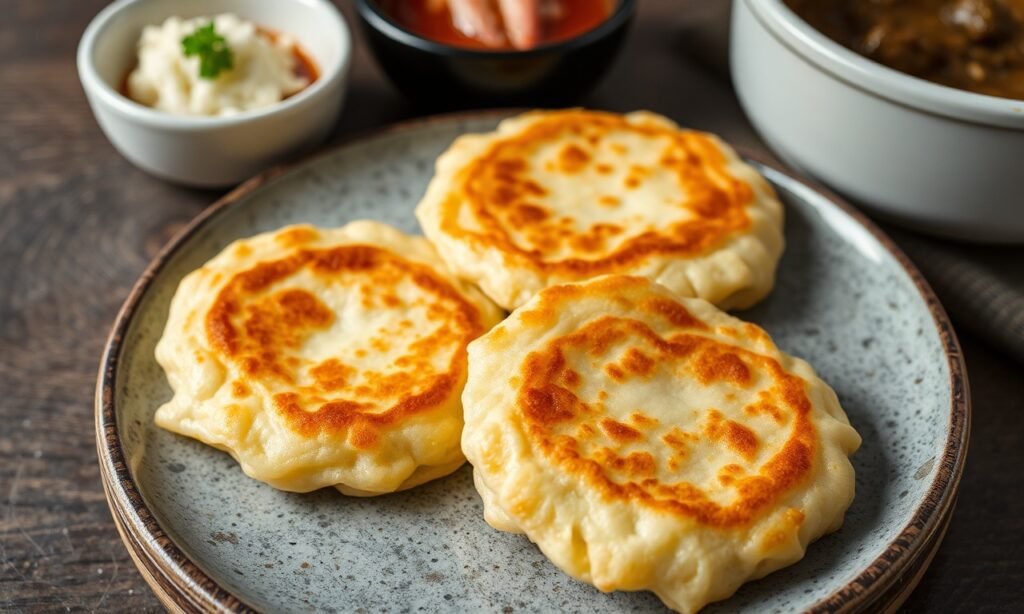
See also: Exploring Korean